
Preventing food anxiety in cats feeding strategies

Share
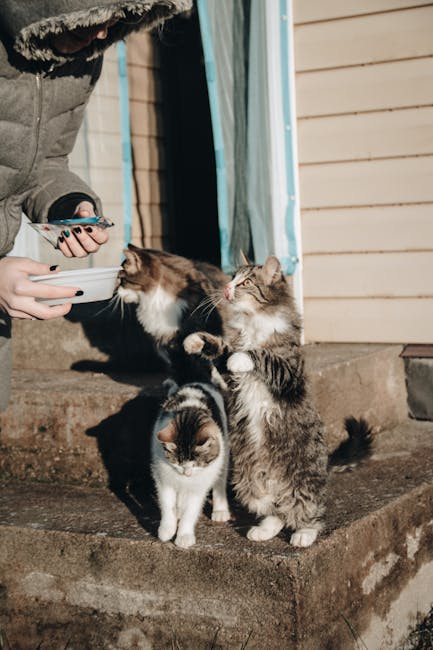
Preventing food anxiety in cats feeding strategies
Introduction
Preventing food anxiety in cats feeding strategies is an important part of keeping your feline friend happy and healthy. This topic applies to cats of all ages-from playful kittens to senior cats-as food-related stress can affect any cat’s well-being.
Food anxiety may lead to behaviours such as guarding food, overeating, or refusing to eat, which can impact your cat’s overall health. While preventive care can reduce the risk of these issues, it does not guarantee perfect health. Every cat is unique, and their needs can change over time.
It’s important to remember that this information is meant to support your understanding and should not replace advice from a licensed veterinarian. A vet can help create a tailored feeding plan that suits your cat’s individual needs and lifestyle.
Some general strategies to consider include:
- Providing consistent feeding times and locations
- Offering a calm and safe environment during meals
- Using separate feeding areas if you have multiple cats
- Monitoring your cat’s behaviour and appetite regularly
Working closely with your veterinarian will help ensure the best preventive care plan for your cat’s food-related anxiety and overall health.
Reviewed by SASI Vet Preventive Care Editorial Board.
Why preventive care matters
Preventing food anxiety in cats feeding strategies is an important part of your cat’s overall well-being. Food anxiety can lead to stress, which may affect your cat’s behaviour and health over time. By adopting thoughtful feeding habits, you help create a calm and predictable environment that supports your cat’s emotional and physical health.
Consistent preventive care can:
- Reduce the risk of digestive issues caused by overeating or rapid eating.
- Lower stress-related behaviours such as aggression or hiding.
- Improve your cat’s quality of life by promoting a relaxed feeding routine.
- Help prevent emergency visits related to sudden digestive upset or behavioural problems.
Every cat is unique, so it’s important to work with your veterinarian to develop a feeding plan tailored to your cat’s needs. Your vet can guide you on the best strategies to prevent food anxiety and support your cat’s long-term health. Remember, preventive care is a key step in helping your cat live a happy, healthy life.
How this preventive measure works
Preventing food anxiety in cats feeding strategies involves creating a calm and consistent environment around mealtime. Food anxiety can develop when cats feel uncertain about when or how they will be fed, leading to stress and potentially unhealthy behaviours. By using thoughtful feeding approaches, you can help your cat feel secure and relaxed during meals.
Key elements of this preventive care include:
- Regular feeding times: Offering food at predictable times helps your cat know what to expect, reducing worry about when the next meal will come.
- Consistent portion sizes: Providing appropriate amounts of food supports healthy eating habits and prevents competition or guarding behaviours.
- Quiet, safe feeding areas: Feeding your cat in a calm space away from noise or other pets can lower stress and encourage peaceful eating.
- Positive reinforcement: Encouraging calm behaviour around food with gentle praise or treats helps build a positive association with mealtime.
These strategies work together to promote a sense of security and routine, which can prevent food anxiety from developing. It’s important to work with your veterinarian to tailor a feeding plan that suits your cat’s individual needs and lifestyle.
Which pets need it most
Preventing food anxiety in cats feeding strategies can benefit many cats, but some are more likely to need this type of preventive care. Cats who experience stress or competition around mealtimes often show signs of food anxiety, which can affect their overall well-being.
Pets that may benefit most include:
- Multi-cat households: Cats living with others may compete for food, increasing anxiety during feeding times.
- Senior cats: Older cats might develop changes in appetite or behaviour that contribute to food-related stress.
- Cats with a history of food guarding or aggression: These behaviours can signal underlying anxiety around feeding.
- Cats in busy or noisy environments: Stressful surroundings can make mealtimes more challenging.
- Cats with certain health conditions: Illnesses affecting appetite or digestion may increase feeding-related stress.
Every cat is unique, so it’s important to work with your veterinarian to develop a feeding strategy tailored to your cat’s specific needs and lifestyle. Your vet can help identify any underlying causes and recommend safe, effective ways to reduce food anxiety and promote a calm, healthy feeding routine.
What pet owners should look out for
Preventing food anxiety in cats feeding strategies begins with careful observation at home. Cats may not always show obvious signs of stress, so it’s important to watch for subtle changes in behaviour or routine that could indicate discomfort around mealtimes.
Some signs to monitor include:
- Increased vocalization or restlessness before or during feeding
- Aggression or guarding behaviours around food bowls
- Changes in appetite, such as eating too quickly or refusing food
- Hiding or avoiding the feeding area
- Weight loss or gain without an obvious cause
If you notice any of these behaviours, it may be a sign that your cat is experiencing food anxiety or that your current feeding strategy isn’t meeting their needs. Remember, every cat is unique, and what works for one may not work for another.
Preventive care plans to address food anxiety should always be developed in partnership with your veterinarian. They can help tailor feeding strategies that promote calm, healthy eating habits and overall well-being for your cat.
Role of the veterinarian
Your veterinarian plays a vital role in preventing food anxiety in cats through tailored feeding strategies and overall preventive care. Working closely with your vet ensures your cat’s health and well-being are supported at every stage of life.
During regular physical exams, your veterinarian assesses your cat’s body condition, behaviour, and any signs of stress related to feeding. They also develop vaccination plans and recommend parasite control measures to keep your cat healthy.
Nutrition advice is a key part of the preventive care plan. Your vet can help you choose appropriate diets and feeding routines that reduce competition and anxiety around food, promoting a calm and positive mealtime experience.
Screening tests may be suggested to detect underlying health issues that could contribute to feeding difficulties or anxiety. Follow-up visits allow your veterinarian to monitor progress and adjust recommendations as needed.
Remember, every cat is unique. Preventing food anxiety in cats feeding strategies should always be created in partnership with your veterinarian, who can provide guidance based on your cat’s specific needs and lifestyle.
Safe home practices
Preventing food anxiety in cats feeding strategies begins with creating a calm and consistent environment at home. Cats thrive on routine, so offering meals at regular times can help reduce stress around feeding. Avoid sudden changes in feeding location or dish type, as these can increase anxiety.
Here are some safe home practices to support your cat’s well-being:
- Provide a quiet, comfortable space for your cat to eat without interruptions from other pets or loud noises.
- Use separate feeding areas if you have multiple cats to prevent competition and food guarding behaviours.
- Monitor your cat’s weight and appetite regularly to notice any changes that might indicate stress or health issues.
- Enrich your cat’s environment with toys, climbing structures, and interactive play to reduce overall anxiety.
- Maintain good dental hygiene by gently brushing your cat’s teeth or offering dental treats recommended by your veterinarian.
Remember, every cat is unique. Work with your veterinarian to develop a preventive care plan tailored to your cat’s needs, ensuring a happy and healthy feeding routine free from anxiety.
Common myths and misunderstandings
When it comes to preventing food anxiety in cats feeding strategies, there are several myths that can cause confusion or unnecessary worry. Understanding the facts can help you provide the best care for your feline friend.
Myth 1: Feeding your cat only once a day prevents food anxiety. In reality, cats often feel more secure with consistent, smaller meals throughout the day. Skipping meals or long gaps can increase stress around feeding times.
Myth 2: Free-feeding (leaving food out all day) always reduces anxiety. While some cats do well with free-feeding, others may become possessive or overeat, which can worsen food-related stress. Each cat is different, so it’s important to observe your pet’s behaviour.
Myth 3: Food anxiety is just a behavioural issue and doesn’t need veterinary input. Food anxiety can sometimes be linked to underlying health or environmental factors. A veterinarian can help identify causes and suggest tailored feeding strategies.
Remember, preventive care plans should be created with a veterinarian who understands your cat’s unique needs. This ensures feeding strategies support both physical health and emotional well-being.
Life-stage considerations
Preventing food anxiety in cats feeding strategies can vary depending on your cat’s life stage. Each stage-from kittenhood to senior years-brings unique needs and behaviours that influence how you approach mealtime and reduce stress around food.
Kittens
Kittens are learning about their environment and establishing routines. Consistent feeding times and a quiet, safe space for meals help build positive associations with food. Offering small, frequent meals can also support their growth and reduce competition if you have multiple pets.
Adult cats
Adult cats benefit from predictable feeding schedules and portion control to maintain a healthy weight. Providing enrichment during feeding, such as puzzle feeders or slow feeders, can help reduce anxiety and encourage natural hunting behaviours.
Senior cats
Older cats may experience changes in appetite or dental health that affect eating. Adjusting food texture and consulting your veterinarian about appropriate diets can ease mealtime stress. Maintaining a calm environment remains important to prevent food-related anxiety.
Because every cat is unique, it’s best to work with your veterinarian to develop a feeding strategy tailored to your cat’s age, health, and personality. This ensures preventive care is both effective and compassionate throughout their life stages.
FAQs
What is food anxiety in cats?
Food anxiety in cats is when a cat feels stressed or worried about mealtime. This can lead to behaviours like rushing to eat, guarding food, or overeating. Understanding and managing this anxiety helps keep your cat calm and healthy.
How can feeding strategies help prevent food anxiety in cats?
Using thoughtful feeding strategies can reduce stress around meals. Some helpful tips include:
- Providing consistent feeding times each day
- Offering multiple small meals instead of one large meal
- Feeding cats separately if they compete for food
- Using puzzle feeders or slow feeders to encourage relaxed eating
Can changes in the environment reduce my cat’s food anxiety?
Yes. Creating a quiet, safe feeding area away from noise and other pets can help your cat feel more secure during mealtime. Avoid sudden changes in feeding location or routine whenever possible.
When should I talk to my veterinarian about my cat’s eating behaviour?
If your cat shows ongoing signs of food anxiety or changes in appetite, it’s important to consult your veterinarian. They can help develop a preventive care plan tailored to your cat’s needs and rule out any medical issues.
Summary
Preventing food anxiety in cats feeding strategies plays an important role in promoting your cat’s overall well-being. By using thoughtful feeding approaches, you can help reduce stress around mealtimes and encourage healthy eating habits.
Key benefits of preventive care include:
- Supporting your cat’s emotional comfort and reducing mealtime stress
- Encouraging consistent eating patterns and proper nutrition
- Helping to prevent behavioural issues related to food competition or insecurity
It’s important to have realistic expectations, as changes in feeding behaviour may take time and patience. Every cat is unique, and what works well for one may need adjustment for another.
Regular veterinary check-ups are essential to monitor your cat’s health and discuss any concerns about feeding or behaviour. Open communication with your veterinarian and their team ensures that preventive care plans are tailored to your cat’s specific needs and lifestyle.
Always work closely with your veterinarian to develop feeding strategies that support your cat’s health and happiness safely and effectively.
Additional resources
- Canadian Veterinary Medical Association (CVMA)
- American Veterinary Medical Association (AVMA)
- World Small Animal Veterinary Association (WSAVA)
- Royal Society for the Prevention of Cruelty to Animals (RSPCA)
- Ontario Veterinary College, University of Guelph
Disclaimer: This article provides general information about preventive care for pets and does not replace professional veterinary advice. Always talk to a licensed veterinarian about your pet’s specific needs.