Preventive care for hairless dog breeds skin and warmth

Share
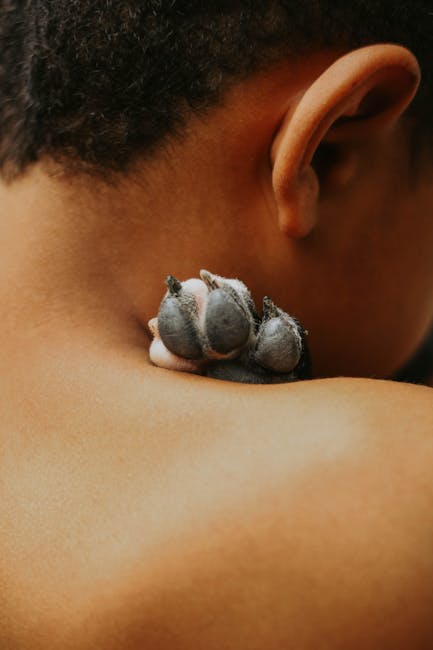
Preventive care for hairless dog breeds skin and warmth
Introduction
Preventive care for hairless dog breeds skin and warmth is an important part of keeping these unique pets healthy and comfortable. Hairless dogs, such as the Chinese Crested or Xoloitzcuintli, have special needs because their skin is more exposed and sensitive than that of furry breeds. This information is useful for owners of puppies, adult dogs, and senior dogs of hairless breeds.
Preventive care means taking steps to reduce the risk of skin problems, infections, and discomfort related to temperature changes. While prevention helps lower the chance of health issues, it does not guarantee perfect health. Every dog is different, and some may need extra attention or care.
Remember, this article is not a substitute for professional veterinary advice. It’s important to work with your veterinarian to create a preventive care plan tailored to your dog’s specific needs. Your vet can guide you on safe skin care, protection from the sun and cold, and other ways to keep your hairless dog happy and healthy.
Reviewed by SASI Vet Preventive Care Editorial Board.
Why preventive care matters
Preventive care for hairless dog breeds skin and warmth is essential to help your pet stay healthy and comfortable throughout their life. Hairless dogs have unique needs because their skin is more exposed and sensitive to environmental factors like cold, sun, and irritants.
By focusing on preventive care, you can:
- Lower the risk of skin infections, dryness, and irritation.
- Help maintain a stable body temperature, reducing the chance of chills or overheating.
- Improve your dog’s overall quality of life by keeping their skin healthy and protected.
- Reduce the likelihood of emergency visits or serious complications related to untreated skin problems or temperature issues.
Every hairless dog is different, so it’s important to work with your veterinarian to develop a preventive care plan tailored to your pet’s specific needs. This plan may include appropriate skincare routines, protective clothing, and environmental adjustments to keep your dog safe and comfortable year-round.
How this preventive measure works
Preventive care for hairless dog breeds skin and warmth focuses on protecting their unique skin and maintaining a comfortable body temperature. Because these breeds lack a protective coat, their skin is more exposed to environmental factors such as sun, cold, and irritants. Preventive care helps reduce the risk of skin damage, infections, and discomfort.
This type of prevention typically involves:
- Regular moisturizing to keep the skin hydrated and healthy.
- Using gentle, skin-friendly products to avoid irritation.
- Protecting the skin from sun exposure with appropriate coverings or pet-safe sunscreens.
- Providing warmth through clothing or bedding during cooler weather to maintain body temperature.
- Monitoring the skin regularly for any changes or signs of irritation.
Each hairless dog is unique, so preventive care plans should be tailored to their specific needs. Working closely with a veterinarian ensures the best approach to keep your pet’s skin healthy and comfortable throughout the year.
Which pets need it most
Preventive care for hairless dog breeds skin and warmth is especially important for certain pets who are more vulnerable to skin issues and temperature sensitivity. Hairless dogs naturally lack the protective fur coat that helps regulate body temperature and shield skin from environmental factors.
Pets that may benefit most include:
- Hairless dog breeds: Breeds like the Chinese Crested, Xoloitzcuintli, and American Hairless Terrier require extra attention to keep their skin healthy and warm.
- Young and senior dogs: Puppies and older dogs often have more delicate skin and may struggle to maintain body heat.
- Indoor pets in cooler climates: Dogs living in homes with low temperatures or drafty areas can be at risk of getting cold without proper protection.
- Pets with existing skin conditions: Dogs prone to dryness, irritation, or allergies need tailored skin care to prevent flare-ups.
Each pet’s needs vary based on their lifestyle, environment, and health status. It’s important to work with a veterinarian to develop a preventive care plan that suits your dog’s unique requirements and keeps their skin healthy and comfortable year-round.
What pet owners should look out for
Preventive care for hairless dog breeds skin and warmth is essential to keep your pet comfortable and healthy. Because these breeds have little to no fur, their skin is more exposed and sensitive. It’s important to watch for any signs that might indicate your dog needs extra attention or a change in their care routine.
At home, keep an eye on the following:
- Skin changes: Look for redness, dryness, flaking, or unusual bumps that could suggest irritation or infection.
- Warmth and comfort: Notice if your dog seems unusually cold, shivers, or seeks out warm places more than usual.
- Scratching or licking: Excessive scratching, licking, or biting at the skin may signal discomfort or allergies.
- Sun sensitivity: Watch for signs of sunburn, such as pink or tender skin, especially after outdoor time.
- Behavioural changes: Changes in activity level, appetite, or mood can sometimes be linked to skin or temperature-related issues.
Remember, these observations are helpful for monitoring your dog’s well-being but do not replace professional advice. Always work with your veterinarian to develop a preventive care plan tailored to your hairless dog’s unique needs.
Role of the veterinarian
Preventive care for hairless dog breeds skin and warmth requires a thoughtful approach tailored to their unique needs. Your veterinarian plays a key role in planning and managing this care to keep your pet healthy and comfortable year-round.
During regular physical exams, the vet will check your dog’s skin condition, body temperature, and overall health. These visits help catch any early signs of skin irritation, infections, or other concerns common in hairless breeds.
Vaccination plans and parasite control recommendations are also customised to protect your dog from infectious diseases and pests, which can affect skin health. Nutrition advice is provided to support a strong immune system and healthy skin barrier.
Screening tests may be suggested to monitor for underlying health issues that could impact your dog’s skin or ability to regulate warmth. Follow-up visits ensure that any changes in your dog’s condition are addressed promptly.
Working closely with your veterinarian creates a partnership that supports your hairless dog’s unique preventive care needs. Always consult your vet to develop a plan that fits your pet’s lifestyle and environment, ensuring they stay safe, warm, and comfortable.
Safe home practices
Preventive care for hairless dog breeds skin and warmth involves gentle, consistent attention to keep your pet comfortable and healthy. These unique dogs need extra care to protect their sensitive skin and maintain body temperature, especially in cooler weather.
Here are some safe home practices to consider:
- Skin care: Regularly check your dog’s skin for dryness, redness, or irritation. Use gentle, vet-recommended moisturizers if needed, and avoid harsh soaps or shampoos that can strip natural oils.
- Sun protection: Hairless dogs are prone to sunburn. Limit sun exposure during peak hours and consider pet-safe sunscreen or protective clothing when outdoors.
- Warmth: Provide cozy bedding and warm clothing during cold weather. Keep your home at a comfortable temperature and avoid drafts.
- General health: Maintain routine grooming like nail trimming and dental care. Monitor your dog’s weight and activity levels to support overall wellness.
- Environmental enrichment: Offer toys and interactive play to keep your dog mentally stimulated and happy.
Always work with your veterinarian to develop a preventive care plan tailored to your hairless dog’s specific needs. Regular vet visits are essential to address any skin or health concerns early and ensure your pet thrives year-round.
Common myths and misunderstandings
When it comes to preventive care for hairless dog breeds skin and warmth, there are a few myths that can cause confusion. It’s important to approach these gently and rely on evidence-informed veterinary advice for the best care.
Myth 1: Hairless dogs don’t need sunscreen because they don’t have fur. In reality, hairless breeds are more vulnerable to sunburn and skin damage. Using a veterinarian-recommended sunscreen or protective clothing can help protect their sensitive skin.
Myth 2: Hairless dogs don’t get cold because they have less fur. Actually, without a coat to insulate them, hairless dogs can get chilly easily. Providing warm clothing and a cozy environment is essential, especially in cooler weather.
Myth 3: Bathing hairless dogs frequently is harmful. While over-bathing can dry out skin, regular gentle baths with appropriate products help keep their skin clean and healthy. Your veterinarian can guide you on the best bathing routine.
Every hairless dog is unique, and preventive care plans should always be tailored with the help of a licensed veterinarian. This ensures your pet’s skin stays healthy and they remain comfortable year-round.
Life-stage considerations
Preventive care for hairless dog breeds skin and warmth varies throughout your pet’s life. Each stage-from puppyhood to senior years-brings unique needs that affect how you protect their sensitive skin and keep them comfortable.
Puppies
- Young hairless dogs have delicate skin that is more prone to irritation and dryness.
- Gentle moisturizing and sun protection are important as their skin develops.
- Keeping them warm with appropriate clothing or bedding helps prevent chills.
Adults
- Adult hairless dogs benefit from regular skin checks to catch any issues early.
- Maintaining a consistent routine of moisturizing and sun protection supports healthy skin.
- Adjust warmth strategies based on activity level and environment.
Seniors
- Older hairless dogs may experience thinner skin and slower healing.
- Extra care with moisturizing and avoiding harsh weather is often needed.
- Regular veterinary visits help tailor preventive care to changing needs.
Because every pet is unique, it’s essential to work with your veterinarian to develop a preventive care plan that suits your hairless dog’s life stage and lifestyle. This ensures their skin stays healthy and they remain warm and comfortable year-round.
FAQs
Why do hairless dog breeds need special skin care?
Hairless dogs have less natural protection against sun, cold, and irritants. Their skin can dry out, get sunburned, or become irritated more easily than dogs with fur. Regular moisturizing and sun protection are important parts of preventive care for hairless dog breeds skin and warmth.
How can I keep my hairless dog warm during colder months?
Since hairless dogs lack insulating fur, they can get cold quickly. Consider these tips:
- Use dog sweaters or coats made for their size.
- Provide warm bedding away from drafts.
- Limit outdoor time in cold weather.
Always monitor your dog’s comfort and consult your veterinarian for personalized advice.
Is sunscreen safe for hairless dogs?
Yes, but only use sunscreens formulated specifically for pets. Human sunscreens may contain ingredients harmful to dogs. Applying pet-safe sunscreen can help prevent sunburn, especially during outdoor activities.
How often should I check my hairless dog’s skin?
Regular skin checks are important to spot dryness, redness, or irritation early. Aim to examine your dog’s skin weekly and discuss any concerns with your veterinarian to tailor a preventive care plan.
Summary
Preventive care for hairless dog breeds skin and warmth is essential to keep your pet comfortable, healthy, and happy. These unique dogs require special attention to protect their sensitive skin from dryness, sunburn, and temperature changes. By working closely with your veterinarian, you can develop a tailored care plan that supports your dog’s specific needs.
Key benefits of preventive care include:
- Maintaining skin hydration and barrier health
- Protecting against sun damage and environmental irritants
- Ensuring your dog stays warm in cooler weather
- Early detection of skin issues or other health concerns
It’s important to have regular veterinary check-ups and keep open communication with your vet team. This helps adjust care strategies as your dog ages or as seasons change. Remember, every hairless dog is unique, so preventive care plans should always be created in partnership with a licensed veterinarian to best support your pet’s wellbeing.
- Canadian Veterinary Medical Association (CVMA)
- American Veterinary Medical Association (AVMA)
- World Small Animal Veterinary Association (WSAVA)
- Royal Society for the Prevention of Cruelty to Animals (RSPCA)
- Ontario Veterinary College, University of Guelph
Disclaimer: This article provides general information about preventive care for pets and does not replace professional veterinary advice. Always talk to a licensed veterinarian about your pet’s specific needs.