Preventive safety for puppies exploring outdoors

Share
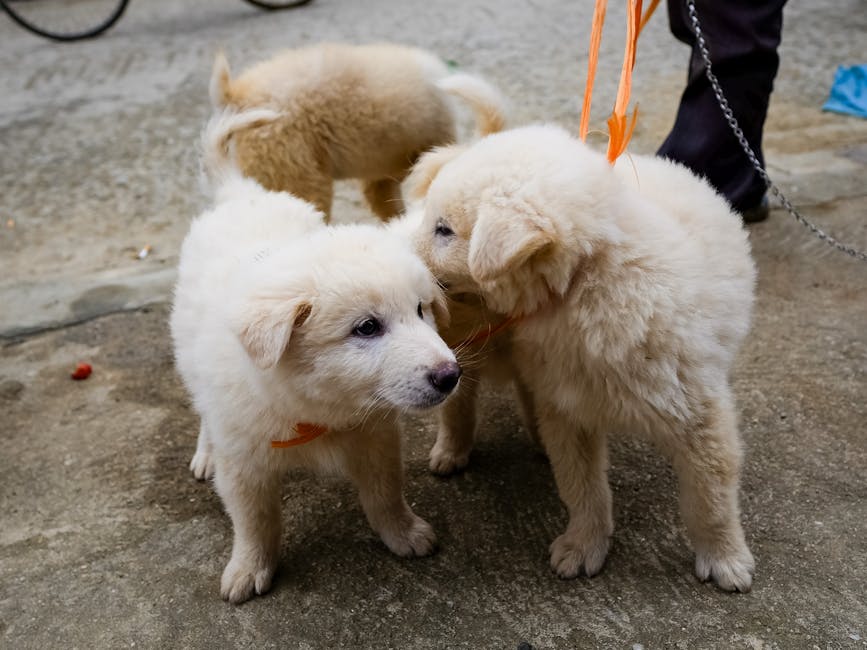
Preventive safety for puppies exploring outdoors
Introduction
Preventive safety for puppies exploring outdoors is an important part of helping your young dog grow up healthy and happy. This information mainly applies to puppies, but many principles also benefit adult dogs and other pets who spend time outside. While prevention can greatly reduce the risk of illness and injury, it does not guarantee perfect health.
Every puppy is unique, and their needs may vary based on breed, environment, and lifestyle. This article provides general guidance but does not replace the personalized advice of a licensed veterinarian. Your vet can help create a preventive care plan tailored to your puppy’s specific situation.
Key points to keep in mind include:
- Supervising your puppy during outdoor exploration to avoid hazards
- Keeping vaccinations and parasite control up to date
- Providing safe, puppy-friendly environments for play and exercise
- Being aware of common outdoor risks such as toxic plants, insects, and traffic
Working closely with your veterinarian ensures your puppy’s outdoor adventures are as safe and enjoyable as possible.
Reviewed by SASI Vet Preventive Care Editorial Board.
Why preventive care matters
Preventive safety for puppies exploring outdoors is essential to help your furry friend grow into a healthy, happy adult dog. Puppies are naturally curious and eager to explore, but this can expose them to risks such as parasites, injuries, or infectious diseases. Taking preventive steps early on can significantly lower these risks and support your puppy’s long-term well-being.
By working with your veterinarian to develop a tailored preventive care plan, you can:
- Reduce the chance of common illnesses and infections
- Minimize the risk of accidents or exposure to harmful substances
- Improve your puppy’s overall quality of life and comfort
- Lower the likelihood of emergency visits or serious complications
Remember, every puppy is unique, and preventive care should be personalized to their needs and environment. Regular veterinary check-ups and guidance will help you keep your puppy safe while they enjoy the outdoors with confidence and curiosity.
How this preventive measure works
Preventive safety for puppies exploring outdoors involves creating a safe environment that reduces risks while allowing your young dog to enjoy and learn from their surroundings. The goal is to protect puppies from common hazards such as harmful plants, parasites, traffic, and unfamiliar animals, all of which can affect their health and well-being.
This type of prevention works by combining careful supervision with practical steps like using secure leashes or fenced areas, avoiding high-risk locations, and gradually introducing your puppy to new experiences in a controlled way. It also includes regular health checks and discussions with your veterinarian to tailor a safety plan suited to your puppy’s specific needs and environment.
Key elements of preventive safety for puppies exploring outdoors include:
- Monitoring your puppy closely to prevent ingestion of dangerous items or contact with wildlife
- Using appropriate collars, harnesses, and leashes to maintain control
- Keeping up with parasite prevention recommended by your veterinarian
- Choosing safe, puppy-friendly outdoor spaces for exploration
- Gradually exposing your puppy to new sights and sounds to build confidence
Remember, every puppy is unique, so working with your veterinarian ensures the best preventive care plan to keep your puppy safe and happy while exploring the outdoors.
Which pets need it most
Preventive safety for puppies exploring outdoors is especially important for certain pets based on their species, age, lifestyle, environment, and health status. While all puppies benefit from careful outdoor supervision and protection, some may require extra attention to keep them safe and healthy.
Pets that often benefit most include:
- Puppies and young dogs: Their curiosity and developing immune systems make them more vulnerable to outdoor hazards.
- Dogs living in rural or wooded areas: Increased exposure to wildlife, ticks, and environmental dangers raises the need for preventive measures.
- Active or working dogs: Those who spend significant time outside exploring or exercising may face more risks.
- Pets with existing health conditions: Puppies with compromised immunity or chronic illnesses may need tailored safety plans.
- Dogs in multi-pet households: Close contact with other animals can increase exposure to contagious diseases.
Every puppy is unique, so it’s important to work with a veterinarian to develop a preventive safety plan that fits your puppy’s specific needs and environment. This ensures the best protection while allowing your puppy to enjoy the outdoors safely and confidently.
What pet owners should look out for
When it comes to preventive safety for puppies exploring outdoors, being attentive to your puppy’s behaviour and physical condition is key. Puppies are naturally curious, but this can sometimes lead to situations where preventive care is needed.
Here are some signs and changes to watch for at home:
- Unusual lethargy or weakness: If your puppy seems unusually tired or less playful, it could indicate discomfort or illness.
- Excessive scratching or licking: Persistent itching might suggest skin irritation, allergies, or parasites picked up outside.
- Changes in appetite or drinking habits: A sudden decrease or increase can signal health concerns.
- Signs of digestive upset: Vomiting, diarrhoea, or constipation may require attention.
- Difficulty walking or limping: Outdoor exploration can sometimes lead to minor injuries or strains.
- Respiratory changes: Coughing, sneezing, or laboured breathing should not be ignored.
Remember, these signs do not diagnose any condition but indicate when it’s time to consult your veterinarian. Preventive care plans tailored to your puppy’s needs are best developed with your vet’s guidance to keep outdoor adventures safe and enjoyable.
Role of the veterinarian
When it comes to preventive safety for puppies exploring outdoors, your veterinarian plays a vital role in keeping your new companion healthy and happy. Together, you and your vet can create a tailored preventive care plan that addresses your puppy’s unique needs.
During regular visits, your veterinarian will perform thorough physical exams to monitor growth and detect any early health concerns. They will also recommend appropriate vaccination plans to protect against common infectious diseases your puppy might encounter outside.
Parasite control is another key aspect of preventive care. Your vet can advise on safe and effective options to prevent fleas, ticks, and intestinal parasites, which are common risks for puppies spending time outdoors.
Nutrition advice is essential to support your puppy’s development and immune system. Your veterinarian can guide you in choosing the right diet and supplements if needed.
Screening tests may be suggested to catch potential health issues early, and follow-up visits ensure your puppy stays on track as they grow.
Remember, preventive care plans should always be created in partnership with your veterinarian. This collaboration helps ensure your puppy enjoys safe and healthy adventures outdoors.
Safe home practices
When it comes to preventive safety for puppies exploring outdoors, creating a safe and supportive home environment is essential. Puppies are naturally curious and energetic, so taking simple precautions can help protect them from common hazards.
Here are some key home care tips to keep your puppy safe and healthy:
- Regular grooming: Brushing your puppy’s coat helps remove dirt and debris, and gives you a chance to check for ticks or other parasites after outdoor adventures.
- Safe spaces: Puppy-proof your home by removing toxic plants, securing electrical cords, and keeping small objects out of reach to prevent choking or poisoning.
- Weight monitoring: Keep an eye on your puppy’s weight and body condition to support healthy growth and avoid obesity-related issues.
- Environmental enrichment: Provide toys and safe chew items to satisfy your puppy’s natural instincts and reduce destructive behaviour.
- Supervision: Always supervise your puppy during outdoor play to prevent accidents and exposure to harmful substances.
Remember, every puppy is unique. Work with your veterinarian to develop a personalised preventive care plan that fits your puppy’s needs and lifestyle. This partnership ensures your puppy enjoys a happy, safe start to life both indoors and outdoors.
Common myths and misunderstandings
When it comes to preventive safety for puppies exploring outdoors, there are several myths that can cause confusion or worry. It’s important to approach these with calm, evidence-informed advice from your veterinarian.
Myth 1: Puppies should stay indoors until fully vaccinated. While vaccinations are crucial, gentle, supervised outdoor exploration helps socialization and mental development. Your vet can guide you on safe ways to introduce your puppy to the outdoors before all vaccines are complete.
Myth 2: Natural remedies alone can protect puppies from parasites. Some natural products may support health, but they do not replace proven parasite prevention recommended by veterinarians. Regular check-ups and appropriate preventive treatments are essential.
Myth 3: If a puppy looks healthy, they don’t need preventive care. Many risks, like parasites or environmental hazards, aren’t visible. Preventive care plans tailored by your vet help keep your puppy safe and thriving.
Remember, every puppy is unique. The best preventive safety plan for outdoor exploration is one created in partnership with your veterinarian, based on your puppy’s specific needs and environment.
Life-stage considerations
Preventive safety for puppies exploring outdoors requires special attention compared to other life stages. Puppies are naturally curious and more vulnerable to hazards, so their outdoor experiences should be carefully managed to keep them safe and healthy.
Here’s how preventive care may differ across life stages:
- Puppies: Focus on gradual exposure to outdoor environments while monitoring for potential dangers like toxic plants, sharp objects, or wildlife. Early socialization and supervised play help build confidence safely.
- Kittens and young cats: Similar to puppies, young cats benefit from controlled outdoor time and protection from predators or traffic. Enclosed spaces or leash training can be useful.
- Adult pets: Generally more experienced and cautious outdoors, but still require regular parasite prevention and vaccinations to stay protected.
- Seniors: May have reduced mobility or sensory changes, so outdoor activities should be adapted to their comfort and safety needs.
Every pet’s preventive care plan should be tailored to their age, health, and lifestyle. Always consult your veterinarian to develop a safe and effective strategy for your pet’s outdoor adventures.
FAQs
How can I keep my puppy safe while exploring outdoors?
Supervision is key when your puppy is outside. Keep them on a leash or in a secure, fenced area to prevent wandering off. Regularly check the environment for hazards like sharp objects, toxic plants, or harmful wildlife.
What vaccinations or preventives does my puppy need for outdoor safety?
Your veterinarian will recommend vaccines and parasite preventives based on your puppy’s age, health, and local risks. These may include protection against common diseases and parasites like fleas, ticks, and worms.
Are there specific dangers I should watch for during outdoor play?
- Exposure to poisonous plants or chemicals
- Ticks and other parasites
- Ingesting harmful objects or substances
- Extreme weather conditions
Being aware of these risks helps you take steps to reduce them.
When should I consult a veterinarian about my puppy’s outdoor activities?
If you notice unusual behaviour, signs of illness, or if your puppy has been exposed to a potential hazard, contact your vet promptly. They can guide you on the best preventive safety for puppies exploring outdoors and tailor a care plan to your puppy’s needs.
Summary
Preventive safety for puppies exploring outdoors is essential to help your young dog enjoy new experiences while staying healthy and protected. By working closely with your veterinarian, you can develop a tailored preventive care plan that addresses common risks such as parasites, injuries, and exposure to harmful substances.
Key benefits of preventive care include:
- Reducing the chance of illness through vaccinations and parasite control
- Minimizing injury risks with safe outdoor environments and supervision
- Supporting your puppy’s overall growth and development with regular health checks
It’s important to have realistic expectations: no plan can eliminate all risks, but consistent veterinary visits and open communication with your vet team help you respond promptly to any concerns. Remember, every puppy is unique, so preventive care should be personalized rather than relying on general advice.
Regular check-ups allow your veterinarian to monitor your puppy’s progress and adjust care recommendations as needed. Together, you can ensure your puppy’s outdoor adventures are both fun and safe.
- Canadian Veterinary Medical Association (CVMA)
- American Veterinary Medical Association (AVMA)
- World Small Animal Veterinary Association (WSAVA)
- Royal Society for the Prevention of Cruelty to Animals (RSPCA)
- Ontario Veterinary College, University of Guelph
Disclaimer: This article provides general information about preventive care for pets and does not replace professional veterinary advice. Always talk to a licensed veterinarian about your pet’s specific needs.