Preventive care for cats living in multi level homes

Share
Preventive care for cats living in multi level homes
Introduction
Preventive care for cats living in multi level homes is an important part of keeping your feline friend healthy and happy. This information is helpful for cat owners with kittens, adult cats, and senior cats who live in homes with stairs or multiple floors. While prevention can greatly reduce the risk of illness and injury, it does not guarantee perfect health.
Every cat is unique, and their needs may vary based on age, lifestyle, and health status. Preventive care includes regular veterinary check-ups, vaccinations, parasite control, proper nutrition, and safe home environments. In multi level homes, extra attention to safety and environmental enrichment can help prevent accidents and stress.
Remember, this information is meant to support your understanding of preventive care but does not replace professional veterinary advice. Always work with your veterinarian to create a preventive care plan tailored to your cat’s specific needs. Together, you can help your cat enjoy a long, healthy life in your multi level home.
Reviewed by SASI Vet Preventive Care Editorial Board.
Why preventive care matters
Preventive care for cats living in multi level homes is essential to keep your feline friend healthy and happy over the long term. By focusing on regular check-ups and proactive health measures, you can help reduce the risk of common illnesses and complications that might arise in a more complex living environment.
Multi level homes can present unique challenges, such as increased opportunities for injury from falls or stress from navigating different spaces. Preventive care helps address these risks by:
- Monitoring your cat’s overall health and detecting issues early
- Supporting a strong immune system through proper nutrition and vaccinations
- Reducing the chance of accidents or injuries with environmental adjustments
- Minimizing stress-related behaviours that can affect well-being
Regular veterinary visits allow your vet to tailor a preventive care plan suited to your cat’s lifestyle and needs. This approach not only improves quality of life but also lowers the likelihood of emergency visits or serious health problems down the road. Always work closely with your veterinarian to create a safe and effective preventive care routine for your cat in a multi level home.
How this preventive measure works
Preventive care for cats living in multi level homes focuses on maintaining their health and safety in a complex environment. Because these cats often move between floors and spaces, prevention aims to reduce risks such as injuries, stress, and exposure to parasites or illnesses.
At its core, this type of preventive care involves:
- Creating a safe and stimulating environment that minimises hazards like open windows or unsecured balconies.
- Regular health checks to catch early signs of illness or discomfort, which can be more challenging to notice in multi level settings.
- Parasite prevention to protect cats who may encounter insects or other pests indoors or near entry points.
- Stress reduction strategies, since navigating multiple levels can sometimes cause anxiety or territorial disputes, especially if there are other pets.
Each cat’s needs can vary, so it’s important to work with your veterinarian to develop a preventive care plan tailored to your home’s layout and your cat’s lifestyle. This ensures your feline friend stays healthy, happy, and safe across all levels of your home.
Which pets need it most
Preventive care for cats living in multi level homes is important for many feline companions, but some cats may benefit more than others depending on their individual circumstances.
Cats who are most likely to benefit include those who:
- Are older or senior, as they may have age-related health concerns that require monitoring.
- Live exclusively indoors in multi level homes, where risks like falls or limited exercise can affect their well-being.
- Have existing health conditions such as obesity, arthritis, or respiratory issues that need ongoing management.
- Are highly active or curious, exploring different floors and spaces, which can increase the chance of injury or stress.
- Share their home with other pets, where disease prevention and behavioural health become especially important.
Every cat’s needs are unique. A veterinarian can help create a tailored preventive care plan that considers your cat’s age, lifestyle, environment, and health status. This ensures the best possible approach to keeping your feline friend healthy and happy in a multi level home setting.
What pet owners should look out for
When providing preventive care for cats living in multi level homes, it’s important to keep an eye on their behaviour and overall well-being. Changes can be subtle but may signal that adjustments to their care plan are needed or that a veterinary check-up is advisable.
Here are some signs and behaviours to monitor:
- Changes in activity: Notice if your cat becomes unusually lethargic or restless, especially when moving between levels.
- Appetite and drinking habits: A decrease or increase in eating or drinking can indicate health concerns.
- Use of litter boxes: Watch for any changes in frequency, location, or signs of difficulty.
- Grooming habits: Over-grooming or neglecting grooming may suggest stress or discomfort.
- Signs of stress or anxiety: Excessive hiding, vocalizing, or aggression can be related to the home environment or health issues.
- Physical changes: Look for weight loss, lumps, or changes in coat condition.
Remember, preventive care for cats living in multi level homes should be tailored with the guidance of your veterinarian. Regular check-ups and open communication with your vet help ensure your cat stays healthy and comfortable in their unique living space.
Role of the veterinarian
Preventive care for cats living in multi level homes is best managed through a close partnership between you and your veterinarian. Your vet plays a key role in creating a tailored plan that keeps your cat healthy and comfortable in their unique environment.
During regular physical exams, your veterinarian will assess your cat’s overall health and identify any early signs of illness. These visits are also an opportunity to discuss:
- Vaccination plans suited to your cat’s lifestyle and risks
- Parasite control recommendations, including flea, tick, and worm prevention
- Nutrition advice to support your cat’s well-being and activity level
- Screening tests that may be appropriate based on age or health status
- Follow-up care to monitor ongoing health and adjust the plan as needed
Because cats in multi level homes may face specific challenges, such as stress or limited outdoor access, your veterinarian can help you address these factors in your preventive care approach. Always work closely with your vet to develop and update a plan that fits your cat’s needs and lifestyle.
Safe home practices
Providing preventive care for cats living in multi level homes involves creating a safe and stimulating environment that supports their health and well-being. Regularly checking your cat’s coat and skin can help you spot any unusual lumps, bumps, or parasites early. Brushing your cat’s teeth gently at home is another helpful habit to maintain oral health, but always consult your veterinarian for proper techniques and frequency.
Weight monitoring is important, especially in multi level homes where activity levels may vary. Keep an eye on your cat’s body condition and discuss any concerns with your vet to ensure a balanced diet and appropriate exercise.
Environmental enrichment
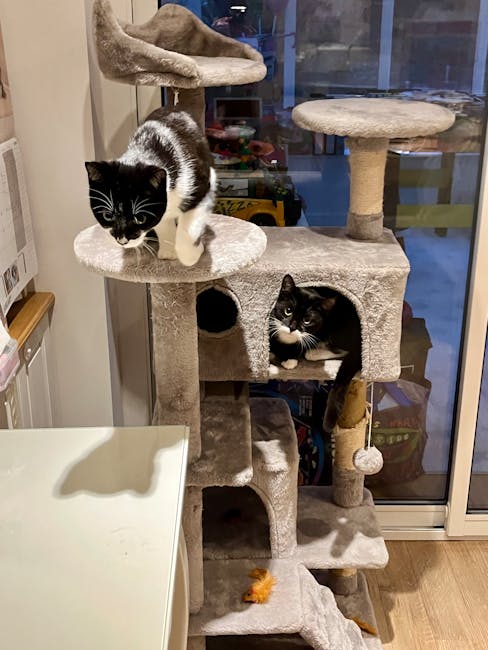
- Provide vertical spaces like cat trees or shelves to encourage climbing and exploration safely.
- Offer a variety of toys and interactive playtime to keep your cat mentally and physically engaged.
- Ensure all windows and balconies are secure to prevent accidental falls.
- Maintain clean litter boxes on each level to promote good hygiene and reduce stress.
Remember, every cat is unique. Work with your veterinarian to develop a preventive care plan tailored to your cat’s lifestyle and health needs in a multi level home.
Common myths and misunderstandings
When it comes to preventive care for cats living in multi level homes, there are a few myths that can cause confusion or unnecessary worry. It’s important to approach these with calm, evidence-informed advice from your veterinarian.
One common misconception is that cats on upper floors don’t need parasite prevention because they are “indoors only.” While indoor cats generally have lower risk, parasites like fleas or ticks can still be brought in on clothing or other pets. Your veterinarian can help determine the best parasite prevention plan based on your cat’s specific environment.
Another myth is that cats don’t need regular dental care if they don’t show obvious signs of dental problems. In reality, dental disease can develop quietly and impact overall health. Routine veterinary check-ups are key to catching issues early.
Some people believe that multi-level homes automatically provide enough mental and physical stimulation for cats. While vertical space is beneficial, cats also need interactive play and environmental enrichment tailored to their personality and needs.
- Preventive care plans should always be personalized with your veterinarian.
- Don’t rely solely on general advice or assumptions about your cat’s lifestyle.
- Regular veterinary visits help ensure your cat stays healthy and happy in a multi-level home.
Life-stage considerations
Preventive care for cats living in multi level homes can vary depending on their life stage. Kittens, adults, and senior cats each have unique needs that should be addressed to keep them healthy and comfortable in a multi-level environment.
Kittens
Young cats are curious and energetic, so it’s important to kitten-proof stairs and balconies to prevent accidents. Early veterinary visits help establish vaccination schedules and parasite prevention tailored to their lifestyle.
Adult cats
Adult cats benefit from regular health check-ups to monitor weight, dental health, and activity levels. In multi-level homes, providing safe access between floors and plenty of stimulation can reduce stress and encourage exercise.
Senior cats
Older cats may have mobility challenges that make navigating stairs difficult. Consider adding ramps or steps to help them move safely. Regular veterinary assessments can catch age-related issues early and adjust preventive care accordingly.
Every cat is unique, and preventive care plans should always be developed in partnership with your veterinarian. They can provide guidance specific to your cat’s age, health status, and living environment to ensure the best possible care.
FAQs
What special considerations are there for preventive care for cats living in multi level homes?
Cats in multi level homes may face unique risks like falls or difficulty accessing resources. Regular veterinary check-ups can help tailor a preventive care plan that keeps your cat safe and healthy in this environment.
How can I make a multi level home safer for my cat?
Consider these tips to reduce risks:
- Secure windows and balconies to prevent falls.
- Provide easy access to food, water, and litter boxes on each level.
- Use ramps or steps for older or less agile cats.
- Offer plenty of vertical spaces like cat trees for climbing and resting.
Should I worry about my cat’s weight or activity in a multi level home?
Physical activity is important for your cat’s health. Multi level homes can encourage climbing and movement, but some cats may still need encouragement to stay active. Discuss your cat’s exercise needs with your veterinarian.
How often should my cat see the vet for preventive care?
Routine veterinary visits are essential for all cats, including those in multi level homes. Your vet can recommend the best schedule based on your cat’s age, health, and living environment.
Can stress affect my cat’s health in a multi level home?
Yes, changes in environment or difficulty navigating levels can cause stress. Providing safe spaces, consistent routines, and veterinary advice can help manage stress and support your cat’s well-being.
Summary
Preventive care for cats living in multi level homes plays a vital role in keeping your feline friend healthy and happy. By working closely with your veterinarian, you can develop a tailored plan that addresses your cat’s unique needs and environment.
Key benefits of preventive care include:
- Early detection of health issues before they become serious
- Maintaining a healthy weight and activity level suited to a multi level home
- Reducing stress through environmental enrichment and safe exploration
- Protecting against parasites and infectious diseases
It’s important to have realistic expectations-preventive care helps reduce risks but cannot guarantee complete avoidance of illness. Regular veterinary check-ups and open communication with your vet team ensure that your cat’s care plan evolves as needed over time.
Remember, every cat is different. Preventive care plans should always be created in partnership with a licensed veterinarian who understands your cat’s lifestyle and health history.
Additional Resources
- Canadian Veterinary Medical Association (CVMA)
- American Veterinary Medical Association (AVMA)
- World Small Animal Veterinary Association (WSAVA)
- Royal Society for the Prevention of Cruelty to Animals (RSPCA)
- Ontario Veterinary College, University of Guelph
Disclaimer: This article provides general information about preventive care for pets and does not replace professional veterinary advice. Always talk to a licensed veterinarian about your pet’s specific needs.