Why some cats need additional vaccines for specific risks

Share
Why some cats need additional vaccines for specific risks
Introduction
Vaccination is an important part of keeping your cat healthy throughout their life. While many cats receive core vaccines that protect against common diseases, some cats may need additional vaccines based on their specific risks. This article explains why some cats need additional vaccines for specific risks and which pets this might apply to.
Vaccination is relevant for all cats, including kittens, adult cats, indoor cats, and those who spend time outdoors or in contact with other animals. Each cat’s lifestyle, environment, and health status can influence their risk of exposure to certain diseases.
It’s important to remember that vaccination plans are tailored by your veterinarian to suit your cat’s individual needs. This information is intended to provide a general understanding and does not replace professional veterinary advice. Always consult your veterinarian to determine the best vaccination approach for your cat.
Reviewed by SASI Vet Vaccination Editorial Board.
What this vaccine protects against
Vaccines designed for specific risks help protect cats from diseases that are not common to all pets but can be serious in certain situations. These illnesses may affect cats differently depending on their lifestyle, environment, or health status.
Some of these diseases can cause severe symptoms such as respiratory problems, digestive upset, or even life-threatening complications. Without protection, cats may experience prolonged illness, require intensive veterinary care, or face long-term health issues.
Because these risks vary, your veterinarian will assess your cat’s individual needs and recommend additional vaccines accordingly. This tailored approach ensures your cat receives protection against diseases relevant to their unique circumstances.
Examples of risks that might require extra vaccination include:
- Exposure to other cats in shelters or multi-cat households
- Outdoor access where contact with wildlife or stray animals is possible
- Travel to areas where certain infections are more common
- Underlying health conditions that increase vulnerability
Working with your veterinarian to develop a vaccination plan helps keep your cat safe and healthy throughout their life.
Why this vaccine is important
Veterinarians often recommend additional vaccines for cats based on specific risks they may face. These vaccines are not always part of the core schedule but play a crucial role in protecting cats from illnesses common in certain environments or lifestyles.
Including these vaccines in your cat’s preventive care plan can:
- Reduce the chance of severe illness caused by particular infections
- Help prevent outbreaks in multi-cat households, shelters, or areas with higher disease exposure
- Protect vulnerable cats, such as those with weakened immune systems or outdoor access
Because every cat’s risk factors differ, vaccination plans are tailored by your veterinarian to suit your pet’s unique needs. This personalized approach ensures your cat receives the right protection without unnecessary vaccines.
Understanding why some cats need additional vaccines for specific risks helps you make informed decisions alongside your veterinarian, supporting your cat’s long-term health and well-being.
Which pets typically need this vaccine
Understanding why some cats need additional vaccines for specific risks starts with considering your pet’s individual lifestyle and environment. Vaccination needs can vary widely between kittens and adult cats, as well as between indoor and outdoor pets.
Kittens often require a series of vaccines to build strong immunity, while adult cats may need booster shots or extra protection depending on their exposure risk. Outdoor cats, or those who spend time in multi-cat environments, are more likely to benefit from additional vaccines targeting diseases common in those settings.
Similarly, dogs-whether puppies or adults-may have different vaccination needs based on their activities and surroundings. Pets living in high-risk environments, such as areas with prevalent infectious diseases or frequent contact with other animals, might require tailored vaccine protection.
Because each pet’s situation is unique, your veterinarian will create a vaccination plan that best suits your pet’s age, lifestyle, and health status. This personalized approach helps ensure your companion receives the right protection without unnecessary vaccines.
How veterinarians decide on a vaccination plan
When considering why some cats need additional vaccines for specific risks, veterinarians take a careful, individual approach to creating a vaccination plan. This plan is tailored to each cat’s unique needs rather than following a one-size-fits-all schedule.
Several important factors guide the decision-making process, including:
- Age: Kittens and senior cats have different immune responses and risk levels.
- Health status: Cats with certain health conditions may require special considerations.
- Prior vaccinations: A cat’s vaccination history helps determine what boosters or additional vaccines might be needed.
- Location: Regional disease risks vary, influencing which vaccines are recommended.
- Lifestyle: Indoor-only cats may have different risks compared to outdoor or multi-cat household cats.
Because vaccine decisions are individualized and based on professional judgment, your veterinarian will discuss the best options for your cat’s health and lifestyle. This ensures your cat receives appropriate protection without unnecessary vaccinations.
Always consult your veterinarian to develop a vaccination plan that is safe, effective, and tailored specifically for your cat.
What owners can expect at a vaccination visit
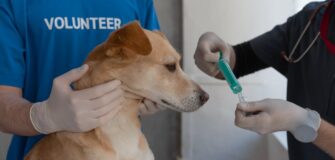
When you bring your cat in for vaccines, including any additional ones for specific risks, the visit typically begins with a thorough physical exam. Your veterinarian will check your cat’s overall health to ensure they are well enough for vaccination.
During the appointment, you can expect questions about your cat’s medical history, lifestyle, and any previous vaccine reactions. This helps your veterinarian tailor a vaccination plan that best suits your cat’s individual needs.
The vaccine is then administered, usually as a quick injection under the skin. Most cats tolerate this well, and the procedure is brief and straightforward.
After the vaccine
- Your cat will be monitored for a short time to watch for any immediate reactions.
- Mild side effects, such as slight swelling at the injection site, mild lethargy, or decreased appetite, can occur but typically resolve quickly.
- Serious reactions are rare, but it’s important to contact your veterinarian if you notice anything unusual after you get home.
Remember, vaccination plans, including why some cats need additional vaccines for specific risks, are created with your veterinarian to keep your pet safe and healthy. Always discuss any concerns or questions you have during the visit.
Common mild vaccine reactions
When considering why some cats need additional vaccines for specific risks, it’s helpful to know that mild reactions to vaccines are quite common and usually short-lived. Most cats tolerate vaccines well, but you might notice a few temporary signs after their appointment.
Typical mild reactions include:
- Slight soreness or swelling at the injection site
- Feeling a bit tired or less playful than usual
- A low-grade fever or mild decrease in appetite
These signs often resolve within a day or two without any treatment. You can gently check the injection area and keep an eye on your cat’s behaviour and eating habits at home.
If your cat seems uncomfortable, you can offer extra rest and ensure they have access to fresh water. However, if you notice any of the following, it’s important to contact your veterinary clinic promptly:
- Swelling that worsens or lasts more than a couple of days
- Difficulty breathing, persistent vomiting, or severe lethargy
- Any unusual or concerning symptoms that worry you
Remember, vaccination plans are tailored by your veterinarian to protect your cat’s health based on their lifestyle and risk factors. Always reach out to your vet with questions or concerns about your cat’s vaccine reactions.
When to contact a veterinarian after vaccination
Vaccinations are an important part of keeping your cat healthy, especially when considering why some cats need additional vaccines for specific risks. Most cats tolerate vaccines well, with only mild, short-lived side effects like slight soreness or tiredness.
However, it’s important to watch for signs that may indicate a more serious reaction. Although uncommon, these reactions require prompt veterinary attention to ensure your cat’s safety and comfort.
Signs to watch for after vaccination
- Severe swelling or lumps at the injection site that worsen or don’t improve
- Repeated vomiting or diarrhoea
- Difficulty breathing, wheezing, or coughing
- Collapse, weakness, or unresponsiveness
- Excessive drooling or facial swelling
If you notice any of these signs, contact your veterinarian immediately. They can provide guidance and care tailored to your cat’s needs.
Remember, vaccination plans are created with your veterinarian to balance protection and safety. Prompt communication after vaccination helps ensure your cat stays healthy and happy.
Long term preventive benefits
Understanding why some cats need additional vaccines for specific risks helps highlight the importance of staying up to date on vaccinations. Regular vaccinations not only protect your cat but also contribute to the health of other pets and the wider community.
Keeping vaccinations current offers several long-term benefits:
- Reduces the spread of contagious diseases: Vaccinated cats are less likely to contract and transmit infections, helping to limit outbreaks.
- Protects at-risk animals: Some cats, such as those with weakened immune systems or outdoor access, may face higher risks and benefit from tailored vaccine plans.
- Supports overall public health: Preventing disease in pets helps reduce the chance of zoonotic infections and promotes a healthier environment for everyone.
Vaccination plans are carefully created with your veterinarian, who considers your cat’s lifestyle, health status, and specific risks. This ensures your cat receives the right protection over time while maintaining safety and effectiveness.
FAQs
Why do some cats need additional vaccines for specific risks?
Cats with certain lifestyles, environments, or health conditions may face unique risks that require extra protection. Your veterinarian will assess your cat’s individual needs and recommend vaccines that help guard against diseases more common in your area or situation.
Are additional vaccines safe for my cat?
Yes, vaccines recommended by your veterinarian are generally safe and carefully chosen to benefit your cat’s health. Like any medical procedure, vaccines can have mild side effects, but serious reactions are rare. Your vet will discuss any concerns and monitor your cat’s response.
How often should my cat receive these additional vaccines?
Vaccination schedules vary depending on the vaccine type, your cat’s age, health, and risk factors. Your veterinarian will create a tailored plan to keep your cat protected without unnecessary vaccinations.
Can indoor cats need extra vaccines too?
Even indoor cats might require additional vaccines if they have contact with other animals, travel, or visit boarding facilities. Discuss your cat’s lifestyle with your vet to determine the best vaccination approach.
What should I do if I’m unsure about my cat’s vaccination needs?
- Talk openly with your veterinarian about your cat’s daily activities and health.
- Ask questions about the benefits and risks of each vaccine.
- Follow your vet’s recommendations for a safe and effective vaccination plan.
Summary
Vaccination plays a vital role in protecting your cat’s health by reducing the risk of serious infectious diseases. While many cats receive a core set of vaccines, why some cats need additional vaccines for specific risks depends on factors like lifestyle, environment, and potential exposure to certain illnesses.
It’s important to have realistic expectations: vaccines help prevent or lessen the severity of disease but do not guarantee complete immunity. Each cat’s vaccine plan is carefully tailored by a veterinarian to balance protection with safety.
To keep your cat’s vaccination up to date and appropriate, regular communication with your veterinarian is essential. This allows adjustments based on changes in your cat’s health, age, or living situation.
- Vaccines are one part of a comprehensive health care plan.
- Discuss any concerns or questions about vaccines with your veterinarian.
- Stay informed about your cat’s specific risks and how vaccination helps manage them.
By working closely with your veterinarian, you can ensure your cat receives the right vaccines at the right time, supporting a long, healthy life.
Additional Resources
- Canadian Veterinary Medical Association (CVMA)
- American Veterinary Medical Association (AVMA)
- World Small Animal Veterinary Association (WSAVA)
- Royal Society for the Prevention of Cruelty to Animals (RSPCA)
- Ontario Veterinary College, University of Guelph
Disclaimer: This article provides general information about vaccinations and preventive care for pets and does not replace professional veterinary advice. Always talk to a licensed veterinarian about your pet’s specific vaccination plan.