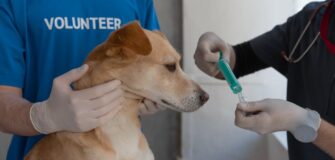
Why yearly wellness exams matter for vaccine planning

Share
Why yearly wellness exams matter for vaccine planning
Introduction
Vaccination is an important part of keeping your pet healthy throughout their life. Whether you have a playful puppy, a curious kitten, an adult dog, or an indoor cat, vaccines help protect against serious diseases. Regular wellness exams allow your veterinarian to create a vaccination plan tailored to your pet’s age, lifestyle, and health needs.
This article explains why yearly wellness exams matter for vaccine planning and how they support your pet’s overall well-being. It’s important to remember that vaccination recommendations can vary widely between pets. This information does not replace advice from your veterinarian, who will consider your pet’s unique situation when suggesting vaccines.
During wellness exams, your veterinarian will:
- Assess your pet’s health and risk factors
- Discuss any concerns you have about vaccines
- Update or adjust vaccine plans as needed
- Provide guidance on other preventive care measures
By attending yearly exams, you help ensure your pet receives the right vaccines at the right time, supporting a long, healthy life.
Reviewed by SASI Vet Vaccination Editorial Board.
What this vaccine protects against
Vaccines are designed to protect your dog or cat from serious infectious diseases that can cause severe illness or even be life-threatening. These diseases often affect vital organs, weaken the immune system, and may lead to long-term health complications if left unprotected.
Common illnesses targeted by vaccines include viral infections, bacterial diseases, and parasites that spread easily among pets. Without vaccination, pets are at higher risk of:
- Developing severe symptoms such as fever, vomiting, or respiratory distress
- Experiencing complications that require intensive veterinary care
- Spreading contagious diseases to other animals in the community
Because each pet’s lifestyle and environment are unique, vaccination plans are carefully tailored with a veterinarian during yearly wellness exams. This approach ensures your pet receives the right protection at the right time, helping to keep them healthy and safe throughout their life.
Understanding why yearly wellness exams matter for vaccine planning can give you peace of mind that your pet’s vaccinations are up to date and appropriate for their individual needs.
Why this vaccine is important
Yearly wellness exams play a crucial role in vaccine planning, helping your veterinarian tailor recommendations to your pet’s current health and lifestyle. Vaccines are often categorized as core or non-core, depending on the risk of exposure and severity of disease. Including vaccines as part of a regular health check helps reduce the chance of severe illness and protects not only your pet but also the wider community of animals.
Vaccination benefits include:
- Reducing the risk of serious infections that can cause lasting harm or be life-threatening
- Preventing outbreaks of contagious diseases in places where pets gather
- Protecting vulnerable animals such as puppies, kittens, seniors, or those with weakened immune systems
- Supporting overall pet health by complementing other preventive care measures
Because each pet’s needs differ, vaccination plans are created with a veterinarian during wellness exams. This ensures your pet receives the most appropriate protection based on their age, environment, and health status. Regular check-ups also allow timely updates to vaccine protocols as new information and products become available.
Which pets typically need this vaccine
Understanding why yearly wellness exams matter for vaccine planning helps ensure your pet stays protected throughout their life. Vaccination needs can vary widely depending on your pet’s species, age, lifestyle, and environment.
Dogs
Puppies usually begin vaccinations early to build immunity, but adult dogs also require boosters to maintain protection. Dogs that spend time outdoors, socializing with other dogs, or visiting dog parks may have different vaccine needs than those living mostly indoors.
Cats
Kittens start their vaccine series young, while adult cats need periodic updates. Indoor cats generally face lower risks, but those with outdoor access or living in multi-cat households might need additional protection.
Other considerations
- Pets in high-risk environments, such as shelters or boarding facilities, often require more comprehensive vaccination plans.
- Travel or exposure to wildlife can influence vaccine recommendations.
- Underlying health conditions may affect timing and choice of vaccines.
Because every pet’s situation is unique, your veterinarian will tailor a vaccine schedule during yearly wellness exams to best suit your pet’s individual needs and lifestyle.
How veterinarians decide on a vaccination plan
Yearly wellness exams play an important role in vaccine planning for your pet. During these visits, your veterinarian considers several factors to create a vaccination plan tailored specifically to your pet’s needs.
Key elements that influence vaccine decisions include:
- Age: Puppies, kittens, adults, and senior pets have different vaccine requirements.
- Health status: Current health and any underlying conditions can affect vaccine choices.
- Prior vaccines: Your pet’s vaccination history helps determine which vaccines are needed or due.
- Location: Regional risks for certain diseases influence vaccine recommendations.
- Lifestyle: Pets that spend time outdoors, travel, or interact with other animals may need additional protection.
Because each pet is unique, vaccination plans are individualized and based on professional judgment. Your veterinarian will discuss the benefits and any potential risks, ensuring the best protection for your companion.
Remember, why yearly wellness exams matter for vaccine planning is because they allow your veterinarian to review and update your pet’s care as needed, keeping them healthy and safe throughout their life.
What owners can expect at a vaccination visit
Yearly wellness exams play an important role in vaccine planning and overall pet health. During a vaccination visit, your veterinarian will begin with a thorough physical exam to check your pet’s general condition and identify any health concerns that might affect vaccination decisions.
You can expect your veterinarian to ask questions about your pet’s medical history, lifestyle, and any previous reactions to vaccines. This helps tailor a vaccination plan that is safe and appropriate for your pet’s unique needs.
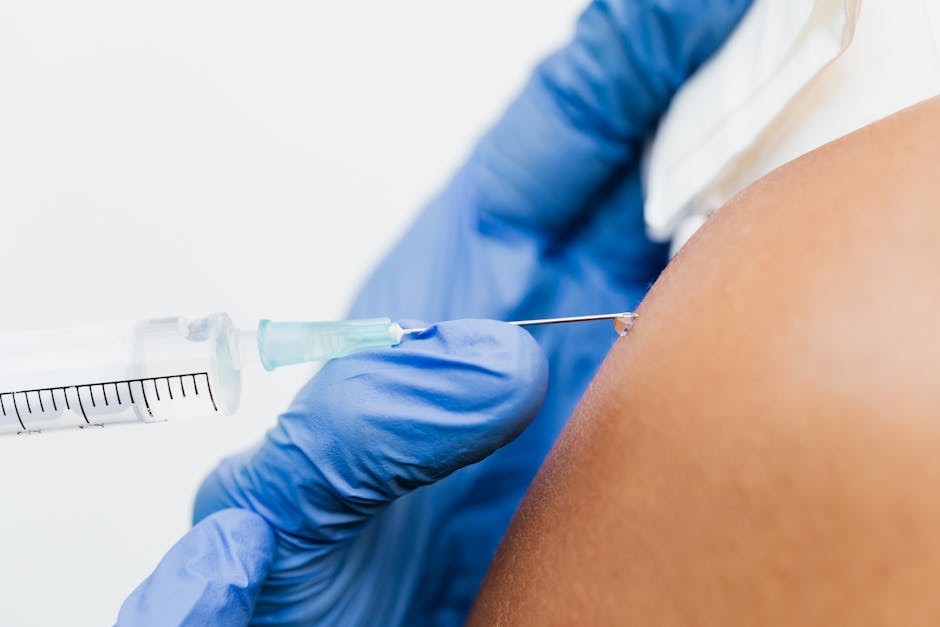
The vaccination itself is a quick process, usually involving a single injection. After the vaccine is given, your pet will be monitored briefly to watch for any immediate reactions. Mild, short-term side effects such as soreness at the injection site, slight lethargy, or decreased appetite can occur but typically resolve quickly.
Remember, vaccination plans are created with your veterinarian to ensure your pet receives the right protection at the right time. Regular wellness exams provide the best opportunity to review and update these plans, keeping your pet healthy and protected year after year.
Common mild vaccine reactions
When considering why yearly wellness exams matter for vaccine planning, it’s helpful to understand that mild reactions after vaccination are fairly common and usually short-lived. These reactions are a normal sign that your pet’s immune system is responding to the vaccine.
Typical mild reactions may include:
- Slight soreness or swelling at the injection site
- Temporary tiredness or reduced activity
- A low-grade fever
- Decreased appetite for a day or two
Most pets recover quickly without any treatment. You can monitor your pet at home by checking the injection site for redness or swelling and observing their behaviour and appetite.
If you notice any of the following, contact your veterinary clinic promptly:
- Swelling that worsens or lasts more than a couple of days
- Persistent vomiting or diarrhoea
- Difficulty breathing or excessive swelling of the face or neck
- Unusual lethargy lasting more than 24 hours
Remember, vaccination plans are carefully tailored by your veterinarian during yearly wellness exams to keep your pet safe and healthy. Always reach out to your veterinary team with any concerns after vaccination.
When to contact a veterinarian after vaccination
Yearly wellness exams matter for vaccine planning because they help your veterinarian tailor vaccinations to your pet’s needs and monitor their health closely. While vaccines are generally very safe, it’s important to know when to seek veterinary care after your pet receives a vaccine.
Most pets experience only mild, short-lived side effects such as slight soreness at the injection site or mild tiredness. However, some reactions, though uncommon, require immediate attention. Contact your veterinarian right away if your pet shows any of the following signs after vaccination:
- Severe swelling or lumps at the injection site
- Repeated vomiting or diarrhoea
- Difficulty breathing, wheezing, or coughing
- Collapse, weakness, or unresponsiveness
- Excessive drooling or facial swelling
These symptoms could indicate an allergic reaction or other serious issue. Prompt veterinary care is essential to ensure your pet’s safety and well-being. Remember, your veterinarian is your best resource for creating a vaccination plan that balances protection with your pet’s individual health needs.
Long term preventive benefits
Regular wellness exams play a key role in keeping your pet healthy and safe. Why yearly wellness exams matter for vaccine planning is clear: these visits help ensure your pet stays up to date on vaccinations that protect against contagious diseases.
By maintaining current vaccinations, you help reduce the spread of illnesses within your community. This is especially important for animals that are more vulnerable, such as seniors, young pets, or those with weakened immune systems.
Vaccination is not just about individual protection-it supports overall public health by limiting outbreaks and protecting other pets and people. During wellness exams, your veterinarian will assess your pet’s lifestyle, health status, and risk factors to tailor a vaccination plan that best suits their needs.
- Prevents transmission of contagious diseases
- Protects at-risk animals in your household and community
- Supports broader public health efforts
- Allows your veterinarian to monitor health changes and adjust care
Always consult your veterinarian to create a vaccination plan that is safe and effective for your pet’s unique situation. Staying proactive with yearly wellness exams is a simple way to help your pet live a longer, healthier life.
FAQs
Why are yearly wellness exams important for vaccine planning?
Yearly wellness exams allow your veterinarian to assess your pet’s overall health and update vaccination plans as needed. These visits help ensure your pet receives the right vaccines at the right time, based on their age, lifestyle, and risk factors.
Can my pet skip vaccines if they seem healthy?
Even healthy pets benefit from vaccines because they protect against diseases that may not show symptoms immediately. Your veterinarian will recommend vaccines tailored to your pet’s specific needs during wellness exams.
Are vaccines safe for my pet?
Vaccines are generally very safe and play a key role in preventing serious illnesses. Your veterinarian will discuss any concerns and monitor your pet for rare side effects during and after vaccination.
How do veterinarians decide which vaccines my pet needs?
Vaccine decisions are based on factors such as your pet’s age, breed, health status, environment, and lifestyle. Yearly wellness exams provide the opportunity to review these factors and adjust vaccine plans accordingly.
What should I do if my pet has a reaction to a vaccine?
- Contact your veterinarian immediately if you notice unusual symptoms after vaccination.
- Most reactions are mild and temporary, but prompt care ensures your pet stays safe.
Summary
Yearly wellness exams play a key role in keeping your pet healthy and ensuring their vaccination plan is up to date. These regular check-ups allow your veterinarian to assess your pet’s overall health, discuss any changes in lifestyle or environment, and tailor vaccine recommendations accordingly.
Understanding why yearly wellness exams matter for vaccine planning helps set realistic expectations. Vaccines protect pets from serious diseases, but the best approach depends on factors like age, breed, health status, and risk of exposure. This is why a one-size-fits-all schedule is not ideal.
During each visit, your veterinarian will:
- Review your pet’s medical history and previous vaccinations
- Evaluate current health and any potential risks
- Discuss vaccine benefits and possible side effects
- Adjust the vaccine plan to suit your pet’s unique needs
Open communication with your veterinarian ensures your pet receives the most appropriate protection while avoiding unnecessary vaccinations. Always consult your veterinary team to create and maintain a safe, effective vaccine plan tailored specifically for your pet.
Additional Resources
- Canadian Veterinary Medical Association (CVMA)
- American Veterinary Medical Association (AVMA)
- World Small Animal Veterinary Association (WSAVA)
- Royal Society for the Prevention of Cruelty to Animals (RSPCA)
- Ontario Veterinary College, University of Guelph
Disclaimer: This article provides general information about vaccinations and preventive care for pets and does not replace professional veterinary advice. Always talk to a licensed veterinarian about your pet’s specific vaccination plan.