How to recognize sarcoptic mange in dogs and early warning signs at home

Share
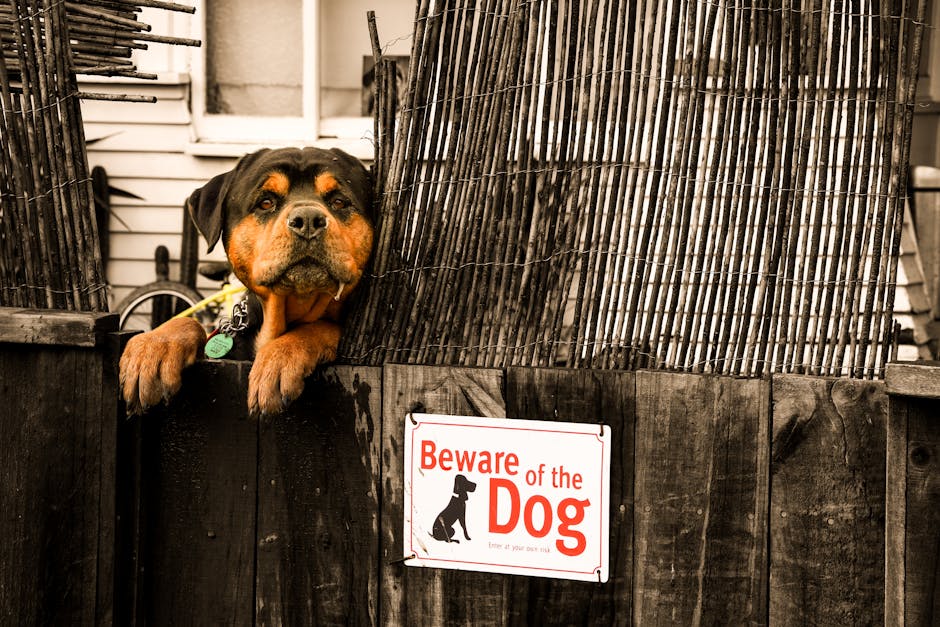
how to recognize sarcoptic mange in dogs and early warning signs at home
Introduction
Sarcoptic mange is a skin condition caused by tiny mites that can affect dogs of all ages and breeds. It is important for pet owners to understand how to recognize sarcoptic mange in dogs and early warning signs at home to ensure their pet’s comfort and health. While sarcoptic mange primarily affects dogs, it can sometimes cause mild irritation in humans, making timely control essential.
This condition leads to intense itching, redness, and hair loss, which can be very uncomfortable for your dog. Early detection and treatment help prevent the problem from worsening and reduce the risk of spreading to other pets or family members.
Remember, this information is meant to help you identify possible signs of sarcoptic mange but does not replace professional veterinary advice. Only a licensed veterinarian can confirm a diagnosis and recommend an appropriate parasite control plan tailored to your dog’s needs.
Key points to keep in mind:
- Sarcoptic mange is caused by microscopic mites that burrow into the skin.
- It causes intense itching and skin irritation.
- Early recognition helps protect your dog’s health and comfort.
- Consult your veterinarian for diagnosis and treatment options.
Reviewed by SASI Vet Parasite Editorial Board.
What this parasite is
Sarcoptic mange is caused by tiny mites that live on the skin of dogs. These mites are microscopic, meaning you can’t see them with the naked eye. They burrow into the top layers of the skin, where they feed and lay eggs. This makes the skin itchy and irritated.
These mites are a type of parasite that survives by living on your dog’s skin. They thrive in warm, moist environments and spread easily through close contact with other animals. Because they burrow under the skin, they can cause intense itching and discomfort.
Understanding how to recognize sarcoptic mange in dogs and early warning signs at home can help you notice when your pet might need veterinary care. It’s important to remember that only a veterinarian can confirm a diagnosis and recommend the best treatment plan.
Key points about sarcoptic mange mites:
- They are tiny parasites that live on and under the skin.
- They cause itching, redness, and sometimes hair loss.
- They spread through close contact with infected animals.
- They cannot survive long away from a host.
Parasite control plans should always be developed with your veterinarian to ensure your dog’s health and comfort.
How pets become infected or exposed
Understanding how to recognize sarcoptic mange in dogs and early warning signs at home starts with knowing how pets become infected. Sarcoptic mange is caused by a microscopic mite that can spread easily between animals and through the environment.
Common ways pets pick up this parasite include:
- Direct contact with an infected dog or other animals, including wildlife.
- Exposure to contaminated bedding, grooming tools, or surfaces where mites can survive briefly.
- Outdoor access, especially in areas frequented by wildlife or other dogs.
- Close contact with other pets in multi-animal households or boarding facilities.
Risk factors that increase the chance of exposure include:
- Lack of regular parasite prevention and veterinary check-ups.
- Frequent outdoor activity without supervision.
- Living in or visiting areas with known mange outbreaks.
Because sarcoptic mange can spread quickly and cause discomfort, it’s important to work with your veterinarian to develop a parasite control plan tailored to your pet’s lifestyle and risk factors. Early recognition and professional care help keep your pet comfortable and healthy.
Typical signs and symptoms
Recognizing how to recognize sarcoptic mange in dogs and early warning signs at home can help you seek veterinary care promptly. Sarcoptic mange is caused by tiny mites that burrow into the skin, leading to noticeable irritation and discomfort.
Common signs you might observe include:
- Intense itching and scratching, often worsening at night
- Redness and inflammation of the skin
- Hair loss, especially around the ears, elbows, and abdomen
- Scaly or crusty patches on the skin
- Restlessness or changes in behaviour due to discomfort
It’s important to remember that some infections may start quietly, with very subtle or no visible signs at first. This “silent” phase means your dog might be affected before symptoms become obvious.
If you notice any of these signs or suspect your dog may have sarcoptic mange, consult your veterinarian. They can confirm the diagnosis and help develop a safe, effective parasite control plan tailored to your pet’s needs.
When it may be an emergency
Recognizing how to recognize sarcoptic mange in dogs and early warning signs at home is important, but some symptoms require urgent veterinary attention. While mange itself is uncomfortable and contagious, certain signs may indicate a more serious health issue that needs immediate care.
If your dog shows any of the following, please seek veterinary help right away:
- Severe lethargy or weakness
- Difficulty breathing or rapid breathing
- Pale or bluish gums
- Heavy vomiting or diarrhea
- Collapse or inability to stand
- Signs of severe blood loss or anaemia, such as weakness or fainting
These symptoms could signal complications beyond mange, including infections or systemic illness. Early veterinary assessment ensures your dog receives appropriate care and prevents worsening of their condition.
Remember, parasite control plans and treatment decisions should always be made in partnership with a licensed veterinarian. Never attempt to diagnose or treat severe symptoms at home without professional guidance.
How veterinarians diagnose parasite problems
If you’re wondering how to recognize sarcoptic mange in dogs and early warning signs at home, it’s important to know that a veterinarian’s diagnosis involves several careful steps. Parasite issues can sometimes look like other skin or health problems, so a thorough investigation is key.
During a veterinary visit, the process often includes:
- Physical examination: The vet will check your dog’s skin, coat, and overall health for signs of irritation, hair loss, or redness.
- Skin scrapings: Small samples of skin may be gently collected to look for mites or other parasites under a microscope.
- Fecal tests: These help identify intestinal parasites that might not be visible on the skin.
- Blood tests: Sometimes used to detect parasites that affect internal organs or to assess your dog’s general health.
- Imaging: In rare cases, X-rays or ultrasounds may be recommended to investigate deeper health concerns.
Remember, only a licensed veterinarian can accurately diagnose and recommend a safe, effective parasite control plan tailored to your dog’s needs. If you notice any early warning signs at home, such as persistent itching or skin changes, it’s best to seek professional advice promptly.
General treatment approaches
When learning how to recognize sarcoptic mange in dogs and early warning signs at home, it’s important to understand that effective treatment requires veterinary guidance. Veterinarians tailor parasite control plans to each dog’s specific needs, ensuring safe and effective care.
Common treatment strategies for sarcoptic mange often include:
- Prescription parasite control products designed to eliminate the mites causing the mange
- Supportive care to soothe skin irritation and promote healing
- Follow-up testing to confirm that the infestation has cleared and to monitor recovery
Because sarcoptic mange can be highly contagious and uncomfortable for your dog, prompt veterinary evaluation is essential. Avoid attempting home remedies or over-the-counter treatments without professional advice, as these may be ineffective or harmful.
Remember, only a licensed veterinarian can choose the right product and treatment protocol based on your dog’s health status and the severity of the condition. Early recognition and timely veterinary care help ensure the best outcome for your furry friend.
Home care and cleaning the environment
When learning how to recognize sarcoptic mange in dogs and early warning signs at home, it’s important to support your pet’s treatment with careful home care and cleaning. While veterinary guidance is essential for managing mange, you can help reduce the risk of re-infestation by keeping your pet’s environment clean and comfortable.
Here are some safe steps to follow:
- Wash your dog’s bedding and favourite blankets regularly in hot water to remove mites and eggs.
- Vacuum carpets, rugs, and furniture thoroughly to reduce mites in your home. Dispose of vacuum bags or empty canisters promptly.
- Clean litter boxes and pet areas frequently to maintain hygiene, especially if you have multiple pets.
- Check other pets in the household for signs of skin irritation or itching, and consult your veterinarian if you notice any concerns.
- Always follow your veterinarian’s advice regarding treatment and environmental cleaning products. Avoid using harsh chemicals or human products without professional guidance.
Remember, parasite control plans are tailored by your veterinarian to suit your pet’s specific needs. Home care is a helpful complement but never a replacement for veterinary treatment.
Preventing future infestations
Understanding how to recognize sarcoptic mange in dogs and early warning signs at home is important, but preventing future infestations is equally essential. Ongoing prevention helps keep your dog comfortable and reduces the risk of recurring skin issues.
Here are some key strategies to help protect your dog:
- Regular veterinary checkups: Routine exams allow your veterinarian to spot early signs of mange or other parasites before they become severe.
- Appropriate parasite prevention products: Use parasite control products recommended by your veterinarian. These are tailored to your dog’s lifestyle and risk factors.
- Environmental control: Keep your dog’s living areas clean and dry. Regularly wash bedding and vacuum to reduce mites and other parasites in the environment.
- Routine monitoring: Check your dog’s skin and coat regularly for any unusual redness, itching, or hair loss. Early detection is key.
- Safe outdoor habits: Limit contact with stray or unknown animals and avoid areas known to have parasite problems.
Remember, parasite control is an ongoing process. Work closely with your veterinarian to develop a prevention plan that suits your dog’s needs and lifestyle. This approach helps ensure your pet stays healthy and comfortable long term.
Risks to other pets and people
Sarcoptic mange is a contagious skin condition caused by mites that can spread between dogs through close contact. Understanding how to recognize sarcoptic mange in dogs and early warning signs at home helps pet owners act quickly to protect all animals in the household.
These mites can also occasionally affect other pets, such as cats, and in rare cases, humans. When transmission to people occurs, it usually causes mild, temporary skin irritation rather than a persistent infection.
If you notice signs of sarcoptic mange in your dog, such as intense itching, redness, or hair loss, it’s important to:
- Avoid direct contact between the affected dog and other pets or family members.
- Consult your veterinarian promptly for diagnosis and a tailored parasite control plan.
- Speak with your physician if you or a family member develop any unusual skin symptoms.
Remember, early veterinary care is essential to manage sarcoptic mange effectively and reduce the risk of spread. Your veterinarian will guide you on safe treatment options and environmental measures to protect everyone in your home.
FAQs
What is sarcoptic mange in dogs?
Sarcoptic mange is a skin condition caused by tiny mites that burrow into a dog’s skin. It leads to intense itching, redness, and hair loss. This condition is contagious and can spread to other pets and people, so early recognition is important.
How can I recognize sarcoptic mange in dogs and early warning signs at home?
Look for persistent itching, especially around the ears, elbows, and belly. Early signs include redness, small bumps, and hair thinning. Your dog may scratch, bite, or lick these areas more than usual. If you notice these signs, contact your veterinarian promptly.
Can sarcoptic mange be prevented?
While there’s no guaranteed way to prevent sarcoptic mange, good parasite control and regular veterinary check-ups help reduce the risk. Avoid contact with infected animals and maintain a clean environment for your pet.
Is sarcoptic mange dangerous for my dog?
It can cause discomfort and skin infections if untreated, but with veterinary care, most dogs recover well. Early treatment is key to preventing complications.
Should I treat sarcoptic mange at home?
Home treatments are not recommended as they may not fully eliminate the mites and could delay proper care. Always work with your veterinarian to develop a safe and effective treatment plan tailored to your dog’s needs.
Summary
Recognizing sarcoptic mange in dogs early is key to ensuring your pet receives prompt veterinary care. This skin condition often causes intense itching, redness, and hair loss, but symptoms can vary. If you notice any unusual scratching or skin changes, it’s important to consult your veterinarian rather than attempting home treatments.
Early veterinary diagnosis and treatment help reduce discomfort and prevent the spread of mites to other pets or family members. Long-term prevention relies on a parasite control plan tailored by your veterinarian, which may include regular check-ups and appropriate parasite preventives.
Remember, while it’s natural to want to help your dog quickly, only a licensed veterinarian can provide a safe and effective treatment plan. Staying observant and seeking professional advice ensures the best outcome for your dog’s health and comfort.
Additional Resources
- Canadian Veterinary Medical Association (CVMA) – www.canadianveterinarians.net
- American Veterinary Medical Association (AVMA) – www.avma.org
- World Small Animal Veterinary Association (WSAVA) – www.wsava.org
- Centers for Disease Control and Prevention (CDC) – Parasites and Zoonotic Diseases – www.cdc.gov/parasites
- Ontario Veterinary College, University of Guelph – Companion Animal Parasite Control – www.ovc.uoguelph.ca
Disclaimer: This article provides general information about parasites and parasite prevention for pets and does not replace professional veterinary advice. Always talk to a licensed veterinarian about your pet’s specific situation.