Demodectic mange in dogs diagnosis treatment overview for pet owners

Share
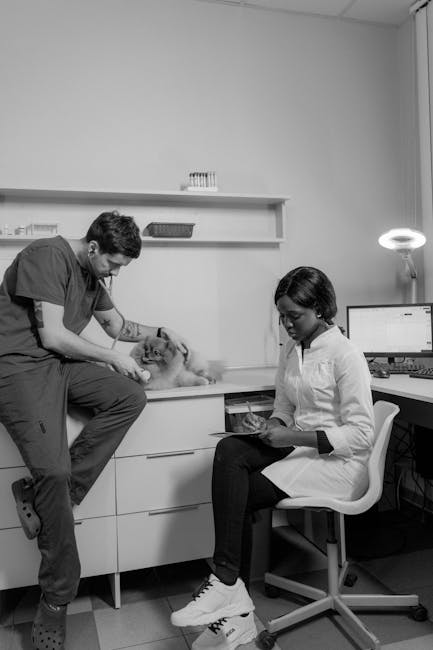
demodectic mange in dogs diagnosis treatment overview for pet owners
Introduction
Demodectic mange in dogs diagnosis treatment overview for pet owners is an important topic for anyone caring for a dog. Demodectic mange is a skin condition caused by tiny mites that naturally live on dogs but can sometimes multiply and cause irritation. While it mainly affects dogs, it is not contagious to people or other pets.
Understanding this condition helps pet owners recognize when their dog might need veterinary care. Parasite control is essential not only for your dog’s comfort but also for their overall health. Left untreated, demodectic mange can lead to skin infections and discomfort.
It’s important to remember that this information is for general awareness and does not replace professional veterinary advice. Every dog is unique, and parasite control plans should always be developed in partnership with a licensed veterinarian. They can provide accurate diagnosis and recommend safe, effective treatment options tailored to your dog’s needs.
Reviewed by SASI Vet Parasite Editorial Board.
What this parasite is
Demodectic mange in dogs diagnosis treatment overview for pet owners begins with understanding the parasite involved. Demodectic mange is caused by tiny mites called Demodex that naturally live on a dog’s skin. These mites are microscopic and usually harmless when present in small numbers.
Unlike fleas or ticks, Demodex mites do not jump or crawl from pet to pet easily. They live deep within hair follicles and oil glands, feeding on skin cells and oils. Most dogs carry a few mites without any problems because their immune system keeps them in check.
Sometimes, however, the mites multiply excessively, leading to skin irritation and hair loss. This overgrowth can happen if a dog’s immune system is weakened or immature, but it is not contagious to humans or other pets in most cases.
Key points about these mites:
- They are microscopic skin mites, not fleas or ticks.
- They live inside hair follicles and oil glands.
- Usually harmless in small numbers.
- Overgrowth causes demodectic mange symptoms.
- Immune system health plays a major role.
Because demodectic mange can look like other skin problems, a veterinarian’s guidance is essential to confirm the diagnosis and develop a safe, effective parasite control plan tailored to your dog’s needs.
How pets become infected or exposed
Demodectic mange in dogs diagnosis treatment overview for pet owners begins with understanding how pets become infected or exposed. This skin condition is caused by microscopic mites that naturally live on a dog’s skin in small numbers. Usually, these mites do not cause problems, but certain factors can lead to an overgrowth and skin issues.
Pets can become exposed to these mites through:
- Close contact with their mother during the first few weeks of life, as mites are often passed from mother to puppy.
- Contact with other dogs that carry the mites, especially in environments where many dogs gather.
- Weakened immune systems, which can allow mites to multiply unchecked.
Risk factors that increase the chance of developing demodectic mange include:
- Young age, since puppies have immature immune systems.
- Underlying health conditions or stress that affect immunity.
- Lack of regular veterinary parasite prevention and health checks.
- Outdoor access and interaction with other animals, which may expose pets to additional parasites or infections.
Because demodectic mange involves complex factors, it’s important to work with a veterinarian to develop a parasite control plan tailored to your pet’s needs. Early veterinary assessment and care are key to managing this condition safely and effectively.
Typical signs and symptoms
Demodectic mange in dogs diagnosis treatment overview for pet owners often begins with recognising common signs that may appear on your dog’s skin. This condition is caused by microscopic mites living in hair follicles, which can lead to noticeable changes in your pet’s coat and skin health.
Typical signs you might observe include:
- Patchy hair loss, often starting on the face, around the eyes, or on the legs
- Redness or inflammation of the skin
- Scaly or crusty skin areas
- Itching, although some dogs may not scratch much
- Thickened or wrinkled skin in more severe cases
It’s important to know that some dogs with demodectic mange may show very subtle signs or none at all initially. In these cases, the infection can be “silent” and only detected during a veterinary examination.
If you notice any skin changes or unusual behaviour in your dog, it’s best to consult your veterinarian. They can perform appropriate tests and develop a safe, effective parasite control plan tailored to your pet’s needs. Early veterinary care helps manage symptoms and supports your dog’s comfort and health.
When it may be an emergency
Demodectic mange in dogs diagnosis treatment overview for pet owners highlights the importance of timely veterinary care. While mange itself often develops gradually, certain signs mean your dog needs urgent attention from a veterinarian.
Seek emergency care if your dog shows any of the following symptoms:
- Severe lethargy or weakness
- Difficulty breathing or rapid breathing
- Pale or bluish gums, which may indicate poor oxygenation or blood loss
- Heavy vomiting or persistent diarrhoea
- Collapse or inability to stand
- Signs of severe blood loss or anaemia, such as weakness, rapid heart rate, or fainting
These signs could indicate complications beyond mange, such as secondary infections or systemic illness, requiring immediate veterinary evaluation. Remember, parasite control plans and treatments should always be developed in partnership with your veterinarian to ensure your dog’s safety and well-being.
How veterinarians diagnose parasite problems
If your dog shows signs of skin issues or other health concerns, your veterinarian will carefully investigate to determine the cause, including the possibility of demodectic mange in dogs diagnosis treatment overview for pet owners. Diagnosis typically begins with a thorough physical examination to assess the skin and overall health.
To identify parasites, veterinarians may use several diagnostic tools, such as:
- Skin scrapings: Collecting small samples from affected areas to look for mites under a microscope.
- Fecal tests: Checking stool samples for intestinal parasites.
- Blood tests: Evaluating general health and detecting certain parasite infections.
- Imaging: Using X-rays or ultrasound if internal parasites or complications are suspected.
These tests help your veterinarian understand the type and extent of the parasite problem. It’s important to remember that only a licensed veterinarian can interpret these results and recommend an appropriate treatment plan tailored to your pet’s needs.
Never attempt to diagnose or treat parasite issues at home without professional guidance. Working closely with your veterinarian ensures the best care and safety for your dog.
General treatment approaches
When it comes to demodectic mange in dogs diagnosis treatment overview for pet owners, understanding the general treatment approaches can help you feel more prepared. Treatment typically involves a combination of strategies tailored by your veterinarian based on your dog’s specific condition and overall health.
Common treatment components may include:
- Prescription parasite control products: These are specially formulated to target the mites causing demodectic mange. Only a veterinarian can determine the safest and most effective product for your dog.
- Supportive care: This may involve managing any secondary skin infections, soothing irritated skin, and ensuring your dog’s comfort throughout the healing process.
- Follow-up testing: Regular veterinary check-ups and skin scrapings help monitor progress and adjust treatment as needed.
It’s important to remember that demodectic mange treatment is not one-size-fits-all. Your veterinarian will create a parasite control plan that considers your dog’s unique needs. Avoid using home remedies or over-the-counter products without veterinary guidance, as these can sometimes worsen the condition.
Always consult your veterinarian for a proper diagnosis and to discuss the best treatment options for your dog’s health and well-being.
Home care and cleaning the environment
When managing demodectic mange in dogs diagnosis treatment overview for pet owners, maintaining a clean and comfortable home environment is an important part of supporting your pet’s recovery. While veterinary care is essential, there are safe steps you can take at home to help reduce the risk of reinfestation and keep your dog comfortable.
Here are some general home care tips to consider:
- Wash bedding regularly: Use warm water and pet-safe detergent to clean your dog’s bedding and any blankets or cushions they use. This helps remove mites and skin debris.
- Vacuum frequently: Vacuum carpets, rugs, and furniture to reduce mites and hair in your home. Dispose of vacuum bags or empty canisters promptly.
- Clean litter boxes and pet areas: If you have cats or other pets, keep their spaces clean to prevent cross-contamination and monitor them for any skin changes.
- Check other pets: Although demodectic mange is usually not contagious, it’s wise to have your veterinarian examine other pets to rule out any skin issues.
- Follow your veterinarian’s advice: Always adhere to the treatment plan and recommendations provided by your veterinarian. Avoid using harsh chemicals or human products without veterinary guidance.
Remember, a clean environment combined with veterinary care helps support your dog’s healing and comfort during treatment for demodectic mange.
Preventing future infestations
Managing demodectic mange in dogs diagnosis treatment overview for pet owners includes understanding that prevention is an ongoing process. While treatment addresses current issues, preventing future infestations requires consistent care and attention.
Here are some key strategies to help reduce the risk of recurrence:
- Regular veterinary checkups: Routine visits allow your veterinarian to monitor your dog’s skin health and catch any early signs of mite-related problems before they worsen.
- Appropriate parasite prevention products: Use parasite control products recommended by your veterinarian. These products help maintain your dog’s overall skin and coat health and may reduce the chance of mite overgrowth.
- Environmental control: Keep your dog’s living areas clean and dry. Regularly wash bedding and vacuum spaces where your dog spends time to minimize environmental mite exposure.
- Routine monitoring: Observe your dog’s skin regularly for any redness, hair loss, or irritation. Early detection can lead to quicker veterinary intervention.
- Safe outdoor habits: Limit your dog’s contact with unknown animals or environments that may harbour parasites.
Remember, parasite control plans should always be developed in partnership with your veterinarian to ensure the best care for your dog’s unique needs.
Risks to other pets and people
Demodectic mange in dogs diagnosis treatment overview for pet owners often raises questions about whether this condition can spread to other pets or people. Demodectic mange is caused by a type of mite that normally lives on dogs’ skin in small numbers without causing problems. It is not considered contagious in the usual sense and rarely spreads between healthy animals.
However, dogs with weakened immune systems or underlying health issues may develop more severe mange, which can sometimes be a concern for other pets in the household. It’s important to monitor all pets closely and maintain regular veterinary check-ups to manage any skin conditions effectively.
Regarding human health, demodectic mange mites are species-specific and do not typically infest people. If you notice any unusual skin irritation or symptoms on yourself or family members, it’s best to consult a physician for proper evaluation.
To keep everyone safe and comfortable:
- Discuss any concerns about skin conditions with your veterinarian.
- Follow a parasite control plan tailored by your veterinarian for your pets.
- Maintain good hygiene and regular grooming for your pets.
- Seek medical advice promptly if you or your family experience unexplained skin issues.
Remember, your veterinarian is the best resource for guidance on managing demodectic mange and protecting the health of all pets in your home.
FAQs
What is demodectic mange in dogs?
Demodectic mange is a skin condition caused by tiny mites that normally live on dogs without causing problems. When a dog’s immune system is weakened or immature, these mites can multiply and cause hair loss, redness, and irritation.
How is demodectic mange diagnosed?
A veterinarian diagnoses demodectic mange by examining skin scrapings under a microscope to look for mites. Diagnosis may also include assessing the dog’s overall health to determine if other factors are contributing.
Can demodectic mange be treated successfully?
Yes, many dogs respond well to treatment. Treatment plans vary depending on the severity and may include medicated baths, oral medications, or other therapies prescribed by a veterinarian. Regular follow-up is important to monitor progress.
Is demodectic mange contagious to other pets or people?
Demodectic mange is generally not contagious to other pets or people because the mites are part of a dog’s normal skin flora and only cause problems when the immune system is compromised.
How can I help prevent demodectic mange in my dog?
- Maintain your dog’s overall health with good nutrition and regular veterinary check-ups.
- Follow your veterinarian’s advice for parasite control and skin care.
- Address any underlying health issues promptly.
Always work with your veterinarian to create a parasite control plan tailored to your dog’s needs, including managing conditions like demodectic mange in dogs diagnosis treatment overview for pet owners.
Summary
Demodectic mange in dogs diagnosis treatment overview for pet owners highlights the importance of early recognition and timely veterinary care. This skin condition, caused by microscopic mites, can vary in severity and requires professional evaluation to determine the best approach.
Key points to remember include:
- Watch for signs such as hair loss, redness, or itching, especially in puppies or dogs with weakened immune systems.
- Consult your veterinarian promptly if you notice any suspicious skin changes.
- Diagnosis typically involves skin scrapings and microscopic examination by a veterinary professional.
- Treatment plans are tailored to your dog’s specific needs and may involve medicated baths, oral medications, or other therapies prescribed by your veterinarian.
- Long-term prevention focuses on maintaining your dog’s overall health and immune function, as well as following your veterinarian’s recommendations for parasite control.
Remember, while demodectic mange can be concerning, many dogs respond well to treatment when managed under veterinary guidance. Working closely with your veterinarian ensures the best outcome for your pet’s skin health and comfort.
Additional Resources
- Canadian Veterinary Medical Association
- American Veterinary Medical Association
- World Small Animal Veterinary Association (WSAVA)
- Centers for Disease Control and Prevention – Parasites
- UC Davis Veterinary Medicine Teaching Hospital
Disclaimer: This article provides general information about parasites and parasite prevention for pets and does not replace professional veterinary advice. Always talk to a licensed veterinarian about your pet’s specific situation.