How to recognize roundworms in cats and early warning signs at home

Share
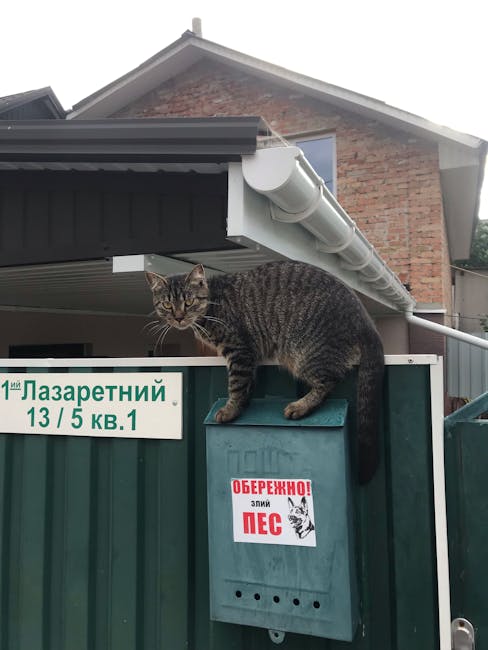
how to recognize roundworms in cats and early warning signs at home
Introduction
Roundworms are common intestinal parasites that can affect cats of all ages, from kittens to adults. Understanding how to recognize roundworms in cats and early warning signs at home is important for keeping your feline friend comfortable and healthy. While roundworms primarily affect cats, they can also pose a risk to people, especially young children, making parasite control a shared responsibility for pet and family health.
Parasite control is essential because roundworms can cause digestive upset, poor growth in kittens, and other health issues if left untreated. Early detection helps ensure prompt veterinary care, which is the safest and most effective way to manage these parasites.
Remember, this information is intended to help you recognize possible signs of roundworms but does not replace professional veterinary advice. Only a licensed veterinarian can diagnose and recommend the best parasite control plan tailored to your cat’s needs.
Key points to keep in mind:
- Roundworms are common in cats and can affect their health and comfort.
- Early warning signs may be subtle and easy to miss without careful observation.
- Parasite control plans should always be developed with your veterinarian.
- Never attempt to diagnose or treat roundworms at home without veterinary guidance.
Reviewed by SASI Vet Parasite Editorial Board.
What this parasite is
Roundworms are a common type of intestinal worm that can live inside cats. These parasites are long, thin, and look a bit like spaghetti. They survive by living in the cat’s digestive system, where they absorb nutrients from the food your cat eats.
Roundworms are not found on the outside of your cat but inside their intestines. They can grow to several centimetres in length and may cause discomfort or health issues if left untreated.
Understanding how to recognize roundworms in cats and early warning signs at home can help you notice if your pet might be affected. While you cannot see the worms directly without a vet’s help, there are some signs to watch for:
- Visible worms or worm segments in your cat’s stool or around the anus
- A bloated or swollen belly, especially in kittens
- Weight loss despite a good appetite
- Vomiting or diarrhoea
- Lethargy or changes in behaviour
Parasite control plans are best created with your veterinarian, who can provide safe and effective options tailored to your cat’s needs. If you suspect your cat has roundworms, a veterinary visit is important for proper diagnosis and care.
How pets become infected or exposed
Understanding how pets become infected or exposed to roundworms is an important step in protecting their health. Roundworms are common parasites that cats can pick up in several ways, especially if they spend time outdoors or have contact with other animals.
Cats may become infected by:
- Ingesting roundworm eggs from contaminated soil, surfaces, or litter boxes
- Hunting and eating small animals like rodents or birds that carry roundworm larvae
- Contact with other infected cats or wildlife
- Exposure to insects that can carry roundworm eggs
Risk factors that increase the chance of infection include outdoor access, roaming in areas where wildlife is present, and lack of regular parasite prevention. Kittens are especially vulnerable because they can also acquire roundworms from their mother during pregnancy or nursing.
While it’s helpful to know how to recognize roundworms in cats and early warning signs at home, it’s essential to work with your veterinarian to develop a parasite control plan tailored to your pet’s lifestyle and risk factors. Regular veterinary check-ups and parasite prevention are the safest ways to keep your cat healthy and roundworm-free.
Typical signs and symptoms
Recognizing how to recognize roundworms in cats and early warning signs at home can help you seek veterinary care promptly. Roundworm infections may cause a variety of signs, but some cats show no obvious symptoms at first. This “silent” phase means regular check-ups and parasite control plans with your veterinarian are essential.
Common signs you might notice include:
- Visible worms or worm segments in your cat’s stool or around the anus
- Occasional vomiting, sometimes with worms present
- A pot-bellied or swollen abdomen, especially in kittens
- Weight loss despite a good appetite
- Dull coat or poor overall condition
- Diarrhea or changes in stool consistency
Some cats may also experience coughing if larvae migrate through the lungs, though this is less common. Because signs can be subtle or overlap with other health issues, it’s important not to rely on symptoms alone. Always consult your veterinarian for proper diagnosis and to develop a safe, effective parasite prevention plan tailored to your cat’s needs.
When it may be an emergency
Recognizing roundworms in cats and early warning signs at home is important, but some symptoms require immediate veterinary attention. If your cat shows any of the following signs, it’s best to seek emergency care without delay.
Watch closely for:
- Severe lethargy or weakness
- Difficulty breathing or rapid breathing
- Pale or bluish gums, which may indicate poor oxygen or blood flow
- Heavy vomiting or persistent diarrhea, especially if it contains blood
- Collapse or inability to stand
- Signs of severe blood loss or anaemia, such as weakness or fainting
These symptoms can signal serious complications that go beyond typical roundworm infections. While parasite control plans are best developed with your veterinarian, urgent signs like these mean your cat needs professional evaluation right away. Prompt veterinary care can help address any underlying issues and support your cat’s recovery.
How veterinarians diagnose parasite problems
If you notice signs that might suggest parasites, such as how to recognize roundworms in cats and early warning signs at home, a veterinarian will perform a thorough evaluation to identify the issue. This process helps ensure your cat receives the right care promptly.
Veterinarians typically start with a detailed physical exam, checking your cat’s coat, skin, eyes, and overall condition. They may look for visible parasites or signs of irritation.
Additional diagnostic tools can include:
- Skin scrapings: Collecting small samples to examine under a microscope for mites or other parasites.
- Fecal tests: Analysing stool samples to detect parasite eggs or larvae.
- Blood tests: Checking for parasites that circulate in the bloodstream or cause changes in blood cells.
- Imaging: X-rays or ultrasounds may be used if internal parasites or complications are suspected.
These tests provide valuable information but are interpreted by your veterinarian in the context of your cat’s health history and symptoms. Remember, parasite control plans are best created with your veterinarian to ensure safe and effective treatment tailored to your pet’s needs.
General treatment approaches
When it comes to how to recognize roundworms in cats and early warning signs at home, prompt veterinary care is essential. If your cat shows any signs of roundworm infection, a veterinarian will recommend an appropriate treatment plan tailored to your pet’s specific needs.
Common treatment strategies typically include:
- Prescription parasite control products designed to safely eliminate roundworms.
- Supportive care to help your cat stay comfortable and maintain good health during treatment.
- Follow-up testing to ensure the infection has been fully cleared and to monitor your cat’s recovery.
It’s important to remember that only a licensed veterinarian can determine the right product and treatment protocol based on your cat’s age, health status, and the severity of the infection. Avoid using any home remedies or over-the-counter products without veterinary guidance, as these may be ineffective or unsafe.
Working closely with your veterinarian will help ensure the best outcome for your cat and reduce the risk of future roundworm infections. Regular parasite prevention and early detection are key to keeping your feline friend healthy and happy.
Home care and cleaning the environment
When learning how to recognize roundworms in cats and early warning signs at home, it’s important to support your cat’s treatment with careful home care. Keeping your cat’s environment clean helps reduce the risk of reinfection and protects other pets in your household.
Here are some safe, general steps you can take:
- Wash bedding regularly: Use hot water to clean your cat’s bedding and any blankets they use. This helps remove parasite eggs and larvae.
- Vacuum frequently: Vacuum carpets, rugs, and furniture to pick up any eggs that may have fallen from your cat’s fur or litter box area.
- Clean litter boxes daily: Scoop waste daily and wash the litter box with warm water regularly. Avoid harsh chemicals unless advised by your veterinarian.
- Check other pets: Roundworms can affect multiple animals in the home. Have your veterinarian examine all pets to ensure they are parasite-free.
- Follow your veterinarian’s advice: Parasite control plans are tailored to your cat’s needs. Always follow professional guidance for treatment and prevention.
Remember, home care supports but does not replace veterinary treatment. If you notice any signs of roundworms or other health concerns, consult your veterinarian promptly.
Preventing future infestations
Understanding how to recognize roundworms in cats and early warning signs at home is important, but prevention is the best approach to keep your feline friend healthy. Regular veterinary checkups play a key role in detecting and managing parasites before they become a problem.
Here are some effective strategies to help prevent roundworm infestations:
- Routine parasite prevention: Use veterinarian-recommended parasite control products consistently, as advised during your cat’s health visits.
- Environmental control: Keep your cat’s living areas clean by regularly washing bedding and vacuuming to reduce the risk of parasite eggs in the environment.
- Safe outdoor habits: Limit your cat’s exposure to areas where they might encounter infected wildlife or contaminated soil.
- Ongoing monitoring: Watch for any changes in your cat’s behaviour or health and report concerns promptly to your veterinarian.
Remember, parasite prevention is an ongoing process rather than a one-time treatment. Work closely with your veterinarian to develop a parasite control plan tailored to your cat’s lifestyle and health needs. This partnership ensures the best protection for your pet’s well-being.
Risks to other pets and people
Understanding how to recognize roundworms in cats and early warning signs at home is important not only for your cat’s health but also for the wellbeing of other pets and people in your household. Roundworms are parasites that can sometimes spread from an infected cat to other animals and, in rare cases, to humans.
Roundworm eggs are passed in your cat’s stool and can contaminate the environment. Other pets may become infected by ingesting these eggs, especially if they share litter boxes or outdoor spaces. Young animals and those with weakened immune systems are more vulnerable.
While transmission to humans is uncommon, it can occur, particularly in children or individuals with compromised immunity. Infection happens through accidental ingestion of roundworm eggs from contaminated soil, hands, or surfaces.
To reduce risks:
- Practice good hygiene, including washing hands after handling litter or soil
- Keep your cat’s living area clean and regularly dispose of waste
- Prevent your cat from hunting or roaming freely outdoors when possible
- Discuss a parasite control plan with your veterinarian tailored to your household’s needs
If you have concerns about parasite risks to your family’s health, it is best to consult both your veterinarian and your physician. They can provide guidance based on your specific situation and help ensure everyone stays safe and healthy.
FAQs
How can I recognize roundworms in cats and early warning signs at home?
Roundworms are common intestinal parasites in cats. Early signs may include a pot-bellied appearance, vomiting, diarrhoea, or visible worms in your cat’s stool or around their rear. Some cats may also show a dull coat or weight loss. If you notice any of these signs, it’s important to consult your veterinarian promptly.
Can roundworms affect humans in the household?
Yes, roundworms can sometimes be transmitted to people, especially young children or those with weakened immune systems. Practising good hygiene, such as washing hands after handling your cat or cleaning the litter box, helps reduce this risk.
How do cats get roundworms?
Cats can become infected by ingesting roundworm eggs from the environment, hunting infected prey, or through their mother’s milk if they are kittens. Outdoor cats and kittens are at higher risk.
What should I do if I suspect my cat has roundworms?
If you suspect roundworms, schedule a veterinary visit for proper diagnosis and treatment. Your veterinarian will recommend a safe and effective parasite control plan tailored to your cat’s needs.
Can I prevent roundworm infections in my cat?
Yes, regular veterinary check-ups and parasite prevention treatments are key. Keeping your cat indoors or supervising outdoor time can also reduce exposure to roundworms and other parasites.
Summary
Recognizing roundworms in cats early at home can help ensure your pet receives timely veterinary care. Common signs to watch for include a pot-bellied appearance, vomiting, diarrhoea, and visible worms in stool or around the anus. However, some cats may show no obvious symptoms, making regular check-ups important.
If you notice any early warning signs or suspect your cat may have roundworms, it’s essential to consult a licensed veterinarian promptly. They can confirm the diagnosis and recommend an appropriate parasite control plan tailored to your cat’s needs.
Long-term prevention involves consistent parasite control strategies developed with your veterinarian. These plans help protect your cat from roundworms and other parasites, supporting their overall health and well-being.
- Watch for changes in appetite, weight, or behaviour
- Monitor your cat’s stool and general condition regularly
- Maintain routine veterinary visits for parasite screening
- Follow your veterinarian’s advice on prevention and treatment
Remember, early recognition combined with professional veterinary care and ongoing prevention is the best way to keep your cat healthy and comfortable. With the right support, roundworms can be managed effectively, giving you peace of mind as a caring pet owner.
Additional Resources
- Canadian Veterinary Medical Association (CVMA)
- American Veterinary Medical Association (AVMA)
- World Small Animal Veterinary Association (WSAVA)
- Public Health Agency of Canada
- Ontario Veterinary College, University of Guelph
Disclaimer: This article provides general information about parasites and parasite prevention for pets and does not replace professional veterinary advice. Always talk to a licensed veterinarian about your pet’s specific situation.