How to recognize parasites in senior cats and early warning signs at home

Share
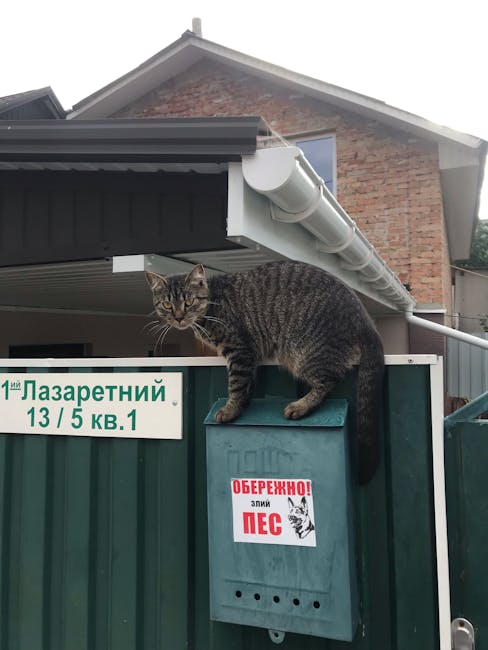
how to recognize parasites in senior cats and early warning signs at home
Introduction
Parasites can affect many pets, including both dogs and cats, but senior cats are especially vulnerable to certain types of parasites. Understanding how to recognize parasites in senior cats and early warning signs at home is important for maintaining your cat’s comfort and overall health. Parasites not only cause discomfort but can also lead to more serious health issues if left untreated. In some cases, parasites may even pose a risk to human family members.
Parasite control is a key part of keeping your senior cat happy and healthy. It involves regular check-ups and preventive care tailored to your pet’s needs, which should always be developed in partnership with a licensed veterinarian. This article provides general information to help you notice potential signs of parasites early, but it does not replace professional veterinary advice or diagnosis.
Remember:
- Never attempt to diagnose or treat parasites on your own.
- Always consult your veterinarian for accurate diagnosis and safe treatment options.
- Parasite prevention plans are personalized and may change as your cat ages.
Reviewed by SASI Vet Parasite Editorial Board.
What this parasite is
Parasites that affect senior cats can include a variety of tiny creatures such as fleas, ticks, mites, intestinal worms, and protozoa. These parasites live either on the surface of your cat’s skin or inside their body, often in the digestive system. Each type of parasite has its own way of surviving and reproducing, but they all rely on your cat for food and shelter.
For example:
- Fleas and ticks live on the skin and fur, feeding on your cat’s blood.
- Mites are microscopic and often burrow into the skin, causing irritation.
- Intestinal worms live inside the digestive tract, absorbing nutrients from your cat’s food.
- Protozoa are tiny single-celled organisms that can infect the intestines or other organs.
Understanding how these parasites live helps explain why they can cause discomfort or health problems, especially in senior cats whose immune systems may be weaker. If you’re wondering how to recognize parasites in senior cats and early warning signs at home, it’s important to remember that a veterinarian can help create a safe and effective parasite control plan tailored to your cat’s needs.
How pets become infected or exposed
Understanding how parasites infect your senior cat is an important step in keeping them healthy. Parasites can be picked up in many ways, often without obvious signs at first. Knowing the common sources of exposure helps you stay vigilant and work with your veterinarian on an effective parasite control plan.
Senior cats may be more vulnerable to parasites due to age-related changes in their immune system. Here are some common ways pets become infected or exposed:
- Outdoor access: Cats that roam outside can encounter contaminated soil, water, or surfaces where parasite eggs or larvae are present.
- Contact with other animals: Interaction with other cats, dogs, or wildlife can spread parasites through direct contact or shared environments.
- Wildlife exposure: Wildlife such as rodents or birds may carry parasites that can infect your cat.
- Insects and fleas: Parasites like fleas and ticks can transmit other parasites or cause infestations themselves.
- Lack of regular parasite prevention: Without consistent veterinary-recommended parasite control, cats are at higher risk of infection.
Remember, if you notice any early warning signs or suspect your senior cat may have parasites, consult your veterinarian promptly. They can tailor a safe and effective parasite prevention strategy specific to your cat’s lifestyle and health needs.
Typical signs and symptoms
Knowing how to recognize parasites in senior cats and early warning signs at home can help you seek veterinary advice promptly. Parasites may affect your cat’s skin or internal organs, and symptoms can vary widely depending on the type of parasite involved.
Common signs you might notice include:
- Itching, scratching, or excessive grooming
- Hair loss or bald patches
- Redness, inflammation, or scabs on the skin
- Visible fleas, ticks, or flea dirt
- Weight loss or poor appetite
- Diarrhea, vomiting, or changes in stool
- Lethargy or decreased activity
- Coughing or difficulty breathing (in some cases)
It’s important to remember that some parasite infections can be “silent” at first, showing subtle or no obvious signs. This is why regular veterinary check-ups and parasite control plans tailored to your senior cat’s needs are essential. Always consult your veterinarian if you notice any changes in your cat’s health or behaviour, as early detection and treatment can make a big difference in their comfort and well-being.
When it may be an emergency
Recognizing parasites in senior cats and early warning signs at home is important, but some symptoms require immediate veterinary attention. Parasites can sometimes cause severe health issues that need urgent care to prevent complications.
If your senior cat shows any of the following signs, contact your veterinarian or an emergency clinic right away:
- Severe lethargy or unresponsiveness
- Difficulty breathing or rapid breathing
- Pale or bluish gums, which may indicate blood loss or anemia
- Heavy vomiting or persistent diarrhea
- Collapse or inability to stand
- Visible signs of severe blood loss, such as bleeding or weakness
These symptoms can signal serious complications from parasites or other health problems. While parasite control plans are best developed with your veterinarian, urgent signs like these should never be managed at home without professional guidance.
Always keep emergency contact information handy and seek prompt veterinary care if you notice any of these critical signs in your senior cat. Early intervention can make a significant difference in your pet’s recovery and well-being.
How veterinarians diagnose parasite problems
When you notice signs that might suggest parasites in your senior cat, a veterinarian will perform a thorough evaluation to identify the cause. Recognizing parasites in senior cats and early warning signs at home is important, but a professional diagnosis ensures the right care.
The diagnostic process typically begins with a detailed physical exam. Your veterinarian will check your cat’s coat, skin, eyes, ears, and overall condition for any abnormalities or signs of irritation.
Common diagnostic methods include:
- Skin scrapings: Collecting small samples from the skin to look for mites or other external parasites under a microscope.
- Fecal tests: Examining stool samples to detect intestinal parasites such as worms or protozoa.
- Blood tests: Checking for parasites that circulate in the bloodstream or cause changes in blood cells.
- Imaging: In some cases, X-rays or ultrasounds may be used to assess internal organs for parasite-related issues.
These tests help your veterinarian develop a safe and effective parasite control plan tailored to your senior cat’s needs. Always consult your veterinarian for advice and never rely on home treatments alone, as proper diagnosis and care are essential for your cat’s health and comfort.
General treatment approaches
When it comes to how to recognize parasites in senior cats and early warning signs at home, understanding treatment options is important. If your veterinarian confirms a parasite infection, they will recommend a tailored treatment plan based on your cat’s specific needs, overall health, and the type of parasite involved.
Common treatment strategies may include:
- Prescription parasite control products designed to target specific parasites safely and effectively.
- Supportive care to help your senior cat maintain strength and comfort during treatment, such as nutritional support or hydration.
- Follow-up testing to ensure the parasite has been fully eliminated and to monitor your cat’s recovery.
It’s essential to remember that only a licensed veterinarian can select the right product and treatment protocol for your cat. Avoid using over-the-counter or home remedies without veterinary guidance, as these can be ineffective or even harmful. Regular veterinary check-ups and parasite screenings are key to keeping your senior cat healthy and catching any issues early.
Home care and cleaning the environment
When learning how to recognize parasites in senior cats and early warning signs at home, maintaining a clean environment is an important part of supporting your cat’s health and any treatment recommended by your veterinarian. Proper home care helps reduce the risk of re-infestation and keeps all pets in the household safer.
Here are some general steps you can take:
- Wash bedding regularly: Use warm water to clean your cat’s bedding and any blankets or cushions they use. This helps remove eggs or larvae that may be present.
- Vacuum frequently: Vacuum carpets, rugs, and furniture to pick up hair, dirt, and potential parasite eggs. Dispose of vacuum bags or empty canisters promptly.
- Clean litter boxes daily: Remove waste and wash litter boxes with mild soap and water. Avoid harsh chemicals unless advised by your veterinarian.
- Check other pets: Parasites can spread between animals, so monitor all pets for signs and discuss prevention with your vet.
- Follow your veterinarian’s advice: Parasite control plans are tailored to your cat’s needs and environment. Always consult your vet before using any treatments or cleaning products.
Keeping a clean home environment supports your senior cat’s comfort and well-being while helping to manage parasites safely and effectively.
Preventing future infestations
Understanding how to recognize parasites in senior cats and early warning signs at home is important, but prevention is key to keeping your feline friend healthy and comfortable. Working closely with your veterinarian, you can develop a parasite control plan tailored to your cat’s needs and lifestyle.
Here are some effective strategies to help prevent future infestations:
- Regular veterinary checkups: Routine exams allow your vet to detect parasites early and recommend appropriate prevention products.
- Use of parasite prevention products: Administer veterinarian-approved treatments consistently, as advised, to protect against fleas, ticks, worms, and other parasites.
- Environmental control: Keep your cat’s living areas clean by regularly washing bedding and vacuuming floors to reduce parasite eggs and larvae.
- Routine monitoring: Check your senior cat’s coat and skin regularly for signs of parasites or irritation, and report any concerns to your vet promptly.
- Safe outdoor habits: Limit exposure to high-risk environments where parasites are common, such as dense brush or areas frequented by wildlife.
Remember, parasite prevention is an ongoing process rather than a one-time treatment. Consistent care and communication with your veterinarian are essential to keeping your senior cat parasite-free and comfortable throughout their golden years.
Risks to other pets and people
Understanding how to recognize parasites in senior cats and early warning signs at home is important not only for your cat’s health but also for the wellbeing of other pets and family members. Some parasites can spread easily between animals, and in certain cases, they may pose a risk to humans.
Parasites such as fleas, ticks, and intestinal worms can transfer from one pet to another through close contact or shared environments. For example:
- Fleas can move between cats, dogs, and sometimes bite people.
- Ticks may latch onto multiple hosts, increasing the chance of disease transmission.
- Some intestinal parasites, like roundworms, can be passed through contaminated soil or feces and may affect humans, especially children.
While the risk to people is generally low with proper hygiene and parasite control, it’s important to remain vigilant. If you have concerns about potential parasite exposure for yourself or your family, please discuss them with your veterinarian or physician. They can provide guidance tailored to your household’s needs.
Remember, parasite control plans are best developed in partnership with your veterinarian to keep all members of your family-pets and people-safe and healthy.
FAQs
How can I tell if my senior cat has parasites?
Recognizing parasites in senior cats can be challenging because symptoms may be subtle. Common signs include changes in appetite, weight loss, vomiting, diarrhea, or a dull coat. You might also notice your cat scratching more or scooting its rear end. These signs can indicate parasites but may also be caused by other health issues.
What are early warning signs of parasites at home?
Early signs to watch for include:
- Increased scratching or licking
- Visible worms or eggs in stool or around the anus
- Changes in behaviour, such as lethargy or irritability
- Sudden weight loss or poor appetite
If you notice any of these, it’s important to consult your veterinarian promptly.
Can I prevent parasites in my senior cat?
Yes, parasite prevention is possible and important. Your veterinarian can help create a parasite control plan tailored to your cat’s age, lifestyle, and health status. Regular check-ups and preventive treatments are key to keeping parasites at bay.
Should I be worried about parasites if my senior cat stays indoors?
Indoor cats are at lower risk but not completely protected. Parasites can be brought in on shoes, other pets, or through contact with wildlife. Regular veterinary advice and preventive care remain important for indoor cats.
When should I see a veterinarian about parasites?
If you observe any signs of parasites or changes in your senior cat’s health, schedule a veterinary visit. Early detection and treatment help maintain your cat’s comfort and well-being.
Summary
Recognizing parasites in senior cats early is important for maintaining their health and comfort. While some signs can be subtle, paying close attention to changes in your cat’s behaviour, appetite, and coat condition can help you spot potential issues at home.
Common early warning signs include:
- Increased scratching or grooming
- Weight loss or decreased appetite
- Visible worms or unusual debris in the fur or litter box
- Changes in energy levels or mood
- Digestive upset such as vomiting or diarrhoea
If you notice any of these signs, it’s important to seek prompt veterinary care. A veterinarian can perform appropriate tests and recommend a parasite control plan tailored to your senior cat’s needs. This plan will help protect your cat from parasites while considering their overall health and any other medical conditions.
Remember, parasite prevention is an ongoing process that works best when guided by a veterinary professional. With early recognition and a thoughtful approach, you can help your senior cat enjoy a comfortable and healthy life.
Additional Resources
- Canadian Veterinary Medical Association (CVMA)
- American Veterinary Medical Association (AVMA)
- World Small Animal Veterinary Association (WSAVA)
- Government of Canada Public Health – Zoonotic Diseases
- Ontario Veterinary College, University of Guelph
Disclaimer: This article provides general information about parasites and parasite prevention for pets and does not replace professional veterinary advice. Always talk to a licensed veterinarian about your pet’s specific situation.