Why antibiotic resistance matters in veterinary medicine

Share
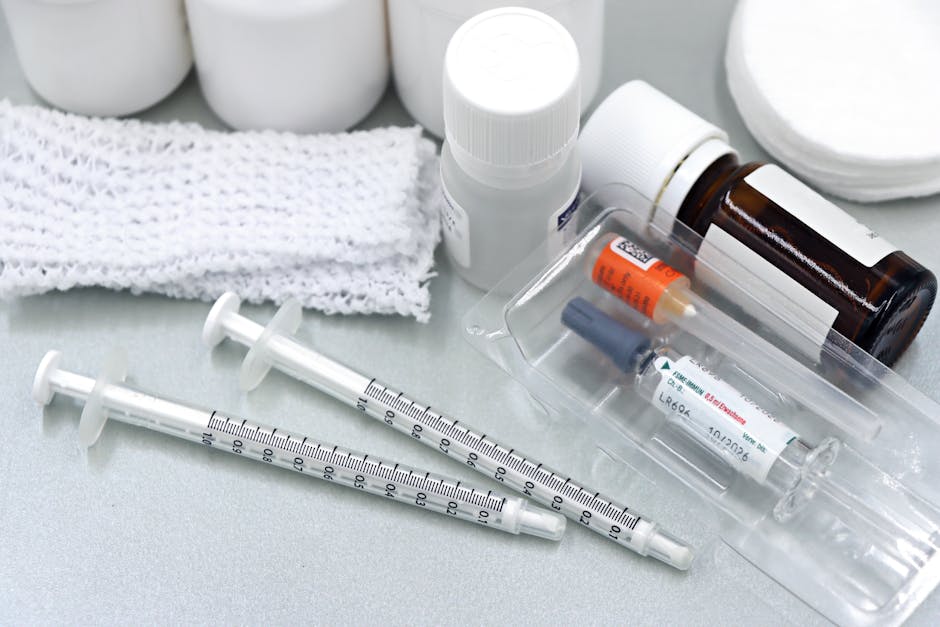
why antibiotic resistance matters in veterinary medicine
Reviewed by the SASI Vet Medications Editorial Board.
Introduction
Antibiotics are powerful prescription medications commonly used in veterinary medicine to help manage bacterial infections in animals. These medications play a crucial role in maintaining animal health and welfare by targeting harmful bacteria that can cause illness. However, it is important to understand that antibiotics must only be used under the guidance and supervision of a qualified veterinarian. Improper or unnecessary use of antibiotics can lead to serious consequences, including the development of antibiotic resistance.
Understanding why antibiotic resistance matters in veterinary medicine is essential for responsible pet ownership and animal care. Antibiotic resistance occurs when bacteria evolve to survive exposure to these medications, making infections harder to treat and increasing the risk of complications. This phenomenon not only affects individual animals but can also have broader implications for public health and the effectiveness of veterinary treatments overall.
This article is intended for educational purposes only and does not provide medical advice or treatment recommendations. Always consult a veterinarian for any concerns regarding your animal’s health or the use of antibiotics. Responsible use of antibiotics helps protect the health of animals and supports the continued effectiveness of these important medications.
What antibiotics are used for in pets
Antibiotics are medications that veterinarians may prescribe to help manage bacterial infections in pets. These infections can affect various parts of the body and may require careful diagnosis to determine if antibiotics are appropriate. It is important to understand that antibiotics are not effective against viral or fungal infections, so their use is specifically targeted toward bacterial causes.
One critical aspect of using antibiotics responsibly in veterinary medicine is understanding why antibiotic resistance matters in veterinary medicine. When antibiotics are used improperly or unnecessarily, bacteria can develop resistance, making infections harder to treat over time. This resistance not only affects the health of individual pets but can also have broader implications for animal and human health.
Veterinarians carefully consider when antibiotics are necessary and select treatments based on the specific needs of each pet. Responsible use helps preserve the effectiveness of these medications, ensuring they remain a valuable tool for managing bacterial infections in pets now and in the future.
Why antibiotics are not always appropriate
Antibiotics are powerful tools in veterinary medicine, but they are not always the right choice for every infection. Many infections, especially those caused by viruses or minor irritations, do not respond to antibiotics. Using antibiotics when they are not needed can lead to several problems, including the development of antibiotic resistance.
Understanding why antibiotic resistance matters in veterinary medicine is crucial for protecting the health of animals and the effectiveness of treatments. When antibiotics are overused or misused, bacteria can adapt and become resistant, making infections harder to treat in the future. This resistance can spread between animals and even to humans, posing a broader public health risk.
Veterinarians carefully evaluate each case to determine whether antibiotics are necessary. They consider factors such as the type of infection, its severity, and the animal’s overall health. Responsible use of antibiotics helps preserve their effectiveness, ensuring they remain a valuable resource for treating serious bacterial infections when truly needed.
The importance of veterinary diagnosis
Understanding why antibiotic resistance matters in veterinary medicine is crucial for the health of both animals and humans. Antibiotic resistance occurs when bacteria evolve to withstand the effects of medications designed to kill them. This can lead to infections that are harder to treat and may require more complex interventions.
Before any antibiotics are considered, a thorough veterinary examination and diagnostic testing are essential. Veterinarians use their expertise to accurately identify the cause of an animal’s illness, distinguishing between bacterial infections and other conditions that may not require antibiotics. This careful approach helps prevent the unnecessary use of antibiotics, which is a key factor in slowing the development of resistance.
By relying on professional diagnosis, pet owners and livestock managers contribute to responsible antibiotic use. This not only protects the individual animal’s health but also supports broader efforts to maintain the effectiveness of antibiotics for future generations. Veterinary diagnosis ensures that treatments are appropriate, targeted, and safe, reinforcing the importance of expert care in managing animal health responsibly.
Understanding antibiotic resistance
Antibiotic resistance occurs when bacteria change in a way that reduces or eliminates the effectiveness of medications designed to kill them. This means infections that were once easy to treat can become harder to manage. In veterinary medicine, understanding why antibiotic resistance matters is crucial because it affects the health of animals and can have broader impacts on public health.
When antibiotics are used improperly or too frequently, bacteria have more opportunities to develop resistance. This can lead to infections that do not respond to standard treatments, causing prolonged illness or complications in pets and livestock. Responsible use of antibiotics helps slow down this process, preserving the effectiveness of these important medications for future cases.
Veterinarians play a key role in ensuring antibiotics are used only when necessary and in the correct way. By following professional guidance and avoiding unnecessary use, pet owners and farmers contribute to reducing the risk of resistant infections. Understanding why antibiotic resistance matters in veterinary medicine encourages everyone involved to support practices that protect animal health and maintain the usefulness of antibiotics for years to come.
Common mistakes pet owners should avoid
Understanding why antibiotic resistance matters in veterinary medicine is crucial for every pet owner. One common mistake is sharing medications between pets or using leftover antibiotics without veterinary guidance. This practice can lead to ineffective treatment and contribute to the development of resistant bacteria, making future infections harder to treat.
Another frequent error is stopping antibiotic treatment early once symptoms improve. Even if your pet appears better, incomplete courses can allow some bacteria to survive and develop resistance. This not only jeopardizes your pet’s health but also poses a broader risk to other animals and humans by promoting the spread of resistant strains.
Additionally, using antibiotics without a proper diagnosis or veterinary recommendation can result in unnecessary exposure to these drugs, increasing the chance of resistance. Responsible use of antibiotics, under professional supervision, helps preserve their effectiveness and protects the health of your pet and the community.
By avoiding these mistakes, pet owners play a vital role in combating antibiotic resistance and ensuring that these important medications remain effective for future generations of animals.
Safety considerations during antibiotic use
Understanding why antibiotic resistance matters in veterinary medicine is essential for ensuring the health and well-being of pets. Responsible use of antibiotics helps prevent the development of resistant bacteria, which can complicate future treatments and pose risks to both animals and humans. It is important to always follow the guidance provided by a qualified veterinarian when antibiotics are prescribed. This includes adhering to the recommended course and avoiding any unauthorized changes.
Monitoring pets closely during antibiotic use is another key safety consideration. Observing for any unusual reactions or side effects allows for timely communication with the veterinary professional overseeing the care. Additionally, maintaining good hygiene and proper handling of medications can reduce the risk of contamination and accidental exposure.
By appreciating why antibiotic resistance matters in veterinary medicine, pet owners can contribute to preserving the effectiveness of these medications. This collective effort supports not only individual animal health but also broader public health concerns. Always consult a veterinarian with any questions or concerns related to antibiotic use to ensure safe and responsible care.
Questions pet owners often ask
What is antibiotic resistance?
Antibiotic resistance occurs when bacteria change in a way that reduces or eliminates the effectiveness of medications designed to kill them. This makes infections harder to treat and can lead to longer recovery times.
Why antibiotic resistance matters in veterinary medicine?
In veterinary medicine, antibiotic resistance is a significant concern because it can affect the health of pets and other animals. Resistant bacteria can spread between animals and even to humans, making it crucial to use antibiotics responsibly to preserve their effectiveness.
Can antibiotic resistance affect my pet’s future health?
Yes, if bacteria become resistant, it may limit treatment options for your pet in the future. Preventing resistance helps ensure that effective medications remain available when your pet needs them most.
How can pet owners help prevent antibiotic resistance?
Pet owners can support efforts to prevent resistance by following veterinary guidance carefully, avoiding unnecessary use of antibiotics, and maintaining good hygiene and preventive care for their animals.
Is antibiotic resistance only a problem for sick animals?
No, antibiotic resistance can affect healthy animals as well. Resistant bacteria can spread in the environment, so responsible use of antibiotics benefits the entire community of animals and people.
Working with your veterinarian
Understanding why antibiotic resistance matters in veterinary medicine is essential for every pet owner. Antibiotic resistance occurs when bacteria change in response to the use of these medications, making infections harder to treat. This challenge highlights the importance of clear communication and trust between you and your veterinarian.
When your veterinarian recommends a course of action, it is crucial to follow their guidance carefully. This includes attending follow-up appointments to monitor your pet’s progress and reporting any changes or concerns promptly. Open dialogue helps your veterinarian make informed decisions and adjust care plans as needed, ensuring the best possible outcome for your pet.
Building a strong partnership with your veterinarian also means asking questions and understanding the reasons behind treatment choices. This collaborative approach supports responsible use of medications and helps protect the effectiveness of antibiotics for the future. Remember, your veterinarian’s expertise is a valuable resource in maintaining your pet’s health while addressing the broader issue of antibiotic resistance.
Summary
Understanding why antibiotic resistance matters in veterinary medicine is essential for maintaining the health of animals and protecting public health. Antibiotics are powerful tools that help manage bacterial infections in pets, livestock, and other animals. However, their effectiveness can be compromised when bacteria develop resistance, making infections harder to treat. This resistance can spread between animals and even to humans, posing a significant risk to both animal and human health.
Responsible use of antibiotics under the guidance of a qualified veterinarian is crucial to slow down the development of resistance. Overuse or misuse of these medications can accelerate resistance, reducing the options available for effective treatment. Veterinarians carefully evaluate each case to determine when antibiotics are truly necessary and select the most appropriate approach to minimize risks.
By following veterinary recommendations and avoiding self-prescribing antibiotics for animals, pet owners and farmers contribute to preserving the effectiveness of these vital medicines. Awareness and education about antibiotic resistance help ensure that these treatments remain reliable tools for managing infections now and in the future.
- American Veterinary Medical Association (AVMA)
- World Organisation for Animal Health (WOAH)
- British Veterinary Association (BVA)
- Canadian Veterinary Medical Association (CVMA)
- European Medicines Agency (EMA) – Veterinary Medicines Division
Disclaimer: This article provides general information about antibiotics in pets and does not replace professional veterinary advice.