What to observe while a pet is on antibiotics

Share
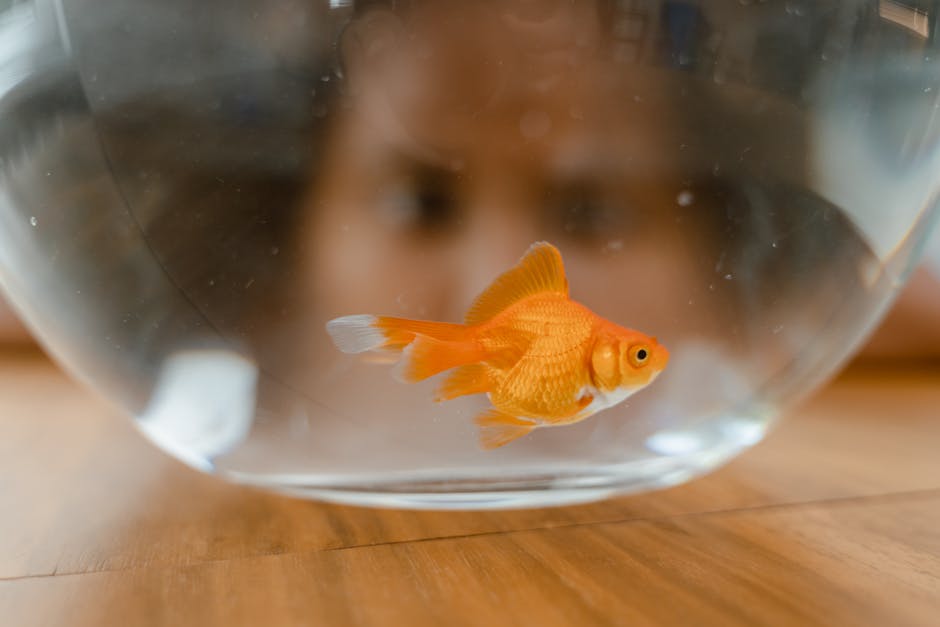
what to observe while a pet is on antibiotics
Antibiotics are prescription medications commonly used in veterinary medicine to help manage bacterial infections in pets. These medications play a crucial role in supporting your pet’s recovery when prescribed by a qualified veterinarian. It is important to understand that antibiotics should only be administered under the guidance and supervision of a veterinary professional. Using antibiotics without proper veterinary advice can lead to ineffective treatment and potential harm to your pet’s health.
When a pet is on antibiotics, careful observation is essential to ensure their safety and well-being. Monitoring your pet allows you to notice any changes in behavior, appetite, or physical condition that may indicate how they are responding to the medication. This article aims to provide educational information about what to observe while a pet is on antibiotics, emphasizing the importance of veterinary involvement throughout the treatment process. Responsible use of antibiotics helps protect your pet and supports overall health outcomes.
Reviewed by the SASI Vet Medications Editorial Board.
What antibiotics are used for in pets
Antibiotics are commonly prescribed by veterinarians to help manage bacterial infections in pets. These medications work by targeting harmful bacteria, supporting the pet’s immune system in overcoming the infection. It is important to understand that antibiotics are not effective against viral or fungal infections, and their use should always be guided by a veterinary professional to ensure safety and effectiveness.
When a pet is on antibiotics, knowing what to observe while a pet is on antibiotics is crucial for their well-being. Owners should monitor their pets closely for any changes in behavior, appetite, or energy levels. Additionally, watching for potential side effects such as digestive upset or allergic reactions is important. If any unusual symptoms arise, contacting a veterinarian promptly is essential to address concerns and adjust care as needed.
Proper use of antibiotics helps prevent the development of antibiotic resistance, which can make future infections harder to treat. Always follow the veterinarian’s guidance and complete the prescribed course, even if the pet appears to be feeling better. Responsible use and careful observation contribute to the successful recovery and long-term health of pets receiving antibiotic therapy.
Why antibiotics are not always appropriate
Antibiotics are powerful medications designed to combat bacterial infections, but they are not suitable for every illness your pet may experience. Many infections, such as those caused by viruses or minor irritations, do not respond to antibiotics and may resolve on their own with proper care. Using antibiotics unnecessarily can contribute to antibiotic resistance, making future infections harder to treat and potentially causing harmful side effects in your pet.
Understanding what to observe while a pet is on antibiotics is crucial for ensuring their safety and well-being. Even when antibiotics are prescribed by a veterinarian, monitoring your pet closely helps identify any adverse reactions or changes in behavior. Common signs to watch for include changes in appetite, vomiting, diarrhea, or unusual lethargy. Promptly reporting these observations to your veterinarian can help manage any complications effectively.
Ultimately, antibiotics should only be used when clearly indicated by a veterinary professional. Responsible use helps protect your pet’s health and supports the broader effort to prevent antibiotic resistance. Always consult your veterinarian before starting or stopping any medication for your pet.
The importance of veterinary diagnosis
Understanding what to observe while a pet is on antibiotics begins with recognizing the critical role of a thorough veterinary diagnosis. Before any antibiotic treatment is considered, a veterinarian must perform a detailed examination and appropriate diagnostic testing. This process ensures that the underlying cause of the pet’s condition is accurately identified, which is essential for effective and safe care.
Veterinary diagnosis helps distinguish between bacterial infections that may require antibiotics and other health issues that do not benefit from such treatment. Without this step, unnecessary or inappropriate use of antibiotics can occur, potentially leading to resistance or adverse effects. Additionally, a veterinarian’s evaluation considers the pet’s overall health, age, and any pre-existing conditions, which influence treatment decisions.
Once a pet is prescribed antibiotics, careful observation is vital. Owners should monitor for any changes in behavior, appetite, or signs of side effects, and report these promptly to their veterinarian. This vigilance supports the pet’s recovery and helps the veterinarian adjust care if needed. Ultimately, veterinary diagnosis and ongoing observation work together to promote safe and effective treatment outcomes.
Understanding antibiotic resistance
Antibiotic resistance occurs when bacteria change in a way that reduces or eliminates the effectiveness of medications designed to kill them. This means that infections become harder to treat, leading to longer illness and increased risk for pets. Responsible use of antibiotics is essential to prevent this problem from growing.
When considering what to observe while a pet is on antibiotics, it is important to monitor their overall behavior and health closely. Watch for any signs that the infection might not be improving, such as persistent fever, swelling, or discomfort. Additionally, be alert for any unusual side effects like vomiting, diarrhea, or allergic reactions, and report these to your veterinarian promptly.
Using antibiotics only when prescribed by a veterinary professional and following their guidance helps protect your pet’s health and reduces the chance of resistant bacteria developing. Avoid stopping medication early or using leftover antibiotics, as this can contribute to resistance. By understanding antibiotic resistance and practicing responsible use, pet owners play a vital role in keeping treatments effective for their pets and the wider community.
Common mistakes pet owners should avoid
Understanding what to observe while a pet is on antibiotics is essential for ensuring their safety and recovery. One common mistake is sharing medications between pets or using leftover antibiotics from previous treatments. This practice can lead to ineffective treatment or adverse reactions, as each pet’s condition and medication needs are unique. Additionally, stopping the medication early, even if the pet appears to be feeling better, can contribute to incomplete healing and the development of resistant bacteria.
Pet owners should also avoid altering the prescribed course without consulting a veterinarian. Changes in dosage or frequency can impact the effectiveness of the medication and potentially cause harm. Monitoring your pet closely during antibiotic treatment includes watching for any unusual side effects or changes in behavior, appetite, or energy levels. Promptly reporting these observations to a veterinary professional is crucial.
By following veterinary guidance and understanding what to observe while a pet is on antibiotics, owners can help ensure a safe and successful recovery while minimizing risks associated with improper medication use.
Safety considerations during antibiotic use
Understanding what to observe while a pet is on antibiotics is essential for ensuring their well-being throughout the treatment period. Antibiotics can be effective in managing infections, but careful attention to your pet’s condition is crucial. Always follow the guidance provided by your veterinarian, as they tailor treatments based on your pet’s specific needs.
Monitoring your pet closely allows you to notice any changes in behavior, appetite, or physical condition. Unusual symptoms such as vomiting, diarrhea, lethargy, or allergic reactions should be reported promptly to your veterinary professional. These observations help determine if the medication is well tolerated or if adjustments are necessary.
It is also important to complete the full course of prescribed medication, even if your pet appears to have improved, to prevent the development of resistant infections. Avoid administering any additional medications or supplements without consulting your veterinarian, as interactions can affect the safety and effectiveness of the antibiotic treatment.
By staying vigilant and maintaining open communication with your veterinary team, you contribute significantly to your pet’s recovery and overall health during antibiotic use.
Questions pet owners often ask
What to observe while a pet is on antibiotics?
When your pet is on antibiotics, it’s important to monitor their overall behavior and health closely. Watch for any changes in appetite, energy levels, or signs of discomfort. Noticing these can help you understand how your pet is responding to the medication.
Are side effects common during antibiotic use?
Some pets may experience mild side effects such as digestive upset or changes in stool consistency. If you observe anything unusual or severe, it’s important to communicate with your veterinarian promptly.
Should I continue giving food and water as usual?
Maintaining regular feeding and hydration routines is generally beneficial. However, if your pet shows reluctance to eat or drink, this should be noted and discussed with your veterinary professional.
Can antibiotics affect my pet’s behavior?
Occasionally, pets may seem more tired or less playful while on antibiotics. Monitoring these behavioral changes helps ensure your pet’s comfort and safety during treatment.
When should I contact my veterinarian?
If you notice any signs of allergic reactions, persistent vomiting, diarrhea, or worsening symptoms, seek veterinary advice immediately. Prompt communication is key to your pet’s well-being.
Working with your veterinarian
Understanding what to observe while a pet is on antibiotics is essential for ensuring your pet’s safety and recovery. Open communication with your veterinarian is the foundation of effective care. Always share any changes you notice in your pet’s behavior, appetite, or overall condition. These observations help your veterinarian assess how well the treatment is working and whether any adjustments are needed.
Regular follow-up appointments are important to monitor your pet’s progress. During these visits, your veterinarian can evaluate the response to the medication and address any concerns you may have. Trusting your veterinarian’s expertise and guidance is crucial, as they tailor the treatment plan specifically for your pet’s needs.
Remember, never stop or alter medication without consulting your veterinarian first. If you observe any unusual symptoms or side effects, report them promptly. Your attentive care combined with professional veterinary support creates the best environment for your pet’s healing and well-being.
Summary
Understanding what to observe while a pet is on antibiotics is essential for ensuring their safety and recovery. Antibiotics are powerful medications designed to combat bacterial infections, but their use requires careful monitoring. Pet owners should watch for any changes in behavior, appetite, or energy levels, as these can indicate how the pet is responding to the medication. Additionally, it is important to be alert for potential side effects such as digestive upset or allergic reactions, which may necessitate prompt veterinary attention.
Consistent communication with a veterinarian throughout the course of antibiotic use is crucial. Only a veterinary professional can determine the appropriate use and duration of these medications, as misuse can lead to resistance or other complications. Never alter or discontinue antibiotics without veterinary guidance. Responsible use of antibiotics helps protect your pet’s health and supports broader efforts to prevent antibiotic resistance.
In summary, careful observation and veterinary oversight are key components when a pet is on antibiotics. By staying vigilant and informed, pet owners contribute to the safe and effective use of these important medical tools.
- American Veterinary Medical Association (AVMA)
- World Small Animal Veterinary Association (WSAVA)
- British Veterinary Association (BVA)
- Canadian Veterinary Medical Association (CVMA)
- Australian Veterinary Association (AVA)
Disclaimer: This article provides general information about antibiotics in pets and does not replace professional veterinary advice.