Communicating concerns to your veterinarian

Share
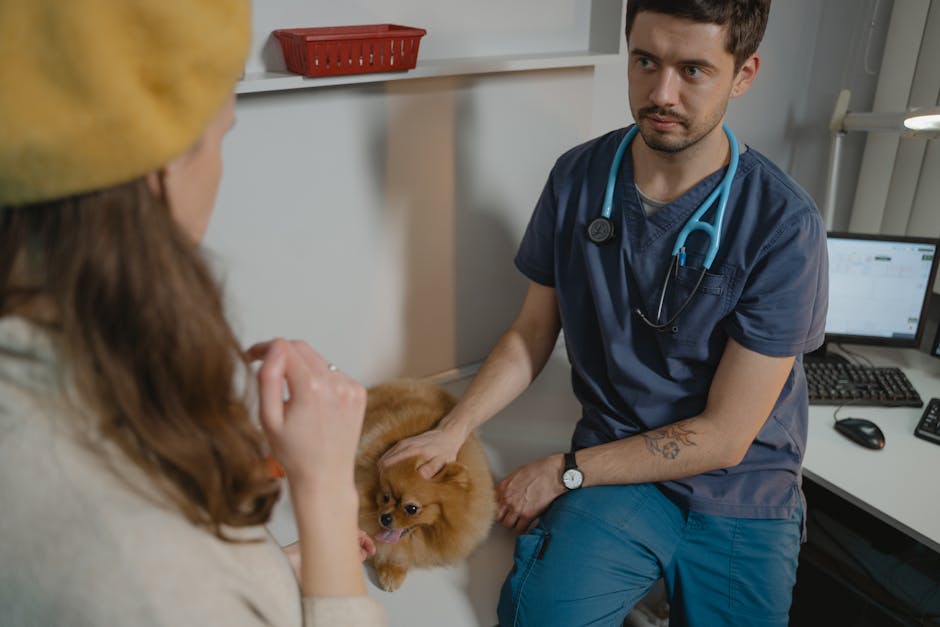
communicating concerns to your veterinarian
Reviewed by the SASI Vet Medications Editorial Board.
Introduction
Antibiotics are prescription medications commonly used in veterinary medicine to help manage bacterial infections in pets. These medications play a crucial role in supporting your animal’s health when prescribed and monitored by a qualified veterinarian. It is important to understand that antibiotics should never be used without professional veterinary guidance, as improper use can lead to ineffective treatment and potential harm to your pet.
This article aims to provide educational information about the role of antibiotics in veterinary care, emphasizing the importance of communicating concerns to your veterinarian. Open and clear communication ensures that your pet receives the most appropriate care tailored to their specific needs. Always consult your veterinarian before administering any medication, and never attempt to diagnose or treat infections on your own.
By fostering a strong partnership with your veterinarian and discussing any health concerns promptly, you help safeguard your pet’s well-being and contribute to responsible medication use. Remember, this information is for educational purposes only and is not a substitute for professional veterinary advice or treatment.
What antibiotics are used for in pets
Antibiotics are medications that veterinarians may prescribe to help manage bacterial infections in pets. These infections can affect various parts of the body and may require careful evaluation to determine the appropriate course of action. It is important to understand that antibiotics are specifically designed to target bacteria and are not effective against viral or fungal infections.
When your pet is prescribed antibiotics, it is essential to follow your veterinarian’s guidance closely and complete the entire course as directed. This helps ensure the infection is fully addressed and reduces the risk of antibiotic resistance. If you have any questions or concerns about your pet’s condition or the medications prescribed, communicating concerns to your veterinarian is the best way to ensure your pet receives safe and effective care.
Always avoid using leftover antibiotics or medications prescribed for other animals, as this can be harmful. Your veterinarian will determine if antibiotics are necessary based on a thorough examination and diagnostic testing. Responsible use of antibiotics helps protect your pet’s health and supports overall well-being.
Why antibiotics are not always appropriate
Antibiotics are powerful tools designed to combat bacterial infections, but they are not always the right choice for every illness. Many infections, especially those caused by viruses or other non-bacterial agents, do not respond to antibiotics. Using antibiotics when they are unnecessary can lead to several problems, including antibiotic resistance, which makes future infections harder to treat. Additionally, inappropriate use can cause unwanted side effects and disrupt the natural balance of beneficial bacteria in your pet’s body.
Understanding when antibiotics are appropriate is essential for the health and safety of your pet. This is why communicating concerns to your veterinarian is so important. By sharing detailed observations about your pet’s symptoms and behavior, you help your veterinarian make informed decisions about the best course of action. Open communication ensures that your pet receives the most suitable care, avoiding unnecessary medications and promoting faster recovery.
Remember, antibiotics should only be used under veterinary guidance. If you have questions or worries about your pet’s condition or treatment, discussing them openly with your veterinarian is the best way to ensure safe and effective care.
The importance of veterinary diagnosis
When your pet shows signs of illness, accurately communicating concerns to your veterinarian is crucial for their health and safety. A thorough veterinary examination and appropriate diagnostic testing are essential steps before any consideration of antibiotics. These processes help identify the underlying cause of your pet’s symptoms, which may not always be due to bacterial infections.
Veterinarians rely on detailed information from pet owners combined with clinical findings to determine the best course of action. Without proper diagnosis, unnecessary or inappropriate use of antibiotics can contribute to antibiotic resistance, making future infections harder to treat. Additionally, some conditions may mimic infections but require different approaches, highlighting the importance of professional evaluation.
By clearly expressing your observations and concerns, you enable your veterinarian to perform targeted tests and make informed decisions. This collaborative communication ensures that your pet receives the most appropriate care, promoting recovery while safeguarding their long-term health. Remember, responsible antibiotic use begins with accurate diagnosis and open dialogue between you and your veterinarian.
Understanding antibiotic resistance
Antibiotic resistance occurs when bacteria change in a way that reduces or eliminates the effectiveness of medications designed to kill them. This means infections that were once easy to treat can become more difficult to manage. Responsible use of antibiotics is essential to slow down this process and protect the health of your pet.
When antibiotics are used unnecessarily or incorrectly, bacteria have more opportunities to adapt and survive. This can lead to resistant infections that may require more complex care. By understanding the importance of responsible medication use, pet owners can help preserve the effectiveness of these vital drugs.
Communicating concerns to your veterinarian is a key part of responsible pet care. Sharing detailed information about your pet’s symptoms, history, and any previous treatments helps the veterinarian make informed decisions. Open dialogue ensures that antibiotics are only used when truly needed, reducing the risk of resistance.
Remember, antibiotic resistance is a growing challenge in veterinary medicine. Working closely with your veterinarian and following their guidance supports your pet’s health and contributes to the broader effort to keep antibiotics effective for everyone.
Common mistakes pet owners should avoid
When it comes to caring for your pet, communicating concerns to your veterinarian is essential for their health and safety. One common mistake is sharing medications between pets or using leftover antibiotics without veterinary guidance. Each pet’s condition is unique, and medications prescribed for one animal may not be safe or effective for another. Using leftover antibiotics can lead to incomplete treatment or resistance, which may worsen your pet’s condition.
Another frequent error is stopping a prescribed treatment early because the pet appears better. Even if symptoms improve, the full course of medication is often necessary to ensure the infection or illness is fully resolved. Prematurely discontinuing treatment can result in a relapse or the development of resistant bacteria, complicating future care.
Open and honest communication with your veterinarian about your pet’s progress, side effects, or any concerns is crucial. This dialogue helps the veterinarian adjust care plans appropriately and ensures your pet receives the safest and most effective treatment. Avoiding these common mistakes supports your pet’s recovery and overall well-being.
Safety considerations during antibiotic use
When your pet is prescribed antibiotics, understanding the importance of communicating concerns to your veterinarian is essential for their safety and recovery. Antibiotics can be effective in treating infections, but they must be used responsibly under veterinary guidance. Always ensure that you follow the veterinarian’s instructions carefully, as improper use can lead to resistance or adverse effects.
Monitoring your pet closely during antibiotic therapy is crucial. Watch for any changes in behavior, appetite, or signs of discomfort, and report these observations promptly. Your veterinarian relies on your feedback to adjust care if necessary and to ensure the medication is working as intended.
Never discontinue or alter the medication without consulting your veterinarian, even if your pet appears to improve. Open communication helps prevent complications and supports the best possible outcome for your pet’s health. Remember, your veterinarian is your partner in managing your pet’s well-being, and sharing any concerns or questions you have is a vital part of safe antibiotic use.
Questions pet owners often ask
Why is communicating concerns to your veterinarian important?
Open communication helps ensure your pet receives the most appropriate care. Sharing observations about your pet’s behavior, symptoms, or reactions allows the veterinarian to make informed decisions.
How can I tell if my pet needs medication?
Only a veterinarian can determine if medication is necessary. If you notice changes in your pet’s health, it’s important to discuss these with your veterinarian rather than attempting to diagnose or treat on your own.
What should I do if I’m worried about side effects?
Express any concerns about potential side effects to your veterinarian promptly. They can provide guidance and monitor your pet’s response to any prescribed treatment.
Is it safe to stop medication early if my pet seems better?
It’s crucial to follow your veterinarian’s recommendations regarding medication duration. Stopping treatment prematurely can affect your pet’s recovery and overall health.
How can I prepare for a discussion about my pet’s health?
Keep a detailed record of your pet’s symptoms, behavior changes, and any questions you have. This preparation supports effective communicating concerns to your veterinarian and helps ensure all issues are addressed.
Working with your veterinarian
Effective communicating concerns to your veterinarian is essential for ensuring the best care for your pet. Open and honest dialogue helps your veterinarian understand your pet’s symptoms, behavior changes, and overall health status. When you share detailed observations, it allows the veterinary team to make informed decisions and tailor their approach to your pet’s unique needs.
During appointments, don’t hesitate to ask questions or express any worries you may have. Clear communication fosters trust and collaboration, which are key components of a successful veterinary relationship. If you notice any changes in your pet’s condition after a visit, promptly follow up with your veterinarian. This ongoing communication helps monitor progress and address any new concerns early.
Remember, your veterinarian is a partner in your pet’s health journey. Building a strong rapport through respectful and transparent communication ensures that your pet receives attentive and compassionate care. Prioritizing this connection can make a significant difference in managing your pet’s well-being effectively and confidently.
Summary
Communicating concerns to your veterinarian is essential for ensuring the health and safety of your pet. Antibiotics are powerful medical tools that require careful consideration and professional guidance. Misuse or overuse of these medications can lead to serious consequences, including antibiotic resistance and ineffective treatment. It is important to share all relevant information about your pet’s symptoms, history, and any previous medications with your veterinarian. This open communication helps the veterinary team make informed decisions tailored to your pet’s specific needs. Remember, antibiotics should never be administered without veterinary approval, as improper use can harm your pet and contribute to broader public health issues. By fostering a transparent dialogue, you support responsible medication use and help protect your pet’s well-being. Always prioritize professional veterinary advice when addressing health concerns, and never hesitate to ask questions or express doubts. Your veterinarian is your partner in maintaining your pet’s health, and clear communication is the foundation of effective care. Responsible use of antibiotics, guided by veterinary expertise, ensures the best outcomes for your pet and the community at large.
- American Veterinary Medical Association (AVMA)
- World Small Animal Veterinary Association (WSAVA)
- British Veterinary Association (BVA)
- Canadian Veterinary Medical Association (CVMA)
- European Society of Veterinary Dermatology (ESVD)
Disclaimer: This article provides general information about antibiotics in pets and does not replace professional veterinary advice.