
Cat brown debris on skin early signs and concerns

Share
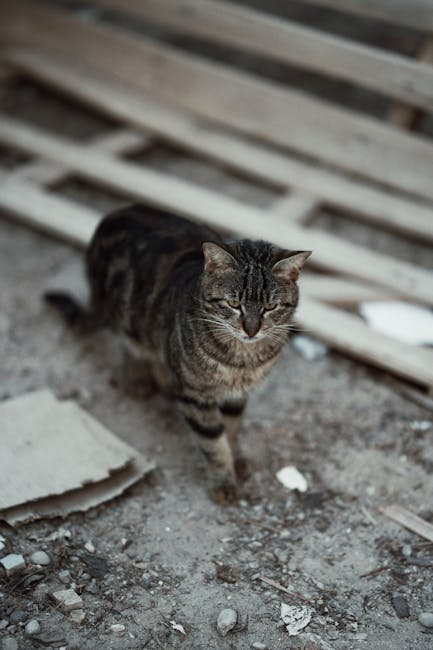
cat brown debris on skin early signs and concerns
Introduction
Noticing brown debris on your cat’s skin can be concerning. This skin symptom most often affects cats, though similar signs might appear in other pets like dogs. Changes in the skin’s appearance may indicate underlying issues that could affect your pet’s health and comfort.
Skin changes, including the presence of brown debris, might be early signs of irritation, infection, or other conditions. Paying attention to these signs is important because the skin is a vital barrier that protects your pet from environmental threats and helps regulate body temperature.
It’s important to understand that brown debris on skin early signs and concerns can vary widely in cause and severity. While this information aims to help you recognize potential issues, it does not replace professional veterinary advice. If you notice unusual skin changes on your cat, consulting a licensed veterinarian is the best way to ensure your pet receives appropriate care.
What this skin symptom looks like
When you notice brown debris on your cat’s skin, it may appear as small, flaky particles scattered across the coat or concentrated in certain areas. This debris can sometimes look like dirt or dried skin, but it might also be accompanied by other changes such as redness or irritation.
Common appearances
- Brown or rusty-coloured flakes or crusts on the skin
- Areas of hair thinning or patchy fur around the affected spots
- Possible redness or mild swelling beneath the debris
- Occasional moisture or oily patches mixed with the brown material
- In some cases, a faint or unusual odour may be present
It’s important to remember that each cat may show this symptom differently. Some cats might have only a small amount of debris with no other signs, while others could have more noticeable skin changes. The presence of brown debris on skin early signs and concerns might indicate an underlying issue that requires veterinary attention.
If you observe these signs, it’s a good idea to consult your veterinarian. They can help determine the cause and recommend appropriate care tailored to your cat’s specific needs.
Common possible causes
Noticing brown debris on your cat’s skin can be concerning, and it’s important to understand that this symptom may have several different causes. The same sign might result from a variety of underlying issues, so careful evaluation by a veterinarian is recommended to determine the exact reason.
Allergies
Allergic reactions to food, environmental factors, or flea bites could cause skin irritation and debris buildup. Cats with allergies might also show itching, redness, or hair loss in affected areas.
Parasites
Parasites such as fleas, mites, or ticks might lead to skin changes including brown debris, which could be flea dirt or crusts from scratching. These parasites often cause discomfort and secondary skin problems.
Infections
Bacterial or fungal infections may produce scabs, flakes, or crusty debris on the skin. In some cases, these infections develop after initial irritation or injury.
Irritants and Hormonal Issues
Exposure to irritants like certain shampoos or chemicals might cause skin reactions. Hormonal imbalances could also affect skin health, sometimes leading to changes in texture or debris accumulation.
If you observe brown debris on your cat’s skin, early signs and concerns should be discussed with a veterinarian. They can provide a thorough examination and recommend appropriate steps tailored to your cat’s needs.
Less common but important causes
When noticing cat brown debris on skin early signs and concerns, it is important to consider less common causes that might require veterinary attention. In some cases, autoimmune diseases could lead to unusual skin changes, including the presence of debris or crusting. These conditions are less frequently seen but can have significant effects on your cat’s health.
Serious infections and systemic illness
More serious infections, such as deep bacterial or fungal infections, might also cause brown debris on the skin. These infections often require thorough veterinary evaluation to determine the underlying cause and appropriate care. Additionally, systemic illnesses affecting internal organs can sometimes manifest with skin symptoms, including unusual debris or discoloration.
Rare causes: cancer and other conditions
Although rare, certain types of cancer or growths on the skin might present with brown debris or scaly patches. These cases are uncommon but important to rule out, especially if the debris persists or worsens over time. Because these conditions can be complex, consulting a veterinarian is essential for proper diagnosis and guidance.
If you observe any unusual skin changes or debris on your cat, it is always best to seek veterinary advice promptly. Early evaluation can help identify the cause and support your cat’s overall well-being.
When it may be an emergency
Noticing cat brown debris on skin early signs and concerns can be unsettling, but some symptoms may indicate a more urgent problem requiring immediate veterinary attention. It’s important to recognize red flag signs that could suggest serious complications.
Signs to watch for
If your cat shows any of the following symptoms, it might be necessary to seek veterinary care promptly:
- Severe pain or sensitivity when touching the affected area
- Rapid swelling or sudden changes in the skin’s appearance
- Open wounds, bleeding sores, or oozing lesions
- Signs of infection such as pus, foul odor, or increased warmth around the skin
- Difficulty breathing, coughing, or wheezing
- Major changes in behaviour, including lethargy, hiding, or aggression
These signs could indicate an underlying infection, allergic reaction, or other serious health issues. While brown debris on the skin might sometimes be a minor concern, the presence of these symptoms may require urgent evaluation.
If you observe any of these red flags, it is advisable to contact a licensed veterinarian as soon as possible for a thorough assessment and appropriate care tailored to your cat’s needs.
How veterinarians investigate skin symptoms
When a cat presents with brown debris on skin early signs and concerns, veterinarians begin by gathering a detailed history. This includes asking about the pet’s environment, diet, grooming habits, and any recent changes or exposures that might be relevant. Understanding these factors helps guide the next steps in the examination.
A thorough physical exam follows, focusing on the skin and coat but also assessing overall health. The veterinarian looks for patterns, distribution, and characteristics of the skin changes, which can provide important clues.
Diagnostic tests that may be used
- Skin scrapings: To check for parasites or other microscopic causes.
- Cytology: Examining cells from the skin surface to identify infections or inflammation.
- Culture tests: To detect bacterial or fungal infections when needed.
- Allergy workups: In some cases, to explore potential allergic triggers.
- Blood tests: To evaluate overall health and rule out systemic issues.
- Biopsies: Occasionally performed to obtain a small skin sample for detailed analysis.
Each of these steps might be used depending on the individual case. If you notice any unusual skin changes in your cat, it is important to consult a licensed veterinarian who can recommend appropriate investigations and provide personalized advice.
What pet owners can monitor at home
Noticing cat brown debris on skin early signs and concerns can be important for understanding your pet’s health. At home, you might observe when the debris first appeared and whether it seems to be spreading or changing over time. Keeping track of these details can help your veterinarian assess the situation more effectively.
Areas to observe
Pay attention to which parts of your cat’s body are affected. Is the debris localized to one spot, or is it present on multiple areas? Also, note if your cat is scratching, licking, or grooming those areas more than usual, as this could indicate discomfort or irritation.
Additional factors to consider
- Changes in your cat’s diet or introduction of new foods
- Use of new grooming products, shampoos, or flea treatments
- Exposure to other animals that might carry parasites or infections
- Seasonal patterns, such as whether the debris appears more in certain weather or times of year
Monitoring these aspects may provide useful clues but remember that brown debris on the skin can have various causes. It is always best to consult a licensed veterinarian for a thorough examination and personalized advice tailored to your cat’s specific needs.
General home care guidance
If you notice brown debris on your cat’s skin, early signs and concerns should be addressed with gentle care at home while you arrange veterinary advice. It is important to prevent your cat from causing further irritation by licking or scratching the affected area, as this might worsen the condition or lead to secondary infections.
Preventing self-trauma
In some cases, using an Elizabethan collar or similar protective device may help reduce self-trauma. These collars can limit your cat’s ability to reach the irritated skin, allowing it time to heal. Always follow your veterinarian’s recommendations regarding their use.
Safe skin care practices
- Avoid harsh shampoos, soaps, or other products that could irritate your cat’s skin further.
- Keep the affected area clean and dry, but do not attempt to scrub or remove debris aggressively.
- Maintain a calm environment to reduce stress, which might contribute to excessive grooming or scratching.
Remember, brown debris on skin early signs and concerns can have various causes, so it is best to consult a licensed veterinarian for a thorough examination and personalized advice. Prompt professional guidance ensures the safest and most effective care for your cat’s skin health.
Preventing future flare-ups
Managing and preventing skin issues such as cat brown debris on skin early signs and concerns often involves a combination of regular care and veterinary guidance. While each cat’s situation is unique, there are general strategies that might help reduce the risk of flare-ups.
Regular veterinary checkups
Routine visits to the veterinarian can help identify underlying causes early and monitor your cat’s skin health over time. Your veterinarian may suggest specific tests or adjustments to your cat’s care plan based on their findings.
Parasite prevention and gentle grooming
Parasites like fleas or mites can contribute to skin irritation and debris buildup. Using parasite prevention methods recommended by your veterinarian might reduce this risk. Additionally, gentle grooming with appropriate tools can help keep your cat’s coat clean and comfortable without causing further irritation.
Diet and environmental control
Feeding a balanced diet tailored to your cat’s needs may support overall skin health. In some cases, environmental factors such as allergens could play a role, so minimizing exposure to potential irritants might be beneficial.
Following long-term veterinary plans
It is important to follow any long-term care plans or recommendations provided by your veterinarian. These plans are designed to address your cat’s specific condition and help prevent future flare-ups safely and effectively.
If you notice any changes or concerns regarding your cat’s skin, consulting a licensed veterinarian is the best way to ensure appropriate care and peace of mind.
FAQs
What could brown debris on my cat’s skin indicate?
Brown debris on a cat’s skin may be an early sign of several conditions, including flea dirt, skin infections, or allergies. It might also result from environmental dirt or dried secretions. Observing other symptoms like itching or hair loss can help determine if veterinary advice is needed.
Is brown debris on the skin harmful to my cat?
Brown debris itself is not always harmful, but it could indicate underlying issues that might cause discomfort or skin irritation. In some cases, it may lead to secondary infections if left unaddressed. Monitoring your cat’s behaviour and skin condition is important.
How can I tell if the brown debris is flea dirt?
Flea dirt often looks like small dark specks and may turn reddish when moistened, as it contains dried blood. However, only a veterinarian can confirm the cause of the debris and recommend appropriate care.
When should I see a veterinarian about brown debris on my cat’s skin?
If the brown debris persists, increases, or is accompanied by itching, redness, hair loss, or changes in your cat’s behaviour, it is advisable to consult a veterinarian. Early evaluation can help address potential skin concerns safely.
Can brown debris on skin be a sign of allergies in cats?
Yes, brown debris on skin may sometimes be linked to allergic reactions causing skin inflammation and secondary debris buildup. Allergies can have various triggers, so professional assessment is important for proper management.
Summary
Noticing cat brown debris on skin early signs and concerns can be an important indicator of your pet’s skin health. Such symptoms may arise from a variety of causes, including environmental factors, parasites, infections, or underlying medical conditions. Understanding these signs early on can help ensure your cat receives appropriate care.
Why Skin Symptoms Matter
Skin changes often serve as visible clues to your cat’s overall well-being. Brown debris on the skin might be related to dirt, dried secretions, or more concerning issues like mites or fungal infections. While some causes are minor, others could require veterinary attention to prevent discomfort or complications.
Next Steps
- Observe any additional symptoms such as itching, redness, or hair loss.
- Keep track of when the debris appears and if it changes over time.
- Consult a licensed veterinarian for a thorough examination and accurate diagnosis.
Remember, only a veterinary professional can determine the exact cause and recommend safe, effective care. Early consultation can help manage your cat’s condition calmly and confidently, supporting their comfort and health.
- Canadian Veterinary Medical Association
- American Veterinary Medical Association
- World Small Animal Veterinary Association
- Canadian Association of Veterinary Dermatologists
- Veterinary Dermatology Specialty Groups
Disclaimer: This article provides general information about skin-related symptoms in pets and does not replace professional veterinary advice. Always consult a licensed veterinarian regarding your pet’s specific condition.