How vets monitor pain after surgery

Share
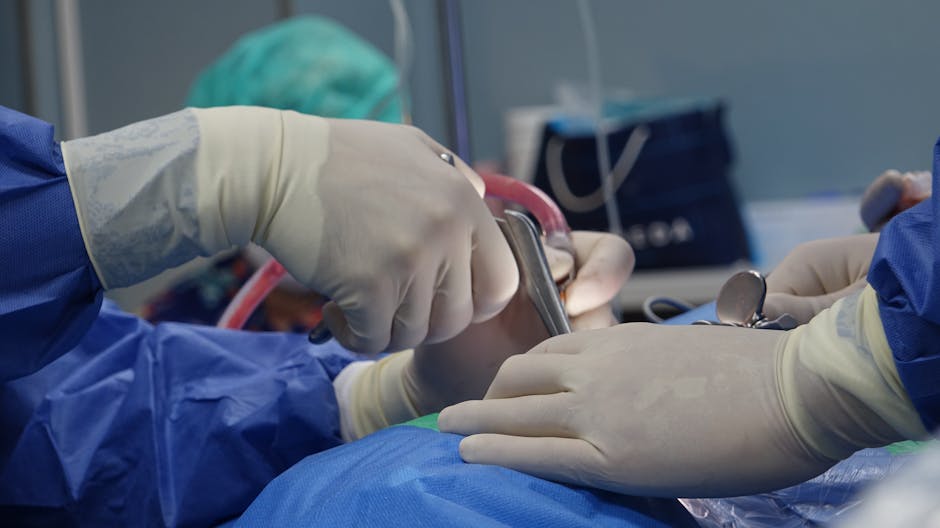
how vets monitor pain after surgery
Introduction
Managing pain after surgery is a crucial aspect of veterinary care that helps ensure a pet’s comfort and supports a smooth recovery. Understanding how vets monitor pain after surgery can provide pet owners with reassurance and insight into the careful attention their animals receive during the healing process. Pain relief is always tailored to each individual pet and guided by a veterinarian’s expertise to promote safety and effectiveness.
This information is intended for educational purposes only and does not recommend specific medications or home treatments. Every pet’s needs are unique, and only a veterinarian can determine the most appropriate approach to pain management based on a thorough assessment. Monitoring pain involves observing behavioral changes, physical signs, and sometimes specialized tools to evaluate discomfort levels accurately.
By recognizing the importance of professional guidance in pain relief, pet owners can better support their animals and know when to seek veterinary advice. Proper pain management not only improves quality of life but also aids in faster recovery and reduces the risk of complications after surgery.
Reviewed by the SASI Vet Medications Editorial Board.
How pain may show up in dogs and cats
After surgery, pets often display subtle signs that can indicate discomfort. Understanding how vets monitor pain after surgery can help you recognize these changes at home and ensure your pet receives the care they need.
Changes in movement and posture
pets in pain may move less, limp, or avoid putting weight on a limb. They might also adopt unusual postures, such as hunching their back or holding a body part stiffly to protect it.
Appetite and grooming habits
A decrease in appetite or reluctance to eat can be a sign of discomfort. Cats and dogs might also groom less or excessively lick a specific area, which can indicate pain or irritation.
Mood and sleep patterns
Look for changes in behavior such as increased irritability, withdrawal, or vocalizing more than usual. Pets may also sleep more or have difficulty settling down comfortably.
Recognizing these signs and communicating them to your veterinarian is important. Vets use these observations, along with clinical assessments, to monitor pain after surgery and adjust care plans accordingly.
Why pain relief should be veterinary-guided
Understanding how vets monitor pain after surgery is essential for ensuring your pet’s safety and comfort. Pets metabolize medications differently than humans, which means that pain relief strategies must be carefully tailored to each animal’s unique needs. Factors such as age, overall health, and the type of surgery all influence the safest and most effective pain management plan.
The importance of professional guidance
Self-medicating your pet can lead to serious complications, including adverse reactions or ineffective pain control. Veterinarians use specialized knowledge and tools to assess pain levels accurately and adjust treatments accordingly. This careful monitoring helps prevent under-treatment or over-treatment, both of which can negatively impact recovery.
Individualized care for every pet
Because every pet responds differently, a veterinary-guided approach ensures that pain relief is both safe and appropriate. Regular check-ins allow the vet to observe healing progress and make necessary changes to the pain management plan. This personalized care supports a smoother recovery and helps your pet return to normal activities comfortably.
Common categories of pain relief in veterinary medicine
Veterinarians use various categories of pain relief to ensure the comfort and safety of pets after surgery. The choice of pain management depends on the individual animal’s condition, the type of surgery performed, and overall health considerations. These options are carefully selected to provide effective relief while minimizing potential side effects.
Types of pain relief commonly used
Pain relief in veterinary care often includes several approaches, such as anti-inflammatory agents, analgesics, and sometimes adjunct therapies that support healing and reduce discomfort. Each category serves a specific purpose and may be combined to achieve optimal pain control.
Monitoring pain after surgery
Understanding how vets monitor pain after surgery is essential for pet owners. Veterinarians assess pain through behavioral observations, physical examinations, and sometimes specialized pain scoring systems. This ongoing evaluation helps guide adjustments in pain management to ensure pets remain comfortable during recovery.
Always consult your veterinarian about the best pain relief options for your pet and report any changes in behavior or signs of discomfort promptly. Proper pain management is a critical part of post-surgical care and contributes significantly to a successful recovery.
Why human pain medicines can be dangerous for pets
Many pet owners want to help their animals feel comfortable after surgery or injury, but it’s important to understand that human pain medicines can be harmful or even life-threatening to pets. Pets metabolize drugs differently than humans, and some ingredients that are safe for people can cause serious side effects in animals. giving human pain medications without veterinary guidance can lead to complications such as stomach ulcers, kidney damage, or toxic reactions.
The importance of veterinary guidance
Only a veterinarian can determine the safest and most effective way to manage your pet’s pain. They consider factors like the type of surgery, your pet’s size, age, and overall health. Vets use specialized knowledge and tools to assess pain levels and adjust treatment accordingly, ensuring your pet’s comfort while minimizing risks.
How vets monitor pain after surgery
Veterinarians monitor pain through careful observation of behavior, appetite, and physical signs. They may use specific pain assessment scales designed for animals to evaluate discomfort levels. This ongoing monitoring helps vets tailor pain management plans and make adjustments as needed, always prioritizing your pet’s safety and well-being.
What to do if you think your pet is in pain
Recognizing when your pet is in pain can be challenging, but your attentive care is crucial for their recovery. If you suspect discomfort, start by creating a calm and quiet environment. Restrict your pet’s activity to prevent further strain, and avoid encouraging movement that might cause additional pain. Providing a soft, comfortable resting area helps support their healing process.
Observing your pet’s behavior
Watch for signs such as restlessness, whimpering, or reluctance to move. These can indicate discomfort. However, every pet expresses pain differently, so trust your instincts and be patient.
When to contact your veterinarian
If you notice persistent signs of pain or any sudden changes in behavior, it’s important to reach out to your veterinarian promptly. They can guide you on the next steps and explain how vets monitor pain after surgery to ensure your pet’s well-being.
Remember, never give your pet any medication without veterinary advice. Your veterinarian is the best resource to help manage your pet’s comfort safely and effectively.
Safety during prescribed pain relief
Understanding how vets monitor pain after surgery is essential for your pet’s safe recovery. Following your veterinarian’s directions carefully ensures that pain relief is effective and minimizes risks. Never combine different pain relief products unless explicitly instructed by your vet, as this can lead to harmful interactions.
Keep a detailed medication list
Maintain an up-to-date list of all medications and supplements your pet is receiving. This helps your veterinarian track what has been given and avoid accidental overlaps or contraindications.
Observe and report changes
Monitor your pet closely for any changes in behavior, appetite, or mobility. These observations provide valuable information to your vet about how well pain is being managed. If you notice anything unusual or concerning, contact your veterinarian promptly.
Ask questions
Never hesitate to ask your vet about any aspect of your pet’s pain management plan. Clear communication helps ensure your pet’s comfort and safety throughout recovery.
When pain may be an emergency
Understanding how vets monitor pain after surgery can help you recognize when your pet needs urgent care. While some discomfort is expected, certain signs indicate that immediate veterinary attention is necessary.
Signs to watch for
- Collapse or inability to stand: If your pet suddenly collapses or cannot stand, this may signal a serious problem requiring prompt evaluation.
- Severe breathing difficulty: Labored or very rapid breathing, gasping, or persistent coughing can indicate distress that should be addressed quickly.
- Uncontrolled bleeding: Any bleeding that soaks through bandages or continues despite gentle pressure needs urgent assessment.
- Severe distress or vocalization: Excessive whining, crying, or signs of extreme anxiety or pain may mean your pet is experiencing significant discomfort.
If you notice any of these signs, contact your veterinarian immediately. Early intervention can make a big difference in your pet’s recovery and comfort. Always keep your vet informed about your pet’s condition after surgery to ensure the best care possible.
Questions pet owners often ask (FAQs)
How do vets monitor pain after surgery?
Veterinarians use a combination of observation and assessment tools to monitor pain after surgery. They look for changes in behavior, such as restlessness, vocalization, or reluctance to move, which can indicate discomfort. Physical signs like increased heart rate, breathing changes, or sensitivity to touch are also carefully evaluated to ensure your pet’s comfort.
What signs should I watch for at home?
At home, watch for any unusual behaviors such as decreased appetite, hiding, excessive licking of the surgical site, or difficulty moving. These can be signs your pet is experiencing pain and may need further evaluation by your veterinarian.
Can pain be completely eliminated after surgery?
While the goal is to minimize pain as much as possible, some discomfort is normal during recovery. Your veterinary team will work to keep your pet comfortable and safe throughout the healing process.
When should I contact my vet about my pet’s pain?
If you notice persistent or worsening signs of discomfort, or if your pet seems unable to rest or eat, it’s important to reach out to your veterinarian promptly. Early communication helps ensure effective pain management and a smoother recovery.
Working with your veterinarian
Understanding how vets monitor pain after surgery is essential for ensuring your pet’s comfort and recovery. Pain management is a collaborative process that involves careful observation and communication between you and your veterinarian. After surgery, your vet will assess your pet’s behavior, appetite, mobility, and overall demeanor to gauge their pain levels.
Importance of follow-up visits
Regular follow-up appointments allow your veterinarian to adjust pain management strategies as needed. These visits provide an opportunity to discuss any changes you’ve noticed, including signs of discomfort or side effects from medications. Consistent monitoring helps prevent complications and supports a smoother healing process.
Sharing your pet’s full history
Be sure to inform your veterinarian about all medications, supplements, and any chronic conditions your pet has. This information is crucial for tailoring pain management plans safely and effectively. Open communication ensures your pet receives the best care possible during recovery.
Remember, never give your pet any medication without veterinary guidance. If you have concerns about your pet’s pain or recovery, contact your veterinarian promptly for advice and support.
Summary
Understanding how vets monitor pain after surgery is essential for ensuring your pet’s comfort and safety during recovery. Pain relief plays a crucial role in healing, but it must be carefully tailored to each animal’s needs. Veterinarians use a combination of observation, physical examination, and behavioral assessments to evaluate pain levels. They look for signs such as changes in appetite, activity, posture, and vocalization, which can indicate discomfort.
Because every pet responds differently to surgery and pain, a one-size-fits-all approach is not appropriate. Vets adjust pain management plans based on ongoing assessments to provide the most effective relief while minimizing risks. It is important for pet owners to avoid self-medicating their animals, as some human or over-the-counter medications can be harmful or even fatal to pets.
Always follow your veterinarian’s guidance and communicate any concerns or changes you notice in your pet’s behavior after surgery. Prompt veterinary attention ensures that pain is managed safely and effectively, supporting a smoother recovery and better quality of life for your furry companion.
- American Veterinary Medical Association (AVMA)
- American Animal Hospital Association (AAHA)
- International Veterinary Academy of Pain Management (IVAPM)
- World Small Animal Veterinary Association (WSAVA)
- British Veterinary Association (BVA)
Disclaimer: This article provides general information about pain relief in pets and does not replace professional veterinary advice. Do not give any medication to your pet unless directed by a licensed veterinarian.