Parasite medication safety in newly adopted pets

Share
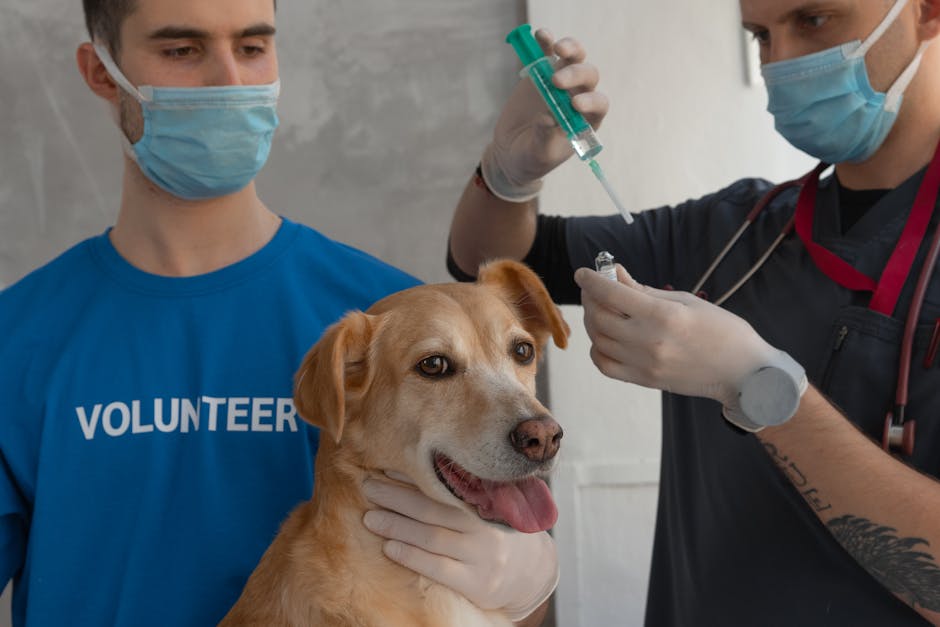
parasite medication safety in newly adopted pets
Introduction
parasite medication safety in newly adopted pets is an important consideration for every pet owner. When bringing a new pet into your home, it is common for veterinarians to recommend medications that help prevent or treat parasites such as fleas, ticks, worms, and other internal or external parasites. These medications are typically prescription or vet-guided to ensure they are safe and effective for your pet’s specific needs.
It is essential to understand that parasite medications should never be given without veterinary guidance. Each pet’s health status, age, weight, and potential sensitivities must be carefully evaluated before starting any anti-parasitic treatment. This general information is intended to raise awareness about the importance of parasite prevention and control but does not replace professional veterinary advice.
Always consult your veterinarian to discuss the best approach for parasite medication safety in newly adopted pets. Responsible use of these medications helps protect your pet’s health and wellbeing while minimizing risks associated with improper use. Your veterinarian can provide personalized recommendations tailored to your pet’s unique situation.
Reviewed by the SASI Vet Medications Editorial Board.
What “parasites” means for pet owners
Parasites are organisms that live on or inside pets, often causing discomfort or health issues. Understanding the difference between external and internal parasites is important for maintaining your pet’s well-being, especially when considering parasite medication safety in newly adopted pets.
External Parasites
External parasites live on the surface of the skin or fur. Common examples include fleas, ticks, and mites. These parasites can cause itching, irritation, and sometimes transmit diseases. They are often visible to the naked eye and may lead to skin infections if left unchecked.
Internal Parasites
Internal parasites reside inside the body, commonly in the digestive tract. These include worms and other microscopic organisms that can affect your pet’s nutrition and overall health. Internal parasites are usually not visible without veterinary testing but can cause symptoms such as weight loss, vomiting, or diarrhea.
When welcoming a new pet into your home, it’s essential to discuss parasite medication safety in newly adopted pets with your veterinarian. This ensures that any parasite concerns are addressed safely and effectively, supporting your pet’s health from the start.
Why anti-parasitics should be veterinary-guided
Ensuring parasite medication safety in newly adopted pets is essential for their health and well-being. Each pet is unique, and factors such as species, age, weight, and existing health conditions significantly influence the choice and safety of anti-parasitic treatments. What works for one animal may not be safe or effective for another.
Individualized care is crucial
Veterinarians assess these individual factors to recommend the safest and most appropriate parasite control options. This personalized approach helps prevent adverse reactions and ensures the treatment effectively targets the parasites common in your pet’s environment.
Risks of improper use
Using leftover medications or products intended for humans can be dangerous and potentially harmful. These products may not be formulated for pets and can cause serious side effects or fail to address the specific parasites affecting your new companion.
Always consult a veterinarian before starting any anti-parasitic treatment. Their guidance ensures your newly adopted pet receives safe, effective care tailored to their unique needs and local parasite risks.
Common situations where vets may discuss parasite prevention
When welcoming a new pet into your home, veterinarians often emphasize parasite medication safety in newly adopted pets to ensure their health and well-being. Various lifestyle factors can influence the risk of parasite exposure, prompting discussions about prevention strategies tailored to your pet’s specific needs.
Outdoor Access and Environment
Pets that spend time outdoors, especially in wooded or grassy areas, are more likely to encounter parasites such as ticks and fleas. Even limited outdoor access can increase exposure risks, making it important to consider preventive measures in these environments.
Travel and Social Settings
Traveling with your pet or frequent visits to daycare facilities can introduce new parasite risks due to contact with other animals and unfamiliar environments. Vets may discuss how these factors impact parasite prevention to keep your pet safe during such activities.
Wildlife Contact and Seasonal Changes
Pets that interact with wildlife or live in regions with seasonal parasite fluctuations require careful attention. Seasonal changes can affect parasite populations, and veterinarians often highlight the importance of adjusting prevention approaches accordingly.
Overall, maintaining parasite medication safety in newly adopted pets involves understanding these lifestyle and environmental factors and working closely with your veterinarian to protect your pet’s health responsibly.
Why the ‘right’ plan differs by pet and region
Parasite medication safety in newly adopted pets is an important consideration that varies depending on several factors. Parasite risks differ widely based on geographic location and seasonal changes, which means a prevention plan that works well in one area may not be suitable in another. For example, some regions have higher risks of certain parasites during warmer months, while others may face year-round exposure.
Additionally, each pet’s lifestyle, health status, and previous exposure to parasites influence the best approach to prevention. Veterinarians take these factors into account to create a tailored plan that prioritizes safety and effectiveness. This personalized strategy helps minimize the risk of side effects and ensures the pet receives appropriate protection without unnecessary treatments.
Because parasite risks and pet needs vary so much, it’s essential to consult a veterinarian soon after adoption. They can assess the specific risks in your area and recommend a safe, customized prevention plan that supports your pet’s health and well-being throughout the year.
Common mistakes to avoid
When considering parasite medication safety in newly adopted pets, it is important to be aware of common errors that can compromise your pet’s health. One frequent mistake is mixing different anti-parasitic products without veterinary guidance. Combining treatments can lead to harmful interactions or overdosing, which may cause serious side effects.
Using the wrong species product
Another risk is using parasite medications intended for a different species. Products formulated for one type of animal may contain ingredients or dosages unsafe for another, potentially resulting in toxicity or ineffective treatment.
Incorrect dosing
Administering incorrect amounts, whether too much or too little, can be dangerous. Overdosing increases the risk of adverse reactions, while underdosing may fail to eliminate parasites, allowing infestations to persist or worsen.
Treating without a proper diagnosis
Starting parasite treatments without a veterinary diagnosis can lead to unnecessary medication or missing the actual health issue. A professional assessment ensures that the chosen approach is safe and appropriate for your newly adopted pet’s specific needs.
Always consult your veterinarian to ensure parasite medication safety in newly adopted pets and to avoid these common pitfalls.
Safety during prescribed anti-parasitic use
Ensuring parasite medication safety in newly adopted pets is essential for their health and well-being. When your veterinarian prescribes anti-parasitic treatment, it is important to follow their directions carefully. This helps maximize the effectiveness of the medication while minimizing any potential risks.
Follow veterinary guidance
Always administer the medication exactly as your veterinarian advises. Avoid altering doses or schedules without consulting your vet, as this can affect treatment success and safety.
Safe storage and record keeping
Store all medications securely, out of reach of children and other animals. Keeping a detailed record of treatments given, including dates and any observed reactions, can be very helpful for ongoing care and future veterinary visits.
Monitor your pet closely
Watch for any changes in behavior, appetite, or physical condition after starting the medication. If you notice anything unusual or concerning, contact your veterinarian promptly for advice.
By prioritizing parasite medication safety in newly adopted pets, you support their smooth transition into your home and promote their long-term health.
Parasites and household safety
When welcoming a newly adopted pet into your home, understanding parasite medication safety in newly adopted pets is essential for the health of both your pet and your family. Parasites such as fleas, ticks, and intestinal worms can sometimes be transmitted to humans, making hygiene and cleanliness a top priority.
Maintaining a clean environment
Regular cleaning routines, including washing bedding, vacuuming floors, and sanitizing common areas, help reduce the risk of parasite spread. Proper disposal of pet waste and maintaining a clean living space contribute significantly to household safety.
Communication with your veterinarian
Professional guidance is crucial when managing parasite risks in new pets. Your veterinarian can provide personalized advice tailored to your pet’s health status and environment. Open communication ensures that any parasite concerns are addressed safely and effectively, minimizing risks to your family.
Remember, responsible parasite management involves more than just medication-it includes hygiene, environmental care, and veterinary support to keep everyone in your home safe and healthy.
Questions pet owners often ask (FAQs)
What should I consider before giving parasite medication to a newly adopted pet?
Before administering any parasite medication, it’s important to have your new pet evaluated by a veterinarian. This ensures the medication is appropriate for their age, health status, and any existing conditions. A professional assessment helps avoid potential adverse reactions and ensures safe use.
Is it safe to start parasite medication immediately after adoption?
While parasite prevention is important, starting medication immediately without veterinary guidance may not always be safe. Your pet’s health history and current condition need to be considered to determine the right timing and approach for parasite control.
Can parasite medications cause side effects in newly adopted pets?
Yes, some pets may experience mild side effects such as digestive upset or lethargy. Serious reactions are rare but possible. Monitoring your pet closely after giving any medication and consulting your veterinarian if you notice unusual symptoms is essential for safety.
How can I ensure parasite medication safety in newly adopted pets?
Always follow your veterinarian’s advice and use medications specifically recommended for your pet. Avoid using leftover or unprescribed products, and keep all medications out of reach of children and other animals to prevent accidental ingestion.
Why is veterinary guidance important for parasite medication safety?
Veterinarians provide tailored recommendations based on your pet’s unique needs, minimizing risks and maximizing effectiveness. Their expertise helps protect your pet’s health and supports responsible parasite control practices.
Working with your veterinarian
Ensuring parasite medication safety in newly adopted pets is an important step in providing a healthy start for your new companion. When you bring a pet home, it’s essential to have an open conversation with your veterinarian about your pet’s lifestyle and environment. Discussing factors such as other pets in the household, presence of children, travel plans, and any previous reactions to medications helps your veterinarian create a tailored and safe parasite prevention plan.
Sharing important information
Be sure to inform your veterinarian about your pet’s history, including any known sensitivities or health concerns. This information allows the veterinary team to consider all aspects of your pet’s well-being and avoid potential adverse effects. Additionally, understanding your living situation and travel habits can influence the choice of parasite prevention strategies that best suit your pet’s needs.
Ongoing communication
Regular check-ins with your veterinarian are valuable to monitor your pet’s response to any parasite prevention measures and to make adjustments if necessary. Prioritizing safety and open dialogue ensures your newly adopted pet receives the most appropriate care for a happy, healthy life.
Summary
Parasite medication safety in newly adopted pets is an important consideration for every pet owner. While anti-parasitic treatments can play a valuable role in protecting pets from harmful parasites, their use must be approached with care and responsibility. Newly adopted animals may have unknown health histories or sensitivities, making veterinary guidance essential before starting any parasite control regimen.
Veterinarians can assess the specific needs of each pet, recommend appropriate options, and monitor for any adverse reactions. This professional oversight helps ensure that parasite medications are both safe and effective. It is also important to follow all instructions provided by the veterinarian and to avoid using products without proper consultation, as incorrect use can lead to health risks or reduced effectiveness.
Ultimately, parasite medication safety in newly adopted pets depends on informed decisions made in partnership with a veterinary professional. This approach supports the well-being of the pet while minimizing potential complications associated with anti-parasitic treatments. Responsible use of these medications contributes to a healthy start in the new home and helps protect pets from parasites that could impact their health and comfort.
- Canadian Veterinary Medical Association (CVMA)
- American Veterinary Medical Association (AVMA)
- World Small Animal Veterinary Association (WSAVA)
- Companion Animal Parasite Council (CAPC)
- Canadian Association of Shelter Veterinarians (CASV)
Disclaimer: This article provides general information about anti-parasitics for pets and does not replace professional veterinary advice. Do not give any medication to your pet unless directed by a licensed veterinarian.