
Can my dog have skin bleeding without injury

Share
Can my dog have skin bleeding without injury
Introduction
Skin bleeding without injury can be a concerning symptom for pet owners, especially when it appears unexpectedly. This issue may affect dogs more commonly, but cats can also experience similar skin changes. Understanding why such symptoms occur is important for your pet’s overall health and comfort.
Changes in the skin, including bleeding, might indicate underlying health problems that could require veterinary attention. While skin bleeding without an obvious injury might seem puzzling, it could be related to various causes such as infections, allergies, or blood clotting issues.
It is important to remember that this information is intended to help you understand possible reasons for skin bleeding in pets and does not replace professional veterinary advice. If you notice any unusual skin symptoms in your dog or cat, including bleeding without injury, you should consult a licensed veterinarian for a thorough evaluation and personalized guidance.
What this skin symptom looks like
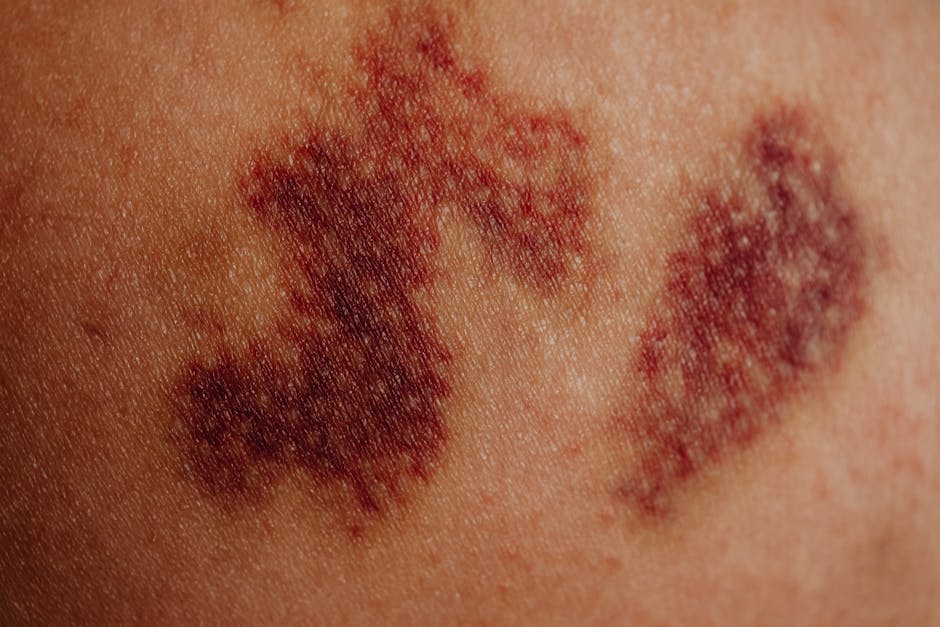
When wondering, Can my dog have skin bleeding without injury, it’s important to observe the skin carefully. Bleeding on the skin without an obvious cut or wound may appear as small red spots, patches of redness, or areas where blood seems to ooze or crust over. The skin might look irritated or inflamed in some cases.
Common appearances
- Red or purple spots that resemble bruises or pinpoint bleeding
- Areas of hair loss around the bleeding spots
- Crusty or scabbed patches where blood has dried
- Swollen or moist skin near the affected areas
- Occasional odor if the skin is infected or inflamed
Each dog’s skin may show these signs differently, and some pets might have more subtle changes. Because bleeding without injury can be caused by various underlying issues, it’s best to have a veterinarian examine your dog to understand what might be happening and to discuss the next steps for care.
Common possible causes
When wondering, can my dog have skin bleeding without injury, it’s important to understand that bleeding from the skin can arise from a variety of underlying causes. This symptom might not always be linked to an obvious wound or trauma.
Allergies and irritants
Allergic reactions to food, environmental factors, or contact with certain substances may cause intense itching and scratching. This can sometimes lead to skin damage and bleeding, even if no direct injury is noticed.
Parasites
Parasites such as fleas, ticks, or mites might irritate the skin, prompting your dog to scratch or bite affected areas. In some cases, this behaviour can result in bleeding spots or sores.
Infections
Bacterial or fungal infections may cause inflammation and skin lesions that could bleed. These infections often develop secondary to other skin issues or injuries.
Hormonal and systemic conditions
Certain hormonal imbalances or systemic illnesses might affect skin health and blood clotting, potentially leading to spontaneous bleeding or bruising on the skin.
Because many different triggers can cause skin bleeding without visible injury, it is best to consult a veterinarian. A thorough examination and appropriate tests can help identify the specific cause and guide safe care for your dog.
Less common but important causes
In some cases, skin bleeding without injury in dogs may be related to less common but important underlying conditions. These causes often require thorough veterinary evaluation to identify and manage appropriately.
Autoimmune diseases
Autoimmune disorders can cause the immune system to mistakenly attack the skin or blood vessels, potentially leading to bleeding or bruising. While less commonly seen, these conditions might explain unexplained skin bleeding in some dogs.
Serious infections and systemic illness
Certain infections or systemic illnesses could affect blood clotting or the integrity of blood vessels, resulting in skin bleeding without an obvious injury. These situations may be more complex and require diagnostic testing to determine the cause.
Rare causes: cancer
In rare cases, cancers affecting the skin or blood cells might cause bleeding or bruising. Although uncommon, this possibility is considered by veterinarians when other causes have been ruled out.
If you wonder, can my dog have skin bleeding without injury, it is important to consult a licensed veterinarian. They can perform the necessary examinations and tests to identify the cause and recommend appropriate care tailored to your pet’s needs.
When it may be an emergency
If you notice your pet experiencing severe pain or rapid swelling, it could indicate a serious problem that requires immediate veterinary attention. These signs might suggest an underlying condition that needs prompt evaluation.
Open or bleeding sores, especially if they appear without a clear injury, should be taken seriously. In some cases, skin bleeding without injury may be a sign of an infection or other health issues that need urgent care.
Red flag signs to watch for include:
- Large or rapidly spreading open wounds
- Continuous or heavy bleeding from the skin
- Signs of infection such as pus, foul odor, or increased warmth
- Difficulty breathing or coughing
- Sudden changes in behaviour, such as lethargy or aggression
If your dog shows any of these symptoms, it is important to contact a veterinarian as soon as possible. Early assessment can help prevent complications and ensure your pet receives appropriate care tailored to their needs.
How veterinarians investigate skin symptoms
When a pet owner wonders, “can my dog have skin bleeding without injury,” a veterinarian begins by gathering a detailed history. This includes asking about the duration, frequency, and any other symptoms noticed. Understanding the pet’s environment, diet, and previous health issues may also provide important clues.
Physical examination and initial tests
A thorough physical exam helps identify visible signs such as redness, swelling, or hair loss. Veterinarians often perform skin scrapings or cytology to examine cells and detect parasites or infections. These tests are generally quick and minimally invasive.
Additional diagnostic approaches
In some cases, cultures might be taken to identify bacterial or fungal infections. Allergy workups could be considered if an allergic reaction is suspected. Blood tests may help evaluate overall health or detect underlying conditions that affect the skin.
When necessary, a skin biopsy might be recommended to obtain a small sample for microscopic examination. This can provide more detailed information about the nature of the skin problem.
If your dog is experiencing unexplained skin bleeding or other skin issues, consulting a licensed veterinarian is important. They can determine which diagnostic steps are appropriate and guide you through the process safely and effectively.
What pet owners can monitor at home
If you notice skin bleeding on your dog, you might wonder, can my dog have skin bleeding without injury? While some bleeding may occur without an obvious wound, it is important to observe several details at home to help your veterinarian understand the situation better.
When the problem started and progression
Try to note when you first saw the bleeding and whether it has increased, decreased, or stayed the same over time. Tracking any changes can provide useful clues about the underlying cause.
Areas affected and appearance
Observe which parts of your dog’s body are involved. Is the bleeding localized to one spot or spread across multiple areas? Also, note if the skin looks inflamed, swollen, or has other unusual features.
Additional factors to consider
- Level of itching or discomfort your dog shows
- Any recent changes in diet or introduction of new foods
- Use of new grooming products, shampoos, or topical treatments
- Exposure to other animals or outdoor environments
- Seasonal patterns or weather changes that might affect the skin
Keeping a detailed record of these observations may help your veterinarian determine potential causes. If you notice persistent or worsening bleeding, it is important to consult a licensed veterinarian for a thorough evaluation and personalized advice.
General home care guidance
If you are wondering, can my dog have skin bleeding without injury, it is important to observe your pet carefully and take steps to prevent further irritation. Skin bleeding without an obvious injury might be caused by scratching, licking, or underlying conditions that require professional evaluation.
Preventing self-trauma
Dogs may worsen skin bleeding by repeatedly scratching or licking affected areas. Using an Elizabethan collar, if recommended by your veterinarian, can help reduce self-trauma and allow the skin to begin healing. Keeping your dog’s nails trimmed may also minimize damage caused by scratching.
Managing the environment
Avoid applying harsh shampoos, soaps, or other products to your dog’s skin, as these could increase irritation or delay healing. Instead, maintain a clean and comfortable environment to support your pet’s skin health. Regularly check the skin for any changes or worsening symptoms.
Remember, skin bleeding without injury might indicate an underlying issue that needs veterinary attention. If you notice persistent bleeding, swelling, or changes in behaviour, please consult a licensed veterinarian for personalized advice and appropriate care.
Preventing future flare-ups
Skin issues in pets can be frustrating, especially when symptoms like bleeding appear without an obvious injury. While it’s important to consult a veterinarian for a proper evaluation, there are general strategies that may help reduce the risk of future flare-ups.
Regular Veterinary Checkups
Routine visits to the veterinarian allow for early detection of underlying conditions that might cause skin problems. Your vet can monitor your pet’s overall health and adjust care plans as needed.
Parasite Prevention
Parasites such as fleas and ticks can irritate the skin and lead to scratching or bleeding. Consistent parasite control, as recommended by your veterinarian, might help minimize these risks.
Gentle Grooming and Appropriate Diet
Using gentle grooming techniques and pet-safe products can reduce skin irritation. Additionally, a balanced diet tailored to your pet’s needs may support healthy skin and coat.
Environmental Control for Allergies
In some cases, environmental allergens contribute to skin flare-ups. Managing exposure to potential irritants, such as dust or pollen, could help lessen symptoms.
If you wonder, “can my dog have skin bleeding without injury,” it’s best to seek veterinary advice to explore possible causes and develop a long-term care plan. Following your veterinarian’s recommendations is key to managing your pet’s skin health safely and effectively.
FAQs
Can my dog have skin bleeding without injury?
Yes, skin bleeding without an obvious injury may occur in some dogs. This could be due to underlying conditions such as skin infections, allergies, or blood clotting disorders. It’s important to have a veterinarian evaluate your dog to determine the cause.
What might cause spontaneous bleeding on my pet’s skin?
Spontaneous bleeding could be related to factors like fragile blood vessels, certain infections, or immune system issues. Some systemic diseases may also affect clotting and lead to bleeding without trauma.
Should I be concerned if my dog’s skin bleeds easily?
Easy bleeding can be a sign of an underlying health problem that needs veterinary attention. While minor bleeding might not always be serious, persistent or unexplained bleeding should be assessed promptly.
Can allergies cause skin bleeding in dogs?
In some cases, severe itching from allergies may lead to scratching or biting that causes skin damage and bleeding. Allergies themselves usually don’t cause bleeding directly but can contribute to skin irritation.
When should I see a veterinarian about skin bleeding?
If you notice unexplained bleeding, repeated episodes, or other symptoms like swelling or lethargy, it’s best to consult a veterinarian. Early evaluation can help identify any serious conditions and guide appropriate care.
Summary
Skin symptoms in dogs can be concerning and may indicate a variety of underlying issues. Understanding why these symptoms occur is important for ensuring your pet’s health and comfort. In some cases, skin bleeding without injury might happen, which could be a sign of an internal problem rather than an external wound.
There are many possible causes for skin bleeding or other skin changes, including:
- Allergic reactions
- Infections or parasites
- Blood clotting disorders
- Underlying systemic diseases
Because the causes can vary widely, it is important to work closely with a licensed veterinarian. They can perform a thorough examination and recommend appropriate diagnostic tests to determine the cause of your dog’s skin symptoms.
Remember, while skin bleeding without injury may seem alarming, it does not always indicate a serious problem. Prompt veterinary advice is the best way to ensure your dog receives the care they need. Staying calm and observant will help you provide the best support for your pet’s health and well-being.
- Canadian Veterinary Medical Association
- American Veterinary Medical Association
- World Small Animal Veterinary Association
- Canadian Animal Health Institute
- Veterinary Dermatology Specialty Groups
Disclaimer: This article provides general information about skin-related symptoms in pets and does not replace professional veterinary advice. Always consult a licensed veterinarian regarding your pet’s specific condition.