Sneezing in dogs

Share
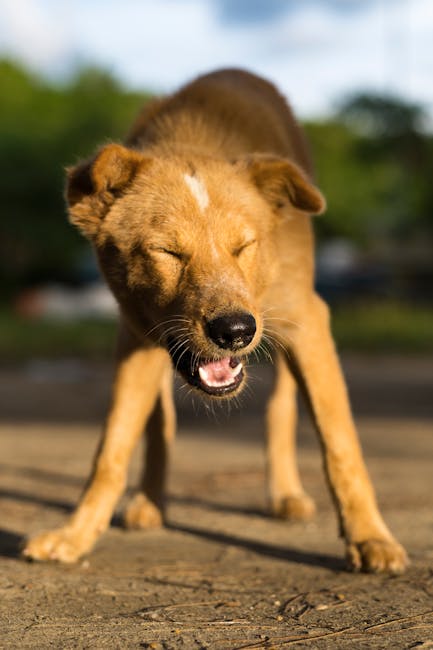
sneezing in dogs
Introduction
Sneezing in dogs is a common respiratory symptom that can also affect other pets like cats. It involves sudden, forceful expulsion of air through the nose and mouth, often caused by irritation or inflammation in the nasal passages.
Changes in breathing or respiratory signs may indicate underlying health issues that could affect your pet’s comfort and well-being. While sneezing might be harmless in some cases, it could also signal infections, allergies, or other conditions that require attention.
Why respiratory symptoms matter
- They can affect your pet’s ability to breathe comfortably.
- They might point to infections or irritants that need veterinary care.
- Early recognition helps ensure timely evaluation and support.
This information is intended to help you understand sneezing in dogs better but does not replace professional veterinary advice. If your pet shows persistent or severe respiratory symptoms, it is important to consult a licensed veterinarian for a thorough assessment and personalized guidance.
Reviewed by the SASI Vet Respiratory Symptoms Editorial Board.
How this respiratory symptom typically appears
Sneezing in dogs is a common respiratory symptom that owners often notice at home. It may happen occasionally or more frequently, and sometimes it can be accompanied by other signs affecting your pet’s breathing.
Common signs you might observe
Along with sneezing, your dog might show:
- Coughing or gagging sounds
- Noisy or raspy breathing
- Faster breathing than usual
- Open-mouth breathing, especially if your dog seems uncomfortable
- Nasal discharge that could be clear, cloudy, or colored
- Episodes of reverse sneezing, which can look like rapid inhaling through the nose
- Effortful or laboured breathing in some cases
Each dog may show these signs differently, and the severity can vary. Some pets might only sneeze occasionally with no other symptoms, while others could have more noticeable breathing changes.
If you notice persistent sneezing or any difficulty breathing, it’s important to consult a veterinarian. They can help determine the cause and recommend appropriate care tailored to your dog’s needs.
Common possible causes
Sneezing in dogs can arise from a variety of causes, ranging from mild to more complex issues. Understanding these common categories may help you recognize when your pet might need veterinary attention.
Mild infections
Upper respiratory infections, often caused by viruses or bacteria, might lead to sneezing. These infections can cause inflammation and irritation in the nasal passages, resulting in frequent sneezing episodes.
Irritants and allergies
Environmental factors such as dust, pollen, smoke, or strong odors could trigger sneezing in some dogs. Allergic reactions to these irritants may cause nasal discomfort and sneezing as the body attempts to clear the irritant.
Upper airway issues
Structural problems or foreign objects lodged in the nasal passages might also cause sneezing. In some cases, inflammation or growths in the upper airway could be contributing factors.
Stress and other factors
Stress or excitement might occasionally lead to sneezing, although this is less common. Because sneezing in dogs can have many different triggers, it is important to observe other symptoms and consult a veterinarian for a thorough evaluation.
Less common but important causes
While sneezing in dogs is often due to mild irritations, in some cases it may be a sign of less common but more serious health issues. These conditions typically require veterinary evaluation to determine the underlying cause and appropriate care.
Respiratory infections and pneumonia
Less commonly, sneezing might be associated with infections that affect the lungs, such as pneumonia. This condition can cause coughing, difficulty breathing, and lethargy alongside sneezing.
Heart and airway concerns
In some cases, heart disease or airway collapse could contribute to respiratory symptoms including sneezing. These problems may also cause coughing, exercise intolerance, or changes in breathing patterns.
Fluid accumulation and tumours
Fluid around the lungs (pleural effusion) or, rarely, tumours in the respiratory tract might cause sneezing along with other signs like laboured breathing or reduced appetite. These are less frequent but important causes to consider.
If your dog is experiencing persistent or worsening sneezing, it is important to consult a licensed veterinarian. They can perform a thorough examination and recommend any necessary tests to identify the cause and guide appropriate care.
When it may be an emergency
Sneezing in dogs is often harmless, but certain signs alongside sneezing could indicate a more serious problem requiring urgent veterinary attention. It’s important to recognize these red flags to ensure your pet receives timely care.
Signs that need immediate veterinary care
- Open-mouth breathing, especially in cats, may suggest difficulty getting enough air.
- Blue or pale gums can indicate low oxygen levels or poor circulation.
- Rapid or laboured breathing might mean your pet is struggling to breathe properly.
- Collapse or extreme weakness could signal a severe underlying condition.
- Any pet that is visibly struggling to catch their breath should be seen promptly.
If you notice any of these signs in your dog or cat, it is best to contact a veterinarian right away. These symptoms may point to serious respiratory or cardiovascular issues that require professional evaluation and care. Always err on the side of caution when your pet’s breathing is compromised.
How veterinarians evaluate respiratory symptoms
When a dog shows signs such as sneezing in dogs or other breathing difficulties, veterinarians begin by gathering a detailed medical history. This helps them understand the duration, frequency, and any possible triggers for the symptoms.
Physical examination
A thorough physical exam is performed, including listening carefully to the heart and lungs with a stethoscope. This can provide clues about the presence of infections, inflammation, or other respiratory issues.
Diagnostic tests
To further investigate, veterinarians may recommend several diagnostic tests, which could include:
- X-rays to view the chest and nasal passages
- Blood tests to check for infections or underlying conditions
- Measuring oxygen levels to assess breathing efficiency
- In some cases, ultrasound or advanced imaging techniques might be used for a more detailed evaluation
Each of these steps helps build a clearer picture of the pet’s respiratory health. If your dog is experiencing respiratory symptoms, it is important to consult a licensed veterinarian who can provide personalized advice and appropriate care.
What pet owners can monitor at home
When your dog is showing signs like sneezing in dogs, there are several details you can observe at home to help your veterinarian better understand your pet’s condition. Monitoring these signs carefully may provide useful information during a veterinary visit.
Breathing rate and effort
Check your pet’s breathing rate when they are resting and calm. Notice if your dog seems to be breathing faster than usual or if they are working harder to breathe. Increased effort or noisy breathing might be important to mention to your veterinarian.
Presence of cough, sneeze, or nasal discharge
Keep track of how often your dog coughs or sneezes, and note any nasal discharge. Is the discharge clear, cloudy, or colored? These details could help identify potential causes but should always be discussed with a veterinary professional.
Changes in behaviour and appetite
Observe if your dog’s activity level or appetite changes. A decrease in energy or reluctance to eat might indicate that your pet is feeling unwell and should be evaluated by a veterinarian.
Known triggers
Note if sneezing or other symptoms occur after specific activities or exposures, such as exercise, excitement, cold air, or dusty environments. Identifying possible triggers can assist your veterinarian in determining the next steps for your pet’s care.
General home care guidance
If your pet is experiencing sneezing in dogs, there are several steps you might take at home to help keep them comfortable. It is important to maintain a calm and quiet environment, as stress or excitement could potentially worsen respiratory symptoms.
Avoid exposing your pet to smoke, strong fumes, or other airborne irritants that may trigger or aggravate sneezing. This includes household cleaners, perfumes, and cigarette smoke. Ensuring good ventilation in your home can also be beneficial.
Activity and rest
Preventing over-exertion is another key aspect of home care. Encourage your pet to rest and avoid vigorous play or exercise until their symptoms improve or a veterinarian advises otherwise. Rest may help reduce irritation and support recovery.
Following veterinary advice
Always follow the instructions provided by your veterinarian regarding your pet’s care. If your pet’s sneezing persists, worsens, or is accompanied by other signs such as nasal discharge, coughing, or difficulty breathing, it is important to seek veterinary attention promptly.
Remember, while these general home care tips may help, they do not replace professional veterinary evaluation and treatment tailored to your pet’s specific needs.
Supporting long-term respiratory health
Maintaining your pet’s respiratory health over time involves several general strategies that may help reduce the risk of issues such as sneezing in dogs. Regular veterinary checkups are important to monitor your pet’s overall health and catch any potential respiratory concerns early.
Keeping your pet at a healthy weight might also support easier breathing and reduce strain on their respiratory system. Avoiding exposure to smoke, harsh aerosols, and other environmental irritants could help minimize respiratory irritation and inflammation.
Practical tips for daily care
- Use harnesses instead of tight collars when appropriate to avoid pressure on the neck and airways.
- Stay current on vaccinations recommended by your veterinarian, as some respiratory illnesses can be prevented this way.
- Provide a clean, well-ventilated living environment to reduce airborne irritants.
If you notice persistent or worsening respiratory symptoms, it is important to consult a licensed veterinarian. They can provide personalized advice and guidance tailored to your pet’s specific needs.
FAQs
What are common causes of sneezing in dogs?
Sneezing in dogs may be caused by irritants such as dust, pollen, or strong smells. In some cases, it could indicate an infection, allergies, or a foreign object in the nasal passages. If sneezing is frequent or accompanied by other symptoms, a veterinary check-up is recommended.
When should I be concerned about my dog’s sneezing?
If sneezing lasts more than a few days, is severe, or is accompanied by nasal discharge, coughing, or difficulty breathing, it might be a sign of a more serious issue. Contacting a veterinarian can help determine the cause and appropriate care.
Can sneezing in dogs be a sign of allergies?
Yes, sneezing might be related to allergies, especially if it occurs seasonally or after exposure to certain environments. A veterinarian can help identify potential allergens and suggest ways to manage your dog’s symptoms safely.
Is sneezing contagious between dogs or to humans?
Some infections that cause sneezing in dogs could be contagious to other dogs, but transmission to humans is rare. It’s best to have a veterinarian evaluate your dog to understand the cause and any precautions needed.
How can I help my dog if it is sneezing?
Keeping your dog away from known irritants and maintaining a clean environment may help reduce sneezing. However, because sneezing can have many causes, consulting a veterinarian is important to ensure your dog receives appropriate care.
Summary
Respiratory symptoms in pets, such as sneezing in dogs, can indicate a variety of underlying health issues. These symptoms may range from mild irritations to signs of more serious conditions affecting the nose, throat, or lungs.
Possible causes of respiratory symptoms include:
- Allergies or environmental irritants
- Infections caused by viruses, bacteria, or fungi
- Foreign objects lodged in the nasal passages
- Chronic conditions affecting the respiratory tract
Because the causes can vary widely, it is important to observe your pet carefully and note any additional signs such as coughing, nasal discharge, or changes in breathing. These details can help a veterinarian determine the best approach for diagnosis and care.
If your pet is experiencing sneezing or other respiratory symptoms, consulting a licensed veterinarian is the safest way to ensure they receive appropriate evaluation and treatment. Early veterinary advice can help manage symptoms effectively and support your pet’s overall well-being.
- Canadian Veterinary Medical Association
- American Veterinary Medical Association
- World Small Animal Veterinary Association
- Ontario Veterinary College, University of Guelph
- Western College of Veterinary Medicine, University of Saskatchewan
Disclaimer: This article provides general information about respiratory symptoms in pets and does not replace professional veterinary advice. Always consult a licensed veterinarian regarding your pet’s specific condition.