
Pet swallowing mucus

Share
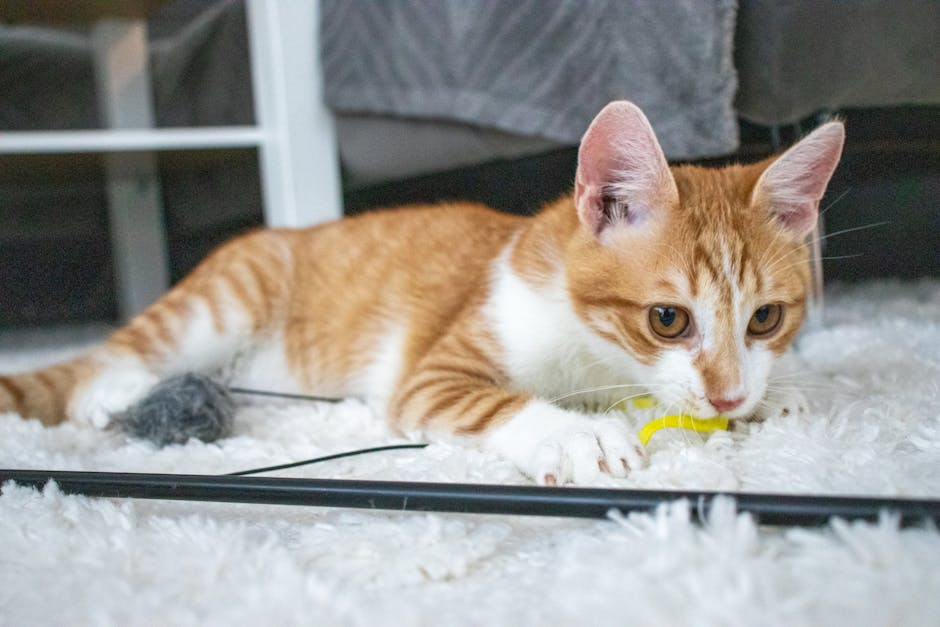
pet swallowing mucus
Introduction
Changes in your pet’s breathing can be concerning and may indicate an underlying health issue. Pets such as dogs and cats might sometimes swallow mucus, which can be a sign of respiratory irritation or congestion. Understanding these symptoms is important for your pet’s comfort and overall well-being.
Breathing difficulties or unusual respiratory behaviours could affect your pet’s ability to get enough oxygen and may cause discomfort. While swallowing mucus might seem minor, it could be related to conditions affecting the nose, throat, or lungs.
It is important to remember that this information is intended to help you recognize possible respiratory symptoms in your pet. It does not replace professional veterinary advice. If you notice your dog or cat swallowing mucus or showing any changes in breathing, you should consult a licensed veterinarian. They can provide a thorough examination and recommend appropriate care tailored to your pet’s needs.
Reviewed by the SASI Vet Respiratory Symptoms Editorial Board.
How this respiratory symptom typically appears
When a pet is swallowing mucus, owners might notice a variety of signs related to their breathing and comfort. Some pets may cough or sneeze more often than usual, while others might have noisy or faster breathing. These signs can vary depending on the underlying cause and the individual pet.
Common signs you might observe
- Coughing or gagging, sometimes as if trying to clear the throat
- Sneezing or nasal discharge that may be clear or thick
- Noisy breathing, such as wheezing or snorting sounds
- Faster or more laboured breathing, occasionally with open-mouth breathing
- Episodes of reverse sneezing, which can look like sudden, rapid inhalations
Each pet may show these symptoms differently, and some signs might come and go. If you notice your pet swallowing mucus along with any of these breathing changes, it could indicate irritation or inflammation in the airways. Because these symptoms can have many causes, it is important to consult a veterinarian to understand what might be happening and to get advice tailored to your pet’s needs.
Common possible causes
When a pet is swallowing mucus, it may indicate several different underlying issues. This symptom can arise from mild infections, irritants, allergies, or other conditions affecting the respiratory system. Understanding these possibilities can help you recognize when veterinary advice is needed.
Mild infections
Infections such as viral or bacterial respiratory illnesses might cause increased mucus production. Pets may swallow mucus as a way to clear their throat or airways. These infections often come with other signs like coughing or sneezing, but the severity can vary widely.
Irritants and allergies
Exposure to environmental irritants such as dust, smoke, or strong odors could lead to mucus buildup. Allergies are another common cause, where the immune system reacts to substances like pollen or mold. Both irritants and allergies might cause your pet to swallow mucus more frequently.
Upper airway issues and stress
Conditions affecting the upper airway, including inflammation or mild obstructions, might trigger mucus swallowing. Additionally, stress or anxiety can sometimes cause changes in breathing patterns or throat clearing behaviors that resemble swallowing mucus.
Because the same respiratory symptom can have many different triggers, it is important to consult a licensed veterinarian for a thorough evaluation and personalized advice tailored to your pet’s specific situation.
Less common but important causes
In some cases, when a pet is swallowing mucus frequently, veterinarians may consider less common but more serious underlying issues. These conditions might require thorough examination and diagnostic testing to identify.
Possible serious conditions
Less commonly, respiratory symptoms like swallowing mucus could be related to pneumonia, which is an infection of the lungs. This condition may cause coughing, difficulty breathing, and lethargy.
Heart disease is another potential cause that might affect breathing and mucus production. It can lead to fluid buildup in or around the lungs, making it harder for pets to breathe comfortably.
Other considerations
Airway collapse, especially in small breed dogs, could also contribute to symptoms involving mucus swallowing. This condition causes the airways to narrow, which may lead to coughing or gagging.
In rare cases, tumours in the respiratory tract or chest area might cause similar signs. While these are less frequent, they are important to consider when symptoms persist or worsen.
If your pet is swallowing mucus often or showing other respiratory signs, it is best to consult a licensed veterinarian. They can provide a thorough evaluation and recommend appropriate care based on your pet’s specific situation.
When it may be an emergency
In some cases, respiratory symptoms such as a pet swallowing mucus might indicate a serious problem requiring urgent veterinary attention. It is important to recognize red flag signs that could suggest your pet is in distress.
Signs to watch for
If your pet shows any of the following symptoms, you should contact a veterinarian immediately:
- Open-mouth breathing, especially in cats, which normally breathe through their nose
- Blue or pale gums, indicating possible low oxygen levels
- Rapid or laboured breathing that seems difficult or painful
- Collapse or extreme weakness
- Struggling to catch their breath or gasping for air
These signs may suggest a serious respiratory or cardiovascular issue that requires prompt evaluation. While a pet swallowing mucus alone might not always be an emergency, the presence of these symptoms could mean the situation is more urgent.
If you notice any of these red flags, it is best to seek veterinary care without delay to ensure your pet receives appropriate assessment and support.
How veterinarians evaluate respiratory symptoms
When a pet shows signs of breathing difficulties, such as swallowing mucus or coughing, veterinarians begin by gathering a detailed medical history. This helps them understand the duration, frequency, and any possible triggers for the symptoms.
A thorough physical exam is then performed, which often includes listening carefully to the heart and lungs using a stethoscope. This can provide important clues about the pet’s respiratory health.
Diagnostic tests
To gain a clearer picture, veterinarians may recommend several diagnostic tests. Common tests include:
- X-rays to view the lungs and airways
- Blood tests to check for infections or other underlying conditions
- Measuring oxygen levels to assess how well the pet is breathing
In some cases, ultrasound or more advanced imaging techniques might be suggested to further investigate the cause of respiratory symptoms.
It is important to remember that these steps help veterinarians form a general understanding of the problem. If your pet is swallowing mucus or showing other respiratory signs, consulting a licensed veterinarian is the best way to receive personalized advice and appropriate care.
What pet owners can monitor at home
When your pet is swallowing mucus or showing other respiratory symptoms, there are several details you can observe at home to help provide useful information to your veterinarian. Monitoring your pet’s breathing rate while at rest is a good starting point. Count the number of breaths per minute and note if it seems faster or slower than usual.
Breathing effort and sounds
Pay attention to how hard your pet is working to breathe. Increased effort, such as flaring nostrils, open-mouth breathing, or visible chest movement, might indicate discomfort. Listen for any unusual sounds like coughing or sneezing, which could be related to mucus or irritation in the airways.
Other signs to watch for
Observe if there is any nasal discharge and note its colour and consistency. Changes in your pet’s activity level or appetite may also be important. Some pets may show symptoms more clearly after exposure to known triggers such as exercise, excitement, cold air, or dusty environments.
Keeping a simple daily log of these observations can be helpful. Remember, these signs may vary and do not replace a veterinary examination. If you notice worsening symptoms or have concerns, contacting a licensed veterinarian is always the safest choice for your pet’s health.
General home care guidance
If your pet is swallowing mucus, it may indicate some irritation or mild respiratory discomfort. Keeping your pet calm and comfortable is important, as stress or excitement could potentially worsen their symptoms.
Try to avoid exposing your pet to smoke, strong fumes, or other airborne irritants that might aggravate their respiratory system. A clean, well-ventilated environment can help reduce potential triggers.
Activity and rest
Preventing over-exertion is advisable, especially if your pet seems tired or is having difficulty breathing. Gentle rest periods might support their recovery, but always observe your pet’s behaviour closely.
Following veterinary advice
It is essential to follow any instructions provided by your veterinarian carefully. They may have specific recommendations tailored to your pet’s condition that could help manage symptoms like swallowing mucus.
Remember, if your pet’s symptoms worsen or do not improve, contacting your veterinarian promptly is the safest course of action. They can provide personalized guidance and determine if further evaluation is needed.
Supporting long-term respiratory health
Maintaining your pet’s respiratory health over time involves several general strategies that may help reduce the risk of issues. Regular veterinary checkups are important to monitor your pet’s overall condition and catch any early signs of respiratory concerns.
Keeping your pet at a healthy weight might also support easier breathing and reduce strain on the respiratory system. Avoiding exposure to smoke, harsh aerosols, and other irritants in the environment could help minimize respiratory irritation.
Practical tips for daily care
- Use harnesses instead of tight collars when appropriate, as harnesses may reduce pressure on the throat and airway.
- Stay current on vaccinations recommended by your veterinarian, which might protect against respiratory infections.
- Observe your pet for signs such as coughing, wheezing, or pet swallowing mucus, and discuss any concerns with your veterinarian promptly.
Each pet is unique, so it’s best to consult your veterinarian for personalized advice tailored to your pet’s specific needs and health status. These steps may contribute to supporting your pet’s respiratory health in the long term.
FAQs
Why is my pet swallowing mucus?
Pets may swallow mucus when their respiratory tract produces excess secretions due to irritation or infection. This behavior might help clear their throat but could also indicate an underlying issue. If you notice frequent swallowing of mucus, it’s a good idea to consult your veterinarian for a thorough evaluation.
Can swallowing mucus cause my pet discomfort?
Swallowing mucus itself is usually not harmful, but it may be a sign that your pet is experiencing respiratory irritation or congestion. In some cases, this could lead to coughing, gagging, or difficulty breathing. Monitoring your pet’s overall condition and seeking veterinary advice is important if symptoms persist.
What conditions might cause a pet to swallow mucus?
Several conditions might cause increased mucus production, including allergies, infections, or inflammation of the respiratory tract. In some cases, dental issues or foreign objects in the throat could also contribute. A veterinarian can help determine the cause through a physical exam and appropriate tests.
When should I see a veterinarian about my pet swallowing mucus?
If your pet frequently swallows mucus along with other signs such as coughing, sneezing, nasal discharge, or changes in breathing, it’s best to seek veterinary care. Early assessment can help identify any underlying problems and guide appropriate management.
How can I help my pet at home if they are swallowing mucus?
While waiting for veterinary advice, ensure your pet has access to fresh water and a comfortable environment. Avoid exposing them to smoke or strong irritants. However, home care should not replace professional evaluation, especially if symptoms worsen or persist.
Summary
Respiratory symptoms in pets, such as coughing, sneezing, or a pet swallowing mucus, can indicate a variety of underlying health issues. These symptoms may range from mild irritations to more serious conditions affecting the respiratory tract.
Possible causes might include infections, allergies, environmental irritants, or other medical concerns. Because the reasons behind respiratory symptoms can be diverse, it is important to observe your pet carefully and note any changes in their behaviour or breathing patterns.
Why Veterinary Guidance Matters
Working with a licensed veterinarian is essential to accurately identify the cause of respiratory symptoms. A professional evaluation may involve a physical examination and diagnostic tests to determine the best approach for your pet’s health.
- Respiratory symptoms could signal mild or serious conditions.
- Early veterinary assessment helps ensure appropriate care.
- Monitoring your pet’s symptoms supports timely intervention.
Remember, while some respiratory signs might improve on their own, others could require medical attention. If you notice your pet swallowing mucus frequently or showing other respiratory changes, contacting your veterinarian is the safest step. With proper care, many pets recover well and continue to enjoy a good quality of life.
- Canadian Veterinary Medical Association
- American Veterinary Medical Association
- World Small Animal Veterinary Association
- Ontario Veterinary College, University of Guelph
- Western College of Veterinary Medicine, University of Saskatchewan
Disclaimer: This article provides general information about respiratory symptoms in pets and does not replace professional veterinary advice. Always consult a licensed veterinarian regarding your pet’s specific condition.