Cat paw licking causes and when to be concerned

Share
Cat paw licking causes and when to be concerned
Introduction
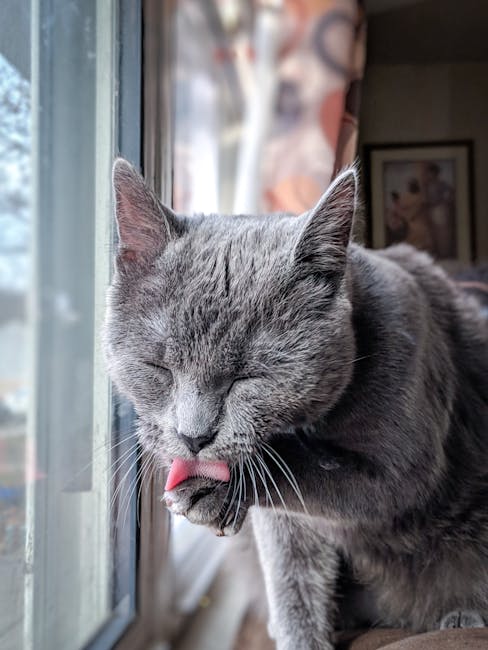
Excessive paw licking in cats is a common behaviour that many pet owners notice. This article explores cat paw licking causes and when to be concerned, providing an overview of potential reasons behind this behaviour. While cats are the primary focus, some information may also be relevant to other pets such as dogs.
Paw licking is often a normal grooming activity, but when it becomes frequent or intense, it may indicate underlying issues. These can include allergies, skin irritations, stress, or pain. Understanding why a cat licks its paws excessively is important because it can affect the animal’s comfort and overall health.
Pet owners should be aware that this article does not replace a veterinary visit. Only a licensed veterinarian can accurately diagnose the cause of paw licking and recommend appropriate treatment. If you notice changes in your cat’s licking habits or any signs of discomfort, consulting a professional is advised.
Reviewed by SASI Vet Editorial Board.
What this condition is
Cat paw licking causes and when to be concerned often relate to a condition where cats repeatedly lick their paws more than usual. This behaviour may cause irritation or damage to the skin on their paws. It is often associated with underlying issues affecting the paws or overall health.
The condition primarily affects the paws, which include the pads and surrounding skin. Over time, excessive licking can lead to redness, swelling, or sores. This behaviour may develop gradually or suddenly, depending on the cause.
Common factors involved
- Allergies to food, environmental factors, or substances the cat contacts
- Infections such as bacterial or fungal infections
- Injuries or foreign objects stuck in the paw
- Stress or anxiety leading to compulsive licking
- Underlying medical conditions affecting the skin or nerves
Veterinarians may recommend a thorough examination to determine the cause. Only a licensed veterinarian can diagnose and treat the underlying issue appropriately.
Common causes
Cat paw licking causes and when to be concerned can vary widely. This behaviour is often associated with grooming, but excessive licking may indicate underlying issues. Veterinarians observe several common causes and risk factors in clinical practice.
Common causes
- Allergies: Environmental allergens, food sensitivities, or flea bites may cause itching and discomfort, leading cats to lick their paws more frequently.
- Infections: Bacterial or fungal infections can develop if the skin is broken or irritated, sometimes resulting from persistent licking.
- Pain or injury: Paw licking may be a response to pain from wounds, foreign objects, or arthritis affecting the limbs.
- Stress or anxiety: Behavioural factors such as stress, boredom, or anxiety may cause cats to lick their paws excessively as a coping mechanism.
- Parasites: Fleas, mites, or other parasites can irritate the skin and prompt licking.
In some cases, the cause of excessive paw licking is uncertain or multifactorial. Veterinarians may recommend a thorough examination and diagnostic tests to identify the underlying issue. Only a licensed veterinarian can diagnose and provide appropriate treatment for your pet’s condition.
Typical signs and symptoms
Cat paw licking causes and when to be concerned can vary depending on the underlying issue. Pet owners may notice a range of signs, from mild to more serious, that indicate their cat is experiencing discomfort or irritation.
Mild signs often include:
- Occasional licking or grooming of one or more paws
- Redness or slight swelling around the paw pads
- Minor hair loss or thinning fur on the paws
- Temporary limping or favouring one paw
More serious signs that may require prompt veterinary attention include:
- Persistent or excessive licking that leads to open sores or bleeding
- Swelling that worsens or does not improve
- Signs of pain such as vocalizing when the paw is touched
- Changes in behaviour, such as hiding or decreased activity
It is important to monitor any changes in your cat’s paw licking habits and keep notes on the frequency, duration, and any accompanying symptoms. This information can help your veterinarian determine the cause and recommend appropriate care. Remember, only a licensed veterinarian can diagnose and treat your pet’s condition safely and effectively.
When it is an emergency
Cat paw licking causes and when to be concerned can vary widely, but certain signs indicate the need for immediate veterinary attention. Sudden, severe, or rapidly worsening symptoms should never be ignored, as they may signal a serious underlying problem.
If your cat shows any of the following red flag signs, it is important to seek urgent care at a veterinary clinic or emergency hospital:
- Excessive licking accompanied by swelling, bleeding, or open wounds on the paw
- Sudden limping or inability to put weight on the affected paw
- Signs of severe pain such as vocalizing, aggression, or hiding
- Rapid onset of lethargy, weakness, or collapse
- Difficulty breathing or persistent coughing
- Signs of systemic illness such as vomiting, diarrhoea, or fever
These symptoms may cause significant discomfort and could be associated with infections, injuries, or allergic reactions that require prompt diagnosis and treatment. Veterinarians may recommend diagnostic tests and supportive care to address the cause and prevent complications.
Always remember that only a licensed veterinarian can accurately diagnose and treat your pet’s condition. When in doubt, it is safer to seek professional advice without delay.
How veterinarians diagnose it
When assessing cat paw licking causes and when to be concerned, veterinarians begin with a thorough history and physical examination. Understanding the duration, frequency, and any changes in the licking behaviour helps guide the diagnostic process.
History and physical exam
The veterinarian will ask about the cat’s environment, diet, recent stressors, and any other symptoms such as redness, swelling, or limping. During the physical exam, the paws and surrounding areas are carefully inspected for signs of irritation, injury, or infection.
Common diagnostic tests
To identify underlying causes, veterinarians may recommend several tests, including:
- Blood work to evaluate overall health and detect possible allergies or infections
- Skin scrapings or cytology to check for parasites, bacteria, or yeast
- Imaging such as X-rays to rule out fractures or foreign bodies
- Allergy testing in cases where environmental or food allergies are suspected
These tests help provide a clearer picture but must be interpreted by a licensed veterinarian. Only a veterinarian can diagnose the cause of excessive paw licking and recommend appropriate treatment based on the individual cat’s condition.
Treatment options
When addressing cat paw licking causes and when to be concerned, veterinarians may recommend a variety of treatment approaches depending on the underlying cause. It is important to remember that only a licensed veterinarian can determine the most appropriate plan for each individual cat.
Medications and procedures
In some cases, medications may be used to manage inflammation, infection, or allergies that contribute to excessive paw licking. Procedures such as cleaning or treating wounds might also be necessary if injury or infection is present.
Dietary changes
Dietary adjustments can sometimes help if food allergies or sensitivities are suspected. Veterinarians may suggest hypoallergenic diets or specific nutritional supplements to support skin health.
Home care and environmental management
Home care strategies may include keeping the cat’s environment clean and free of irritants, providing enrichment to reduce stress, and monitoring the cat’s behaviour closely. Preventing access to allergens or irritants can also be beneficial.
- Follow the veterinarian’s instructions carefully
- Monitor your cat for changes in licking behaviour
- Report any new or worsening symptoms promptly
Each treatment plan is tailored to the cat’s specific needs, and ongoing veterinary guidance is essential to ensure the best outcome.
Home care and monitoring
After a veterinary visit, safe home care for your cat may involve careful monitoring and providing comfort while observing any changes. Cat paw licking causes and when to be concerned can vary, so it is important to watch for signs that may indicate worsening or new issues.
Monitoring at home
- Check your cat’s paws regularly for redness, swelling, or wounds.
- Note any increase in licking or signs of discomfort.
- Observe your cat’s overall behaviour, appetite, and activity levels.
- Keep track of any new symptoms or changes since the veterinary visit.
Comfort measures
- Provide a clean, quiet resting area to reduce stress.
- Prevent your cat from excessive licking by using distraction or environmental enrichment.
- Maintain good hygiene around the affected area as advised by your veterinarian.
When to contact your veterinarian
Contact your veterinary clinic if your cat’s condition appears to worsen, if there is increased swelling, discharge, or if your cat shows signs of pain or lethargy. Only a licensed veterinarian can diagnose and recommend appropriate treatment based on your cat’s specific situation.
Prevention and long-term management
Understanding cat paw licking causes and when to be concerned can help pet owners reduce risks and support their cat’s well-being. While some licking is normal, excessive or persistent licking may indicate underlying issues that require veterinary attention.
Reducing risk
Pet owners can take several steps to help prevent conditions that may cause excessive paw licking:
- Maintain up-to-date vaccinations to protect against infectious diseases.
- Use parasite prevention products as recommended by a veterinarian to reduce irritation from fleas, ticks, or mites.
- Provide a balanced diet and manage your cat’s weight to support overall health and skin condition.
- Schedule routine veterinary check-ups to monitor for early signs of health problems.
- Keep your cat’s environment clean and free from irritants such as harsh chemicals or allergens.
Long-term management
If a cat develops a chronic condition associated with paw licking, veterinarians may recommend ongoing strategies tailored to the specific diagnosis. These might include regular skin care, environmental modifications, or managing allergies and stress factors. Close communication with a licensed veterinarian is essential to adjust care plans as needed and to monitor the cat’s response to treatment.
Living with a pet with this condition
Managing a pet that frequently licks its paws can be challenging for owners. Cat paw licking causes and when to be concerned vary, so understanding your pet’s behaviour and maintaining regular veterinary check-ups are important for their well-being.
Quality of life and lifestyle adjustments
Excessive paw licking may cause discomfort or skin irritation. Veterinarians may recommend changes such as:
- Keeping your pet’s environment clean and free of irritants
- Providing enrichment to reduce stress or boredom
- Using protective coverings or calming aids as advised
These steps can help improve your pet’s comfort and reduce licking behaviour, but results can vary.
Follow-up visits and ongoing care
Regular veterinary visits are essential to monitor your pet’s condition and adjust care plans as needed. Open communication with your veterinary team helps set realistic expectations and ensures your pet receives appropriate support over time.
Remember, only a licensed veterinarian can diagnose and treat your pet’s condition. If you notice changes in licking patterns or skin health, consult your veterinary professional promptly.
FAQs
What are common reasons for cat paw licking?
Cat paw licking causes and when to be concerned vary. Cats often lick their paws for grooming, to clean wounds, or to soothe irritation. Allergies, parasites, or stress may also lead to increased licking.
When should I be concerned about my cat’s paw licking?
Excessive or persistent paw licking that results in redness, swelling, hair loss, or sores may indicate an underlying issue. If your cat shows signs of discomfort or behavioural changes, it is advisable to consult a veterinarian.
Can paw licking be a sign of allergies?
Yes, paw licking is often associated with allergies, including food allergies or environmental factors like pollen or dust mites. A veterinarian may recommend tests or dietary changes to identify potential allergens.
How can stress affect my cat’s paw licking?
Stress or anxiety may cause cats to lick their paws excessively as a coping mechanism. Behavioural modifications and environmental enrichment may be suggested by a veterinarian to reduce stress-related licking.
What should I do if my cat has a wound on its paw?
If you notice a wound or sore on your cat’s paw, keep the area clean and monitor it closely. Avoid applying any medications without veterinary guidance, as only a licensed veterinarian can provide appropriate treatment.
Summary
Cat paw licking causes and when to be concerned can vary widely, ranging from normal grooming behaviour to signs of underlying health issues. Early recognition of changes in your cat’s licking habits is important to ensure timely veterinary care.
Excessive or persistent paw licking is often associated with allergies, skin irritations, infections, or stress. Veterinarians may recommend a thorough examination to identify the root cause and develop an appropriate treatment plan tailored to your cat’s needs.
Key points to consider
- Normal grooming involves occasional paw licking, but excessive licking may indicate discomfort.
- Look for additional signs such as redness, swelling, hair loss, or limping.
- Environmental factors, diet changes, or new household stressors can contribute to licking behaviour.
- Only a licensed veterinarian can diagnose and recommend safe and effective treatments.
Being attentive to your cat’s behaviour and seeking veterinary advice early can help manage potential problems effectively. While some causes may resolve with simple adjustments, others require professional care. Remember, your veterinarian is the best resource to ensure your cat’s health and comfort.
Further resources
- American Veterinary Medical Association (AVMA)
- Canadian Veterinary Medical Association (CVMA)
- World Small Animal Veterinary Association (WSAVA)
- RSPCA
- UC Davis Veterinary Medicine Teaching Hospital
Disclaimer: This article provides general information about pet health and does not replace professional veterinary advice. Always talk to a licensed veterinarian about your pet’s specific situation.