Hookworms in dogs risks signs and treatment basics

Share
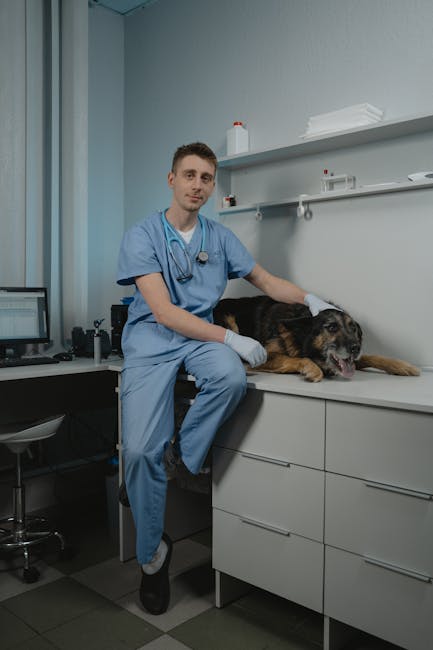
Hookworms in dogs risks signs and treatment basics
Introduction
Hookworms in dogs risks signs and treatment basics is an important topic for pet owners to understand. Hookworms are intestinal parasites that most often affect dogs, though cats can also be infected. These tiny worms attach to the lining of the intestines and may cause a range of health issues.
This condition matters because hookworm infections can lead to symptoms such as anaemia, weight loss, and digestive upset. In severe cases, especially in puppies or immunocompromised animals, the infection may cause more serious complications. Recognizing the potential risks and signs early can help pet owners seek veterinary care promptly.
It is important to remember that this article provides general information and does not replace a veterinary visit. Only a licensed veterinarian can diagnose hookworm infections and recommend appropriate treatment based on an individual pet’s health status.
Key points about hookworms in dogs include:
- Hookworms are common intestinal parasites primarily affecting dogs.
- Infections may cause symptoms such as diarrhoea, anaemia, and lethargy.
- Veterinarians may recommend diagnostic tests and treatment options tailored to the pet.
- Preventative measures can help reduce the risk of infection.
Reviewed by SASI Vet Editorial Board.
What this condition is
Hookworms in dogs risks signs and treatment basics refer to a common parasitic infection affecting the small intestine of dogs. Hookworms are tiny, blood-feeding worms that attach to the intestinal lining, often causing health issues over time.
This condition typically develops when dogs ingest hookworm larvae from contaminated soil, water, or through contact with infected animals. Puppies are especially vulnerable due to their immature immune systems and potential exposure through their mother’s milk.
How hookworms affect dogs
- Attach to the intestinal wall and feed on blood
- May cause anaemia (low red blood cell count) and weakness
- Can lead to digestive upset, including diarrhoea and weight loss
- In severe cases, may result in poor growth or even death, especially in young dogs
The infection often develops gradually, and some dogs may show few or no signs initially. Veterinarians may recommend diagnostic tests to confirm the presence of hookworms and suggest appropriate treatment plans. It is important to consult a licensed veterinarian for diagnosis and management tailored to each dog’s needs.
Common causes
Hookworms in dogs risks signs and treatment basics often begin with exposure to contaminated environments. These parasites are commonly found in soil or areas where infected animals have defecated. Puppies and dogs that spend time outdoors, especially in warm and humid climates, are at higher risk of infection.
Transmission routes
- Direct ingestion of hookworm larvae from contaminated soil or feces
- Larvae penetrating the skin, often through the paws or belly
- Transmission from mother to puppies through nursing or in utero
Risk factors
- Living in areas with poor sanitation or heavy dog populations
- Young age, as puppies have less developed immune systems
- Outdoor access without regular parasite prevention
- Weakened immune system due to illness or stress
While these causes are well documented, some cases may involve mixed infections or other contributing factors. Veterinarians may recommend routine testing and preventive measures based on individual risk. Only a licensed veterinarian can diagnose and provide appropriate treatment for hookworm infections in dogs.
Typical signs and symptoms
Hookworms in dogs risks signs and treatment basics include a range of symptoms that pet owners may observe at home. These signs can vary depending on the severity of the infestation and the overall health of the dog.
Mild signs
- Occasional coughing or mild respiratory issues
- Intermittent diarrhoea or soft stools
- Reduced appetite or slight weight loss
- General lethargy or decreased activity
More serious signs
- Persistent or severe diarrhoea, sometimes with blood
- Noticeable weight loss or poor body condition
- Pale gums indicating possible anaemia
- Weakness or collapse in severe cases
Because these signs may also be associated with other health issues, it is important to monitor any changes carefully. Keeping notes on the frequency, duration, and severity of symptoms can be helpful when discussing concerns with a licensed veterinarian. Only a veterinarian can diagnose hookworm infections and recommend appropriate treatment options based on the individual dog’s condition.
When it is an emergency
Hookworms in dogs risks signs and treatment basics include recognising when a pet requires urgent veterinary attention. Some symptoms may cause serious health problems and should never be ignored.
Seek immediate veterinary care or visit an emergency clinic if your dog shows any of the following red flag signs:
- Sudden onset of severe weakness or collapse
- Rapid or laboured breathing
- Profuse, bloody diarrhoea or vomiting
- Severe abdominal pain or distension
- Pale or bluish gums indicating poor circulation
- Signs of shock such as cold extremities or unresponsiveness
These symptoms are often associated with significant blood loss or severe infection caused by hookworm infestation. Rapid worsening of any clinical signs should also prompt urgent evaluation.
Only a licensed veterinarian can diagnose and treat hookworm infections safely and effectively. Veterinarians may recommend diagnostic tests and supportive care tailored to the severity of the condition. Early intervention can improve outcomes and reduce complications.
How veterinarians diagnose it
When assessing a dog for potential hookworms in dogs risks signs and treatment basics, veterinarians begin with a thorough history and physical examination. They ask about the dog’s environment, symptoms, and any recent changes in behaviour or health.
Physical examination
The physical exam often focuses on signs such as pale gums, weakness, or gastrointestinal issues that may be associated with hookworm infection. Veterinarians carefully evaluate the dog’s overall condition and look for clues that suggest parasitic infection.
Common diagnostic tests
To confirm the presence of hookworms, veterinarians may recommend several tests, including:
- Fecal examination to detect hookworm eggs
- Complete blood count (CBC) to assess for anaemia or inflammation
- Imaging studies, such as X-rays or ultrasound, if complications are suspected
These tests help provide a clearer picture of the dog’s health status and guide appropriate treatment decisions. It is important to remember that only a licensed veterinarian can diagnose and recommend treatment for hookworm infections in dogs.
Treatment options
When addressing hookworms in dogs risks signs and treatment basics, veterinarians may recommend a combination of approaches tailored to the individual pet. Treatment plans often depend on the severity of the infection, the dog’s overall health, and any concurrent conditions.
Medications
Anthelmintic medications are commonly used to eliminate hookworms. These drugs work by targeting the parasites, but only a licensed veterinarian can determine the appropriate type and duration of treatment.
Supportive care
In some cases, supportive care may be necessary to manage symptoms such as anaemia or dehydration. This can include fluid therapy, nutritional support, and monitoring for secondary infections.
Environmental management
Since hookworms can be transmitted through contaminated environments, veterinarians may recommend cleaning and disinfecting living areas to reduce the risk of reinfection. Regular removal of faeces and maintaining good hygiene are important components of control.
Dietary considerations
While dietary changes alone do not treat hookworm infections, maintaining a balanced and nutritious diet can support the dog’s immune system during recovery.
It is essential to consult a licensed veterinarian for diagnosis and to develop a safe and effective treatment plan specific to your dog’s needs.
Home care and monitoring
After a veterinary visit regarding hookworms in dogs risks signs and treatment basics, pet owners may play an important role in supporting their dog’s recovery. While home care cannot replace professional diagnosis or treatment, certain general measures can help ensure comfort and safety.
Monitoring your dog
- Observe your dog’s appetite, energy levels, and behaviour for any changes.
- Watch for signs such as persistent coughing, diarrhoea, pale gums, or weakness, which may indicate ongoing issues.
- Keep a record of any symptoms or concerns to share with your veterinarian during follow-up visits.
Comfort measures
- Provide a clean, quiet resting area away from other pets or distractions.
- Ensure access to fresh water at all times to prevent dehydration.
- Maintain good hygiene by regularly cleaning bedding and living spaces to reduce environmental contamination.
When to contact your veterinarian
If your dog’s condition appears to worsen, or if new symptoms develop, it is important to contact your veterinary clinic promptly. Only a licensed veterinarian can assess whether further evaluation or treatment adjustments are needed.
Prevention and long-term management
Preventing hookworms in dogs risks signs and treatment basics begins with proactive care. While not all infections can be avoided, pet owners can reduce the likelihood of infestation through several practical steps.
Risk reduction strategies
- Regular parasite prevention as advised by a veterinarian
- Maintaining up-to-date vaccinations to support overall health
- Providing a balanced diet to support immune function and healthy weight
- Routine veterinary check-ups to detect early signs of infection or other health issues
- Keeping living areas clean and free of fecal contamination
Long-term management
If a dog is diagnosed with a chronic hookworm infection, veterinarians may recommend ongoing monitoring and treatment plans tailored to the individual animal. This could involve periodic parasite control, supportive care to address symptoms such as anaemia, and adjustments in diet or lifestyle to promote recovery and prevent reinfection.
Because hookworm infections can vary in severity and response to treatment, only a licensed veterinarian can provide an accurate diagnosis and appropriate management plan. Pet owners should consult their veterinarian promptly if they suspect their dog may be affected.
Living with a pet with this condition
Managing a pet diagnosed with hookworms in dogs risks signs and treatment basics involves ongoing care and attention. While hookworm infections may cause discomfort and health issues, many pets can maintain a good quality of life with proper veterinary guidance.
Quality of life and lifestyle adjustments
Pets affected by hookworms may experience symptoms such as lethargy or digestive upset. Veterinarians may recommend regular follow-up visits to monitor the pet’s condition and adjust care as needed. Owners might need to implement lifestyle changes, including:
- Maintaining a clean environment to reduce re-exposure to parasites
- Ensuring a balanced diet to support overall health
- Limiting outdoor activities in high-risk areas until cleared by a veterinarian
Supporting your pet day-to-day
Daily support can help pets cope with the effects of hookworm infection. This includes observing for any changes in behaviour or appetite and communicating these observations to the veterinary team. Realistic expectations about recovery and management are important, as some pets may require ongoing care.
Regular communication with your veterinarian is essential to tailor treatment plans and ensure the best possible outcome for your pet’s health and well-being.
FAQs
What are hookworms in dogs?
Hookworms are intestinal parasites that can infect dogs. They attach to the lining of the intestines and feed on blood, which may cause health issues. This condition is often associated with poor sanitation or exposure to contaminated environments.
What risks do hookworms pose to dogs?
Hookworms in dogs risks signs and treatment basics include potential anaemia, weakness, and digestive upset. Puppies and older dogs may be more vulnerable to severe effects. In some cases, hookworms may also pose a zoonotic risk, meaning they can affect humans.
What signs might indicate a hookworm infection?
- Diarrhea, sometimes with blood
- Weight loss or poor growth
- Weakness or lethargy
- Pale gums due to anaemia
These signs may also be caused by other conditions, so a veterinary examination is important.
How are hookworm infections diagnosed and treated?
Veterinarians may recommend stool tests to confirm the presence of hookworms. Treatment typically involves deworming medications, but only a licensed veterinarian can determine the appropriate approach based on the individual pet’s needs.
Can hookworm infections be prevented?
Good hygiene, regular veterinary check-ups, and prompt treatment of infected animals can help reduce the risk. Avoiding contaminated areas and cleaning up pet waste promptly are also important preventive measures.
If you have concerns about hookworms in dogs risks signs and treatment basics, consult your veterinarian for tailored advice.
Summary
Hookworms in dogs risks signs and treatment basics are important for pet owners to understand for early recognition and timely care. Hookworm infections are often associated with symptoms such as mild to severe intestinal upset, including diarrhoea and anaemia. However, some dogs may show few or no signs initially.
Early veterinary evaluation is valuable because prompt diagnosis and management can help reduce complications and improve outcomes. Veterinarians may recommend diagnostic tests to confirm the presence of hookworms and suggest appropriate treatment plans tailored to the individual dog’s needs.
Key points to remember
- Hookworm infections may cause gastrointestinal signs and blood loss.
- Not all infected dogs will display obvious symptoms.
- Timely veterinary care is essential for accurate diagnosis and effective treatment.
- Follow-up care may be necessary to ensure the infection is fully resolved.
While hookworm infections can be concerning, many dogs respond well to treatment when managed under veterinary guidance. Maintaining regular veterinary check-ups and parasite prevention strategies can help reduce the risk of infection and support your dog’s overall health.
Additional resources
- American Veterinary Medical Association (AVMA)
- Canadian Veterinary Medical Association (CVMA)
- World Small Animal Veterinary Association (WSAVA)
- RSPCA
- UC Davis Veterinary Medicine Teaching Hospital
Disclaimer: This article provides general information about pet health and does not replace professional veterinary advice. Always talk to a licensed veterinarian about your pet’s specific situation.