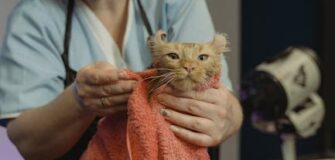
Dog hair loss common causes and care tips

Share

Dog hair loss common causes and care tips
Introduction
Dog hair loss common causes and care tips is a topic that concerns many pet owners, especially those with dogs and cats. Hair loss, also known as alopecia, is often associated with various underlying health issues that may cause discomfort or affect an animal’s quality of life. While hair loss can occur in both dogs and cats, it is more frequently observed in dogs due to their diverse breeds and skin types.
Understanding the common causes of hair loss can help pet owners recognise when their pet may need veterinary attention. Causes can range from allergies, parasites, infections, hormonal imbalances, to environmental factors. Each case is unique, and the severity and pattern of hair loss can vary widely.
It is important to remember that this information does not replace a veterinary visit. Only a licensed veterinarian can accurately diagnose the cause of hair loss and recommend appropriate care. Veterinarians may recommend diagnostic tests and tailored treatment plans based on the individual pet’s condition.
Reviewed by SASI Vet Editorial Board.
What this condition is
Dog hair loss common causes and care tips focus on understanding a condition often referred to as alopecia, which means partial or complete loss of hair. This condition may affect various parts of a dog’s body, including the skin, coat, or specific areas such as the ears, tail, or belly.
hair loss in dogs is often associated with underlying issues that develop gradually or suddenly. It may result from factors such as:
- Allergic reactions to food, environmental elements, or parasites
- Infections caused by bacteria, fungi, or mites
- Hormonal imbalances, including thyroid or adrenal gland disorders
- Stress or behavioural conditions leading to excessive licking or chewing
- Genetic predispositions in certain breeds
Over time, hair loss may progress from small patches to larger areas, sometimes accompanied by redness, itching, or changes in skin texture. Veterinarians may recommend diagnostic tests to identify the cause and develop an appropriate care plan. Understanding the nature of hair loss and its common causes helps pet owners recognize when veterinary advice is needed to support their dog’s health and comfort.
Common causes
Dog hair loss common causes and care tips often involve a variety of factors that veterinarians observe in clinical practice. Hair loss, or alopecia, in dogs may be caused by infections, allergies, hormonal imbalances, parasites, or environmental influences. Understanding these common causes can help pet owners recognize when veterinary advice is needed.
Infections and parasites
- Bacterial or fungal infections, such as ringworm, are often associated with patchy hair loss.
- Parasites like fleas, mites, or ticks may cause itching and subsequent hair loss due to scratching or biting.
Allergies and irritants
- Allergic reactions to food, environmental allergens, or contact irritants can lead to inflammation and hair thinning.
- These conditions may cause dogs to scratch or lick excessively, contributing to hair loss.
Hormonal and systemic causes
- Hormonal imbalances, such as hypothyroidism or Cushing’s disease, are often linked to symmetrical hair loss patterns.
- Other systemic illnesses may also affect coat quality and hair growth.
Since causes can be mixed or uncertain, veterinarians may recommend diagnostic tests to determine the underlying issue. Only a licensed veterinarian can diagnose and develop an appropriate treatment plan tailored to each dog’s needs.
Typical signs and symptoms
Dog hair loss common causes and care tips often begin with noticing changes in your pet’s coat or skin. Hair loss, also known as alopecia, may cause patches of thinning or bald spots that vary in size and location. Some signs are mild, while others may indicate a more serious underlying issue.
Mild signs to watch for
- Small areas of hair thinning or shedding
- Occasional scratching or licking
- Dry or flaky skin
- Changes in coat texture or dullness
Signs that may require prompt veterinary attention
- Large or rapidly spreading bald patches
- Redness, swelling, or sores on the skin
- Persistent itching or discomfort
- Signs of pain or behavioural changes
Monitoring these signs and keeping notes on their progression can help your veterinarian determine the cause and appropriate care. Remember, only a licensed veterinarian can diagnose and treat the underlying condition causing hair loss in your dog.
When it is an emergency
Dog hair loss common causes and care tips often involve gradual changes, but certain signs may indicate an urgent problem requiring immediate veterinary attention. Sudden, severe, or rapidly worsening symptoms are always a reason to seek emergency care.
Red flag signs that mean your pet should see a veterinarian immediately or be taken to an emergency clinic include:
- Rapid and extensive hair loss occurring over hours or days
- Severe itching or scratching causing open wounds or bleeding
- Swelling, redness, or pain in the skin that worsens quickly
- Signs of systemic illness such as vomiting, diarrhoea, lethargy, or difficulty breathing
- Sudden behavioural changes like aggression, disorientation, or collapse
These symptoms may cause significant discomfort or indicate an underlying condition that requires prompt diagnosis and treatment. Veterinarians may recommend urgent interventions to stabilise your pet and address the cause of hair loss and associated signs.
Always err on the side of caution and contact a licensed veterinarian if you notice any of these emergency signs. Early assessment can improve outcomes and ensure your pet receives appropriate care.
How veterinarians diagnose it
When addressing dog hair loss common causes and care tips, veterinarians begin with a thorough approach to identify the underlying issue. Diagnosis often starts with a detailed history, where the veterinarian asks about the pet’s environment, diet, behaviour changes, and any previous health problems.
Physical examination
A complete physical exam is performed to assess the extent and pattern of hair loss. The veterinarian checks the skin for signs of redness, scaling, lumps, or parasites that may cause or contribute to the condition.
Common diagnostic tests
To further investigate, veterinarians may recommend several tests, including:
- Blood work to evaluate overall health and detect hormonal imbalances or infections
- Skin scrapings or cytology to identify parasites, bacteria, or yeast
- Allergy testing if an allergic cause is suspected
- Imaging studies such as X-rays or ultrasound in cases where internal disease may be involved
- Biopsy of affected skin areas for microscopic examination when necessary
These steps help veterinarians form a comprehensive understanding of the pet’s condition. It is important to remember that only a licensed veterinarian can diagnose and recommend appropriate care for hair loss in dogs.
Treatment options
When addressing dog hair loss common causes and care tips, veterinarians may recommend a variety of treatment approaches depending on the underlying condition. It is important to understand that only a licensed veterinarian can determine the most appropriate plan for each individual pet.
Medications and procedures
Treatment may include medications to manage infections, inflammation, or parasites that contribute to hair loss. In some cases, diagnostic procedures such as skin scrapings or biopsies are necessary to identify the cause accurately.
Dietary changes
Adjusting a dog’s diet can support skin health and hair regrowth. Veterinarians may suggest specific nutritional supplements or hypoallergenic diets if food sensitivities are suspected.
Home care and environmental management
Maintaining good hygiene and reducing exposure to allergens or irritants at home can help improve symptoms. Regular grooming and avoiding harsh shampoos may also be beneficial.
Because dog hair loss can result from various causes, treatment plans are often tailored to the pet’s specific needs. Always consult a licensed veterinarian before starting or changing any treatment to ensure safe and effective care.
Home care and monitoring
After a veterinary visit for concerns related to dog hair loss common causes and care tips, safe home care and monitoring are important to support your pet’s comfort and recovery. While treatment decisions should always be guided by your veterinarian, there are general steps you can take to observe your dog’s condition and maintain a comfortable environment.
Monitoring your dog’s condition
- Check the affected areas regularly for changes in hair loss, redness, swelling, or signs of irritation.
- Note any new symptoms such as increased scratching, licking, or behavioural changes.
- Keep a simple diary of observations to share with your veterinarian during follow-up visits.
Comfort measures at home
- Provide a clean, quiet resting area away from drafts or excessive heat.
- Use gentle grooming tools to avoid further skin irritation.
- Ensure your dog has access to fresh water and a balanced diet as recommended by your veterinarian.
When to contact your veterinarian
Contact your veterinary clinic if you notice worsening hair loss, signs of infection such as discharge or foul odour, increased discomfort, or if your dog’s overall condition declines. Only a licensed veterinarian can diagnose and adjust treatment plans based on your dog’s evolving needs.
Prevention and long-term management
Dog hair loss common causes and care tips often involve a combination of preventive measures and ongoing management. While some causes of hair loss may be unavoidable, pet owners can take steps to reduce risks and support their pet’s skin and coat health.
Reducing risk
- Regular vaccinations and parasite prevention help protect against infections and infestations that may cause hair loss.
- A balanced diet tailored to your dog’s specific needs supports healthy skin and fur.
- Maintaining a healthy weight can reduce stress on the body and improve overall well-being.
- Routine veterinary check-ups allow early detection of underlying conditions that may lead to hair loss.
Long-term management
If hair loss is due to a chronic condition, veterinarians may recommend ongoing treatments or lifestyle adjustments. This might include specialised diets, medicated shampoos, or environmental changes to reduce allergens or irritants.
Consistent monitoring and communication with a licensed veterinarian are essential to adapt care plans as needed and to ensure the best possible outcome for your pet’s skin and coat health.
Living with a pet with this condition
Managing a pet experiencing dog hair loss common causes and care tips involves understanding the condition’s impact on quality of life and maintaining regular veterinary follow-up. Hair loss in dogs may cause discomfort or skin sensitivity, so attentive daily care is important.
Quality of life and lifestyle adjustments
Pets with hair loss often benefit from gentle grooming and protection from extreme weather, as their skin may be more exposed. Veterinarians may recommend specific shampoos or topical treatments to soothe irritation, but these should only be used under professional guidance.
Follow-up visits and monitoring
Ongoing communication with your veterinary team is essential. Follow-up visits help monitor the condition’s progression and adjust care plans as needed. Early detection of any secondary infections or complications can improve outcomes.
Supporting your pet day-to-day
- Maintain a consistent grooming routine to keep skin clean and comfortable.
- Provide a balanced diet to support skin and coat health.
- Minimise stress and avoid known allergens or irritants when possible.
- Observe your pet for changes in behaviour or skin condition and report these to your veterinarian.
Realistic expectations and patience are important, as hair regrowth may be gradual and dependent on the underlying cause. Always consult a licensed veterinarian for diagnosis and tailored treatment options.
FAQs
What are common causes of dog hair loss?
Dog hair loss is often associated with various factors including allergies, parasites, infections, hormonal imbalances, and stress. Environmental changes and nutritional deficiencies may also contribute. It is important to consult a licensed veterinarian to determine the underlying cause for each individual pet.
How can I care for my dog if they are experiencing hair loss?
Care tips may include maintaining a balanced diet, regular grooming, and minimizing exposure to potential allergens. Veterinarians may recommend specific treatments or supplements based on the diagnosis. Avoid using over-the-counter products without veterinary guidance.
Is dog hair loss contagious to other pets or humans?
Some causes of hair loss, such as certain parasites or fungal infections, may be contagious. However, not all causes are transmissible. A veterinarian can help identify if precautions are necessary to protect other pets or family members.
When should I see a veterinarian about my dog’s hair loss?
If hair loss is persistent, worsening, or accompanied by other symptoms like itching, redness, or behavioural changes, it is advisable to seek veterinary advice promptly. Early evaluation can help manage the condition effectively.
Can dog hair loss be prevented?
Prevention may involve regular parasite control, a nutritious diet, and routine veterinary check-ups. While some causes cannot be fully prevented, proactive care can reduce the risk of hair loss related to common issues.
If you have concerns about dog hair loss common causes and care tips, always consult your veterinarian for tailored advice specific to your pet’s needs.
Summary
Dog hair loss common causes and care tips are important for pet owners to understand in order to support their pet’s health. Hair loss in dogs may cause concern but is often associated with a variety of underlying factors, including allergies, parasites, infections, or hormonal imbalances.
Early recognition of hair loss and related symptoms can help ensure timely veterinary care. Veterinarians may recommend diagnostic tests to identify the cause and develop an appropriate treatment plan tailored to the individual dog.
Key points to remember:
- Hair loss can have multiple causes, some of which require professional diagnosis.
- Timely veterinary evaluation is essential to address the underlying issue effectively.
- Management may involve lifestyle adjustments, topical care, or medical treatments as advised by a veterinarian.
- Owners should monitor their dog’s skin and coat regularly and report any changes to their veterinarian.
While hair loss can be distressing, many dogs respond well to appropriate care when the cause is identified. Maintaining open communication with a licensed veterinarian is the best way to support your dog’s skin and coat health over time.
- American Veterinary Medical Association (AVMA)
- Canadian Veterinary Medical Association (CVMA)
- World Small Animal Veterinary Association (WSAVA)
- RSPCA
- UC Davis Veterinary Medicine Teaching Hospital
Disclaimer: This article provides general information about pet health and does not replace professional veterinary advice. Always talk to a licensed veterinarian about your pet’s specific situation.