Cat breathing problems symptoms red flags and urgent care

Share
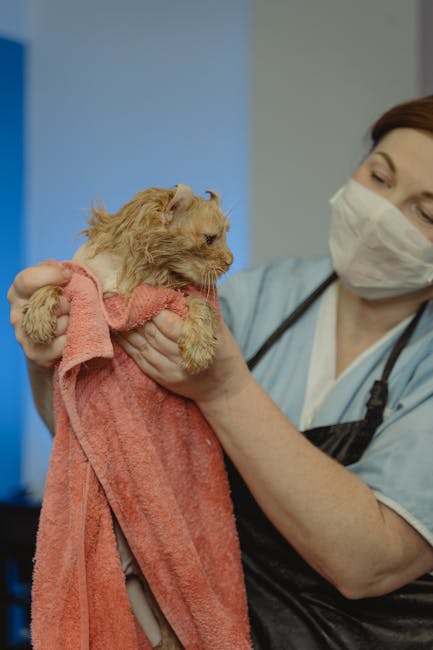
Cat breathing problems symptoms red flags and urgent care
Introduction
Breathing difficulties in pets can be concerning for owners, especially when they involve cats. This article focuses on cat breathing problems symptoms red flags and urgent care, aiming to provide clear and balanced information. While both dogs and cats may experience respiratory issues, cats often show subtle signs that can be easy to miss.
Understanding these symptoms is important because breathing problems may indicate underlying health conditions that require prompt attention. Early recognition can help pet owners seek veterinary care before the situation worsens.
Common signs that may cause concern include:
- Rapid or laboured breathing
- Open-mouth breathing or panting in cats
- Coughing or wheezing sounds
- Blue or pale gums
- Restlessness or lethargy
It is important to remember that this article does not replace a veterinary visit. Only a licensed veterinarian can diagnose and treat respiratory problems safely and effectively. If you notice any of these signs in your cat, veterinarians may recommend an examination to determine the cause and appropriate care.
Reviewed by SASI Vet Editorial Board.
What this condition is
Cat breathing problems symptoms red flags and urgent care often relate to issues affecting the respiratory system, which includes the nose, throat, windpipe (trachea), and lungs. These problems may cause difficulty breathing, coughing, wheezing, or noisy respiration.
Respiratory conditions in cats can develop gradually or suddenly and may be caused by infections, allergies, inflammation, or other underlying health issues. The condition is often associated with inflammation or obstruction in the airways, which can restrict airflow and make breathing more difficult.
How it typically develops
- Initial mild signs such as sneezing or occasional coughing
- Progression to more noticeable breathing difficulties or rapid breathing
- Possible development of nasal discharge or open-mouth breathing in severe cases
Because cat breathing problems symptoms red flags and urgent care needs vary widely, veterinarians may recommend diagnostic tests to determine the exact cause. Only a licensed veterinarian can diagnose and treat these conditions appropriately.
Common causes
Cat breathing problems symptoms red flags and urgent care often relate to a variety of underlying causes. These causes may range from mild to severe and can affect cats of any age or breed. Understanding common patterns seen in veterinary practice can help pet owners recognise when professional assessment is needed.
Respiratory infections
Upper respiratory infections are frequently associated with breathing difficulties in cats. These infections may cause nasal congestion, coughing, and sneezing, which can contribute to laboured breathing.
Allergic reactions and asthma
Allergic responses and feline asthma are common causes of intermittent breathing problems. These conditions may cause airway inflammation and narrowing, leading to wheezing and coughing.
Heart disease
Cardiac conditions can also affect breathing by causing fluid accumulation in the lungs or reducing oxygen delivery. Heart disease is often seen in older cats but can occur at any age.
Other causes
- Foreign objects lodged in the airway
- Trauma to the chest or lungs
- Obesity, which may worsen respiratory effort
- Chronic conditions such as lung tumours or pleural effusion
In some cases, the exact cause of breathing problems may be uncertain or involve multiple factors. Veterinarians may recommend diagnostic tests to determine the underlying issue and appropriate treatment.
Typical signs and symptoms
Pet owners may observe various signs that suggest their cat is experiencing breathing difficulties. Recognizing these signs early can help ensure timely veterinary assessment. The focus keyword for this section is cat breathing problems symptoms red flags and urgent care.
Mild signs
- Occasional rapid or shallow breathing
- Increased respiratory effort during activity or rest
- Soft coughing or wheezing sounds
- Subtle changes in behaviour, such as reduced playfulness or appetite
More serious signs
- Persistent open-mouth breathing or panting
- Laboured breathing with visible chest or abdominal movement
- Blue or pale gums or tongue, which may indicate low oxygen levels
- Collapse or fainting episodes
- Sudden onset of severe coughing or choking
Monitoring these signs and keeping detailed notes can assist your veterinarian in diagnosing and managing your cat’s condition. Because breathing problems may be associated with a range of underlying causes, only a licensed veterinarian can provide an accurate diagnosis and recommend appropriate care.
When it is an emergency
Recognizing cat breathing problems symptoms red flags and urgent care needs is important for pet owners. Sudden, severe, or rapidly worsening breathing difficulties may cause serious health risks and require immediate veterinary attention.
Seek emergency care if your cat shows any of the following signs:
- Open-mouth breathing or gasping for air
- Blue or pale gums or tongue
- Collapse or loss of consciousness
- Severe coughing or choking
- Rapid or very laboured breathing
- Distended neck veins or visible chest retractions
- Sudden onset of weakness or inability to stand
These symptoms are often associated with serious conditions such as airway obstruction, heart failure, or severe respiratory infections. Veterinarians may recommend urgent diagnostic tests and treatments to stabilise your cat.
When in doubt, it is safer to seek prompt evaluation by a licensed veterinarian or an emergency clinic. Early intervention can improve outcomes and reduce the risk of complications.
How veterinarians diagnose it
When a cat presents with breathing difficulties, veterinarians begin by gathering a thorough history from the owner. This includes asking about the onset, duration, and severity of symptoms, as well as any previous health issues or environmental factors that may cause or worsen the problem.
A complete physical examination follows, focusing on the respiratory system. Veterinarians listen to the lungs and heart, check the cat’s mucous membranes, and observe breathing patterns and effort. This helps identify signs that may indicate the severity or underlying cause of the condition.
Common diagnostic tests
- Blood work: Routine blood tests may be performed to assess overall health and detect infections or inflammation often associated with cat breathing problems symptoms red flags and urgent care.
- Imaging: Chest X-rays or ultrasound can provide valuable information about the lungs, heart, and airways.
- Additional tests: Depending on findings, veterinarians may recommend electrocardiograms (ECG), airway sampling, or specialized imaging to further investigate the cause.
It is important to remember that only a licensed veterinarian can diagnose and recommend appropriate treatment based on these assessments and test results.
Treatment options
When addressing cat breathing problems symptoms red flags and urgent care, veterinarians may recommend a variety of treatment approaches depending on the underlying cause. It is important to understand that only a licensed veterinarian can determine the appropriate plan for each individual cat.
Medications
Medications may be used to reduce inflammation, relieve airway constriction, or treat infections. The specific type and dosage will vary based on the diagnosis and the cat’s overall health.
Procedures
In some cases, procedures such as oxygen therapy or diagnostic tests may be necessary to support breathing and identify the cause of symptoms.
Dietary changes and home care
- Adjusting diet to support respiratory health or manage underlying conditions
- Maintaining a clean, smoke-free environment to reduce irritants
- Monitoring the cat closely for any worsening signs or new symptoms
Because cat breathing problems symptoms red flags and urgent care require careful evaluation, pet owners should always seek veterinary advice promptly. Treatment plans are tailored to each cat’s needs and may evolve as the condition changes.
Home care and monitoring
After a veterinary visit, safe home care for pets with respiratory concerns involves careful observation and comfort measures. While this guidance does not replace professional diagnosis or treatment, it may help owners support their pets’ recovery and identify any changes that require prompt veterinary attention.
Monitoring your pet
Owners should watch for any changes in breathing patterns, activity level, or behaviour. Signs such as increased effort to breathe, persistent coughing, or bluish gums may indicate worsening symptoms. Keeping a daily log of these observations can assist your veterinarian in assessing your pet’s progress.
Comfort measures
- Provide a calm, quiet environment to reduce stress.
- Ensure easy access to fresh water and food, encouraging gentle eating and drinking.
- Maintain a comfortable room temperature, avoiding extremes of heat or cold.
- Limit strenuous activity until your veterinarian advises otherwise.
When to contact your veterinarian
If you notice any red flags related to cat breathing problems symptoms red flags and urgent care, such as difficulty breathing, fainting, or sudden worsening of symptoms, contact your veterinary clinic promptly. Only a licensed veterinarian can diagnose and recommend appropriate treatment based on your pet’s specific condition.
Prevention and long-term management
Preventing cat breathing problems symptoms red flags and urgent care often begins with proactive measures to support overall respiratory health. While not all conditions can be avoided, pet owners may reduce risk through several strategies.
Risk reduction
- Keeping vaccinations up to date to protect against infectious diseases
- Using parasite prevention products as recommended by a veterinarian
- Maintaining a balanced diet to support immune function and healthy weight
- Ensuring regular exercise and weight management to reduce respiratory strain
- Scheduling routine veterinary check-ups to monitor health and catch early signs
Long-term management
If a chronic respiratory condition is diagnosed, veterinarians may recommend ongoing treatments tailored to the individual pet. This can include environmental modifications to reduce irritants, prescribed medications to manage symptoms, and regular monitoring to assess progression.
Owners should work closely with their veterinarian to develop a management plan that addresses their pet’s specific needs. Prompt attention to any changes in breathing or behaviour is important, as early intervention may improve quality of life and outcomes.
Living with a pet with this condition
Managing a pet experiencing cat breathing problems symptoms red flags and urgent care requires careful attention and ongoing support. While this condition may cause discomfort or distress, many pets can maintain a good quality of life with appropriate care and monitoring.
Quality of life and lifestyle adjustments
Owners may need to make certain lifestyle changes to help their pet feel more comfortable. This can include:
- Providing a calm, stress-free environment
- Ensuring easy access to fresh water and food
- Minimizing exposure to irritants such as smoke or strong fragrances
- Maintaining a healthy weight to reduce respiratory strain
Follow-up visits and communication
Regular veterinary check-ups are important to monitor the pet’s condition and adjust care plans as needed. Veterinarians may recommend specific tests or treatments based on the pet’s symptoms and progression.
Open communication with the veterinary team helps owners set realistic expectations and respond promptly to any changes. Recognizing early warning signs and seeking veterinary advice can be crucial for timely intervention.
FAQs
What are common symptoms of cat breathing problems?
Cat breathing problems symptoms red flags and urgent care concerns often include rapid or laboured breathing, open-mouth breathing, coughing, wheezing, or persistent coughing. Cats may also show lethargy, loss of appetite, or bluish gums, which can indicate low oxygen levels.
What should I do if I notice my cat has difficulty breathing?
If your cat shows signs of breathing difficulty, it is important to seek veterinary attention promptly. Breathing issues may cause discomfort and can be serious. Only a licensed veterinarian can diagnose the underlying cause and recommend appropriate care.
What conditions may cause breathing problems in cats?
Breathing difficulties in cats are often associated with respiratory infections, asthma, heart disease, or allergic reactions. Environmental factors like smoke or allergens may also contribute. A veterinarian may recommend diagnostic tests to determine the cause.
When is breathing difficulty an emergency?
- Severe open-mouth breathing or gasping
- Blue or pale gums
- Collapse or inability to stand
- Sudden onset of severe symptoms
These signs require urgent veterinary care.
Can I manage my cat’s breathing problems at home?
Home care may help support your cat’s comfort, but it should never replace professional veterinary evaluation. Your veterinarian may recommend specific treatments or environmental changes based on your cat’s diagnosis.
Summary
Recognizing cat breathing problems symptoms red flags and urgent care early can be crucial for your pet’s health. Breathing difficulties in cats may cause signs such as rapid or laboured breathing, open-mouth breathing, coughing, or blue-tinged gums. These symptoms are often associated with underlying conditions that require prompt veterinary evaluation.
Timely veterinary care is important because breathing issues can escalate quickly and may indicate serious health problems. Veterinarians may recommend diagnostic tests to determine the cause and appropriate treatment options tailored to your cat’s needs.
Key points to watch for include:
- Persistent or worsening breathing difficulty
- Changes in gum or tongue colour
- Excessive coughing or wheezing
- Sudden lethargy or weakness
While some breathing problems can be managed effectively with veterinary guidance, outcomes vary depending on the underlying cause. Always seek professional advice rather than attempting to diagnose or treat your cat at home. Early recognition and veterinary support offer the best chance for a positive outcome, helping to keep your cat comfortable and safe.
Further resources
- American Veterinary Medical Association (AVMA)
- Canadian Veterinary Medical Association (CVMA)
- World Small Animal Veterinary Association (WSAVA)
- RSPCA
- UC Davis Veterinary Medicine Teaching Hospital
Disclaimer: This article provides general information about pet health and does not replace professional veterinary advice. Always talk to a licensed veterinarian about your pet’s specific situation.