
Cat collapse possible causes and immediate steps

Share
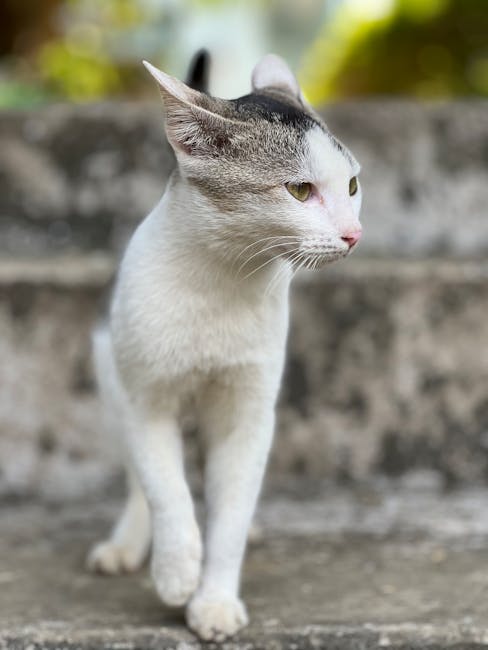
Cat collapse possible causes and immediate steps
Introduction
Cat collapse possible causes and immediate steps is a topic of concern for many pet owners. Collapse in cats may cause sudden weakness or loss of consciousness and is often associated with various underlying health issues. Both cats and dogs can experience collapse, but this article focuses primarily on cats.
Understanding the potential causes of collapse is important because it can indicate serious medical conditions that require prompt attention. Some common causes may include heart problems, respiratory issues, neurological disorders, or metabolic imbalances. Recognizing the signs early can help pet owners seek timely veterinary care.
It is important to remember that this information is intended to provide a general overview and does not replace a veterinary visit. Only a licensed veterinarian can accurately diagnose and treat the underlying cause of a cat’s collapse. Veterinarians may recommend diagnostic tests and appropriate treatments based on the individual cat’s condition.
Reviewed by SASI Vet Editorial Board.
What this condition is
Cat collapse is a term used to describe a sudden loss of strength or consciousness in a cat. This condition may cause a cat to fall down, become unresponsive, or appear weak. It is often associated with problems affecting the heart, lungs, nervous system, or metabolism.
Typically, cat collapse develops quickly and can be alarming for pet owners. The underlying causes vary widely and may include:
- Heart disease, which can reduce blood flow and oxygen delivery to the brain and muscles
- Respiratory issues that limit oxygen intake
- Neurological disorders affecting coordination and consciousness
- Metabolic imbalances such as low blood sugar or electrolyte disturbances
- Severe infections or toxins
Because cat collapse possible causes and immediate steps can differ greatly, it is important to observe any other signs your cat may show and seek veterinary advice promptly. Only a licensed veterinarian can diagnose the specific cause and recommend appropriate treatment based on a thorough examination and diagnostic testing.
Common causes
Cat collapse possible causes and immediate steps often involve a variety of underlying health issues. Collapse in cats is a symptom rather than a diagnosis, and veterinarians consider multiple factors when evaluating these cases.
Frequent causes
- Cardiovascular problems: Heart disease or arrhythmias may cause sudden weakness or collapse.
- Respiratory issues: Conditions affecting breathing can lead to oxygen deprivation and collapse.
- Neurological disorders: Seizures, vestibular disease, or other nervous system problems are often associated with collapse episodes.
- Metabolic imbalances: Low blood sugar, electrolyte disturbances, or kidney and liver dysfunction may contribute.
- Trauma or injury: Physical trauma can result in collapse due to pain, shock, or internal injury.
Risk factors and considerations
Age, breed, pre-existing medical conditions, and environmental factors may influence the likelihood of collapse. In some cases, the exact cause remains uncertain despite thorough evaluation.
Because cat collapse possible causes and immediate steps vary widely, only a licensed veterinarian can accurately diagnose and recommend appropriate treatment based on a complete clinical examination and diagnostic testing.
Typical signs and symptoms
When observing a cat collapse, possible causes and immediate steps depend largely on the signs and symptoms present. Pet owners may notice a range of behaviours or physical changes that vary in severity.
Mild signs often include:
- Brief weakness or unsteadiness
- Temporary disorientation or confusion
- Reduced activity or reluctance to move
- Minor tremors or shaking
More serious signs that may require urgent veterinary attention include:
- Sudden loss of consciousness or prolonged collapse
- Difficulty breathing or rapid breathing
- Severe weakness or inability to stand
- Seizures or convulsions
- Persistent vomiting or diarrhoea
It is important to carefully monitor any changes in your cat’s condition and keep detailed notes on the timing, duration, and nature of symptoms. This information can assist your veterinarian in determining the underlying cause and appropriate treatment. Remember, only a licensed veterinarian can diagnose and treat your pet’s health issues safely and effectively.
When it is an emergency
Cat collapse possible causes and immediate steps should be taken seriously. Sudden collapse in a cat may cause concern for life-threatening conditions. It is important to recognise when urgent veterinary care is needed.
Seek immediate veterinary attention if your cat experiences any of the following red flag signs:
- Loss of consciousness or unresponsiveness
- Difficulty breathing or severe respiratory distress
- Severe bleeding or visible trauma
- Seizures or repeated convulsions
- Sudden weakness or inability to stand
- Rapidly worsening symptoms or collapse that recurs
These signs are often associated with serious underlying issues such as heart problems, poisoning, severe infections, or neurological emergencies. Veterinarians may recommend urgent diagnostic tests and treatments to stabilise the cat.
If your cat collapses, try to keep them calm and in a safe, comfortable position while arranging for immediate veterinary evaluation. Avoid attempting home treatments or delaying care, as rapid intervention can be critical.
How veterinarians diagnose it
When a cat collapse possible causes and immediate steps are a concern, veterinarians begin with a thorough approach to determine the underlying issue. Diagnosis often starts with gathering a detailed history from the pet owner, including any recent events, symptoms, or changes in behaviour.
Physical examination
A comprehensive physical exam is performed to assess the cat’s overall condition. This may include checking vital signs such as heart rate, respiratory rate, temperature, and mucous membrane colour. The veterinarian will also evaluate the cat’s neurological status and look for any signs of trauma or illness.
Common diagnostic tests
To further investigate, veterinarians may recommend several tests, including:
- Blood work to assess organ function, electrolyte balance, and detect infections or inflammation
- Urinalysis to evaluate kidney function and detect urinary tract issues
- Imaging techniques such as X-rays or ultrasound to identify structural abnormalities or internal injuries
- Electrocardiography (ECG) to assess heart rhythm and detect cardiac problems
These diagnostic steps help veterinarians form a clearer picture of the cause behind a cat’s collapse. It is important to remember that only a licensed veterinarian can accurately diagnose and recommend appropriate treatment based on these findings.
Treatment options
When addressing cat collapse possible causes and immediate steps, veterinarians may recommend a variety of treatment approaches depending on the underlying condition. It is important to understand that only a licensed veterinarian can determine the appropriate plan based on a thorough examination and diagnostic testing.
Medications and procedures
Treatment may involve medications to manage symptoms or underlying diseases. Procedures such as fluid therapy, oxygen supplementation, or diagnostic imaging might be necessary to stabilise the cat and identify the cause of collapse.
Dietary and home care
In some cases, dietary adjustments or supportive home care may be advised to support recovery and prevent recurrence. This could include changes in feeding routines, hydration support, or environmental modifications to reduce stress.
Because cat collapse can result from various causes, treatment plans are highly individualised. Owners should seek veterinary advice promptly to ensure their pet receives the most appropriate care and monitoring.
Home care and monitoring
After a veterinary visit for a cat collapse, possible causes and immediate steps may have been discussed. At home, careful monitoring and supportive care can help ensure your cat’s comfort while you follow your veterinarian’s guidance.
Monitoring your cat
- Observe your cat’s breathing, activity level, and responsiveness regularly.
- Note any changes in appetite, water intake, or litter box habits.
- Watch for signs of distress such as difficulty breathing, repeated collapse, or unresponsiveness.
Comfort measures
- Provide a quiet, warm, and safe resting area away from other pets or loud noises.
- Ensure easy access to fresh water and food, but do not force feeding or drinking.
- Limit strenuous activity until your veterinarian advises otherwise.
When to contact your veterinarian
If your cat’s condition worsens, if collapse recurs, or if you notice new or concerning symptoms, contact your veterinary clinic promptly. Only a licensed veterinarian can diagnose and recommend appropriate treatment based on your cat’s specific situation.
Prevention and long-term management
Understanding cat collapse possible causes and immediate steps can help pet owners reduce risks and support their cat’s health. While some causes of collapse may be unpredictable, several preventive measures are often recommended by veterinarians to maintain overall well-being.
Reducing risk
- Keeping vaccinations up to date to protect against infectious diseases
- Using parasite prevention products regularly to avoid infestations that may cause weakness or illness
- Providing a balanced diet tailored to your cat’s age, health status, and lifestyle
- Maintaining a healthy weight through portion control and exercise
- Scheduling routine veterinary check-ups to monitor health and catch potential issues early
Long-term management
If a cat experiences recurrent collapse or has a chronic underlying condition, veterinarians may recommend ongoing monitoring and supportive care. This might include regular diagnostic testing, adjustments in diet or environment, and careful observation for any changes in behaviour or symptoms.
Because causes of collapse vary widely, only a licensed veterinarian can provide an accurate diagnosis and appropriate treatment plan tailored to your cat’s specific needs.
Living with a pet with this condition
When caring for a pet experiencing symptoms such as cat collapse possible causes and immediate steps, it is important to maintain realistic expectations about their quality of life. Many pets can continue to enjoy daily activities with appropriate management and support.
Quality of life and lifestyle adjustments
Depending on the underlying cause, veterinarians may recommend lifestyle changes to help manage the condition. These can include:
- Modifying exercise routines to avoid overexertion
- Providing a calm and safe environment to reduce stress
- Adjusting diet or feeding schedules as advised by the veterinary team
- Monitoring for any new or worsening symptoms
Follow-up care and communication
Regular follow-up visits with a licensed veterinarian are essential to monitor your pet’s health and adjust care plans as needed. Ongoing communication with your veterinary team helps ensure timely responses to any changes in your pet’s condition.
Supporting your pet day-to-day involves careful observation and prompt reporting of concerns to your veterinarian. While this condition may cause challenges, many pets can maintain a good quality of life with proper veterinary guidance and attentive care from their owners.
FAQs
What are some possible causes of cat collapse?
Cat collapse may be caused by a variety of underlying issues, including heart problems, respiratory difficulties, neurological conditions, or severe infections. Trauma and poisoning are also potential causes. Because symptoms can overlap, a thorough veterinary examination is essential to determine the exact cause.
What immediate steps should I take if my cat collapses?
If your cat collapses, try to keep them calm and in a safe, comfortable position. Avoid moving them excessively, especially if you suspect injury. Check for breathing and responsiveness, and contact your veterinarian or an emergency clinic promptly for advice.
Can dehydration or heatstroke cause a cat to collapse?
Yes, dehydration and heatstroke are often associated with collapse in cats, particularly in hot weather or if the cat has limited access to water. Veterinarians may recommend measures to prevent these conditions, such as ensuring fresh water is always available and avoiding excessive heat exposure.
How will a veterinarian diagnose the cause of collapse?
Diagnosis typically involves a physical examination, medical history review, and may include blood tests, imaging, or other diagnostic procedures. Only a licensed veterinarian can accurately diagnose and recommend appropriate treatment based on the individual cat’s condition.
Should I try to treat my cat at home if it collapses?
Home treatment is not advised without veterinary guidance. While waiting for professional care, you can keep your cat comfortable and monitor their condition, but do not attempt to administer medications or treatments on your own.
Summary
Cat collapse possible causes and immediate steps are important considerations for any pet owner. Sudden collapse in cats may cause significant concern and is often associated with a variety of underlying health issues. Early recognition of symptoms and prompt veterinary evaluation are essential to ensure the best possible outcome.
Common causes of collapse can include cardiovascular problems, neurological events, metabolic imbalances, or severe infections. Because these causes vary widely, only a licensed veterinarian can accurately diagnose the condition and recommend appropriate treatment.
Key points to remember
- Observe your cat carefully for signs such as weakness, disorientation, or loss of consciousness.
- Seek timely veterinary care rather than attempting home treatment.
- Veterinarians may recommend diagnostic tests to determine the cause and guide therapy.
- Recovery depends on the underlying cause and how quickly care is provided.
While a sudden collapse can be alarming, staying calm and acting promptly by contacting your veterinarian can make a significant difference. Understanding that only professional assessment can identify the cause helps set realistic expectations and supports your cat’s health and well-being.
- American Veterinary Medical Association (AVMA)
- Canadian Veterinary Medical Association (CVMA)
- World Small Animal Veterinary Association (WSAVA)
- RSPCA
- UC Davis Veterinary Medicine Teaching Hospital
Disclaimer: This article provides general information about pet health and does not replace professional veterinary advice. Always talk to a licensed veterinarian about your pet’s specific situation.