
Dog limping after exercise causes monitoring and care

Share
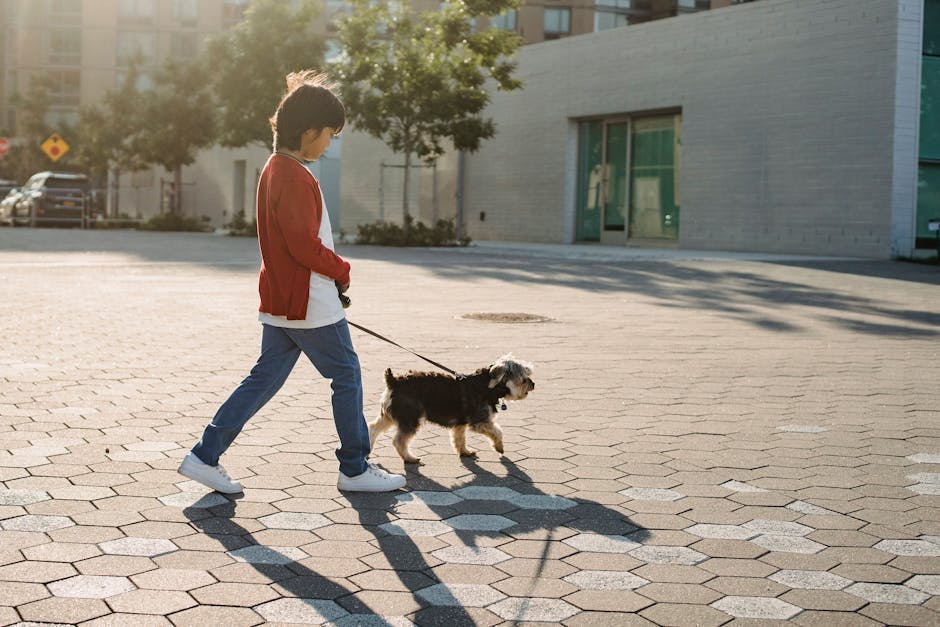
Dog limping after exercise causes monitoring and care
Introduction
Dog limping after exercise causes monitoring and care that many pet owners may encounter. This condition is often associated with dogs, although cats and other animals can also experience similar issues. Limping can indicate a range of underlying problems, from minor strains to more serious joint or muscle concerns.
Understanding why your dog may limp after physical activity is important for ensuring their comfort and well-being. While occasional limping might resolve on its own, persistent or severe limping should be carefully observed. Prompt attention can help prevent further injury and support recovery.
This article aims to provide clear, evidence-informed information about common causes and considerations related to limping after exercise. It is intended to help pet owners recognise when monitoring and care are needed. However, it does not replace a veterinary visit. Only a licensed veterinarian can diagnose the specific cause and recommend appropriate treatment for your pet.
Reviewed by SASI Vet Editorial Board.
What this condition is
Dog limping after exercise causes monitoring and care is often associated with issues affecting the limbs, joints, muscles, or bones. Limping refers to an abnormal gait where a dog favours one or more legs, which may cause discomfort or difficulty moving.
This condition typically develops gradually or suddenly, depending on the underlying cause. Commonly, it may result from minor injuries such as strains or sprains, overuse during physical activity, or more chronic problems like arthritis (inflammation of the joints) or ligament damage.
The parts of the body most often involved include:
- Joints (such as hips, knees, or elbows)
- Muscles and tendons surrounding the limbs
- Bones, which may be affected by fractures or growth abnormalities
- Soft tissues like ligaments that support joint stability
Over time, repeated stress or injury may worsen the condition, leading to increased limping or discomfort. Veterinarians may recommend monitoring your dog’s movement and activity levels closely to identify any changes. Early recognition and appropriate care are important to help manage symptoms and maintain your pet’s quality of life.
Common causes
Dog limping after exercise causes monitoring and care is often associated with a variety of factors. In many cases, limping may result from minor injuries such as muscle strains, ligament sprains, or bruising that occur during physical activity. These injuries typically improve with rest and limited activity.
Other common causes include:
- Joint inflammation or arthritis, which may cause stiffness and discomfort after exercise
- Soft tissue injuries, including tendonitis or ligament damage
- Paw pad injuries, such as cuts, abrasions, or foreign objects lodged in the foot
- Bone fractures or growth plate injuries, especially in young or active dogs
In some cases, limping may be linked to underlying conditions like hip dysplasia or neurological issues, though these are less common causes of exercise-related limping. The exact cause can be difficult to determine without a thorough veterinary examination, as symptoms may overlap.
Veterinarians may recommend monitoring the dog’s activity and observing for changes in limping severity, swelling, or behaviour. Prompt veterinary assessment is important if limping persists, worsens, or is accompanied by other signs such as swelling, heat, or pain.
Typical signs and symptoms
When a dog is limping after exercise, it may cause concern for pet owners. Limping is often associated with discomfort or injury affecting the limbs, joints, or muscles. Observing your dog closely can help identify whether the signs are mild or potentially more serious.
Mild signs to monitor
- Occasional limping or favouring one leg after activity
- Brief stiffness that improves with rest
- Reduced enthusiasm for exercise or play
- Minor swelling or sensitivity around a paw or joint
Signs that may require veterinary attention
- Persistent or worsening limping lasting more than 24-48 hours
- Visible swelling, heat, or deformity in a limb
- Reluctance to bear weight or severe pain when moving
- Sudden onset of limping without an obvious cause
Keeping notes on when the limping occurs, its severity, and any other changes in behaviour can be helpful for your veterinarian. Only a licensed veterinarian can diagnose the underlying cause and recommend appropriate care or treatment for your dog.
When it is an emergency
Dog limping after exercise causes monitoring and care, but certain signs may indicate an urgent problem requiring immediate veterinary attention. Sudden, severe, or rapidly worsening symptoms are always a reason to seek emergency care.
Contact a veterinarian or emergency clinic right away if your pet shows any of the following red flag signs:
- Inability to bear weight on the affected leg
- Severe swelling or deformity of the limb
- Open wounds or bleeding near the injury
- Signs of intense pain such as vocalizing, panting, or restlessness
- Sudden collapse or weakness
- Difficulty breathing or pale gums
These symptoms may cause serious complications and require prompt evaluation. While some limping after exercise causes may improve with rest and monitoring, only a licensed veterinarian can accurately diagnose the underlying issue and recommend appropriate treatment. If you are ever unsure about your pet’s condition, it is safest to seek professional advice without delay.
How veterinarians diagnose it
When a dog is limping after exercise, veterinarians begin by gathering a detailed history to understand the onset, duration, and severity of the limping. They may ask about the dog’s activity level, any recent injuries, and whether the limping occurs consistently or intermittently. This information helps guide the diagnostic process for dog limping after exercise causes monitoring and care.
Physical examination
A thorough physical exam is performed to assess the affected limb and overall health. The veterinarian will observe the dog’s gait, palpate the limbs for pain or swelling, and check joint mobility. This hands-on evaluation helps identify areas of discomfort or abnormalities.
Common diagnostic tests
To further investigate, veterinarians may recommend several tests, including:
- Blood work to check for signs of infection or inflammation
- Imaging techniques such as X-rays or ultrasound to evaluate bones, joints, and soft tissues
- Joint fluid analysis if joint disease is suspected
These tests provide additional information to help determine the underlying cause of limping. It is important to remember that only a licensed veterinarian can diagnose and develop an appropriate treatment plan tailored to the individual dog’s needs.
Treatment options
When addressing dog limping after exercise causes monitoring and care, veterinarians may recommend a variety of treatment approaches depending on the underlying cause and severity of the condition. It is important to remember that only a licensed veterinarian can determine the most appropriate plan for each individual pet.
Medications and procedures
Medications may be used to manage pain and inflammation, helping to improve comfort and mobility. In some cases, veterinarians may suggest diagnostic procedures such as imaging to better understand the cause of limping before deciding on treatment.
Dietary changes and supplements
Adjustments to diet or the addition of supplements may be advised to support joint health and overall well-being. These changes should be guided by a veterinarian to ensure they are safe and effective for the pet’s specific needs.
Home care and monitoring
- Rest and restricted activity to prevent further injury
- Controlled exercise to maintain muscle strength without overexertion
- Regular monitoring of the pet’s gait and behaviour for any changes
- Use of supportive devices if recommended by the veterinarian
Close communication with a veterinary professional is essential to adjust the treatment plan as needed and to ensure the best possible outcome for the pet’s health and comfort.
Home care and monitoring
After a veterinary visit, safe home care and monitoring are important to support your pet’s recovery. If your dog is limping after exercise, understanding the possible causes and observing changes can help you provide appropriate comfort while awaiting further veterinary advice.
Monitoring your dog
- Observe the limp’s severity and whether it improves or worsens over time.
- Note any swelling, heat, or sensitivity around the affected limb.
- Watch for changes in your dog’s behaviour, appetite, or activity levels.
- Limit strenuous exercise or activities that may aggravate the condition.
Comfort measures
- Provide a quiet, comfortable resting area away from stairs or slippery floors.
- Use supportive bedding to reduce pressure on joints and limbs.
- Ensure easy access to water and food without excessive movement.
If your dog’s limp does not improve, worsens, or is accompanied by other concerning signs, contact your veterinary clinic promptly. Remember, dog limping after exercise causes monitoring and care that should always be guided by a licensed veterinarian to ensure safe and effective treatment.
Prevention and long-term management
Dog limping after exercise causes monitoring and care are important aspects of maintaining your pet’s health. While some causes of limping may be temporary, others can indicate underlying issues that require ongoing attention.
Reducing risk
Pet owners can take several steps to help reduce the risk of limping related to exercise or other activities:
- Ensure your dog is up to date on vaccinations and parasite prevention, as infections or parasites may contribute to joint or muscle problems.
- Maintain a balanced diet appropriate for your dog’s age, breed, and activity level to support overall health and joint function.
- Manage your dog’s weight to reduce stress on joints and muscles, which may help prevent injury.
- Provide regular, moderate exercise and avoid sudden increases in activity intensity or duration.
- Schedule routine veterinary check-ups to monitor your dog’s musculoskeletal health and catch potential issues early.
Long-term management
If limping is associated with a chronic condition, veterinarians may recommend ongoing care that could include physical therapy, controlled exercise, weight management, and possibly supportive supplements. Monitoring your dog’s mobility and comfort regularly is important to adjust care as needed. Always consult a licensed veterinarian for diagnosis and tailored treatment plans to ensure the best outcomes for your pet.
Living with a pet with this condition
When a dog is limping after exercise, it may cause concern for pet owners. Understanding how to support your pet’s quality of life is important. Regular monitoring and care can help manage symptoms and improve comfort.
Quality of life and lifestyle adjustments
Pets with this condition often benefit from moderate exercise tailored to their tolerance. Avoiding high-impact activities may reduce discomfort. Providing a comfortable resting area and maintaining a healthy weight are also helpful.
Follow-up visits and communication
Ongoing communication with your veterinarian is essential. Follow-up visits allow the veterinary team to assess progress and adjust recommendations as needed. Veterinarians may recommend diagnostic tests or therapies based on your pet’s response.
Supporting your pet day-to-day
- Observe your dog’s gait and note any changes in limping or behaviour
- Provide gentle exercise and avoid overexertion
- Maintain a consistent routine to reduce stress
- Use supportive bedding to ease joint or muscle discomfort
- Report any worsening symptoms promptly to your veterinarian
Realistic expectations and patience are key. While some dogs improve with care, others may require ongoing management. Always rely on your licensed veterinarian’s guidance to ensure the best outcome for your pet.
FAQs
What are common causes of a dog limping after exercise?
A dog limping after exercise may be caused by muscle strain, minor injuries, joint inflammation, or paw pad irritation. These issues are often associated with overexertion or uneven terrain. It is important to observe your dog’s behaviour and consult a veterinarian if limping persists.
When should I be concerned about my dog’s limp?
If the limp lasts more than a day or worsens, or if your dog shows signs of severe pain, swelling, or reluctance to move, you should seek veterinary advice. Persistent limping may indicate an underlying condition that requires professional assessment.
How can I help my dog recover after limping?
Rest and limited activity are often recommended to support recovery. Applying cold compresses may help reduce swelling in some cases. Veterinarians may recommend specific care based on your dog’s condition.
Can diet or supplements affect recovery from limping?
Nutrition plays a role in overall joint and muscle health. Some supplements may support recovery, but it is best to discuss these options with your veterinarian before starting any new regimen.
Is monitoring important for a dog limping after exercise causes monitoring and care?
Yes, careful monitoring helps identify changes in your dog’s condition and ensures timely veterinary intervention if needed. Always consult your veterinarian for tailored advice and treatment options.
Summary
Dog limping after exercise causes monitoring and care are important aspects of maintaining your pet’s health. Limping may be caused by a variety of factors, including minor strains, joint issues, or more serious underlying conditions. Early recognition of limping and changes in your dog’s gait can help ensure timely veterinary assessment.
Key points to consider include:
- Observe the duration and severity of the limp, noting if it improves with rest or worsens over time.
- Monitor for additional signs such as swelling, heat, or sensitivity in the affected limb.
- Avoid forcing your dog to continue strenuous activity if limping is present.
Veterinarians may recommend diagnostic tests to determine the cause and appropriate treatment options. Treatment plans often focus on managing pain, reducing inflammation, and supporting healing. It is important to have realistic expectations, as recovery times can vary depending on the cause and severity.
Remember, only a licensed veterinarian can accurately diagnose and treat your dog’s condition. Prompt veterinary care can improve outcomes and help maintain your dog’s quality of life.
- American Veterinary Medical Association (AVMA)
- Canadian Veterinary Medical Association (CVMA)
- World Small Animal Veterinary Association (WSAVA)
- RSPCA
- UC Davis Veterinary Medicine Teaching Hospital
Disclaimer: This article provides general information about pet health and does not replace professional veterinary advice. Always talk to a licensed veterinarian about your pet’s specific situation.