Baby gates and safe spaces in dog training

Share
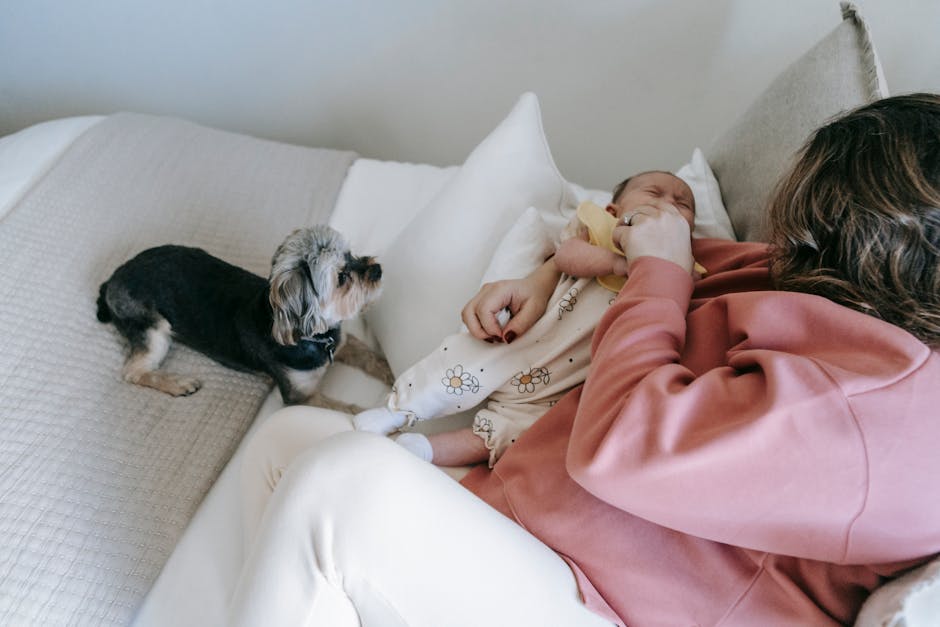
baby gates and safe spaces in dog training
Introduction
Training your pet is a gentle way to improve communication, ensure safety, and strengthen the bond you share. While this article mainly focuses on dogs, some basic training principles may also apply to cats and other small pets in certain cases.
One helpful topic covered here is baby gates and safe spaces in dog training, which can create secure areas for your pet to relax and learn boundaries. These tools might support a calm environment and help manage your pet’s access to different parts of your home.
Remember, training should always be kind and reward-based. It is not about punishment or causing fear. Using positive methods encourages your pet to learn happily and confidently.
This article offers general guidance and ideas that could be useful for many pet owners. However, every pet is unique, and some behaviours may require tailored support. For personalized advice or if you face challenging behaviours, it is best to consult a qualified trainer or veterinary professional.
Reviewed by the SASI Vet Behavior & Basic Training Editorial Board.
Foundations of positive basic training
Positive basic training focuses on building a strong, trusting relationship between you and your dog. Using rewards such as treats, praise, or play can encourage your dog to repeat good behaviours. Timing is important-rewards should be given immediately after the desired action to help your dog understand what you want.
Consistency helps your dog learn more quickly. Try to use the same cues and reward patterns each time you train. Breaking tasks into small, manageable steps can make learning easier and less overwhelming for your dog.
Keeping training sessions effective
Short, fun training sessions are often more successful than long, repetitive ones. Aim for several brief sessions throughout the day to keep your dog engaged and motivated. Remember that patience and kindness go a long way in helping your dog feel safe and eager to learn.
Tools like baby gates and safe spaces in dog training may support your efforts by providing controlled environments where your dog can practice new skills without distractions. These can also offer your dog a calm area to retreat to when needed.
It is important to avoid physical punishment, intimidation, or any tools that cause pain or fear. Such methods can damage your bond and may lead to unwanted behaviours. If you encounter challenges, consider consulting a qualified trainer or veterinary behaviour professional for tailored guidance.
Using rewards and motivation effectively
Rewards are a key part of kind and effective dog training, including when using baby gates and safe spaces in dog training. Different types of rewards may work better for different pets, so it’s important to find what motivates your dog most.
Types of rewards
- Food treats: Small, tasty treats can be very motivating and easy to deliver quickly.
- Praise: Calm, happy verbal encouragement helps strengthen the bond and signals approval.
- Toys and play: Some dogs respond well to a favorite toy or a brief play session as a reward.
- Life rewards: Access to going outside, sniffing, or other enjoyable activities can also be effective.
Choosing rewards that truly matter to your dog helps guide their learning rather than simply “bribing” them. Deliver rewards immediately after the desired behaviour to help your dog make the connection.
As your dog’s skills become more reliable, you might slowly reduce the frequency of treats, mixing in praise or play instead. This helps maintain motivation without over-reliance on food.
If you’re unsure which rewards work best or how to apply them safely, consulting a qualified trainer or veterinary behaviour professional can provide personalized guidance.
Teaching core basic cues step by step
Teaching your dog basic cues like name recognition, sit, down, come when called, wait or stay, and leave it is best done with kindness and patience. Start in a quiet, low-distraction environment to help your dog focus and feel comfortable. Using positive reinforcement, such as treats or praise, encourages your dog to repeat the desired behaviour.
Getting started
Begin by capturing your dog’s attention, perhaps by calling their name clearly and rewarding them when they look at you. For cues like sit or down, gently guide your dog into position and immediately reward the behaviour. Keep training sessions short and fun to maintain your dog’s interest.
Building reliability
Once your dog understands a cue in a calm setting, gradually introduce mild distractions and practice in different locations. This might include using baby gates and safe spaces in dog training to create controlled environments that help your dog succeed. Always reward compliance and avoid any harsh corrections or pressure.
If you encounter challenges or your dog shows signs of stress, consider consulting a qualified trainer or veterinary behaviour professional for tailored guidance. Remember, patience and consistency are key to building a strong, trusting relationship with your dog.
House training and daily routines
Establishing consistent daily routines can greatly support basic training, especially when focusing on baby gates and safe spaces in dog training. Feeding your dog on a regular schedule helps regulate their digestion and makes toilet breaks more predictable. This consistency can make house training easier and less stressful for both you and your pet.
Regularly supervising your dog indoors is important to prevent accidents and to encourage toileting in the right place. Offering gentle praise or small treats when your dog eliminates appropriately can reinforce good habits and build positive associations.
Using crates and safe areas
Crate training or providing a designated safe space can be a helpful part of house training. These areas offer your dog a comfortable, secure spot to rest and can reduce anxiety. When introduced positively and without pressure, such spaces may encourage your dog to hold their bladder and bowels until they are taken outside.
Patience and realistic expectations
Remember that puppies and young dogs may need time to learn and adjust to routines. Accidents can happen, and patience is key. If you encounter challenges or your dog’s behaviour seems unusual, consulting a qualified trainer or veterinary behaviour professional could provide tailored guidance and support.
Leash manners and everyday handling
Teaching polite leash walking is an important part of your dog’s training and safety. Using rewards for a loose leash can encourage your pet to stay close without pulling. When your dog starts to pull, stopping calmly and waiting for the leash to relax before moving again may help them learn better leash manners over time.
Practising calm behaviour around distractions, such as other dogs or people, can also support good leash skills. Short, positive training sessions in different environments might gradually build your dog’s confidence and focus.
Gentle handling for everyday care
Everyday handling, including touching paws, ears, and grooming, can be made easier by creating positive associations. Using treats and praise while gently touching these areas may help your dog feel more comfortable and relaxed.
Introducing vet visits in a slow, calm manner with rewards can reduce stress for your pet. Patience and consistency are key, and it’s important to go at your dog’s pace to build trust.
In some cases, baby gates and safe spaces in dog training might be useful tools to create calm areas for your dog during handling or rest times. If you find handling or leash walking particularly challenging, consulting a qualified trainer or veterinary behaviour professional could provide tailored guidance for your pet’s needs.
Preventing common behaviour problems early
Early basic training and enrichment can play an important role in reducing the risk of common behaviour problems such as jumping up, mouthing, excessive barking, or fearful responses. Providing your dog with appropriate outlets for their energy and mental stimulation may help them develop calm and confident behaviours over time.
Using baby gates and safe spaces in dog training can create a secure environment where your dog feels comfortable and can learn to relax. These tools might also help manage your dog’s access to certain areas, supporting calm behaviour and preventing unwanted habits from developing.
Benefits of early training and enrichment
- Redirects excess energy through play and exercise
- Encourages mental engagement with puzzle toys or training games
- Teaches calm behaviours like settling and waiting patiently
- Helps build positive associations with safe spaces
If you ever feel overwhelmed or unsure about your dog’s behaviour, seeking early guidance from a qualified trainer or veterinary behaviour professional could be very helpful. They can offer tailored advice to support your dog’s wellbeing and your confidence as an owner.
When to seek professional training or veterinary help
Some behaviour concerns in dogs may require support beyond basic training techniques. Issues such as aggression, severe fear, or sudden changes in behaviour could indicate underlying problems that need careful assessment by a qualified professional.
In these cases, it is important to seek help from trainers or veterinary behaviour professionals who use positive reinforcement and evidence-based methods. These experts focus on the welfare and safety of your dog, avoiding punishment-based or dominance-focused approaches that can cause stress or harm.
Signs that professional help might be needed
- Repeated Aggressive behaviour toward people or other animals
- Extreme fear or anxiety that limits normal activities
- Sudden or unexplained changes in behaviour or temperament
- Challenges that do not improve with basic training, including use of baby gates and safe spaces in dog training
Remember, early intervention with the right guidance can improve outcomes and help keep your dog safe and comfortable. If you notice concerning behaviours, contacting a qualified professional for personalized advice is the best step forward.
FAQs
How long should basic training sessions be?
Short, frequent sessions tend to work best for dogs. Aim for 5 to 10 minutes a few times a day to keep your pet engaged without causing frustration or fatigue. Consistency is more important than duration.
When is the best time to start training a puppy or dog?
Training can begin as soon as you bring your puppy or dog home. Early socialization and gentle introduction to basic commands help build a strong foundation. Always use kind, reward-based methods to encourage learning.
What if my dog does not seem to listen during training?
Patience and consistency are key. Some dogs may take longer to respond, especially in distracting environments. Try reducing distractions, using high-value treats, and keeping sessions positive. If challenges persist, consider consulting a qualified trainer.
Are group classes helpful for basic training?
Group classes can be beneficial for socialization and learning in a controlled setting. They also provide guidance from experienced trainers. However, some dogs may find group settings overwhelming, so observe your dog’s comfort and adjust accordingly.
How can baby gates and safe spaces in dog training support my pet?
Baby gates and safe spaces can help manage your dog’s environment, providing boundaries and a calm area to retreat. These tools support training by reducing stress and preventing unwanted behaviors in a gentle way.
Summary
Basic training, including the use of baby gates and safe spaces in dog training, is an ongoing journey that relies on clear communication, empathy, and positive reinforcement. Progress may come in small steps, and patience is key to helping your dog feel secure and confident.
Creating safe spaces with tools like baby gates can support your dog’s learning by providing calm areas for rest and boundaries that help manage their environment gently. These methods encourage trust and reduce stress, making training more effective and enjoyable for both you and your pet.
Remember, every dog is unique, and some challenges might require additional support. Seeking guidance from a qualified trainer or veterinary behaviour professional is a responsible and caring choice, not a sign of failure.
Key points to keep in mind:
- Training is a gradual process that benefits from consistency and kindness.
- Positive rewards help reinforce good behaviours and build confidence.
- Safe spaces and baby gates can be valuable tools when used thoughtfully.
- Professional advice may be helpful for specific concerns or complex behaviours.
With empathy and patience, you can create a positive training experience that strengthens your bond and supports your dog’s well-being.
- International Association of Animal Behavior Consultants (IAABC)
- American Veterinary Society of Animal Behavior (AVSAB)
- Association of Professional Dog Trainers (APDT)
- Royal Veterinary College Behaviour Clinic
- American College of Veterinary Behaviorists (ACVB)
Disclaimer: This article provides general information about basic training and does not replace professional advice. If you are concerned about your pet’s behaviour, consult a qualified trainer or veterinarian.