Dog coughing with mucus causes and vet evaluation

Share
Dog coughing with mucus causes and vet evaluation
Introduction
Coughing with mucus is a common symptom that may affect dogs and, less frequently, cats. This condition is often associated with respiratory issues that can range from mild irritations to more serious health concerns. Understanding the possible causes and the importance of veterinary evaluation can help pet owners respond appropriately.
The focus of this article is dog coughing with mucus causes and vet evaluation. While coughing can be a natural reflex to clear the airways, persistent or severe coughing accompanied by mucus may indicate an underlying problem that requires professional attention.
Pet owners should be aware that:
- Coughing with mucus may cause discomfort or difficulty breathing in pets.
- Several conditions, including infections, allergies, or heart disease, can contribute to this symptom.
- Only a licensed veterinarian can accurately diagnose the cause and recommend appropriate treatment.
This article aims to provide general information and does not replace a veterinary visit. If your pet is coughing with mucus, consulting a veterinarian is essential to ensure proper care and management.
Reviewed by SASI Vet Editorial Board.
What this condition is
Dog coughing with mucus causes and vet evaluation often relate to issues affecting the respiratory system, which includes the nose, throat, windpipe (trachea), and lungs. This condition is often associated with irritation or inflammation in these areas, leading to the production of mucus that the dog tries to clear by coughing.
The development of this condition may be gradual or sudden, depending on the underlying cause. Common factors that may cause coughing with mucus include:
- Infections such as kennel cough or pneumonia
- Allergic reactions affecting the airways
- Chronic conditions like bronchitis or heart disease
- Inhalation of irritants such as smoke or dust
Over time, persistent coughing may lead to further irritation or secondary infections. Veterinarians may recommend diagnostic tests to determine the exact cause and appropriate treatment. It is important to remember that only a licensed veterinarian can diagnose and treat pets experiencing these symptoms.
Common causes
Dog coughing with mucus causes and vet evaluation often involve a variety of underlying factors. Coughing accompanied by mucus is frequently associated with respiratory tract irritation or infection, but the exact cause can vary widely.
Infectious causes
- Viral infections, such as canine influenza or parainfluenza, may cause coughing with mucus.
- Bacterial infections, including kennel cough (bordetellosis), are common contributors.
- Fungal infections, though less common, can also be involved in some cases.
Non-infectious causes
- Allergic reactions or environmental irritants like smoke or dust may trigger coughing with mucus production.
- Chronic conditions such as bronchitis or collapsing trachea are often associated with persistent coughing.
- Heart disease can sometimes cause coughing due to fluid accumulation in the lungs.
Because causes can overlap or be uncertain, veterinarians may recommend diagnostic tests to determine the specific reason for coughing with mucus. Only a licensed veterinarian can provide an accurate diagnosis and appropriate treatment plan tailored to the individual dog’s condition.
Typical signs and symptoms
When a dog is coughing with mucus, pet owners may notice a range of signs that vary in severity. Some signs are mild and may not immediately indicate a serious problem, while others could suggest the need for prompt veterinary evaluation.
Mild signs
- Occasional coughing, especially after exercise or excitement
- Clear or slightly cloudy nasal discharge
- Intermittent throat clearing or gagging
- Reduced energy or mild lethargy
Signs that may be more serious
- Persistent or worsening cough with thick, coloured mucus
- Difficulty breathing or rapid breathing
- Loss of appetite or weight loss
- Signs of pain or discomfort when coughing
- Fever or unusual behaviour changes
Monitoring these signs and keeping detailed notes can help your veterinarian better understand your pet’s condition. Since dog coughing with mucus causes and vet evaluation can vary widely, only a licensed veterinarian can provide an accurate diagnosis and recommend appropriate treatment based on a thorough examination and diagnostic testing.
When it is an emergency
Dog coughing with mucus causes and vet evaluation can vary widely, but certain signs indicate the need for immediate veterinary attention. Sudden, severe, or rapidly worsening symptoms may cause serious health risks and should never be ignored.
If your dog shows any of the following red flag signs, seek urgent care at a veterinary clinic or emergency hospital:
- Difficulty breathing or gasping for air
- Persistent coughing that does not improve or worsens quickly
- Coughing up blood or large amounts of mucus
- Collapse, weakness, or inability to stand
- Blue or pale gums, indicating poor oxygenation
- Sudden onset of high fever or severe lethargy
These symptoms are often associated with serious conditions such as respiratory infections, heart problems, or airway obstructions. Veterinarians may recommend diagnostic tests and treatments based on a thorough examination.
Remember, only a licensed veterinarian can diagnose and treat your pet safely. If you are ever unsure about the severity of your dog’s coughing or related symptoms, it is best to err on the side of caution and seek professional advice promptly.
How veterinarians diagnose it
When a dog is coughing with mucus, veterinarians begin the evaluation by gathering a detailed history from the pet owner. This includes questions about the duration and frequency of the cough, any changes in behaviour or appetite, and possible exposure to other animals or environmental factors.
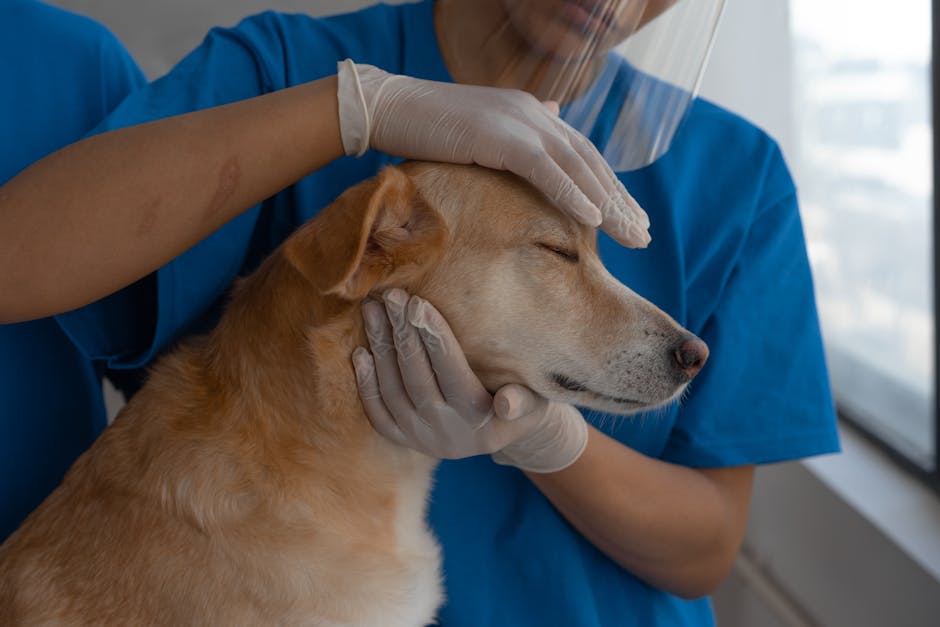
The physical examination is a key step and often involves listening to the lungs and heart with a stethoscope to detect abnormal sounds. Veterinarians may also check the dog’s throat, nose, and mouth for signs of irritation or infection.
Common diagnostic tests
To better understand the underlying cause, veterinarians may recommend several tests, such as:
- Blood work to assess overall health and detect signs of infection or inflammation
- Chest imaging, including X-rays, to evaluate the lungs and airways
- Tracheal wash or bronchoscopy in some cases to collect samples from the respiratory tract
- Allergy testing if an allergic cause is suspected
These diagnostic tools help veterinarians form a comprehensive picture of the dog’s condition. It is important to remember that only a licensed veterinarian can diagnose and recommend appropriate treatment for a dog coughing with mucus causes and vet evaluation.
Treatment options
When addressing dog coughing with mucus causes and vet evaluation, treatment approaches vary depending on the underlying condition identified by a licensed veterinarian. It is important to understand that only a veterinarian can determine the most appropriate plan based on a thorough examination and diagnostic tests.
Medications
Veterinarians may recommend medications to help manage symptoms or treat infections. These can include:
- Antibiotics for bacterial infections
- Anti-inflammatory drugs to reduce airway inflammation
- Cough suppressants in certain cases
Exact medications and dosages should always be prescribed by a veterinarian.
Procedures and supportive care
In some cases, additional procedures such as airway suctioning or diagnostic imaging may be necessary. Supportive care might involve:
- Ensuring adequate hydration
- Providing a calm, stress-free environment
- Using humidifiers to ease breathing
Dietary and lifestyle adjustments
Dietary changes or weight management may be advised if obesity or food sensitivities contribute to respiratory issues. Avoiding exposure to irritants like smoke or allergens is also often recommended.
Overall, treatment is tailored to the individual dog’s needs, and ongoing veterinary follow-up is essential to monitor progress and adjust care as needed.
Home care and monitoring
After a veterinary visit for concerns such as dog coughing with mucus causes and vet evaluation, safe home care focuses on monitoring your pet’s condition and providing comfort. It is important to follow the veterinarian’s advice and avoid initiating any treatments without professional guidance.
Monitoring your dog at home
- Observe the frequency and severity of coughing episodes, noting any changes in mucus colour or quantity.
- Watch for additional signs such as difficulty breathing, lethargy, loss of appetite, or fever.
- Keep a daily log to share with your veterinarian during follow-up visits.
Comfort measures
- Ensure your dog has a quiet, warm, and comfortable resting area away from smoke or strong odors.
- Maintain good hydration by encouraging access to fresh water.
- Limit strenuous activity until your veterinarian advises otherwise.
When to contact your veterinarian
Contact your veterinary clinic promptly if your dog’s coughing worsens, if breathing becomes laboured, or if new symptoms develop. Only a licensed veterinarian can provide an accurate diagnosis and recommend appropriate treatment based on your dog’s specific condition.
Prevention and long-term management
When addressing dog coughing with mucus causes and vet evaluation, prevention and ongoing care play important roles. While not all causes can be avoided, pet owners may reduce risk through several practical measures.
Preventive strategies
- Keeping vaccinations up to date to protect against respiratory infections
- Using parasite prevention products as recommended by a veterinarian
- Maintaining a balanced diet to support overall immune health
- Managing weight to reduce strain on the respiratory system
- Scheduling routine veterinary check-ups to monitor health and catch issues early
Long-term management
If a chronic condition is diagnosed, veterinarians may recommend a tailored management plan. This could involve regular monitoring, environmental adjustments to reduce irritants, and supportive care to improve quality of life. Treatment approaches vary depending on the underlying cause and severity.
It is essential to work closely with a licensed veterinarian to develop and adjust any prevention or management strategies. Only a professional can provide a proper diagnosis and recommend appropriate care for your pet’s specific needs.
Living with a pet with this condition
Managing a pet experiencing symptoms such as dog coughing with mucus causes and vet evaluation involves ongoing attention to their comfort and health. While this condition may cause discomfort or changes in daily behaviour, many pets continue to enjoy a good quality of life with appropriate care.
Quality of life and lifestyle adjustments
Owners may notice their pet requires more rest or avoids strenuous activity. Adjusting exercise routines and providing a calm environment can help support recovery and reduce stress. Maintaining a clean living space may also minimise irritants that could worsen coughing.
Follow-up and veterinary communication
Regular follow-up visits are often recommended to monitor the pet’s progress and adjust care plans as needed. Open communication with the veterinary team is essential to address any new or worsening signs promptly.
Supporting your pet day-to-day
- Observe and record any changes in coughing frequency or mucus production
- Ensure easy access to fresh water to keep the pet hydrated
- Provide a comfortable resting area away from drafts or smoke
- Follow any lifestyle or dietary recommendations provided by your veterinarian
Remember, only a licensed veterinarian can diagnose and treat your pet’s condition. Maintaining realistic expectations and working closely with your veterinary team can help your pet live as comfortably as possible.
FAQs
What are common causes of dog coughing with mucus?
Dog coughing with mucus may be caused by a variety of conditions, including respiratory infections, allergies, or irritants. It is often associated with inflammation of the airways or the presence of excess mucus. Only a licensed veterinarian can determine the underlying cause through a thorough examination.
When should I seek veterinary evaluation for my dog’s cough?
If your dog’s cough persists for more than a few days, worsens, or is accompanied by other signs such as difficulty breathing, lethargy, or loss of appetite, veterinarians may recommend a prompt evaluation. Early assessment helps identify serious conditions and guide appropriate care.
Can environmental factors contribute to coughing with mucus?
Yes, exposure to smoke, dust, strong fragrances, or other irritants may cause or worsen coughing with mucus in dogs. Managing the environment and reducing exposure can be part of a broader approach recommended by your veterinarian.
Are there general steps to help manage my dog’s cough at home?
- Keep your dog in a clean, smoke-free environment.
- Ensure access to fresh water to help soothe the throat.
- Monitor for changes in coughing frequency or severity.
- Consult your veterinarian before using any treatments or remedies.
Why is professional veterinary advice important for dog coughing with mucus causes and vet evaluation?
Because many conditions can cause coughing with mucus, only a licensed veterinarian can provide an accurate diagnosis and recommend safe, effective treatment options tailored to your dog’s specific needs.
Summary
Dog coughing with mucus causes and vet evaluation is an important topic for pet owners to understand. Coughing accompanied by mucus may indicate various underlying health issues, ranging from mild irritations to more serious respiratory conditions. Early recognition of these signs can help ensure timely veterinary care, which is crucial for effective management.
Key points to consider include:
- Coughing with mucus is often associated with infections, allergies, or chronic respiratory diseases.
- Veterinarians may recommend diagnostic tests to determine the exact cause and appropriate treatment.
- Prompt veterinary evaluation can help prevent complications and improve your pet’s quality of life.
It is important to remember that only a licensed veterinarian can diagnose and treat your dog’s condition. While coughing may sometimes resolve on its own, persistent or worsening symptoms warrant professional assessment. With proper care and monitoring, many dogs recover well or maintain a good quality of life despite respiratory challenges.
References
- American Veterinary Medical Association (AVMA)
- Canadian Veterinary Medical Association (CVMA)
- World Small Animal Veterinary Association (WSAVA)
- RSPCA
- UC Davis School of Veterinary Medicine
Disclaimer: This article provides general information about pet health and does not replace professional veterinary advice. Always talk to a licensed veterinarian about your pet’s specific situation.