

Basic training for deaf dogs

Share
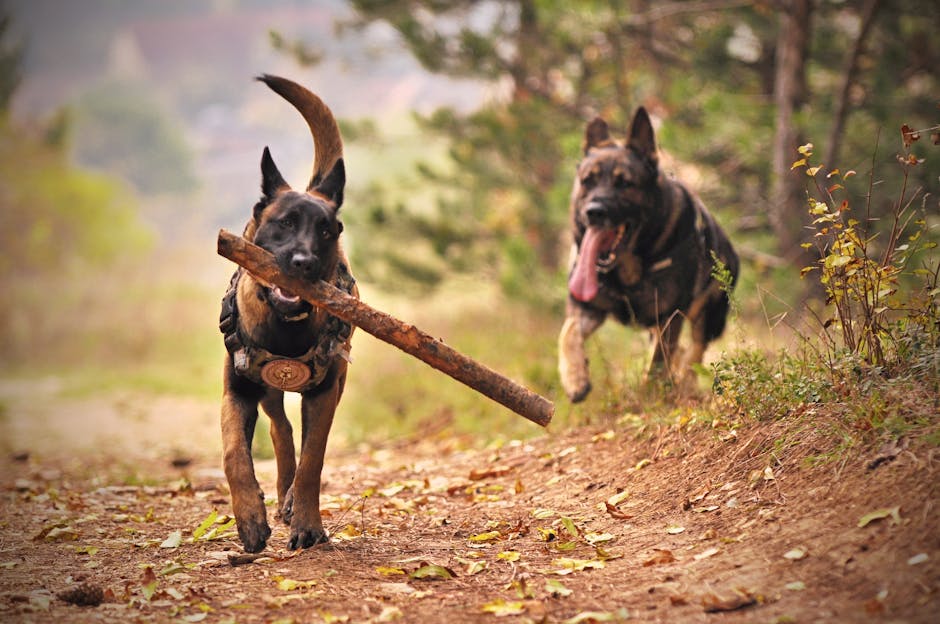
basic training for deaf dogs
Introduction
Basic training for deaf dogs is an important way to help pets learn how to communicate and understand their environment safely. While this guidance mainly focuses on dogs, some basic skills might also be taught to cats and other small pets in certain cases. Training is not about punishment; it is about building a positive bond based on trust and clear communication.
Training methods that use kindness and rewards can encourage pets to respond to cues and signals that suit their abilities. For deaf dogs, this often means relying on visual or tactile signals instead of sounds. The goal is to keep your pet safe and happy while strengthening your relationship.
What this article offers
- General advice on basic training for deaf dogs
- Suggestions for positive, reward-based techniques
- Encouragement to seek professional help when needed
Please remember that this information does not replace personalized guidance from a qualified trainer or veterinarian. If your pet has special needs or challenging behaviours, consulting an expert can provide the safest and most effective support.
Reviewed by the SASI Vet Behavior & Basic Training Editorial Board.
Foundations of positive basic training
Basic training for deaf dogs may require some adjustments, but the core principles of positive, humane training remain the same. Using rewards such as treats, praise, or play can encourage desired behaviours and help build a strong bond between you and your pet.
Key principles to keep in mind
- Timing: Deliver rewards immediately after the desired behaviour to help your dog make the connection.
- Consistency: Use the same cues and reward criteria every time to avoid confusion.
- Small steps: Break tasks into manageable parts and gradually increase difficulty as your dog succeeds.
- Short sessions: Keep training brief and enjoyable to maintain your dog’s interest and reduce stress.
It is important to avoid physical punishment, intimidation, or any tools that cause pain or fear. Such methods can damage your relationship and may worsen behaviour problems. Instead, focus on kindness and patience.
If you encounter challenges or need tailored guidance, consulting a qualified trainer or veterinary behaviour professional could be very helpful. They can offer advice suited to your dog’s unique needs and ensure training is safe and effective.
Using rewards and motivation effectively
When practicing basic training for deaf dogs, using rewards thoughtfully can make learning more enjoyable and successful. Different types of rewards may include food treats, verbal praise, toys, playtime, or life rewards such as going outside for a walk. Choosing rewards that truly motivate your pet is important, as what works well for one dog might not be as effective for another.
Types of rewards
- Food treats: Small, tasty bites that your dog finds appealing.
- Praise: Calm, happy tones or gentle petting.
- Toys and play: Interactive games or favorite chew toys.
- Life rewards: Access to a walk, playtime, or other enjoyable activities.
Deliver rewards promptly after the desired behaviour to help your dog make the connection. Over time, as your dog becomes more reliable, you might slowly reduce the frequency of treats while still offering praise or other rewards. This approach helps guide your dog’s learning without relying on constant food rewards or creating a sense of bribery.
If you find training challenging or notice your dog is not responding as expected, consulting a qualified trainer or veterinary behaviour professional could provide helpful, tailored guidance.
Teaching core basic cues step by step
When starting basic training for deaf dogs, it’s important to focus on clear, consistent signals and positive reinforcement. Begin in a quiet, low-distraction environment to help your dog concentrate and feel comfortable. Using treats, praise, or toys as rewards can encourage your dog to repeat desired behaviours.
Name recognition
Start by gently getting your dog’s attention with a visual cue, such as a hand wave or light tap on the floor. When your dog looks at you, immediately reward them. Repeat this several times until your dog consistently responds to their name paired with the visual signal.
Basic cues like sit, down, and come
Use clear hand signals combined with treats to teach each cue. For example, hold a treat above your dog’s nose and slowly move it back to encourage a sit. Reward immediately when your dog performs the action. Keep training sessions short and positive to maintain motivation.
Wait, stay, and leave it
These cues may take more time and patience. Start by asking your dog to hold a position for just a second or two, then gradually increase the duration. For “leave it,” present a treat in your closed hand and reward your dog for ignoring it. Always reward calm, controlled behaviour.
If you encounter challenges or want tailored guidance, consulting a qualified trainer or veterinary behaviour professional could be very helpful. Remember, patience and kindness are key to successful training.
House training and daily routines
Establishing consistent daily routines can greatly support basic training for deaf dogs. Feeding your dog on a regular schedule helps regulate their digestion and makes toilet times more predictable. Regularly taking your dog outside for toilet breaks encourages them to learn where it is appropriate to go.
Supervision and safe spaces
Supervising your dog indoors is important, especially during house training. Using a crate or a designated safe area can provide a comfortable space for your dog to rest and may help prevent accidents when you cannot directly watch them. These spaces should always be positive and never used for punishment.
Rewarding good behaviour
Rewarding your dog immediately after toileting in the right place helps reinforce this behaviour. Treats, praise, or gentle petting can be effective rewards. Patience is key, as puppies and young dogs might take time to fully understand house rules.
Remember, every dog learns at their own pace. If you encounter challenges or need tailored guidance, consulting a qualified trainer or veterinary behaviour professional could be very helpful.
Leash manners and everyday handling
Teaching polite leash walking is an important part of basic training for deaf dogs. Using rewards such as treats or praise when your dog walks with a loose leash can encourage calm and cooperative behaviour. If your dog begins to pull, stopping and waiting calmly before moving again may help them learn that pulling does not get them where they want to go.
Practising leash walking in quiet areas before gradually introducing distractions might make the process easier and less stressful for your dog. Patience and consistency are key, as well as keeping training sessions short and positive.
Gentle handling for grooming and vet visits
Everyday handling, including touching paws, ears, and other sensitive areas, can be taught using slow, gentle approaches paired with positive associations. Offering treats and calm reassurance during these moments may help your dog feel more comfortable and cooperative.
Introducing grooming tools and vet visit routines gradually, while rewarding calm behaviour, could reduce anxiety over time. Always go at your dog’s pace and avoid forcing interactions.
If you find handling or leash walking particularly challenging, consulting a qualified trainer or veterinary behaviour professional might provide tailored guidance to support your dog’s wellbeing and learning.
Preventing common behaviour problems early
Starting basic training for deaf dogs early can help reduce the chance of common behaviour issues such as jumping up, mouthing, excessive barking, or fearful reactions. Early training provides clear communication and structure, which may help your dog feel more secure and confident.
Providing appropriate outlets for your dog’s energy and mental stimulation is also important. Regular exercise, puzzle toys, and interactive games can keep your dog engaged and calm, potentially preventing boredom-related behaviours.
Teaching calm behaviours
Encouraging calm behaviours through gentle reward-based training might help your dog learn to relax in different situations. This can include teaching your dog to settle on cue or rewarding quiet moments, which could reduce stress and overexcitement.
Seeking early support
If you feel overwhelmed or notice behaviours that are difficult to manage, it’s a good idea to consult a qualified trainer or veterinary behaviour professional. Early guidance tailored to your dog’s needs may prevent problems from becoming more challenging later on.
When to seek professional training or veterinary help
While basic training for deaf dogs can often be managed at home with patience and positive reinforcement, some situations may require professional support. Issues such as aggression, severe fear, or sudden changes in behaviour might indicate underlying concerns that need expert attention.
It is important to seek help from qualified trainers or veterinary behaviour professionals who use kind, evidence-based methods. These experts focus on reward-based approaches that prioritize your dog’s welfare and safety.
Signs you might need professional help
- Persistent or escalating aggression
- Extreme anxiety or fear responses
- Sudden or unusual changes in behaviour
- Difficulty progressing with basic training for deaf dogs
When choosing a professional, look for those who avoid punishment-based or dominance-focused techniques. Harsh methods can cause distress and may worsen behaviour problems. Instead, seek trainers who emphasize positive reinforcement and gentle guidance.
Remember, every dog is unique, and some behaviours could be linked to medical issues. Consulting a veterinarian or a certified behaviourist can provide personalized advice and ensure your dog’s wellbeing.
FAQs
How long should basic training sessions be?
Short, frequent sessions of about 5 to 10 minutes are often best, especially for young or easily distracted pets. Keeping training positive and fun helps maintain your dog’s interest and encourages learning.
When is the best time to start basic training for deaf dogs?
Training can begin as soon as you bring your deaf dog home. Early introduction to gentle, consistent cues and rewards may help build clear communication and trust.
What should I do if my dog seems not to listen?
Remember that deaf dogs rely on visual or tactile cues, so consistency and patience are key. Try using hand signals, vibrations, or gentle touch to get their attention. If challenges persist, consulting a qualified trainer experienced with deaf dogs might be helpful.
Are group classes helpful for deaf dogs?
Group classes can offer socialization and learning opportunities, but it’s important to find one that accommodates your dog’s needs. Some trainers specialize in working with deaf dogs and use kind, reward-based methods tailored to them.
What are the most effective methods for training deaf dogs?
- Use clear hand signals or visual cues.
- Incorporate positive reinforcement like treats or praise.
- Be patient and consistent with commands.
- Consider vibration collars as a gentle attention tool, but only under professional guidance.
Summary
Basic training for deaf dogs is an ongoing journey that relies on clear communication, empathy, and positive reinforcement. Progress may come in small, steady steps, and patience is key to building a trusting relationship with your pet.
Using gentle, reward-based methods helps your dog understand expectations without fear or stress. Consistency and kindness often lead to the best outcomes, allowing your dog to feel safe and confident as they learn.
Key points to remember:
- Training is a gradual process that requires time and understanding.
- Clear signals, such as visual cues or vibrations, can support effective communication.
- Rewarding desired behaviours encourages your dog to repeat them.
- Seeking guidance from a qualified trainer or veterinary behaviour professional can provide valuable support tailored to your dog’s needs.
Asking for professional help is a positive step that shows your commitment to your dog’s well-being. Remember, every dog learns differently, and adapting training to suit your companion’s unique personality and abilities is important for success and safety.
- International Association of Animal Behavior Consultants (IAABC)
- American Veterinary Society of Animal Behavior (AVSAB)
- Association of Professional Dog Trainers (APDT)
- University Veterinary Teaching Hospitals with Behaviour Departments
- Pet Professional Guild (PPG)
Disclaimer: This article provides general information about basic training and does not replace professional advice. If you are concerned about your pet’s behaviour, consult a qualified trainer or veterinarian.



