Cat cracked paws symptoms causes and treatment basics

Share
Cat cracked paws symptoms causes and treatment basics
Introduction
Cat cracked paws symptoms causes and treatment basics is a topic that concerns many cat owners. This condition is often associated with dryness, irritation, or injury to the paw pads, which may cause discomfort or difficulty walking. While cats are most commonly affected, other pets with paw pads can experience similar issues.
Understanding the signs and potential causes of cracked paws is important for pet owners to help maintain their cat’s comfort and mobility. Common symptoms may include visible cracks, redness, swelling, or sensitivity when the paws are touched. Various factors such as environmental conditions, allergies, infections, or trauma may contribute to this condition.
It is essential to remember that this information does not replace a veterinary visit. Only a licensed veterinarian can accurately diagnose the underlying cause and recommend appropriate treatment options. Veterinarians may suggest specific care routines or therapies based on the individual pet’s needs.
Reviewed by SASI Vet Editorial Board.
What this condition is
Cat cracked paws symptoms causes and treatment basics relate to a condition affecting the pads of a cat’s feet. The paw pads are thick, cushioned areas that protect the bones and joints during walking and jumping. When these pads become cracked, it may cause discomfort or pain for the cat.
Cracking of the paw pads is often associated with dryness, irritation, or injury. It can develop gradually over time due to environmental factors or underlying health issues. Common contributing factors include:
- Exposure to rough or hot surfaces
- Allergic reactions or skin sensitivities
- Infections or inflammation
- Underlying medical conditions affecting skin health
While cracked paws may appear as visible splits or roughened areas on the pads, they can also lead to limping or reluctance to walk. Veterinarians may recommend specific care strategies to protect the paws and promote healing, but only a licensed professional can diagnose the exact cause and suggest appropriate treatment.
Common causes
Cat cracked paws symptoms causes and treatment basics often relate to a variety of environmental and health factors. Cracked or dry paw pads in cats may be caused by exposure to harsh surfaces, extreme weather conditions, or irritants such as chemicals and cleaning products. These factors can lead to dryness, cracking, and discomfort.
In veterinary practice, several common causes are often associated with cracked paws:
- Environmental dryness: Low humidity or cold weather can reduce moisture in the paw pads.
- Allergic reactions: Contact with allergens or irritants may cause inflammation and cracking.
- Infections: Bacterial or fungal infections can contribute to paw pad damage.
- Underlying health conditions: Certain systemic diseases, such as autoimmune disorders, may affect skin health.
- Excessive licking or grooming: This behaviour may worsen paw pad condition and delay healing.
It is important to note that causes can be mixed or uncertain in some cases. Veterinarians may recommend diagnostic tests to determine the underlying reason and appropriate treatment. Only a licensed veterinarian can diagnose and treat cracked paws safely and effectively.
Typical signs and symptoms
When observing your cat, it is important to be aware of signs that may indicate cracked paws. The focus keyword cat cracked paws symptoms causes and treatment basics relates to several common indicators that pet owners might notice at home.
Mild signs often include:
- Dry or flaky skin on the paw pads
- Small cracks or fissures that do not bleed
- Occasional licking or chewing of the paws
More serious symptoms that may require prompt veterinary attention include:
- Deep cracks that bleed or appear painful
- Swelling or redness around the paw pads
- Limping or reluctance to walk
- Signs of infection such as discharge or foul odour
Changes in your cat’s behaviour or paw condition may cause discomfort and affect mobility. Veterinarians may recommend specific treatments based on the severity and underlying causes. It is helpful to monitor any changes closely and keep notes to share during veterinary visits. Remember, only a licensed veterinarian can diagnose and provide appropriate care for your pet’s cracked paws.
When it is an emergency
Recognizing when your cat’s cracked paws symptoms causes and treatment basics require urgent attention is important for their well-being. Some signs may indicate a serious problem that needs immediate veterinary care.
Seek emergency veterinary help if your cat shows any of the following red flag signs:
- Sudden, severe limping or inability to put weight on the paw
- Rapid swelling, bleeding, or oozing from the cracked paw
- Signs of intense pain such as vocalizing, biting, or hiding
- Visible foreign objects embedded in the paw pad or between toes
- Foul odour or discharge suggesting infection
- Rapid worsening of symptoms over a few hours
- Fever, lethargy, or loss of appetite accompanying paw issues
Sudden or severe symptoms may cause complications and require prompt treatment. Veterinarians may recommend diagnostic tests and interventions to prevent further damage or infection. Always err on the side of caution and contact a licensed veterinarian or emergency clinic if you are concerned about your cat’s paw health.
How veterinarians diagnose it
When a cat presents with cracked paws symptoms causes and treatment basics in mind, veterinarians begin with a thorough history and physical examination. Understanding the pet’s environment, diet, and any recent changes helps guide the diagnostic process.
Initial assessment
- Review of clinical signs and duration
- Inspection of the paws for cracks, swelling, or infection
- Evaluation of the cat’s overall health and behaviour
Common diagnostic tests
Veterinarians may recommend several tests to identify underlying causes or complications, including:
- Blood work to assess general health and detect inflammation or infection
- Skin scrapings or cytology to check for parasites or microbial infections
- Imaging techniques such as X-rays to evaluate bone involvement or foreign bodies
These steps help veterinarians form a comprehensive understanding of the condition. It is important to remember that only a licensed veterinarian can diagnose and develop an appropriate treatment plan tailored to each cat’s specific needs.
Treatment options
When addressing cat cracked paws symptoms causes and treatment basics, veterinarians may recommend a variety of approaches depending on the underlying cause and severity. It is important to remember that only a licensed veterinarian can determine the most appropriate treatment plan for each individual cat.
Medications and topical care
Veterinarians may suggest topical ointments or creams to help soothe and protect cracked paw pads. In some cases, medications to address infection or inflammation might be recommended, but these should only be used under veterinary guidance.
Procedures and supportive care
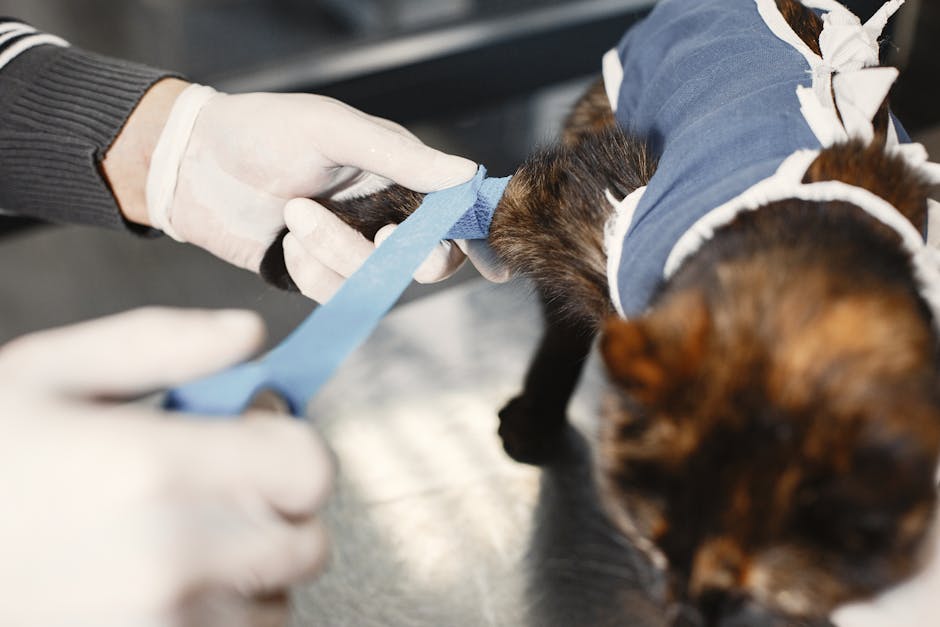
For more severe or persistent cases, procedures such as cleaning, debridement, or bandaging may be necessary to promote healing and prevent further damage. Supportive care at home, including keeping paws clean and dry, can also be beneficial.
Dietary and environmental considerations
- Adjusting diet to ensure proper nutrition may support skin and paw health.
- Minimizing exposure to harsh surfaces or chemicals that may cause irritation is often advised.
- Providing soft bedding and avoiding excessive walking on rough terrain can help reduce stress on paw pads.
Overall, treatment options vary widely and should be tailored by a veterinarian based on a thorough examination and diagnosis.
Home care and monitoring
After a veterinary visit for concerns related to cat cracked paws symptoms causes and treatment basics, safe home care and careful monitoring are important. While specific treatments should only be guided by a licensed veterinarian, pet owners can support their cat’s comfort and recovery by observing changes and maintaining a clean environment.
Monitoring your cat at home
- Check paws daily for any signs of worsening cracks, swelling, redness, or discharge.
- Note any changes in your cat’s behaviour such as limping, excessive licking of paws, or decreased activity.
- Keep a record of symptoms to share with your veterinarian during follow-up visits.
Comfort measures
- Provide a soft, clean resting area to reduce pressure on the paws.
- Maintain regular grooming to prevent dirt and debris from irritating cracked areas.
- Ensure your cat’s nails are trimmed carefully to avoid additional paw trauma.
When to contact your veterinarian
Contact your veterinary clinic if you observe signs such as increased pain, swelling, bleeding, or if your cat stops eating or becomes lethargic. Veterinarians may recommend further evaluation or adjustments to the treatment plan based on your observations.
Prevention and long-term management
Understanding cat cracked paws symptoms causes and treatment basics can help pet owners take steps to reduce the risk of this condition. While some factors may be unavoidable, there are practical measures that may support paw health and overall well-being.
Preventive measures
- Regular veterinary check-ups to monitor paw health and detect early signs of issues.
- Maintaining a balanced diet and healthy weight to support skin and paw pad integrity.
- Using appropriate parasite prevention, as some parasites may cause irritation or damage to the paws.
- Providing a safe environment free from harsh chemicals, rough surfaces, or extreme temperatures that may cause paw pad injury.
- Keeping nails trimmed to prevent abnormal wear or injury to the paws.
Long-term management
If a cat develops chronic paw issues, veterinarians may recommend ongoing care tailored to the individual pet. This could include regular cleaning, moisturizers suitable for cats, and monitoring for secondary infections. Managing underlying conditions such as allergies or infections is often part of the treatment plan.
It is important to consult a licensed veterinarian for diagnosis and to discuss the best prevention and management strategies for your cat’s specific needs.
Living with a pet with this condition
Managing a pet with cat cracked paws symptoms causes and treatment basics requires patience and ongoing care. While this condition may cause discomfort, many pets continue to enjoy a good quality of life with appropriate support.
Quality of life and daily care
Owners can help by gently inspecting their pet’s paws regularly and keeping the environment clean and safe. Soft bedding and avoiding rough surfaces may reduce irritation. Providing a balanced diet and ensuring hydration supports overall skin health.
Follow-up visits and veterinary communication
Regular check-ups with a licensed veterinarian are important to monitor the condition’s progress. Veterinarians may recommend specific treatments or lifestyle adjustments tailored to the pet’s needs. Ongoing communication helps address any changes promptly.
Possible lifestyle changes
- Limiting outdoor exposure to harsh weather or chemicals
- Using protective booties if recommended by the veterinarian
- Adjusting activity levels to prevent further paw injury
Realistic expectations and patience are key. While some symptoms may improve, others might require long-term management. Always consult a licensed veterinarian for diagnosis and treatment options specific to your pet’s condition.
FAQs
What are common symptoms of cat cracked paws?
Cat cracked paws may cause visible dryness, redness, or small cracks on the paw pads. Cats might lick or favour certain paws, and in some cases, mild limping can occur. These signs are often associated with environmental factors or underlying health issues.
What causes cracked paws in cats?
Several factors may contribute to cracked paws, including:
- Exposure to rough or hot surfaces
- Dry or cold weather conditions
- Allergic reactions or skin infections
- Underlying medical conditions affecting skin health
How can cracked paws be treated?
Veterinarians may recommend gentle cleaning and moisturizing products suitable for cats. Avoid using human creams or ointments unless directed by a veterinarian. Treatment often depends on identifying and managing any underlying causes.
When should I see a veterinarian about my cat’s cracked paws?
If your cat’s paws appear painful, swollen, or if the condition worsens despite basic care, it is important to consult a licensed veterinarian. Only a veterinarian can provide a proper diagnosis and tailored treatment plan.
Can cracked paws be prevented?
Prevention may include protecting your cat’s paws from harsh surfaces and extreme weather, maintaining good overall health, and regular veterinary check-ups to address any skin or health concerns early.
Summary
Understanding cat cracked paws symptoms causes and treatment basics can help pet owners recognise potential issues early. Cracked paws in cats may cause discomfort and are often associated with environmental factors, underlying health conditions, or injuries.
Early recognition of symptoms such as dryness, cracking, redness, or limping is important. Timely veterinary care can help identify the root cause and guide appropriate management to support healing and prevent complications.
Key points to remember:
- Cracked paws may result from dryness, allergies, infections, or trauma.
- Veterinarians may recommend treatments tailored to the specific cause, which could include topical care or addressing underlying health issues.
- Maintaining a clean, safe environment and monitoring your cat’s paws regularly can aid in prevention.
While cracked paws can be concerning, many cats respond well to proper care under veterinary guidance. If you notice any changes in your cat’s paws or behaviour, consulting a licensed veterinarian is the best step to ensure your pet’s comfort and health.
- American Veterinary Medical Association (AVMA)
- Canadian Veterinary Medical Association (CVMA)
- World Small Animal Veterinary Association (WSAVA)
- RSPCA
- UC Davis Veterinary Medicine Teaching Hospital
Disclaimer: This article provides general information about pet health and does not replace professional veterinary advice. Always talk to a licensed veterinarian about your pet’s specific situation.