Dog excessive shedding causes symptoms and when to see a vet

Share
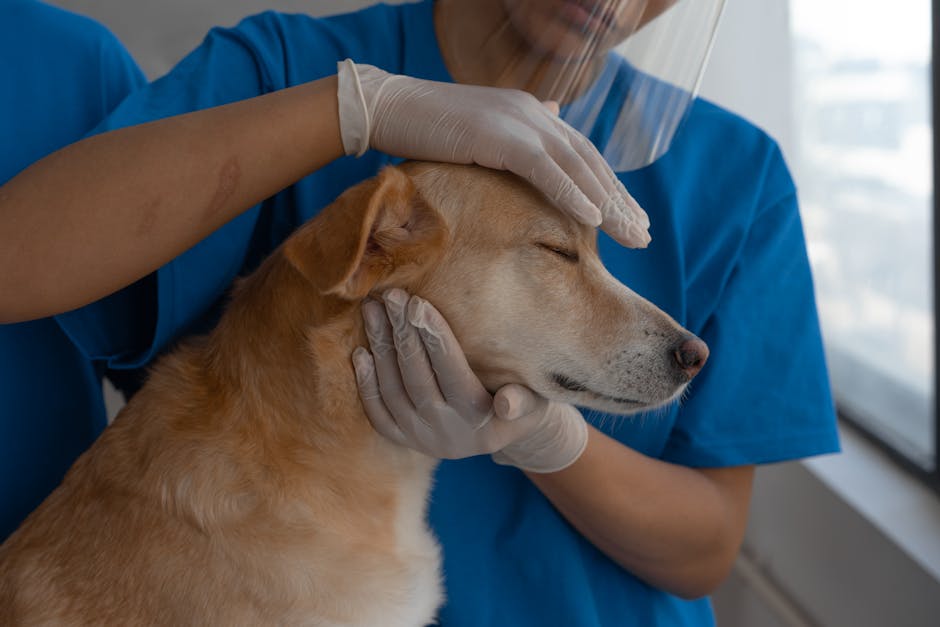
Dog excessive shedding causes symptoms and when to see a vet
Introduction
Excessive shedding is a common concern among dog owners and can affect a variety of breeds. While shedding is a natural process, dog excessive shedding causes symptoms and when to see a vet are important topics to understand for maintaining your pet’s health.
Shedding may cause noticeable hair loss and can be more intense during certain seasons or due to underlying health issues. Both dogs and cats can experience increased shedding, but this article focuses primarily on dogs.
Understanding the potential causes of excessive shedding helps pet owners recognise when it might indicate a health problem. Causes can range from normal seasonal changes to allergies, skin infections, or other medical conditions. Veterinarians may recommend specific tests or treatments based on a thorough examination.
This information is intended to provide a general overview and does not replace professional veterinary advice. Only a licensed veterinarian can diagnose and treat your pet appropriately.
Reviewed by SASI Vet Editorial Board.
What this condition is
Excessive shedding in dogs refers to a greater than normal loss of hair, which may cause noticeable thinning or patches of fur. Shedding is a natural process where old or damaged hair falls out to make way for new growth, but when it becomes excessive, it can indicate an underlying issue.
This condition is often associated with the skin and coat, which serve as a protective barrier and help regulate body temperature. Excessive shedding may develop gradually or suddenly, depending on the cause.
How excessive shedding develops
- Seasonal changes can increase shedding as dogs adjust their coats.
- Allergies or irritants may cause inflammation, leading to hair loss.
- Parasites such as fleas or mites can damage the skin and hair follicles.
- Underlying health problems, including hormonal imbalances or infections, may contribute.
Because dog excessive shedding causes symptoms that overlap with many conditions, veterinarians may recommend a thorough examination to determine the cause. Only a licensed veterinarian can diagnose and treat the underlying issues responsible for excessive shedding.
Common causes
Excessive shedding in dogs is often associated with a variety of causes and risk factors. Understanding these patterns can help pet owners recognize when to seek veterinary advice. It is important to remember that only a licensed veterinarian can diagnose and treat underlying conditions.
Environmental factors
- Seasonal changes may cause increased shedding as dogs adapt to temperature variations.
- Exposure to allergens such as pollen, dust, or mould can contribute to skin irritation and shedding.
- Poor grooming or infrequent brushing may lead to accumulation of loose hair.
Health-related causes
- Parasites like fleas or mites are common causes of skin irritation and hair loss.
- Underlying skin infections, whether bacterial or fungal, may cause excessive shedding.
- Hormonal imbalances, including thyroid disorders, are often linked to changes in coat condition.
- Stress or anxiety may also contribute to increased shedding in some dogs.
Because dog excessive shedding causes symptoms and when to see a vet can vary widely, veterinarians may recommend diagnostic tests to determine the exact cause. If you notice persistent or unusual shedding patterns, consulting a veterinarian is advised to ensure appropriate care.
Typical signs and symptoms
Dog excessive shedding causes symptoms that pet owners may notice during regular grooming or daily interaction. Shedding is a natural process, but when it becomes excessive, it may indicate an underlying issue.
Mild signs
- Increased hair loss during brushing or petting
- Loose fur around the home or on furniture
- Dry or flaky skin that may cause mild itching
More serious signs
- Patchy or uneven hair loss
- Redness, swelling, or sores on the skin
- Persistent scratching or biting at the coat
- Changes in behaviour such as lethargy or loss of appetite
Monitoring these signs and keeping notes can help your veterinarian identify potential causes and recommend appropriate care. If you observe any concerning symptoms or a sudden increase in shedding, it is important to consult a licensed veterinarian promptly. Only a veterinarian can diagnose the cause and suggest safe treatment options tailored to your pet’s needs.
When it is an emergency
Dog excessive shedding causes symptoms that are often manageable, but certain signs may indicate a more serious problem requiring immediate veterinary attention. Sudden, severe, or rapidly worsening symptoms should never be ignored and warrant urgent care.
Seek emergency veterinary care if your pet shows any of the following red flag signs:
- Sudden, intense hair loss over large areas
- Severe itching accompanied by open wounds or bleeding
- Swelling, redness, or heat on the skin that spreads quickly
- Signs of pain or distress such as whining, restlessness, or aggression
- Difficulty breathing, collapse, or loss of consciousness
- Rapidly worsening skin infections or discharge
These symptoms may be associated with underlying conditions that require prompt diagnosis and treatment. Veterinarians may recommend urgent interventions to prevent complications. Always err on the side of caution and contact a licensed veterinarian or emergency clinic if you are concerned about your pet’s condition.
How veterinarians diagnose it
When a dog presents with excessive shedding, veterinarians begin by gathering a thorough history. This includes asking about the duration and pattern of shedding, any changes in diet or environment, and the presence of other symptoms such as itching or skin lesions. Understanding these factors helps guide the diagnostic process.
The physical examination focuses on the skin and coat condition, looking for signs of inflammation, parasites, or infections that may cause or contribute to excessive shedding. The veterinarian also assesses the overall health of the dog.
Common diagnostic tests
- Skin scrapings and cytology: To check for parasites or infections.
- Blood work: Often recommended to evaluate organ function and detect underlying systemic conditions.
- Allergy testing: May be considered if an allergic cause is suspected.
- Imaging studies: Such as X-rays or ultrasound, occasionally used to investigate internal issues that might be related.
Because dog excessive shedding causes symptoms that can overlap with many conditions, veterinarians may recommend a combination of these approaches to reach an accurate diagnosis. Only a licensed veterinarian can determine the appropriate tests and interpret the results in the context of the individual pet’s health.
Treatment options
When addressing dog excessive shedding causes symptoms and when to see a vet, veterinarians may recommend a variety of treatment approaches depending on the underlying cause. It is important to remember that only a licensed veterinarian can determine the appropriate plan for each individual pet.
Medications and procedures
In some cases, medications may be prescribed to manage infections, allergies, or hormonal imbalances that contribute to excessive shedding. Procedures such as skin scrapings or allergy testing might be performed to identify specific triggers.
Dietary changes
Adjusting a dog’s diet can sometimes improve coat health and reduce shedding. Veterinarians may suggest diets rich in essential fatty acids, vitamins, or hypoallergenic ingredients tailored to the pet’s needs.
Home care and grooming
- Regular brushing to remove loose hair and stimulate the skin
- Bathing with veterinarian-approved shampoos to maintain skin health
- Minimizing stress and environmental allergens that may worsen shedding
Because excessive shedding can have many causes, a thorough veterinary evaluation is necessary to identify the best treatment options and ensure the pet’s overall well-being.
Home care and monitoring
After a veterinary visit regarding dog excessive shedding causes symptoms and when to see a vet, careful home monitoring can support your pet’s comfort and recovery. While home care is important, it should complement, not replace, professional veterinary advice and treatment.
Monitoring your dog at home
- Observe changes in shedding patterns, such as increased hair loss or bald patches.
- Watch for signs of skin irritation, redness, or unusual odours.
- Note any behavioural changes like excessive scratching, licking, or restlessness.
- Keep track of appetite, energy levels, and overall wellbeing.
Comfort measures
- Provide a clean, calm environment to reduce stress, which may worsen shedding.
- Use gentle grooming tools recommended by your veterinarian to avoid skin irritation.
- Maintain a balanced diet as advised by your veterinary team to support skin health.
When to contact your veterinarian
Contact your veterinary clinic if you notice worsening symptoms, such as increased hair loss, signs of infection, or if your dog appears uncomfortable or unwell. Only a licensed veterinarian can diagnose the underlying cause and recommend appropriate treatment tailored to your pet’s needs.
Prevention and long-term management
Understanding dog excessive shedding causes symptoms and when to see a vet can help pet owners take proactive steps to support their pet’s skin and coat health. While some shedding is normal, excessive shedding may be linked to underlying health issues that require veterinary attention.
Reducing risk
Pet owners can reduce the risk of excessive shedding by focusing on general wellness and preventive care, including:
- Regular vaccinations to protect against infectious diseases
- Consistent parasite prevention to avoid infestations that may irritate the skin
- A balanced diet formulated to support skin and coat health
- Maintaining a healthy weight to reduce stress on the body
- Routine veterinary check-ups to monitor overall health and catch early signs of problems
Long-term management
If excessive shedding is associated with a chronic condition, veterinarians may recommend ongoing management strategies tailored to the individual pet. This could involve dietary adjustments, specialised grooming routines, or treatments to address underlying causes. Regular follow-up appointments are important to assess the pet’s response and adjust care as needed.
Always consult a licensed veterinarian for diagnosis and treatment options appropriate for your pet’s specific situation.
Living with a pet with this condition
Managing a pet experiencing dog excessive shedding causes symptoms and when to see a vet requires patience and ongoing care. While shedding is a natural process, excessive shedding may cause discomfort or indicate underlying health issues. Owners should maintain regular communication with their veterinary team to monitor their pet’s condition and adjust care as needed.
Quality of life and lifestyle adjustments
Many pets with excessive shedding continue to live happy, active lives. However, some lifestyle changes may help support your pet’s comfort and well-being:
- Regular grooming to remove loose hair and reduce matting
- Maintaining a balanced diet that supports skin and coat health
- Minimizing stress and providing a calm environment
- Ensuring access to clean water and appropriate exercise
Follow-up and veterinary care
Follow-up visits allow veterinarians to assess your pet’s progress and recommend adjustments to their care plan. Since excessive shedding is often associated with various causes, ongoing evaluation is important. Only a licensed veterinarian can diagnose the underlying cause and suggest appropriate treatments or interventions.
By setting realistic expectations and working closely with your veterinary team, you can help your pet maintain the best possible quality of life despite this condition.
FAQs
What causes excessive shedding in dogs?
Dog excessive shedding causes symptoms and when to see a vet can vary widely. Common causes include seasonal changes, stress, diet, allergies, and underlying health conditions. Some breeds naturally shed more than others. If shedding seems unusual or is accompanied by other signs, a veterinarian may recommend an evaluation.
What symptoms often accompany excessive shedding?
Excessive shedding is often associated with dry or flaky skin, redness, itching, bald patches, or changes in coat texture. These signs may indicate allergies, parasites, infections, or hormonal imbalances. Observing your dog’s overall behaviour and skin condition can help your veterinarian determine the cause.
When should I see a veterinarian about my dog’s shedding?
If your dog’s shedding is sudden, severe, or accompanied by skin irritation, discomfort, or behavioural changes, it is advisable to consult a licensed veterinarian. They can perform appropriate tests and recommend treatments tailored to your pet’s needs.
Can diet affect my dog’s shedding?
Nutrition may cause changes in coat health and shedding patterns. Veterinarians may recommend dietary adjustments or supplements to support skin and coat condition, but these should be discussed with a professional before making changes.
How can I manage my dog’s shedding at home?
- Regular grooming and brushing
- Maintaining a balanced diet
- Minimizing stress and environmental allergens
- Following your veterinarian’s advice
Always seek veterinary guidance for persistent or severe shedding concerns.
Summary
Excessive shedding in dogs may cause concern for pet owners and is often associated with various underlying factors. Early recognition of changes in your dog’s coat or skin condition can be important for timely veterinary care.
Common dog excessive shedding causes symptoms include:
- Noticeable increase in hair loss beyond normal seasonal shedding
- Patchy or uneven fur coverage
- Itching, redness, or skin irritation
- Changes in behaviour such as increased scratching or licking
Veterinarians may recommend a thorough examination to identify potential causes such as allergies, parasites, hormonal imbalances, or nutritional issues. Prompt veterinary assessment helps ensure appropriate management and improves outcomes.
It is important to have realistic expectations, as some causes of excessive shedding may require ongoing care or lifestyle adjustments. Remember, only a licensed veterinarian can diagnose and treat your pet’s condition safely and effectively.
If you notice signs of excessive shedding or other skin changes, consulting your veterinarian is the best step to support your dog’s health and comfort.
Further resources
- American Veterinary Medical Association (AVMA)
- Canadian Veterinary Medical Association (CVMA)
- World Small Animal Veterinary Association (WSAVA)
- RSPCA
- UC Davis School of Veterinary Medicine
Disclaimer: This article provides general information about pet health and does not replace professional veterinary advice. Always talk to a licensed veterinarian about your pet’s specific situation.