Anxiety in multi cat households

Share
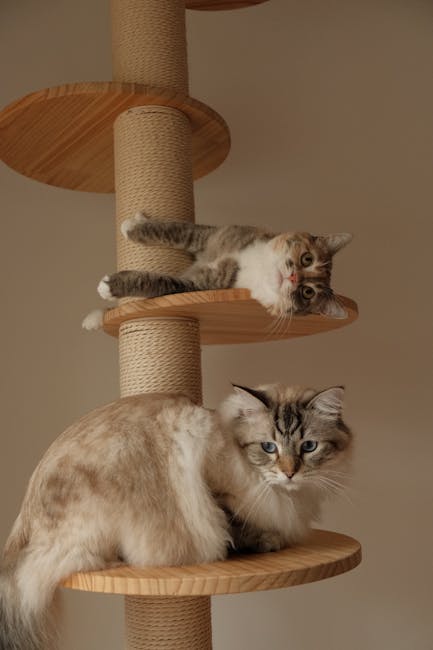
anxiety in multi cat households
Introduction
Anxiety in multi cat households is a common experience that many pet owners notice but may find puzzling. Both dogs and cats can show signs of anxiety, though these signs can look very different depending on the individual animal and their environment. Understanding these behaviors with kindness and patience is an important first step toward helping your pets feel more comfortable.
Signs of anxiety might include changes in appetite, restlessness, hiding, or vocalizing more than usual. It’s important to remember that these behaviors are ways your pets communicate their feelings and needs.
This article is designed to provide gentle, educational information about anxiety in pets. It does not diagnose specific behavior concerns but aims to support you in recognizing and responding to your pets’ emotional well-being. If you have concerns about your pets’ behavior, consulting with a qualified veterinary behavior professional can offer personalized guidance and reassurance.
Reviewed by the SASI Vet Behavior & Anxiety Editorial Board.
What anxiety may look like at home
Recognizing anxiety in multi cat households can help you provide a more comforting environment for your pets. Each cat may express their feelings in unique ways, so it’s important to observe their individual behaviors with kindness and patience.
Common signs you might notice include restlessness or pacing around the home, which can indicate your cat is feeling unsettled. Some cats may pant gently or tremble, while others might seek solitude by hiding in quiet spaces. Vocalizing more than usual or becoming unusually clingy are also ways cats may communicate their anxiety.
- Restlessness or pacing
- Gentle panting or trembling
- Hiding in quiet or secluded spots
- Increased vocalizing
- Seeking extra attention or clinginess
Remember, these signs can vary widely between cats, and noticing them early allows you to support your pets with compassion. If you have concerns about your cats’ well-being, consulting a qualified veterinary behaviour professional can provide helpful guidance tailored to your household’s needs.
Common situations that may trigger anxiety
Anxiety in multi cat households can arise from a variety of everyday situations. Each cat is unique, so triggers may differ widely between individuals. Understanding common sources of stress can help create a more peaceful environment for all your feline companions.
Some broad categories of triggers include:
- Separation: Changes in the presence or attention of family members can cause unease for some cats.
- Loud noises: Sudden or ongoing sounds such as fireworks, thunderstorms, or household appliances may be unsettling.
- changes in routine: Alterations in feeding times, cleaning schedules, or daily activities can disrupt a cat’s sense of security.
- Unfamiliar environments: Moving to a new home or introducing new furniture can feel overwhelming.
- Social stress: Interactions with other cats or pets, especially if space or resources are limited, may lead to tension.
Recognizing these potential triggers and observing your cats’ individual responses can guide you in providing comfort and support. For personalized advice, consulting a qualified behaviour professional is always recommended.
How positive-based training supports anxious pets
Addressing anxiety in multi cat households with kindness and patience creates a foundation of trust and safety. Positive-based training uses gentle encouragement and rewards to help pets feel more secure and confident in their environment. This approach fosters a calm atmosphere where anxious pets can gradually become more comfortable.
Key elements that support anxious pets include:
- Using treats, praise, or play to reward calm and relaxed behaviours
- Introducing new experiences or changes slowly to avoid overwhelming pets
- Maintaining predictable daily routines to provide a sense of stability
- Creating quiet, safe spaces where pets can retreat and relax
- Communicating clearly through body language and gentle tones to reduce uncertainty
It’s important to remember that punishment or harsh corrections can increase fear and anxiety, making it harder for pets to feel safe. Instead, focusing on positive reinforcement helps build confidence and strengthens the bond between you and your pets. For personalized guidance, consulting a qualified behaviour professional can provide valuable support tailored to your household’s unique needs.
Environmental and routine adjustments
Creating a peaceful and predictable environment can greatly support pets experiencing anxiety in multi cat households. Providing each cat with safe spaces where they can retreat and feel secure helps reduce stress and promotes a sense of calm. These spaces might include cozy beds, elevated perches, or quiet corners away from household activity.
Enrichment is another valuable tool to encourage natural behaviors and mental engagement. Interactive toys, puzzle feeders, and opportunities for gentle play can help keep cats content and distracted from potential stressors. Maintaining a consistent daily routine for feeding and exercise also offers reassurance, as pets thrive on predictability.
Consider these simple adjustments to foster harmony:
- Designate separate feeding areas to minimize competition
- Provide multiple litter boxes in different locations
- Establish calm times with low noise and gentle interactions
- Rotate toys and introduce new scents or textures gradually
Each household is unique, so observing your cats’ responses and consulting with a qualified behaviour professional can help tailor these strategies to best support your pets’ well-being.
Additional considerations for multi cat households
In homes with several cats, social dynamics can be complex and sometimes contribute to anxiety. Cats are territorial by nature, and sharing space requires careful management to ensure everyone feels secure. Providing vertical space, such as cat trees or shelves, allows cats to observe their environment from a safe vantage point and can reduce tension.
Pay attention to resource availability, as competition over food, water, resting spots, and litter boxes can increase stress. Ensuring there are enough resources spread throughout the home helps each cat feel they have their own territory and reduces the chance of conflict.
Gentle introductions when bringing new cats into the household are essential. Gradual, positive experiences help cats build trust and reduce anxiety associated with unfamiliar companions. Patience during this process is key, as rushing introductions can heighten stress for all involved.
Observing body language cues, such as tail position, ear orientation, and pupil size, can provide insight into your cats’ emotional states. Learning to read these signals helps you respond appropriately and support your cats in feeling safe and understood.
Additionally, providing opportunities for cats to engage in natural behaviors such as scratching, climbing, and exploring can help reduce anxiety by allowing them to express themselves in healthy ways. Incorporating calming pheromone diffusers or sprays designed specifically for cats may also create a soothing atmosphere, though individual responses can vary.
Remember, the goal is to create an environment where each cat feels valued and secure, which often requires ongoing observation and gentle adjustments tailored to their unique personalities and needs.
When anxiety may be more serious
In multi cat households, it’s natural for some level of anxiety to occur as cats adjust to each other’s presence. However, there are times when anxiety may become more concerning and benefit from a professional’s gentle guidance. Recognizing these moments early can help ensure your cats feel safe and supported.
Signs that anxiety might be more serious include:
- Extreme distress such as constant vocalizing or hiding
- Risk of self-harm through excessive grooming or scratching
- Aggressive behaviours that are new or intensifying
- Sudden changes in eating, litter box use, or social interactions
If you notice any of these red flags, it’s a kind and caring step to seek advice from a qualified veterinary behaviour professional. They can offer personalized support tailored to your cats’ unique needs, helping to create a calm and harmonious home environment. Remember, your attentive care and early action can make a meaningful difference in managing anxiety in multi cat households.
Working with professionals
When addressing anxiety in multi cat households, seeking guidance from qualified professionals can be very helpful. Positive-reinforcement trainers, veterinary behaviour professionals, and veterinarians bring valuable expertise to support both you and your cats in a gentle, compassionate way. Their knowledge can help create a calm and comfortable environment for all your feline companions.
It’s important to remember that behaviour concerns may sometimes have underlying medical components. A thorough evaluation by a veterinarian or veterinary behaviour professional can ensure your cats’ health is considered alongside their emotional well-being. This holistic approach promotes the best outcomes for your pets.
Working with professionals offers several benefits, including:
- Personalized strategies tailored to your cats’ unique needs
- Positive, fear-free techniques that build trust and confidence
- Support in understanding and managing complex social dynamics
- Guidance on creating a harmonious home environment
Remember, reaching out for professional support is a kind and proactive step. It helps you provide the most loving care possible while fostering peace and happiness in your multi cat household.
Common owner questions (FAQs)
What signs might indicate anxiety in multi cat households?
Cats may show subtle signs such as hiding more than usual, changes in appetite, or increased grooming. Some cats might also vocalize differently or avoid certain areas. Observing these behaviors gently can help you understand their comfort levels.
How can I help reduce anxiety in my cats living together?
Providing each cat with their own safe spaces, such as separate resting areas and litter boxes, can promote a sense of security. Maintaining a calm environment and consistent routines often supports their well-being. Patience and gentle reassurance are key.
Is it normal for cats to have occasional disagreements?
Yes, mild disagreements or brief tension can happen as cats establish their relationships. These moments usually resolve on their own without causing lasting stress. Watching for signs of ongoing distress can help you decide when to seek advice.
When should I consider consulting a professional about anxiety in multi cat households?
If you notice persistent signs of stress, such as frequent hiding, aggression, or changes in behavior that affect their quality of life, reaching out to a qualified behaviour specialist or veterinarian can provide personalized support and guidance tailored to your cats’ needs.
Summary
Anxiety in multi cat households is a common experience that many pet owners face. With patience and understanding, it is possible to create a peaceful environment where all cats feel safe and comfortable. Each cat’s unique personality and needs deserve gentle attention and respect.
Approaching anxiety with kindness and consistent structure helps build trust and reduces stress over time. Small changes in daily routines, providing cozy spaces, and encouraging positive interactions can make a meaningful difference. Remember, progress may be gradual, and that’s perfectly okay.
For the best support, consulting with a qualified veterinary behaviour professional can offer personalized guidance tailored to your cats’ specific situations. Their expertise can help you navigate challenges with confidence and compassion.
- Recognize that anxiety is a natural response and can be managed thoughtfully
- Maintain a calm and predictable environment for all cats
- Seek professional advice to support your household’s wellbeing
- American Veterinary Society of Animal Behavior (AVSAB)
- International Association of Animal Behavior Consultants (IAABC)
- Society for Companion Animal Studies (SCAS)
- Pet Professional Guild (PPG)
- Association of Professional Dog Trainers (APDT)
Disclaimer: This article provides general information about pet anxiety and does not replace professional evaluation or guidance.