
Overstimulation anxiety in puppies

Share
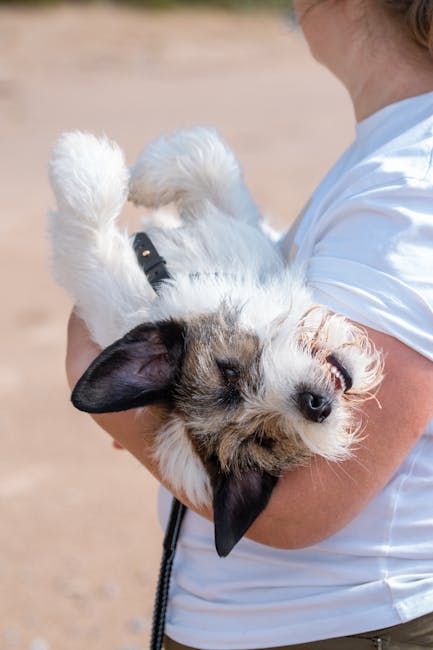
overstimulation anxiety in puppies
Anxiety is a common experience for both puppies and adult pets, including cats. It can show up in many different ways, depending on the individual animal and their environment. Understanding the signs of anxiety helps us provide a calm and supportive space for our furry friends.
One specific type of anxiety that some young dogs may experience is overstimulation anxiety in puppies. This happens when a puppy becomes overwhelmed by too much excitement or activity, leading to feelings of stress or discomfort. Recognizing these moments early can help caregivers respond with gentle reassurance and care.
Signs of anxiety can vary widely and might include:
- Restlessness or pacing
- Excessive vocalization
- Avoidance or hiding
- Changes in body language, such as lowered ears or tucked tail
This information is intended to offer a basic understanding and is not a substitute for professional advice. If you notice signs of anxiety in your pet, consulting a qualified behaviour expert or veterinarian can provide personalized guidance and support tailored to your pet’s needs.
Reviewed by the SASI Vet Behavior & Anxiety Editorial Board.
What anxiety may look like at home
When caring for a puppy, it’s helpful to recognize signs of overstimulation anxiety in puppies so you can provide comfort and support. Each puppy may express their feelings in unique ways, and understanding these subtle cues can make a positive difference in their well-being.
Common signs you might notice include restlessness or pacing, as your puppy tries to find a calm spot. Panting or trembling can also be gentle indicators that your puppy is feeling overwhelmed. Some puppies may seek solitude by hiding, while others might become more vocal or cling closely to their trusted humans for reassurance.
- Restlessness or pacing
- Panting or trembling
- Hiding or seeking quiet spaces
- Increased vocalizing
- Clinginess or following you closely
Remember, these behaviors are ways your puppy communicates their feelings. If you notice these signs often, consider reaching out to a qualified professional who can offer personalized guidance to help your puppy feel safe and secure in their home environment.
Common situations that may trigger anxiety
Many puppies can experience feelings of unease in certain situations, and understanding these common triggers can help provide comfort and support. Overstimulation anxiety in puppies often arises when they encounter new or challenging experiences that feel overwhelming.
Some broad categories of situations that may lead to anxious responses include:
- Separation from their caregivers, which can create feelings of uncertainty or loneliness.
- Loud or sudden noises, such as thunderstorms, fireworks, or household appliances.
- Changes in routine or environment, including moving to a new home or rearranging familiar spaces.
- Unfamiliar environments, like busy parks or vet visits, where new sights and smells can feel intense.
- Social stress from meeting new people or other animals, especially if introductions are rushed or unpredictable.
It’s important to remember that each puppy is unique, and what may cause anxiety in one may not affect another. Observing your puppy’s reactions and seeking guidance from caring professionals can help create a gentle, supportive environment tailored to their needs.
How positive-based training supports anxious pets
Positive-based training offers a gentle and effective way to help pets experiencing overstimulation anxiety in puppies and other anxious behaviours. By focusing on rewards and encouragement, pets learn to feel safe and confident in their environment. This approach fosters trust and strengthens the bond between you and your pet.
Slow, gradual exposure to new experiences combined with predictable routines can create a calm and reassuring atmosphere. Maintaining a peaceful environment helps reduce stress and supports your pet’s emotional well-being. Clear, consistent communication through gentle cues and body language allows your pet to understand expectations without fear.
Key elements of positive-based training include:
- Using treats, praise, or play to reward calm and relaxed behaviour
- Introducing new stimuli at a comfortable pace to avoid overwhelm
- Establishing daily routines that provide structure and security
- Creating quiet spaces where your pet can retreat and feel safe
- Communicating with patience and kindness to build confidence
It’s important to remember that punishment or harsh corrections can increase fear and anxiety, making it harder for your pet to feel secure. For personalized guidance tailored to your pet’s needs, consulting a qualified behaviour professional is always recommended.
Environmental and routine adjustments
Creating a calm and predictable environment can be very helpful for puppies experiencing overstimulation anxiety in puppies. Providing a safe space where your puppy can retreat to when feeling overwhelmed offers comfort and security. This might be a cozy crate, a quiet corner, or a designated room with familiar bedding and toys.
In addition to a safe space, enriching your puppy’s environment with gentle, age-appropriate activities supports their emotional well-being. Engaging toys, soft music, and short, positive interactions can help reduce stress and promote relaxation.
Maintaining a consistent daily routine also plays a key role. Predictable feeding times, regular exercise, and calm household rhythms help your puppy feel more secure and less anxious. Consider these supportive practices:
- Set regular meal and playtimes to create structure
- Incorporate gentle exercise suited to your puppy’s age and energy level
- Keep noise and sudden changes to a minimum during rest periods
- Use calm, soothing tones when interacting with your puppy
Remember, every puppy is unique, so observing their responses and adjusting accordingly is important. For personalized guidance, consulting a qualified veterinary behaviour professional can provide additional support tailored to your puppy’s needs.
When anxiety may be more serious
While many puppies experience some level of nervousness or excitement, certain signs may suggest that anxiety is becoming more intense or difficult to manage. Overstimulation anxiety in puppies can sometimes lead to behaviors that are concerning or distressing for both the puppy and their family. It’s important to observe your puppy closely and notice if their reactions seem unusually strong or persistent.
Some red flags to be mindful of include:
- Extreme distress that doesn’t ease with comforting or familiar routines
- Repeated attempts to harm themselves, such as excessive licking or biting
- Aggressive behaviors that appear suddenly or escalate quickly
- Sudden changes in behavior or mood that are out of character
If you notice any of these signs, it can be very helpful to seek guidance from a qualified veterinary behaviour professional. They can provide personalized support and help you understand your puppy’s needs in a kind and effective way. Remember, early attention and gentle care can make a positive difference in your puppy’s wellbeing and happiness.
Working with professionals
When addressing overstimulation anxiety in puppies, seeking guidance from qualified professionals can be very helpful. Positive-reinforcement trainers, veterinary behaviour professionals, and veterinarians each bring valuable expertise to support your puppy’s well-being. Their gentle, compassionate approaches focus on building trust and confidence in your puppy.
It’s important to remember that behaviour concerns sometimes have underlying medical components. Consulting a veterinarian ensures your puppy’s health is thoroughly evaluated, which can provide a clearer understanding of any contributing factors. Veterinary behaviour professionals combine medical knowledge with behaviour expertise to offer well-rounded support.
Working with professionals offers several benefits, including:
- Personalized guidance tailored to your puppy’s unique needs
- Positive, fear-free techniques that promote learning and comfort
- Support in creating a calm and nurturing environment
- Encouragement and reassurance for you as a caring pet parent
Remember, reaching out for professional help is a kind and proactive step. It helps ensure your puppy receives the gentle care and understanding needed to thrive happily and confidently.
Common owner questions (FAQs)
What signs might indicate overstimulation anxiety in puppies?
Puppies experiencing overstimulation anxiety may show restlessness, whining, or attempts to withdraw from busy environments. They might also display subtle body language cues like lip licking or yawning, which can signal discomfort. Observing your puppy’s reactions in different situations helps you understand their comfort levels.
How can I help my puppy feel more comfortable when they seem overwhelmed?
Creating a calm and predictable environment can be very soothing. Offering quiet spaces where your puppy can retreat and providing gentle reassurance helps them feel safe. Taking breaks during play or social interactions allows your puppy to reset and reduces feelings of overwhelm.
Is it normal for puppies to have moments of anxiety during their early development?
Yes, it’s quite common for puppies to experience moments of anxiety as they encounter new sights, sounds, and experiences. These feelings are part of their learning process. With patience and gentle support, most puppies gradually build confidence and resilience.
When should I seek professional advice about my puppy’s anxiety?
If your puppy’s anxiety seems persistent, intense, or is affecting their daily activities, consulting a qualified veterinary behaviourist or trainer can be very helpful. Professionals can offer personalized guidance tailored to your puppy’s unique needs, ensuring their well-being and happiness.
Summary
Overstimulation anxiety in puppies is a common experience that many young dogs go through as they adjust to new environments and stimuli. With patience and understanding, this type of anxiety can be gently managed to help puppies feel safe and secure. Providing a calm, structured routine supports their emotional well-being and fosters confidence.
Kindness and consistency are key when helping a puppy navigate feelings of overwhelm. Creating a predictable environment with clear boundaries allows them to learn at their own pace without pressure. Remember, every puppy is unique and may respond differently to various approaches.
If you notice signs of anxiety, consider these supportive steps:
- Offer quiet spaces where your puppy can retreat and relax
- Use gentle, reassuring interactions to build trust
- Maintain a consistent daily schedule to reduce uncertainty
- Seek guidance from qualified professionals who specialize in positive, fear-free methods
By approaching overstimulation anxiety in puppies with compassion and structure, you can help your furry friend grow into a confident and happy companion. Professional support can provide personalized strategies tailored to your puppy’s needs, ensuring the best possible outcome.
Recommended Behaviour Resources
- American Veterinary Society of Animal Behavior (AVSAB)
- International Association of Animal Behavior Consultants (IAABC)
- Association of Professional Dog Trainers (APDT)
- Pet Professional Guild (PPG)
- International Cat Care
Disclaimer: This article provides General information about pet anxiety and does not replace professional evaluation or guidance.
Related Articles
- Dental care basics for cats how to reduce plaque and tartar
- Non core vaccines for cats when they may be needed
- heartworm-in-cats-home-care-and-when-it-is-an-emergency/” title=”Heartworm in cats home care and when it is an emergency”>Heartworm in cats home care and when it is an emergency