
Territorial anxiety in cats

Share
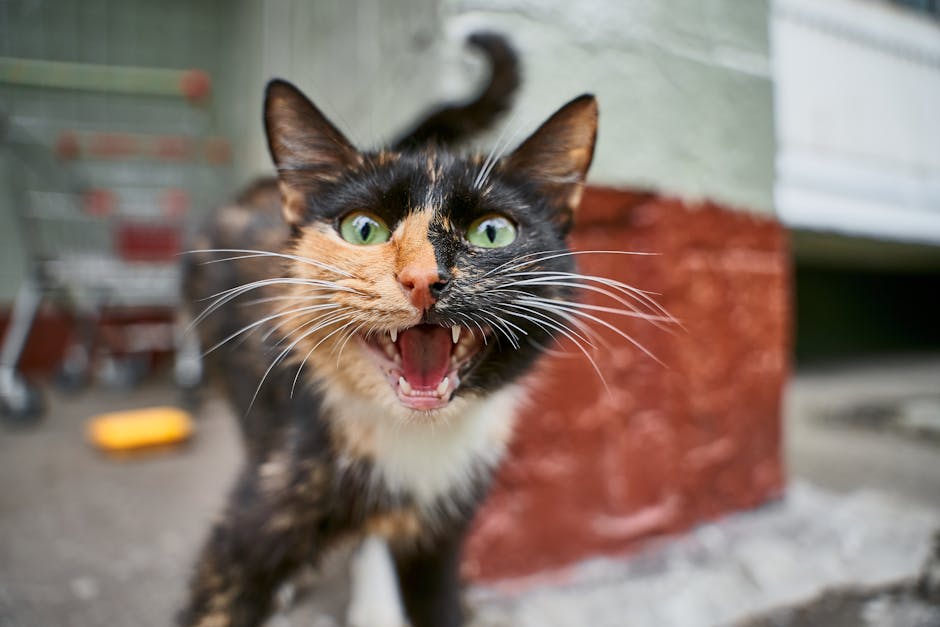
territorial anxiety in cats
Introduction
Feeling anxious is a natural experience for many pets, including both dogs and cats. Just like people, animals can show a variety of signs when they feel uneasy or stressed. Understanding these signs helps us provide a calm and supportive environment for our furry friends.
One common concern among cat owners is territorial anxiety in cats. This type of anxiety can arise when a cat feels uncertain or threatened in its familiar surroundings. It’s important to recognize that each cat may express this feeling differently, and behaviors can range from subtle to more noticeable.
This article aims to offer gentle, educational insights into anxiety in pets without diagnosing specific behaviour concerns. If you notice signs of anxiety in your pet, consulting a qualified veterinary behaviour professional can provide personalized guidance tailored to your pet’s needs.
Reviewed by the SASI Vet Behavior & Anxiety Editorial Board.
What anxiety may look like at home
When a cat experiences territorial anxiety in cats, their behavior may change in subtle or noticeable ways. Each cat expresses anxiety differently, so it’s important to observe your pet closely and with kindness. You might notice signs that suggest your cat is feeling uneasy or stressed in their environment.
Common signs of anxiety at home include restlessness or pacing, which can indicate your cat is trying to find comfort or escape from a perceived threat. Some cats may pant gently or tremble, while others might seek solitude by hiding in quiet spaces. Vocalizing more than usual, such as meowing or yowling, can also be a way your cat communicates their discomfort.
Other behaviors to watch for include increased clinginess, where your cat seeks extra reassurance and closeness from you. Recognizing these signs early helps you provide a calm and supportive environment. If you notice changes in your cat’s behavior, consider reaching out to a qualified professional who can offer personalized guidance and support.
Common situations that may trigger anxiety
Many cats experience moments of unease in response to various situations, and territorial anxiety in cats is one example where certain triggers can lead to stress. It’s important to remember that each cat is unique, and what causes anxiety in one may not affect another in the same way.
Some common situations that may contribute to feelings of anxiety include:
- Separation from their trusted humans or familiar companions
- Loud or sudden noises such as fireworks, thunderstorms, or household appliances
- Changes in daily routine or environment, including moving furniture or new visitors
- Unfamiliar environments, like trips to the vet or boarding facilities
- Social stress from interactions with other pets or unfamiliar animals
Recognizing these triggers with kindness and patience can help you support your cat’s comfort and well-being. If you notice signs of anxiety, consulting a qualified veterinary behaviour professional can provide personalized guidance tailored to your cat’s needs.
How positive-based training supports anxious pets
Positive-based training offers a gentle and effective way to support pets experiencing territorial anxiety in cats or other forms of stress. By focusing on rewards and encouragement, pets learn to associate calm behaviours with pleasant experiences, fostering a sense of safety and trust.
Creating a predictable routine and a calm environment helps reduce uncertainty, which can ease anxiety. Slow, gradual exposure to new or challenging situations allows pets to build confidence at their own pace without feeling overwhelmed.
Clear and consistent communication is key to helping anxious pets feel understood and secure. Using calm tones and body language reassures them that they are safe and supported.
- Offer treats or praise to reward relaxed behaviour
- Introduce changes gradually to avoid sudden stress
- Maintain consistent daily routines to provide stability
- Create quiet, comfortable spaces for rest and retreat
It’s important to avoid punishment or intimidation, as these can increase fear and worsen anxiety. For personalized guidance tailored to your pet’s needs, consulting a qualified behaviour professional is always recommended.
Environmental and routine adjustments
Creating a calm and predictable environment can greatly support cats experiencing territorial anxiety in cats. Providing safe spaces where your cat can retreat and feel secure helps them manage stress and regain confidence. These areas might include cozy beds, quiet corners, or elevated perches away from household activity.
Enrichment is another valuable tool to promote well-being. Interactive toys, puzzle feeders, and opportunities for gentle play encourage natural behaviors and mental engagement. Maintaining a consistent daily routine for feeding and exercise also offers reassurance, as cats thrive on predictability and structure.
Consider these supportive adjustments to your household routine:
- Set regular feeding times to create a comforting schedule
- Incorporate gentle play sessions to provide physical and mental stimulation
- Keep noise levels low and avoid sudden changes in the environment
- Ensure multiple litter boxes and resting spots are available in different areas
Every cat is unique, so observing your pet’s responses and consulting with a qualified behaviour professional can help tailor these adjustments to best support your cat’s needs in a gentle and positive way.
Additional gentle strategies to support your cat
Alongside environmental and routine adjustments, there are other thoughtful ways to help your cat feel more secure in their territory. Providing vertical spaces such as cat trees or shelves allows cats to observe their surroundings from a safe vantage point, which can be very reassuring. These elevated areas offer a sense of control and refuge, helping to reduce feelings of vulnerability.
Using calming scents or pheromone diffusers designed specifically for cats can also create a soothing atmosphere. These products mimic natural feline facial pheromones, which may help promote relaxation and reduce stress-related behaviors. However, it’s important to introduce any new item gradually and observe your cat’s response to ensure they feel comfortable.
Engaging in gentle, interactive play sessions not only provides physical exercise but also strengthens the bond between you and your cat. Playtime can serve as a positive distraction from anxiety triggers and helps release built-up energy in a joyful way. Remember to follow your cat’s lead and respect their boundaries during these interactions.
Additionally, maintaining a quiet and peaceful home environment during times of stress can be very beneficial. Minimizing loud noises, sudden movements, or overcrowding in your cat’s favorite spaces helps them feel safe and less overwhelmed. Offering consistent, calm interactions reassures your cat that their territory remains a secure place.
When anxiety may be more serious
While many cats experience mild anxiety that can be managed with gentle support, there are times when anxiety may signal a need for extra care. If you notice your cat showing signs of extreme distress or sudden changes in behaviour, it’s important to pay close attention. These changes can be unsettling for both you and your cat, and seeking guidance can help ensure their comfort and well-being.
Some signs that may suggest a more serious concern include:
- Persistent or intense vocalization or pacing
- Repeated self-harm such as excessive grooming or scratching
- Uncharacteristic aggression toward people or other pets
- Sudden withdrawal or hiding for extended periods
Territorial anxiety in cats can sometimes contribute to these behaviours, especially if your cat feels threatened or overwhelmed in their environment. Remember, these signs are gentle reminders to reach out to a qualified veterinary behaviourist or your veterinarian. They can provide personalized support tailored to your cat’s unique needs, helping to create a calm and safe space for your feline friend.
Working with professionals
When addressing territorial anxiety in cats, seeking guidance from qualified professionals can be very helpful. Positive-reinforcement trainers, veterinary behaviour professionals, and veterinarians bring valuable expertise to support your cat’s well-being in a kind and respectful way. Their knowledge can help you better understand your cat’s unique needs and create a comfortable environment.
It’s important to remember that behaviour concerns sometimes have underlying medical components. A gentle assessment by a veterinarian can ensure your cat’s health is thoroughly considered alongside behavioural support. This holistic approach promotes the best outcomes for your cat’s happiness and security.
Working with professionals offers several benefits, including:
- Personalized advice tailored to your cat’s temperament and situation
- Guidance on positive, fear-free techniques to reduce anxiety
- Support in creating a safe and enriching home environment
- Collaboration between behaviour and health experts for comprehensive care
Remember, reaching out for help is a kind and proactive step. With patience and professional support, you can help your cat feel more relaxed and confident in their territory.
Common owner questions (FAQs)
What signs might indicate territorial anxiety in cats?
Cats experiencing territorial anxiety may show behaviors like increased vocalization, hiding, or changes in litter box habits. They might also become more clingy or, conversely, more withdrawn. Observing these gentle cues can help you understand your cat’s feelings better.
Can changes in the home environment affect my cat’s anxiety?
Yes, cats are sensitive to changes such as new pets, visitors, or rearranged furniture. These shifts can sometimes trigger feelings of insecurity or territorial stress. Providing a calm, consistent environment helps your cat feel safe and supported.
How can I help my cat feel more secure in their territory?
Offering cozy resting spots, vertical spaces, and quiet areas can create a comforting environment. Maintaining regular routines for feeding and playtime also supports your cat’s sense of stability. Gentle interaction and patience are key to building trust.
When should I seek professional advice about my cat’s anxiety?
If your cat’s behavior changes noticeably or if anxiety seems to affect their well-being, consulting a qualified veterinary behaviourist or trainer is a kind step. They can offer personalized guidance tailored to your cat’s unique needs.
Summary
Territorial anxiety in cats is a common experience that many feline companions face at some point. With patience and understanding, this type of anxiety can be managed effectively, helping your cat feel more secure and comfortable in their environment. Kindness and gentle reassurance play a vital role in supporting your cat through these moments.
Creating a consistent and structured environment can greatly reduce feelings of uncertainty and stress. Simple routines, safe spaces, and predictable interactions help your cat build confidence and a sense of safety. Remember, every cat is unique, and what works best may vary from one individual to another.
When addressing territorial anxiety in cats, consider these supportive approaches:
- Maintain a calm and quiet atmosphere
- Provide hiding spots and elevated resting areas
- Use positive reinforcement to encourage relaxed behavior
- Observe your cat’s cues and respect their boundaries
For personalized guidance tailored to your cat’s needs, consulting a qualified veterinary behaviour professional is always recommended. With gentle care and expert support, your cat can enjoy a more peaceful and confident life.
- American Association of Feline Practitioners (AAFP) – Cat Friendly Practice Guidelines
- International Association of Animal Behavior Consultants (IAABC)
- Pet Professional Guild (PPG) – Fear Free Certified Professionals
- International Cat Care – Cat Behaviour and Welfare Resources
- American Veterinary Society of Animal Behavior (AVSAB)
Disclaimer: This article provides General information about pet anxiety and does not replace professional evaluation or guidance.