Dog growling meaning

Share
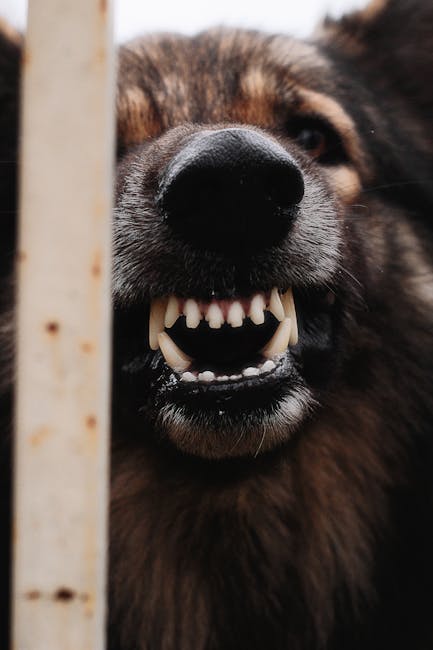
dog growling meaning
Introduction
Understanding the dog growling meaning is essential for pet owners who want to ensure a safe and harmonious environment for their furry companions. Growling is often a form of communication that can indicate a range of emotions, from fear to discomfort or even playfulness. It is important to recognize that aggression can manifest in both dogs and cats, serving as a safety signal rather than a definitive diagnosis of a behavior disorder.
Reviewed by the SASI Vet Behavior & Aggression Editorial Board.
When a dog growls, it is their way of expressing a need for space or signaling that they are feeling threatened. This behavior should be approached with care and understanding. Instead of viewing growling as a negative trait, consider it an opportunity to learn more about your pet’s feelings and needs. By paying attention to the context in which growling occurs, you can better understand your pet’s perspective and respond appropriately.
Remember, this article is not intended to diagnose any behavior disorders. Instead, it aims to provide insights into the meaning behind growling and encourage a compassionate approach to addressing your pet’s needs.
What aggression may look like
Aggression in pets can manifest in various observable behaviours that may be concerning for pet owners. One common behaviour is growling, which can indicate discomfort or a desire to communicate boundaries. For example, a dog growling may signal that they feel threatened or are trying to protect their space.
Other signs of potential aggression include hissing in cats, which often serves as a warning to back off. Stiff posture in both dogs and cats can indicate that an animal is feeling tense or defensive. Additionally, avoidance behaviours, such as moving away or hiding, can suggest that a pet is feeling overwhelmed or anxious.
Some pets may resort to snapping as a way to express their discomfort, while others might choose to retreat entirely from a situation that makes them feel unsafe. Recognizing these behaviours is essential for ensuring a safe environment for both pets and people. Understanding the meaning behind these actions can help foster a more harmonious relationship with your furry companions.
Situations where pets may show aggressive behaviour
Understanding the dog growling meaning can help pet owners navigate situations where their furry friends may display aggressive behaviour. Growling is often a form of communication, indicating that a dog is feeling threatened, uncomfortable, or anxious.
Common triggers for aggression in dogs include:
- Fear: A dog may growl when it feels scared or cornered, signaling its need for space.
- Discomfort: If a dog is in pain or feels unwell, it might growl to express its discomfort and protect itself.
- Resource tension: Dogs can show aggression when they feel their food, toys, or resting spots are threatened by another animal or person.
- Unfamiliar visitors: New people or animals in their environment can cause anxiety, leading to growling as a warning.
- Sudden changes: Changes in routine, environment, or family dynamics can unsettle a dog, prompting growling as a response.
Recognizing these triggers can help create a safer environment for both pets and their owners, fostering understanding and compassion.
Why punishment can make things worse
Understanding the dog growling meaning is essential for fostering a safe and supportive environment for our pets. Growling is often a form of communication, indicating discomfort, fear, or a desire for space. When we respond to this behavior with punishment or intimidation, we may inadvertently increase the dog’s anxiety and fear, leading to more aggressive responses.
Using corrections or dominance-based techniques can create a cycle of fear and mistrust. Instead of feeling safe, the dog may become more defensive, interpreting human actions as threats. This can escalate the situation, making it more likely for the dog to react aggressively in the future.
Promoting kindness and understanding is crucial. By creating a controlled environment where dogs feel secure, we can help them express their feelings without fear of retribution. Encouraging positive interactions and respecting their boundaries can lead to healthier relationships and a more harmonious home.
How calm routines may support safety
Understanding the dog growling meaning can be essential for ensuring a safe environment for both pets and people. Establishing calm routines can help create a sense of security for your dog, reducing anxiety and potential triggers for growling.
Consistency in daily activities, such as feeding, walks, and playtime, can provide your dog with a predictable structure. This predictability helps them feel more secure and less overwhelmed by their surroundings. Additionally, creating safe spaces within your home where your dog can retreat when feeling stressed can further enhance their comfort.
When introducing your dog to new experiences, people, or other animals, taking things slowly is crucial. Gradual introductions allow your dog to acclimate without feeling threatened or anxious. Always supervise these interactions to ensure safety and to observe your dog’s body language, which can provide insights into their comfort level.
By focusing on calm routines and providing a supportive environment, you can help your dog feel more at ease, potentially reducing instances of growling and fostering a harmonious relationship.
When aggression signals more serious concern
Understanding the dog growling meaning is essential for pet owners. Growling can be a normal part of canine communication, but it can also indicate underlying issues that may require attention. It’s important to recognize red flags that suggest a more serious concern.
One significant warning sign is escalating intensity. If your dog’s growling becomes louder or more frequent, it may indicate that they are feeling increasingly threatened or uncomfortable. Sudden changes in behavior, such as a previously friendly dog becoming aggressive, can also be a cause for concern. These shifts may signal stress or fear that needs to be addressed.
Another critical red flag is if your dog progresses from growling to snapping or biting. This escalation can indicate that your dog feels they have no other option to protect themselves or communicate their discomfort. In such cases, it is crucial to seek professional evaluation from a qualified animal behaviorist or trainer who uses positive reinforcement methods. They can help you understand your dog’s behavior and develop a safe plan to address any concerns.
Working with qualified professionals
Understanding the dog growling meaning can be complex, and it’s essential to approach this behavior with care. Engaging with qualified professionals can provide valuable insights and support.
Positive reinforcement trainers specialize in teaching dogs desirable behaviors through rewards. They can help you understand your dog’s body language and emotional state, guiding you in creating a positive environment that encourages good behavior. Their focus is on building a strong bond between you and your dog, fostering trust and communication.
Veterinary behavior professionals have advanced training in animal behavior and can assess your dog’s behavior in a comprehensive manner. They can help identify underlying issues that may contribute to growling and provide guidance on how to manage these situations safely and effectively.
Veterinarians play a crucial role in your pet’s overall health. If you notice changes in your dog’s behavior, including growling, a veterinarian can help rule out any medical issues that may be affecting your dog’s well-being. They can also refer you to behavior specialists if needed.
Working collaboratively with these professionals can lead to a better understanding of your dog’s behavior and promote a harmonious relationship.
FAQs
What does dog growling mean?
Dog growling can be a form of communication. It often indicates that a dog is feeling threatened, uncomfortable, or is trying to express a need for space. Understanding the context of the growl is essential for interpreting its meaning.
Is growling always a sign of aggression?
Not necessarily. While growling can indicate discomfort or a warning, it can also be a way for dogs to communicate playfulness or excitement. Observing the dog’s body language and the situation can provide more clarity.
How should I respond if my dog growls?
If your dog growls, it’s important to remain calm. Assess the situation and give your dog space if needed. Avoid punishing the growl, as this can lead to confusion and may escalate the behavior.
Can I prevent my dog from growling?
While you cannot eliminate growling entirely, you can help your dog feel more comfortable in various situations. Providing positive experiences and socialization can reduce the likelihood of growling in stressful scenarios.
When should I seek help regarding my dog’s growling?
If your dog’s growling becomes frequent or is accompanied by other concerning behaviors, it may be beneficial to consult a professional who specializes in dog behavior. They can help you understand your dog’s needs and improve their comfort.
Summary
Understanding the dog growling meaning is essential for any dog owner. Growling is often a form of communication, signaling that your dog is feeling threatened, uncomfortable, or is trying to express a need. It’s important to recognize that growling is not inherently a sign of aggression; rather, it can indicate a range of emotions and intentions.
When your dog growls, it’s a cue for you to pay attention to the context. This behavior can arise in various situations, such as when a dog is protecting its space, feeling anxious, or even playing. Instead of reacting with fear or punishment, it’s crucial to remain calm and assess the situation. Understanding your dog’s body language and the environment can help you respond appropriately.
If you find that growling is frequent or concerning, seeking the guidance of a professional who specializes in animal behavior can provide valuable insights. They can help you interpret your dog’s signals and develop strategies for fostering a positive and safe environment for both you and your pet.
By prioritizing understanding and compassion, you can create a nurturing atmosphere that supports your dog’s emotional well-being and strengthens your bond.
Additionally, engaging in regular training sessions can enhance your dog’s confidence and help them learn to navigate various situations more comfortably. Socialization with other dogs and people, when done gradually and positively, can also contribute to a well-adjusted pet. Remember, the goal is to create a safe space where your dog feels secure enough to express themselves without resorting to growling or other forms of communication that may indicate distress.
Furthermore, being aware of your dog’s triggers and providing them with tools to cope with stressful situations can be beneficial. This may include teaching them cues that promote calmness or providing distractions during potentially anxiety-inducing moments. The more you understand your dog’s unique personality and preferences, the better equipped you will be to support them in feeling safe and secure.
- Understanding Canine Body Language
- Positive Reinforcement Training Techniques
- Creating a Safe Space for Pets
- Socialization Strategies for Dogs
- Recognizing Signs of Stress in Pets
Disclaimer: This article provides general information about pet aggression and does not replace professional evaluation.