
Cats guarding food bowl signs

Share
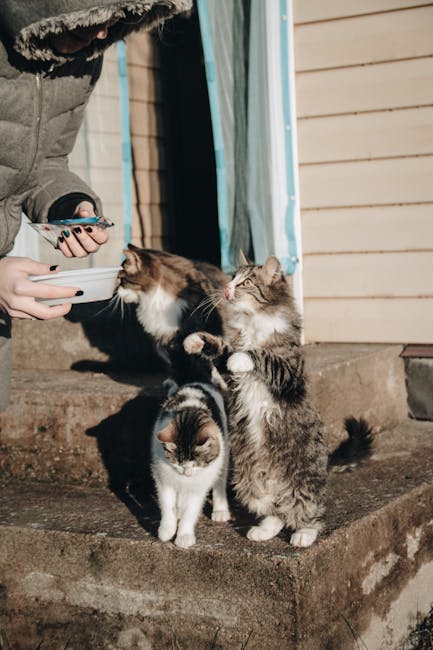
Cats guarding food bowl signs
Introduction
Understanding our pets’ behavior is essential for fostering a harmonious home. One common concern among cat owners is recognizing cats guarding food bowl signs. It’s important to remember that aggression in pets, including cats, can manifest in various ways and is often a safety signal rather than a definitive diagnosis of a behavior disorder.
When a cat exhibits guarding behavior around its food bowl, it may be expressing a natural instinct to protect its resources. This behavior can stem from various factors, including past experiences or environmental stressors. Observing these signs can help you better understand your cat’s needs and feelings.
By approaching the situation with patience and empathy, you can create a more positive environment for your feline friend. Recognizing and addressing these behaviors calmly can lead to improved interactions and a more peaceful household. Remember, the goal is to support your pet in feeling secure and comfortable in their space.
What aggression may look like
When observing cats guarding food bowl signs, you may notice a variety of behaviours that indicate discomfort or stress around their food. One common behaviour is growling, which can serve as a warning to others that they should keep their distance. Hissing is another vocalization that may occur, often accompanied by a stiff posture, where the cat appears tense and alert.
In some cases, a cat may display avoidance behaviours, such as moving away from the food bowl or hiding when they sense someone approaching. This can be a sign that they feel threatened or anxious about sharing their space. Additionally, snapping or swatting can occur if they feel cornered or overly challenged, while retreating to a safe area may be their way of coping with the situation.
Understanding these behaviours is essential for creating a safe environment for your cat. Observing and respecting their boundaries can help reduce stress and promote a more harmonious atmosphere in your home.
Situations where pets may show aggressive behaviour
Understanding the context in which pets may display aggression can help us respond appropriately and ensure a safe environment for everyone involved. One common scenario is when cats guarding food bowl signs become apparent. This behaviour often stems from a sense of resource guarding, where a cat feels the need to protect its food from perceived threats.
Fear is another significant trigger. If a cat feels threatened by loud noises or unfamiliar visitors, it may react defensively. Similarly, discomfort due to pain or illness can lead to aggressive behaviour, as the pet may feel vulnerable and react to protect itself.
Resource tension can also arise in multi-pet households, where competition for food, toys, or attention may lead to aggressive displays. Additionally, sudden changes in the environment, such as moving to a new home or introducing a new pet, can create stress and provoke aggressive responses.
Recognizing these triggers is essential for creating a calm and supportive atmosphere for our pets, allowing us to manage situations effectively and promote their well-being.
Why punishment can make things worse
When it comes to understanding cats guarding food bowl signs, it’s essential to approach the situation with kindness and empathy. Using intimidation or punishment can lead to increased fear and anxiety in your cat, which may exacerbate the guarding behavior rather than resolve it.
When a cat feels threatened, it may react defensively, leading to a cycle of aggression and fear. This can create an environment where your cat feels unsafe, making it more likely to guard its resources, such as food. Instead of fostering trust, punishment can damage the bond between you and your pet, making it harder for them to feel secure in their home.
Creating a controlled environment is key. By ensuring that your cat has a safe space to eat without feeling threatened by other pets or disturbances, you can help reduce the guarding behavior. Positive reinforcement, such as rewarding calm behavior, can encourage your cat to feel more relaxed around their food bowl. Remember, patience and understanding are vital in helping your cat feel secure and confident.
How calm routines may support safety
Establishing calm routines can significantly enhance the safety and well-being of your pets, especially when it comes to managing cats guarding food bowl signs. Consistency in daily activities helps create a sense of security for your cat, allowing them to feel more relaxed and less anxious.
Creating safe spaces within your home is essential. These areas should be quiet and free from disturbances, providing your cat with a retreat when they need it. This can help reduce feelings of overwhelm, particularly during mealtimes or when new pets are introduced.
When introducing new pets or changes in the household, take your time. Slow introductions allow both your existing pets and newcomers to adjust at their own pace, minimizing stress and potential conflicts. Supervision during these interactions is crucial to ensure everyone feels safe and secure.
By focusing on calm routines, safe spaces, and gradual introductions, you can foster a peaceful environment that supports your cat’s emotional health and reduces the likelihood of guarding behaviors around their food bowl.
When aggression signals more serious concern
Understanding cats guarding food bowl signs is crucial for ensuring a safe environment for both your pet and yourself. While some level of food guarding can be normal, certain red flags may indicate a more serious issue that requires attention.
One significant warning sign is escalating intensity. If your cat’s behavior becomes increasingly aggressive over time, it may be a signal that their discomfort or anxiety is growing. Sudden changes in behavior, such as a previously friendly cat becoming defensive around their food bowl, can also be concerning. These shifts may indicate underlying stress or fear that needs to be addressed.
Another critical red flag is if your cat bites or attempts to bite when approached during mealtime. This behavior can pose a risk not only to you but also to the overall well-being of your cat. If you notice any of these signs, it is essential to seek professional evaluation from a qualified animal behaviorist or veterinarian. They can provide guidance tailored to your cat’s specific needs and help create a safer, more comfortable environment for everyone involved.
Working with qualified professionals
When observing cats guarding food bowl signs, it’s essential to seek guidance from qualified professionals who can help you understand your cat’s behavior. Positive reinforcement trainers specialize in teaching cats new behaviors through rewards, creating a safe and supportive environment for learning. They can provide strategies to encourage more relaxed interactions around food.
Veterinary behaviour professionals have a deep understanding of animal behavior and can assess the underlying causes of guarding behaviors. They can work with you to develop a comprehensive understanding of your cat’s needs and help you create a harmonious home environment.
Veterinarians play a crucial role in ensuring your cat’s overall health. If you notice any changes in behavior, a veterinary visit can rule out any medical issues that might be contributing to the guarding behavior. They can also provide referrals to behavior specialists if needed.
By collaborating with these professionals, you can create a positive and safe atmosphere for your cat, helping them feel more secure and reducing any guarding tendencies.
FAQs
What are common signs of cats guarding their food bowl?
Common signs include growling, hissing, or swatting when approached while eating. Some cats may also stiffen their body posture or stare intently at anyone near their food bowl.
Why do cats guard their food bowls?
Cats may guard their food bowls due to instinctual behaviors related to resource protection. This can stem from past experiences or a natural inclination to protect their food from perceived threats.
How can I create a safe feeding environment for my cat?
To promote a safe feeding environment, consider placing the food bowl in a quiet, low-traffic area. Ensure your cat feels secure and has a designated space where they can eat without interruptions.
What should I do if my cat shows signs of guarding behavior?
If your cat displays guarding behavior, it’s important to respect their space during mealtime. Gradually desensitize them to your presence by sitting nearby while they eat, without forcing interaction.
Can I prevent food guarding in my cat?
While you cannot completely prevent guarding behavior, you can help by providing multiple feeding stations or using puzzle feeders to encourage a more relaxed eating experience.
Summary
Understanding cats guarding food bowl signs is essential for fostering a peaceful environment for both you and your feline friend. When a cat displays guarding behavior, it is often a form of communication, indicating that they feel the need to protect their resources. This behavior can manifest as growling, hissing, or even a stiff posture when approached while eating.
It’s important to remember that this behavior is not a reflection of your cat’s overall temperament but rather a response to their environment or past experiences. Providing a safe space for your cat during mealtime can help alleviate some of this stress. Consider feeding your cat in a quiet area where they feel secure, away from other pets or distractions.
If you notice signs of guarding, approach the situation with calmness and patience. Avoid forcing interactions during mealtime, as this can escalate the behavior. Instead, seek guidance from a professional who specializes in feline behavior to better understand your cat’s needs and develop a management plan that promotes safety and comfort for everyone involved.
Additionally, engaging in regular playtime and providing enrichment activities can help reduce stress and anxiety in your cat. Activities that stimulate their natural hunting instincts, such as interactive toys or puzzle feeders, can keep them occupied and less focused on guarding their food. This not only promotes a healthier mindset but also strengthens the bond between you and your pet.
Moreover, understanding your cat’s body language and vocalizations can enhance your ability to respond appropriately to their needs. By being attuned to their signals, you can create a more supportive environment that encourages trust and reduces anxiety. Remember, every cat is unique, and taking the time to learn about their individual preferences and behaviors will contribute to a more harmonious relationship.
In conclusion, fostering a safe and understanding environment for your cat is key to managing guarding behaviors. By prioritizing their emotional well-being and creating a space where they feel secure, you can help them thrive and enjoy a more relaxed relationship with their food and surroundings.
- Understanding feline behavior
- Creating a safe environment for pets
- Positive reinforcement training techniques
- Managing multi-pet households
- Recognizing signs of stress in cats
Disclaimer: This article provides general information about pet aggression and does not replace professional evaluation.