
Dogs reacting when hugged

Share
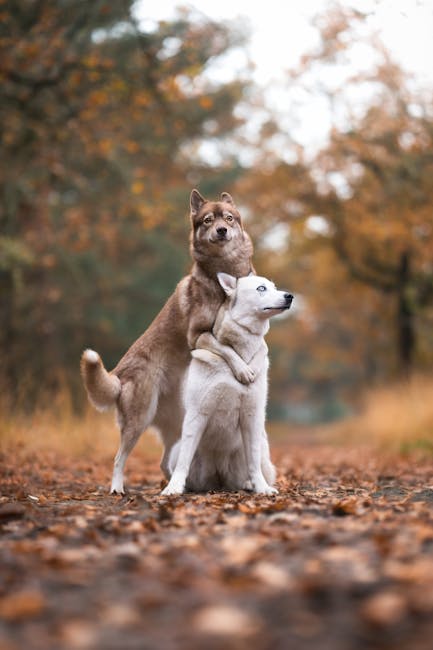
Dogs reacting when hugged
Introduction
Many pet owners may notice their Dogs reacting when hugged, which can sometimes be surprising or concerning. It’s important to understand that such reactions can be a form of communication from our furry friends. Dogs and cats may display various behaviors when they feel uncomfortable or threatened, and these signals are their way of expressing their feelings.
Recognizing that aggression or discomfort in pets is a safety signal is crucial. It indicates that the animal may be feeling stressed or anxious in a particular situation. This response is not a diagnosis of a behavior disorder but rather a natural reaction to perceived threats or discomfort.
As responsible pet owners, it’s essential to observe our pets’ body language and respect their boundaries. Understanding their reactions can help create a more harmonious environment for both pets and humans. By fostering a calm and supportive atmosphere, we can help our pets feel safe and secure, reducing the likelihood of negative reactions in the future.
What aggression may look like
When observing Dogs reacting when hugged, it’s important to pay attention to their body language and vocalizations. Some dogs may growl softly, which can indicate discomfort or a desire for space. Others might hiss or show a stiff posture, signaling that they are feeling threatened or anxious. These signs are their way of communicating that they are not comfortable with the situation.
In some cases, a dog may choose to avoid the hug altogether, turning their head away or moving to a different area. This behavior is a clear indication that they prefer not to engage in close contact. Additionally, snapping can occur if a dog feels cornered or overly pressured, while retreating is a common response when they seek to distance themselves from the source of their discomfort.
Understanding these observable behaviors is crucial for ensuring a safe and positive interaction with dogs. By recognizing their signals, we can create a more comfortable environment for them, allowing for healthier relationships and interactions.
Situations where pets may show aggressive behaviour
Understanding why dogs react when hugged can help create a safer environment for both pets and people. Various everyday triggers can lead to aggressive behaviour in dogs, often stemming from fear or discomfort.
One common trigger is fear. Some dogs may feel threatened when approached too closely or when they are hugged, leading to defensive reactions. Additionally, discomfort can arise from physical touch that they are not accustomed to, making them feel vulnerable.
Resource tension is another factor; dogs may become protective over their food, toys, or space, which can result in aggressive responses if they perceive a threat to their resources. Unfamiliar visitors can also provoke anxiety, causing a dog to react aggressively as a way to protect their home and family.
Lastly, sudden changes in the environment, such as moving to a new home or the arrival of a new family member, can unsettle a dog, leading to unpredictable behaviour. Recognizing these triggers is essential for fostering a calm and safe atmosphere for everyone involved.
Why punishment can make things worse
When dogs react negatively when hugged, it can be a sign of discomfort or fear. Using intimidation or punishment in these situations can exacerbate the problem, leading to increased anxiety and aggression. Dogs, like humans, have their own unique boundaries and comfort levels. Forcing them into situations that make them uncomfortable can result in a breakdown of trust between the dog and their owner.
Instead of using corrections or dominance-based techniques, it is essential to foster a calm and supportive environment. Positive reinforcement, such as rewarding calm behavior, can help dogs feel more secure and less threatened. Creating controlled situations where the dog can gradually acclimate to being hugged or approached can also be beneficial. This approach allows the dog to learn that these interactions can be safe and even enjoyable.
By prioritizing kindness and understanding, we can help our dogs feel more at ease, reducing the likelihood of negative reactions. Remember, patience and empathy are key in building a trusting relationship with your pet.
How calm routines may support safety
Establishing calm routines can significantly enhance the safety and comfort of dogs reacting when hugged. Consistency in daily activities helps create a predictable environment, which can reduce anxiety and promote a sense of security for your pet.
Creating safe spaces within your home is essential. Designate areas where your dog can retreat when feeling overwhelmed. These spaces should be quiet and free from disturbances, allowing your dog to relax and recharge.
When introducing new experiences, such as hugs, it’s important to proceed slowly. Gradual introductions to physical affection can help your dog acclimate without feeling threatened. Pay attention to their body language and respect their comfort levels.
Supervision is key during interactions, especially with children or unfamiliar individuals. By monitoring these encounters, you can ensure that your dog feels safe and secure, reducing the likelihood of stress or discomfort.
Overall, a calm and structured routine, combined with safe spaces and careful introductions, can foster a more positive environment for dogs reacting when hugged, promoting their well-being and enhancing your bond.
When aggression signals more serious concern
It’s important to recognize when dogs reacting when hugged may indicate a deeper issue. While some dogs may simply feel uncomfortable with close physical contact, others may show signs of distress that warrant attention. Look for red flags such as escalating intensity in their reactions, sudden changes in behavior, or even biting.
If your dog begins to growl, snap, or show signs of fear when hugged, these can be indicators that they are feeling threatened or overwhelmed. Sudden changes in behavior, such as a previously affectionate dog becoming aggressive, can also be a cause for concern. These shifts may suggest that your dog is experiencing stress or anxiety that needs to be addressed.
In such cases, it’s essential to seek the guidance of a qualified professional who can help assess the situation. A behavior specialist can provide insights into your dog’s body language and help you understand their needs better. Prioritizing safety for both your dog and those around them is crucial, so don’t hesitate to reach out for support if you notice these warning signs.
Working with qualified professionals
When addressing concerns such as dogs reacting when hugged, it’s essential to collaborate with qualified professionals who can provide guidance tailored to your pet’s needs. Positive reinforcement trainers specialize in teaching dogs new behaviors and enhancing their social skills through reward-based methods. They can help create a safe environment where your dog feels comfortable and secure.
Veterinary behaviour professionals have advanced training in animal behaviour and can assess your dog’s reactions in various contexts. They focus on understanding the underlying reasons for specific behaviours and can offer insights into how to improve your dog’s comfort level during interactions, such as hugging.
Veterinarians play a crucial role in your pet’s overall health and well-being. They can rule out any medical issues that might contribute to your dog’s reactions and provide guidance on how to ensure your pet feels safe and secure in different situations.
By working with these professionals, you can develop a better understanding of your dog’s behaviour and foster a positive relationship built on trust and safety.
FAQs
Why do some dogs react negatively when hugged?
Dogs have different comfort levels with physical affection. Some may feel confined or anxious when hugged, as it can limit their movement. Understanding your dog’s body language is key to ensuring they feel safe and secure.
What signs indicate my dog is uncomfortable with hugs?
Common signs of discomfort include turning their head away, tensing up, or trying to move away. If your dog shows these signs, it’s important to respect their feelings and find alternative ways to show affection.
How can I tell if my dog enjoys being hugged?
Dogs that enjoy hugs may lean into you, wag their tails, or relax their bodies. Each dog is unique, so pay attention to their individual responses to physical affection.
What should I do if my dog reacts aggressively when hugged?
If your dog reacts aggressively, it’s essential to prioritize safety. Avoid hugging them and instead focus on building trust through positive interactions. Consider consulting a professional who specializes in dog behavior for personalized guidance.
Are there alternatives to hugging for showing affection?
Absolutely! You can show affection through gentle petting, playing, or offering treats. Engaging in activities your dog enjoys can strengthen your bond without causing discomfort.
Summary
Many dog owners may notice their pets displaying signs of discomfort or aggression when hugged. It’s important to understand that dogs reacting when hugged is often a form of communication. They may feel threatened or confined, leading them to express their feelings through growling, snapping, or other behaviors. Recognizing these signals is crucial for ensuring the safety of both the dog and the person interacting with them.
When a dog reacts negatively to being hugged, it’s essential to respect their boundaries. Instead of forcing physical affection, consider alternative ways to show love, such as gentle petting or engaging in play. This approach fosters a more positive relationship and helps the dog feel secure.
If you find that your dog frequently reacts with aggression or discomfort, seeking the guidance of a professional who specializes in animal behavior can be beneficial. They can provide insights tailored to your dog’s specific needs and help you create a safe environment for everyone involved. Remember, understanding and patience are key in nurturing a trusting bond with your furry friend.
Additionally, fostering an environment where your dog feels safe and respected can lead to more positive interactions over time. Engaging in regular training sessions, providing mental stimulation, and ensuring your dog has opportunities for socialization can contribute to their overall well-being. By being attentive to their needs and preferences, you can help your dog thrive in a loving and secure home.
Moreover, it’s beneficial to educate yourself about canine behavior and communication. Understanding the nuances of how dogs express their feelings can empower you to respond appropriately and compassionately. This knowledge not only enhances your relationship with your dog but also promotes a deeper bond built on mutual respect and understanding.
- Understanding Dog Body Language
- Positive Reinforcement Training Techniques
- Creating Safe Spaces for Pets
- Recognizing Signs of Stress in Pets
- Building Trust with Your Dog
Disclaimer: This article provides general information about pet aggression and does not replace professional evaluation.