Dogs reacting during grooming tools use

Share
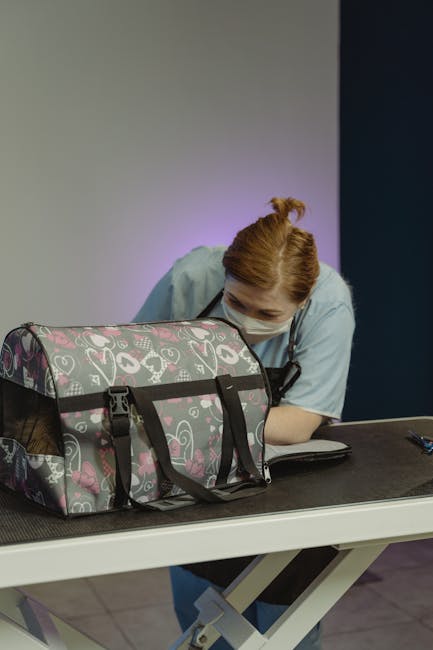
Dogs reacting during grooming tools use
Introduction
It’s not uncommon for dogs to react during grooming tools use, and these reactions can be concerning for pet owners. Understanding that such behavior is a safety signal is essential. Dogs and cats may express discomfort or fear when faced with unfamiliar sensations or tools, and this can sometimes be misinterpreted as aggression. However, it’s important to remember that these reactions are not a diagnosis of a behavior disorder.
When a pet reacts during grooming, it can be a sign that they are feeling anxious or threatened. This is their way of communicating that they need a different approach or more gradual exposure to the grooming process. Recognizing these signals can help create a safer and more positive grooming experience for both you and your pet.
In the following sections, we will explore common reasons behind these reactions and offer supportive guidance on how to navigate grooming sessions with care and compassion. Our goal is to foster a calm environment that prioritizes the well-being of your furry friend.
Reviewed by the SASI Vet Behavior & Aggression Editorial Board.
What aggression may look like
When dogs are reacting during grooming tools use, they may display a variety of observable behaviours that indicate their discomfort or stress. It’s important to recognize these signs to ensure a safe and positive experience for both the pet and the handler.
Some dogs might growl or hiss, which can be a vocal expression of their unease. Others may exhibit a stiff posture, indicating tension in their body. Avoidance behaviours, such as turning their head away or trying to move away from the grooming tools, are also common. In some cases, a dog may snap or show their teeth as a way to communicate their discomfort.
Retreating or attempting to escape the situation can be another sign that a dog is feeling overwhelmed. Understanding these behaviours is crucial for creating a calm environment during grooming sessions. By observing and responding to these signals, caregivers can help ensure that grooming remains a safe and positive experience for their furry companions.
Situations where pets may show aggressive behaviour
Understanding why dogs may react during grooming tools use can help pet owners create a safer and more comfortable environment for their furry friends. Various everyday triggers can lead to aggressive behaviour in pets.
One common trigger is fear. Many dogs may feel anxious when they encounter grooming tools, especially if they have had negative experiences in the past. This fear can manifest as growling, snapping, or trying to escape.
Discomfort is another factor. If a grooming tool causes physical discomfort, a dog may react defensively. It’s essential to ensure that grooming tools are appropriate for your pet’s coat type and that they are used gently.
Resource tension can also play a role. Dogs may feel protective over their space, toys, or even their owners, leading to aggressive behaviour when they perceive a threat to their resources.
Unfamiliar visitors or sudden changes in the household can create stress for pets, prompting them to react aggressively as a way to protect their territory or cope with the unexpected situation.
By recognizing these triggers, pet owners can work towards creating a more positive experience for their dogs during grooming and other potentially stressful situations.
Why punishment can make things worse
When dogs react during grooming tools use, it can be a sign of fear or discomfort. Many pet owners may feel tempted to use intimidation or corrections to manage these reactions. However, such approaches can often exacerbate the situation, leading to increased anxiety and fear in the dog.
Using punishment can create a negative association with grooming, making the experience even more stressful. Instead of helping, these methods can lead to a cycle of fear and aggression, as the dog may begin to associate grooming tools with pain or discomfort. This can result in more severe reactions over time, making grooming a challenging task for both the pet and the owner.
It’s essential to foster a calm and supportive environment during grooming sessions. Focusing on positive reinforcement and creating a safe space can help your dog feel more comfortable. Gradually introducing grooming tools in a controlled manner, paired with treats and praise, can encourage a more positive experience. Remember, kindness and patience are key to building trust and reducing fear in your dog.
How calm routines may support safety
Establishing calm routines can significantly enhance the safety and comfort of Dogs reacting during grooming tools use. Consistency in daily activities helps create a sense of predictability, which can reduce anxiety for your pet. By maintaining a regular schedule, your dog learns what to expect, making grooming sessions less stressful.
Creating safe spaces is also essential. Designate a quiet area where your dog feels secure, away from distractions and loud noises. This space can serve as a retreat during grooming, allowing your dog to relax and feel more at ease.
To prevent overwhelm, introduce grooming tools gradually. Start by allowing your dog to explore the tools without any pressure. This slow introduction can help them associate grooming with positive experiences. Always supervise your dog during these interactions to ensure their comfort and safety.
By focusing on calm routines, safe spaces, and gradual introductions, you can foster a more positive environment for your dog. This approach not only enhances their grooming experience but also strengthens the bond between you and your pet.
When aggression signals more serious concern
Observing Dogs reacting during grooming tools use can be concerning for pet owners. While some dogs may show mild discomfort or resistance, certain red flags indicate a more serious issue that requires attention. If your dog displays escalating intensity in their reactions, such as growling or snapping, it’s essential to take note. Sudden changes in behavior, especially if your dog has previously been calm during grooming, can also signal underlying stress or fear.
Another critical warning sign is if your dog bites or attempts to bite during grooming sessions. This behavior is often a clear indication that your dog is feeling overwhelmed or threatened. It’s important to recognize that these reactions are not just typical behavioral quirks; they can reflect deeper emotional distress.
If you notice any of these concerning behaviors, it’s advisable to seek a professional evaluation from a qualified animal behaviorist or trainer. They can help assess the situation and provide guidance tailored to your dog’s needs, ensuring a safer and more positive grooming experience for both you and your pet.
Working with qualified professionals
When addressing concerns such as dogs reacting during grooming tools use, collaborating with qualified professionals can make a significant difference. Each type of expert plays a unique role in ensuring a safe and positive experience for both you and your pet.
Positive reinforcement trainers specialize in teaching dogs new behaviors through rewards and encouragement. They can help create a calm environment during grooming sessions, using techniques that promote relaxation and comfort. By focusing on positive experiences, trainers can help your dog associate grooming tools with pleasant outcomes.
Veterinary behaviour professionals have a deep understanding of animal behavior and can assess your dog’s reactions in various situations. They can provide insights into the underlying reasons for your dog’s behavior and guide you in developing strategies to improve their comfort during grooming.
Veterinarians play a crucial role in ensuring your dog’s overall health. They can rule out any physical issues that may contribute to your dog’s reactions and offer advice on how to make grooming a more enjoyable experience. Together, these professionals can help you create a supportive plan tailored to your dog’s needs.
FAQs
Why do dogs react during grooming tools use?
Dogs may react during grooming due to sensitivity to touch, unfamiliar sounds, or the sensation of the tools. Each dog has a unique comfort level, and some may feel anxious or fearful when exposed to grooming tools.
How can I help my dog feel more comfortable with grooming tools?
To help your dog feel more at ease, introduce grooming tools gradually. Allow your dog to sniff and explore the tools without pressure. Pair the introduction with positive experiences, such as treats or praise, to create a positive association.
What should I do if my dog shows signs of stress during grooming?
If your dog shows signs of stress, such as growling or trying to escape, it’s important to stop and give them space. Take a break and try again later, ensuring that the environment is calm and free from distractions.
Is it normal for dogs to dislike grooming?
Yes, it is quite common for dogs to dislike grooming. Many dogs may not be accustomed to the sensations or sounds associated with grooming tools. Patience and gradual exposure can help them adjust over time.
When should I seek professional help for my dog’s grooming reactions?
If your dog’s reactions during grooming are severe or concerning, consider consulting a professional groomer or a certified animal behaviorist. They can provide guidance tailored to your dog’s needs and help create a more positive grooming experience.
Summary
When dogs are reacting during grooming tools use, it’s important to understand that this behavior is often a form of communication. Your dog may be feeling anxious, uncomfortable, or fearful about the grooming process. Recognizing these signals is the first step in ensuring a positive experience for both you and your pet.
To help your dog feel more at ease, consider creating a calm environment during grooming sessions. Start by introducing grooming tools gradually, allowing your dog to explore them at their own pace. Use positive reinforcement, such as treats or praise, to encourage calm behavior. This approach can help your dog associate grooming with positive experiences.
If your dog continues to react negatively, it may be beneficial to seek guidance from a professional who specializes in animal behavior. They can provide tailored strategies to help your dog feel more comfortable and secure during grooming. Remember, your dog’s reactions are a way of communicating their feelings, and with patience and understanding, you can work together to make grooming a more enjoyable experience.
Additionally, consider the importance of regular grooming as part of your dog’s overall care. Establishing a routine can help your dog become more accustomed to the process over time. The more familiar they become with grooming, the more likely they are to feel relaxed and secure during sessions. This gradual acclimatization can lead to a more harmonious relationship between you and your pet, enhancing their overall well-being.
Moreover, engaging in gentle play or bonding activities before grooming can help set a positive tone. This can create a sense of trust and safety, making your dog more receptive to the grooming process. Remember, every small step towards comfort can contribute to a more enjoyable experience for both you and your furry friend.
- Understanding Dog Behavior
- Positive Reinforcement Training Techniques
- Creating a Calm Environment for Pets
- Recognizing Signs of Stress in Pets
- Building Trust with Your Pet
Disclaimer: This article provides general information about pet aggression and does not replace professional evaluation.