
Cats reacting at the doorway

Share
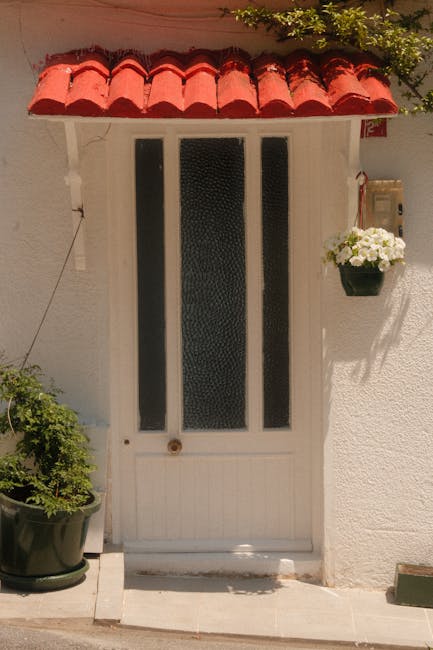
Cats reacting at the doorway
Introduction
Many pet owners may notice their Cats reacting at the doorway, which can sometimes be concerning. It’s important to understand that such reactions can be a natural response to various stimuli in their environment. Both dogs and cats can exhibit aggressive behaviors, and these reactions often serve as a safety signal rather than an indication of a behavior disorder.
When a cat reacts at the doorway, it may be expressing fear, excitement, or a desire to protect its territory. Recognizing these signals is crucial for ensuring a safe and harmonious home environment. Instead of viewing these behaviors as problematic, consider them as opportunities to better understand your pet’s feelings and needs.
By observing your cat’s body language and the context of their reactions, you can gain valuable insights into their emotional state. This understanding can help you create a more comfortable space for your pet, allowing them to feel secure and less reactive. Remember, the goal is to foster a calm atmosphere where your cat can thrive without fear or anxiety.
Reviewed by the SASI Vet Behavior & Aggression Editorial Board.
What aggression may look like
When observing Cats reacting at the doorway, you may notice a variety of behaviors that indicate their feelings about the situation. Some cats might growl or hiss, which are vocalizations that express discomfort or a desire for space. Others may exhibit a stiff posture, standing tall with their ears flattened, signaling that they are feeling threatened or defensive.
In some cases, a cat may choose to avoid the doorway altogether, retreating to a safe spot where they feel more secure. This behavior is a natural response to perceived threats. Alternatively, a cat might display snapping or swatting motions if they feel cornered or provoked, indicating they want to establish boundaries.
It’s important to recognize these behaviors as communication from your cat. Understanding their body language and vocalizations can help create a more comfortable environment for them. By observing and respecting their signals, you can foster a sense of safety and security in your home.
Situations where pets may show aggressive behaviour
Understanding why pets may exhibit aggressive behaviour can help create a safer environment for everyone involved. One common scenario is when cats reacting at the doorway may feel threatened by unfamiliar visitors or sudden changes in their environment. This reaction can stem from fear or discomfort, as cats are naturally cautious creatures.
Resource tension can also play a role; for instance, if a cat feels that its space or belongings are being encroached upon, it may react defensively. Additionally, loud noises or unexpected movements can trigger a cat’s instinct to protect itself, leading to aggressive displays.
Changes in routine, such as a new pet in the household or alterations in the family dynamic, can also contribute to stress and anxiety in cats. Recognizing these triggers is essential for fostering a calm atmosphere. Providing a safe space for your cat to retreat to when feeling overwhelmed can help them feel more secure and reduce the likelihood of aggressive behaviour.
Why punishment can make things worse
When dealing with cats reacting at the doorway, it’s essential to understand that using intimidation or punishment can lead to increased fear and anxiety. Cats are sensitive creatures, and harsh methods can exacerbate their stress levels, making them more reactive in situations that they perceive as threatening.
Instead of fostering a sense of safety, punishment can create an environment where your cat feels cornered or unsafe. This can lead to a cycle of fear and aggression, as your cat may feel the need to defend itself. Rather than addressing the underlying issue, these methods can worsen the behavior you’re trying to change.
Creating a calm and controlled environment is crucial. By using positive reinforcement and understanding your cat’s triggers, you can help them feel more secure. Gradually desensitizing them to the doorway and providing safe spaces can encourage more relaxed behavior. Remember, kindness and patience are key to building trust and reducing anxiety in your feline friend.
How calm routines may support safety
Establishing consistent routines can greatly benefit cats reacting at the doorway. When cats know what to expect, it can reduce their anxiety and help them feel more secure in their environment. A predictable schedule for feeding, playtime, and quiet moments can create a sense of stability.
Creating safe spaces within your home is also essential. Designate areas where your cat can retreat when feeling overwhelmed. These spaces should be quiet and comfortable, allowing your cat to relax without disturbances. Providing vertical spaces, like cat trees or shelves, can also give them a sense of security and control over their surroundings.
When introducing new experiences or visitors, take it slow. Gradual introductions can help minimize stress for your cat. Allow them to observe from a distance and approach at their own pace. Supervision during these interactions is crucial to ensure everyone feels safe and comfortable.
By focusing on routine consistency, safe spaces, and gradual introductions, you can help your cat feel more at ease, especially when they are reacting at the doorway. This supportive approach fosters a calm environment that benefits both you and your feline companion.
When aggression signals more serious concern
Observing cats reacting at the doorway can be concerning, especially if their behavior escalates or changes suddenly. It’s important to recognize red flags that may indicate a more serious issue. For instance, if your cat’s aggression intensifies over time or if they display sudden outbursts of aggression that seem out of character, this could be a sign that something is amiss.
Another critical indicator is if your cat resorts to biting or scratching when they previously did not. This shift in behavior can be alarming and may suggest that your cat is feeling overwhelmed or threatened. Additionally, if your cat is showing aggression towards specific triggers, such as visitors at the door, it may be beneficial to assess the situation closely.
In any case where you notice these concerning behaviors, it is essential to seek the guidance of a qualified professional who can provide support and help you understand your cat’s needs. Early intervention can lead to better outcomes and a more harmonious environment for both you and your feline companion.
Working with qualified professionals
When addressing concerns such as cats reacting at the doorway, it’s essential to collaborate with qualified professionals who can provide guidance tailored to your pet’s needs. Positive reinforcement trainers specialize in teaching desirable behaviors through rewards, helping your cat feel more comfortable and secure in their environment.
Veterinary behaviour professionals have a deep understanding of animal behavior and can assess your cat’s reactions in various situations. They can offer insights into the underlying causes of your cat’s behavior and suggest strategies to promote a calm and positive atmosphere.
Veterinarians play a crucial role in your pet’s overall health and well-being. They can rule out any medical issues that may contribute to behavioral changes and provide advice on how to create a safe and enriching environment for your cat.
By working together with these professionals, you can develop a comprehensive approach to help your cat feel more at ease, especially when faced with situations like cats reacting at the doorway. This collaborative effort ensures that your cat receives the support they need in a safe and humane manner.
FAQs
Why do my cats react at the doorway when someone arrives?
Cats often react at the doorway due to their natural instincts. They may feel curious or protective about new arrivals, which can lead to various behaviors such as meowing, hissing, or even hiding. Understanding this reaction can help you create a more comfortable environment for your cats.
How can I help my cats feel more comfortable at the doorway?
To help your cats feel more at ease, consider creating a safe space away from the doorway where they can retreat if they feel overwhelmed. Gradually introducing visitors and allowing your cats to approach at their own pace can also foster a sense of security.
Is it normal for cats to be territorial at the doorway?
Yes, it is quite normal for cats to exhibit territorial behavior at the doorway. This is part of their instinctual nature to protect their space. Providing them with plenty of enrichment and safe areas can help reduce their need to guard the entrance.
What should I do if my cats become aggressive at the doorway?
If your cats show signs of aggression at the doorway, it’s important to prioritize safety. Redirecting their attention with toys or treats can help. Additionally, ensuring they have a quiet space to retreat to can minimize stress during visits.
Summary
When cats are reacting at the doorway, it can be concerning for pet owners. It’s important to understand that this behavior is often a form of communication. Cats may feel threatened, excited, or curious when they see someone approaching their territory. Recognizing this as a signal rather than a problem can help you respond more effectively.
To manage these situations calmly, consider creating a safe space for your cat away from the doorway. This can help reduce their stress and provide them with a sense of security. Additionally, observing your cat’s body language can offer insights into their feelings. Signs of discomfort may include hissing, growling, or a tense posture.
If your cat’s reactions become frequent or intense, seeking guidance from a professional who specializes in feline behavior can be beneficial. They can provide tailored strategies to help your cat feel more comfortable and secure. Remember, understanding and patience are key in helping your cat navigate their feelings about the doorway and any visitors.
Furthermore, engaging in regular play and providing mental stimulation can help alleviate some of the anxiety associated with doorways and visitors. Interactive toys, puzzle feeders, and dedicated playtime can redirect your cat’s energy and focus, promoting a more relaxed demeanor. By enriching your cat’s environment, you can help them feel more confident and less reactive to changes in their surroundings.
Additionally, consider incorporating calming elements into your home, such as soft bedding, soothing music, or pheromone diffusers designed for cats. These can create a more tranquil atmosphere, further supporting your cat’s emotional well-being. Remember, every cat is unique, and understanding their individual preferences and needs is essential in fostering a peaceful living environment.
- Understanding Cat Behavior
- Positive Reinforcement Techniques
- Creating Safe Spaces for Pets
- Recognizing Body Language in Cats
- Gradual Desensitization Strategies
Disclaimer: This article provides general information about pet aggression and does not replace professional evaluation.