
Cats reacting during travel stress

Share
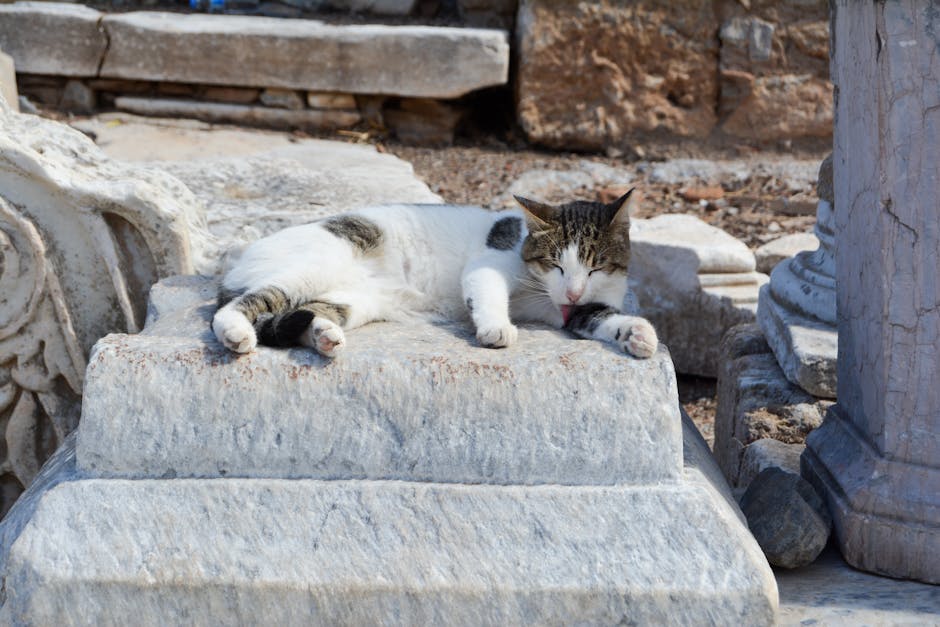
Cats reacting during travel stress
Introduction
Traveling with pets can be a rewarding experience, but it can also lead to stress for some animals. Cats reacting during travel stress may exhibit behaviors that can be concerning for pet owners. It’s important to understand that these reactions are often a form of communication, signaling discomfort or anxiety rather than a behavioral disorder.
Both dogs and cats can display aggression or other stress-related behaviors when faced with unfamiliar environments or situations. This is their way of expressing that they are feeling overwhelmed. Recognizing these signals is crucial for ensuring the safety of both your pet and those around them.
As you prepare for travel, consider your pet’s comfort and well-being. Creating a calm environment and providing familiar items can help ease their anxiety. Remember, the goal is to support your pet through their stress, allowing for a more enjoyable journey for everyone involved.
Reviewed by the SASI Vet Behavior & Aggression Editorial Board.
What aggression may look like
When cats are reacting during travel stress, their behavior can change in noticeable ways. You might observe them growling or hissing, which are vocalizations that indicate discomfort or fear. A stiff posture can also be a sign that your cat is feeling threatened or anxious. In some cases, they may avoid eye contact or try to retreat to a safer space, signaling their desire to escape the situation.
Additionally, snapping or swatting can occur if a cat feels cornered or overwhelmed. These behaviors are often expressions of their stress and a way to communicate their need for space. It’s important to recognize these signs as your cat’s way of expressing their feelings, rather than as aggression in a traditional sense. Understanding these behaviors can help you create a more comfortable environment for your cat during travel, ensuring their safety and well-being.
Situations where pets may show aggressive behaviour
Understanding the context in which pets may display aggressive behaviour can help us create a safer environment for everyone involved. One common scenario is cats reacting during travel stress. The unfamiliar sights, sounds, and movements associated with travel can be overwhelming for many cats, leading to fear-based reactions.
Additionally, pets may show aggression due to discomfort. This can occur when they are in an unfamiliar setting or when they are physically uncomfortable, such as being in a cramped space. Resource tension is another trigger; when pets feel their food, toys, or resting areas are threatened, they may react defensively.
Unfamiliar visitors can also provoke aggressive behaviour. Cats and dogs alike may feel threatened by new people in their territory, leading to protective responses. Lastly, sudden changes in their environment, such as moving to a new home or changes in routine, can create anxiety and result in aggressive displays.
Recognizing these triggers can help pet owners take proactive steps to ensure a calm and safe atmosphere for their pets and those around them.
Why punishment can make things worse
When it comes to cats reacting during travel stress, using intimidation or punishment can often exacerbate the situation rather than improve it. Cats are sensitive creatures, and harsh methods can lead to increased anxiety and fear. This heightened stress can make travel even more challenging for both the cat and the owner.
Instead of addressing the root of the problem, punitive techniques can create a cycle of fear and aggression. A cat that feels threatened may react defensively, leading to more stress for everyone involved. This can result in a negative association with travel, making future trips even more difficult.
Creating a calm and controlled environment is essential. By using positive reinforcement and gentle handling, you can help your cat feel more secure. Gradual exposure to travel-related experiences in a safe manner can also aid in reducing stress. Remember, kindness and patience are key in helping your cat navigate travel challenges effectively.
How calm routines may support safety
Traveling with cats can sometimes lead to stress, especially when they react to new environments. Establishing calm routines can help create a sense of security for your feline friend. Consistency in daily activities, such as feeding and playtime, can provide comfort and predictability, which may ease anxiety during travel.
Creating safe spaces within your travel setup is essential. A familiar blanket or a favorite toy can help your cat feel more at home, reducing the likelihood of stress-related reactions. Additionally, minimizing overwhelming stimuli, such as loud noises or sudden movements, can contribute to a calmer experience.
When introducing your cat to new environments, take it slow. Allow them to explore at their own pace, and supervise their interactions with unfamiliar surroundings. This gentle approach can help them acclimate without feeling pressured, fostering a more positive travel experience.
By focusing on routine consistency, safe spaces, and gradual introductions, you can support your cat in managing their reactions during travel stress, ensuring a safer and more enjoyable journey for both of you.
When aggression signals more serious concern
Understanding your cat’s behavior during travel is essential, especially when it comes to cats reacting during travel stress. While some stress-related behaviors are normal, certain red flags may indicate a more serious issue that requires attention.
One significant warning sign is escalating intensity in your cat’s reactions. If your cat goes from mild signs of discomfort, like vocalizing or hiding, to more aggressive behaviors, such as swatting or biting, this could indicate that their stress is becoming overwhelming.
Sudden changes in behavior can also be concerning. If your typically calm cat suddenly becomes aggressive during travel, it may be a sign that they are struggling to cope with the situation. Pay close attention to these shifts, as they can provide valuable insights into your cat’s emotional state.
Lastly, any instance of biting should be taken seriously. This behavior can indicate a high level of distress and may require immediate professional evaluation. If you notice any of these red flags, it’s important to seek guidance from a qualified professional who can help you understand your cat’s needs and ensure their well-being during travel.
Working with qualified professionals
When addressing cats reacting during travel stress, it’s essential to collaborate with qualified professionals who can provide guidance tailored to your cat’s needs. Positive reinforcement trainers specialize in teaching cats new behaviors through rewards, helping to create a more positive travel experience. They can assist in developing strategies that encourage calmness and reduce anxiety during trips.
Veterinary behaviour professionals focus on understanding the underlying causes of stress and can offer insights into your cat’s behavior. They work closely with you to identify triggers and develop a comprehensive approach that promotes your cat’s well-being. Their expertise can be invaluable in creating a safe and supportive environment for your feline friend.
Veterinarians play a crucial role in ensuring your cat’s overall health. They can help rule out any medical issues that may contribute to stress and provide advice on how to prepare your cat for travel. By working together with these professionals, you can create a plan that prioritizes your cat’s comfort and safety, making travel a more enjoyable experience for both of you.
FAQs
Why do cats react during travel stress?
Cats are creatures of habit and can feel anxious when their environment changes. Travel can introduce unfamiliar sights, sounds, and smells, which may lead to stress reactions.
What signs indicate my cat is stressed during travel?
Common signs of stress in cats include vocalization, hiding, excessive grooming, or attempts to escape. Observing these behaviors can help you understand your cat’s comfort level.
How can I help my cat feel more comfortable while traveling?
Creating a safe and familiar space in the carrier, using calming scents, and ensuring proper ventilation can help ease your cat’s travel stress. Gradual acclimatization to the carrier before travel can also be beneficial.
Is it normal for my cat to refuse food during travel?
Yes, it is common for cats to lose their appetite when stressed. Offering small, familiar treats before and after travel can encourage eating when they feel more settled.
What should I do if my cat becomes overly stressed during travel?
If your cat shows signs of extreme stress, it may be helpful to take breaks during the journey. Allowing your cat to rest in a quiet space can help them regain their composure.
Summary
Traveling with cats can sometimes lead to stress, resulting in behaviors that may be perceived as aggression. It’s important to understand that these reactions are a form of communication, indicating that your cat is feeling overwhelmed or anxious. Recognizing this can help you respond with empathy and care.
When cats react during travel stress, they may hiss, growl, or swat as a way to express their discomfort. These behaviors are not a reflection of their overall temperament but rather a response to an unfamiliar environment. Providing a safe and secure space for your cat during travel can help alleviate some of this stress.
To support your cat, consider using a comfortable carrier, familiar bedding, and toys that smell like home. Keeping the environment calm and quiet can also make a significant difference. If your cat continues to show signs of distress, seeking guidance from a professional who specializes in feline behavior can be beneficial. They can offer tailored strategies to help your cat feel more at ease during travel.
Additionally, engaging in regular play and interaction with your cat can strengthen your bond and help them feel more secure. Understanding feline body language and responding appropriately can also enhance your relationship, making travel experiences smoother. By prioritizing your cat’s emotional well-being, you can create a more harmonious travel experience for both of you.
In conclusion, being mindful of your cat’s needs during travel is essential. By fostering a supportive environment and being attentive to their signals, you can help your feline friend navigate the challenges of travel with greater ease. Remember, patience and understanding are key components in ensuring a positive experience for both you and your cat.
As you embark on your travels, keep in mind that every cat is unique. Tailoring your approach to their individual needs and preferences can make a significant difference. By observing their reactions and adjusting your strategies accordingly, you can help your cat feel more secure and relaxed throughout the journey.
- Understanding feline body language
- Creating a safe travel environment for pets
- Positive reinforcement techniques for behavior modification
- Recognizing signs of stress in pets
- Building a strong bond with your pet
Disclaimer: This article provides general information about pet aggression and does not replace professional evaluation.