
Dogs showing tension when owner hugs someone

Share
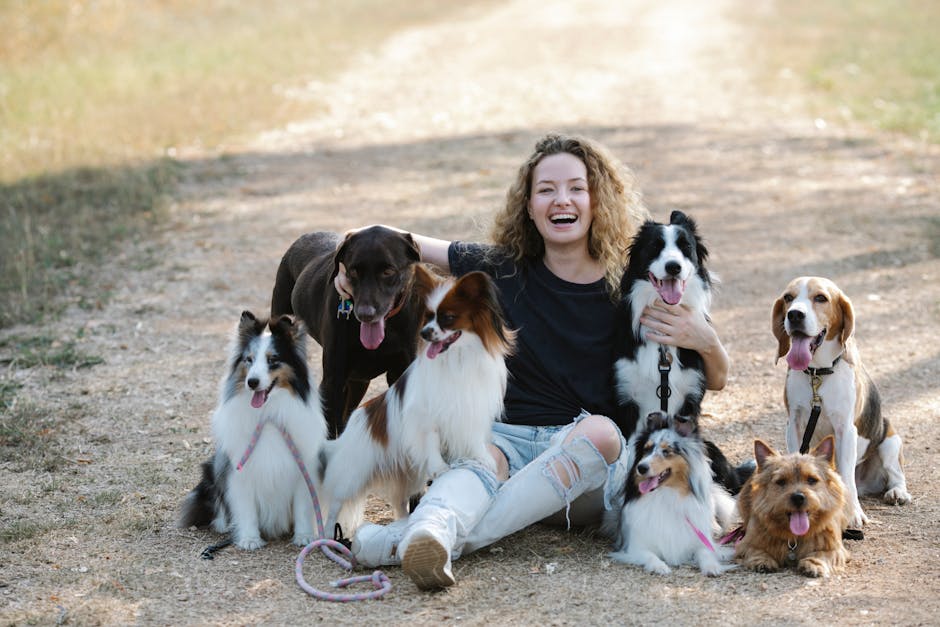
Dogs showing tension when owner hugs someone
Introduction
It’s not uncommon for Dogs showing tension when owner hugs someone to raise concerns among pet owners. Understanding this behavior is essential for ensuring a safe and harmonious environment for both pets and people. Aggression in dogs and cats can manifest in various ways, often serving as a safety signal rather than a definitive diagnosis of a behavior disorder.
When a dog displays tension, it may be expressing discomfort or anxiety about a situation. This response can be triggered by various factors, including unfamiliar people or changes in the environment. Recognizing these signals is crucial for fostering a positive relationship between your pet and others.
As responsible pet owners, it’s important to approach these situations with calmness and empathy. Observing your dog’s body language and understanding their feelings can help create a more secure atmosphere. By prioritizing safety and comfort, you can work towards a more peaceful coexistence for everyone involved.
What aggression may look like
When dogs are showing tension when an owner hugs someone, their body language can reveal a lot about their feelings. You might notice signs such as growling or hissing, which can indicate discomfort or unease. A stiff posture is another common behavior; the dog may stand rigidly, signaling that they are on high alert.
Some dogs may choose to avoid the situation altogether, moving away from the person being hugged or seeking a safe space. Others might display snapping behavior, which can be a way of expressing their need for space or a warning to back off. Retreating is also a possibility, where the dog may back away or hide, indicating that they feel overwhelmed.
Understanding these behaviors is crucial for ensuring a safe environment for both the dog and those around them. Observing and recognizing these signs can help you respond appropriately, fostering a more comfortable atmosphere for everyone involved.
Situations where pets may show aggressive behaviour
Understanding the common triggers for dogs showing tension when owner hugs someone can help create a safer environment for both pets and people. Many dogs may react aggressively due to fear or discomfort. For instance, if a dog feels threatened by a sudden movement or loud noise, it may respond defensively.
Resource tension can also be a factor. Dogs may feel protective over their owners or personal space, leading to aggressive displays when they perceive a potential threat. Unfamiliar visitors can trigger anxiety, causing a dog to react aggressively as a way to protect its territory or loved ones.
Additionally, sudden changes in the household, such as new people or pets, can create stress for dogs. They may not know how to react to these changes, leading to tension and potential aggression. Recognizing these situations can help pet owners manage their pets’ environments more effectively, ensuring everyone feels safe and secure.
Why punishment can make things worse
When dogs show tension when their owner hugs someone, it can be a sign of discomfort or anxiety. Using intimidation or punishment in these situations can exacerbate the problem, leading to increased fear and stress for the dog. Instead of helping, these methods can create a negative association with the person being hugged, making the dog more anxious and potentially reactive in the future.
Dogs are sensitive creatures, and their responses to stress can vary widely. When faced with a situation that makes them uncomfortable, such as a close embrace, they may feel the need to protect themselves or their owner. This is why it’s crucial to approach these moments with kindness and understanding. Creating a controlled environment where the dog feels safe can help alleviate their tension.
Encouraging positive interactions and allowing the dog to choose their level of involvement can foster a sense of security. By focusing on gentle, supportive techniques, owners can help their dogs feel more at ease, reducing the likelihood of tension and promoting a harmonious relationship.
How calm routines may support safety
When dogs show tension when their owner hugs someone, it can be a sign that they are feeling overwhelmed or uncertain about the situation. Establishing calm routines can help create a sense of security for your dog. Consistency in daily activities, such as feeding, walks, and playtime, can provide a predictable environment that reduces anxiety.
Creating safe spaces within your home is also essential. Designate areas where your dog can retreat when they feel stressed. This could be a cozy bed or a quiet room where they can relax without disturbances. Ensuring your dog has access to these safe spaces allows them to manage their feelings in a supportive environment.
Slow introductions to new people are crucial. Allow your dog to observe interactions from a distance before engaging. This gradual approach can help them feel more comfortable and less threatened. Supervision during these interactions is vital to ensure everyone’s safety and to monitor your dog’s body language for signs of discomfort.
By focusing on calm routines and providing a supportive environment, you can help your dog feel more secure and reduce tension during social interactions.
When aggression signals more serious concern
It’s important to recognize when dogs showing tension when owner hugs someone may indicate a deeper issue. While some dogs may simply feel uncomfortable with close interactions, there are red flags that warrant attention. If your dog displays escalating intensity, such as growling or stiffening, it’s crucial to take note. Sudden changes in behavior, like a previously friendly dog becoming reactive, can also be a sign that something is amiss.
Another serious concern is if your dog ever resorts to biting, even in a seemingly minor situation. This behavior can indicate that your dog is feeling overwhelmed or threatened, and it’s essential to address these feelings promptly. Understanding your dog’s body language and recognizing these warning signs can help you create a safer environment for both your pet and those around them.
If you notice any of these concerning behaviors, seeking the guidance of a qualified professional who specializes in animal behavior is a wise step. They can help assess the situation and provide support tailored to your dog’s needs, ensuring a positive and safe experience for everyone involved.
Working with qualified professionals
When addressing concerns such as dogs showing tension when owner hugs someone, it’s essential to collaborate with qualified professionals who can provide guidance tailored to your pet’s needs. Positive reinforcement trainers specialize in teaching dogs new behaviors through rewards, helping to create a positive association with various situations, including interactions with people.
Veterinary behaviour professionals have advanced training in animal behavior and can assess your dog’s body language and stress signals. They can help you understand the underlying reasons for your dog’s tension and work with you to develop a comprehensive plan that focuses on safety and comfort for both your dog and those around them.
Veterinarians play a crucial role in ensuring your dog’s overall health. They can rule out any medical issues that may contribute to behavioral concerns and provide referrals to trainers or behaviorists as needed. By working together with these professionals, you can create a supportive environment that fosters positive interactions and helps your dog feel more at ease in social situations.
FAQs
Why do my dogs show tension when I hug someone?
Dogs may show tension when their owner hugs someone due to feeling uncertain or protective. They might not understand the situation and could be reacting to the unfamiliar body language or closeness.
What should I do if my dogs show tension during hugs?
It’s important to create a calm environment. You can help your dogs feel more secure by giving them space and allowing them to observe the situation from a distance. Gradually introducing them to new people can also help.
Is it normal for dogs to react this way?
Yes, many dogs may react with tension in situations that make them feel uneasy. Each dog has its own comfort level with social interactions, and it’s essential to respect their feelings.
How can I help my dogs feel more comfortable around hugs?
Encouraging positive experiences with gentle introductions can help. Allow your dogs to approach new people at their own pace, rewarding them with treats or praise when they remain calm.
Should I stop hugging people around my dogs?
While it’s not necessary to stop hugging altogether, being mindful of your dogs’ reactions is crucial. You can modify your behavior to ensure they feel safe and secure during social interactions.
Summary
When dogs show tension when their owner hugs someone, it’s important to understand that this behavior is a form of communication. Dogs may feel uncertain or protective in these situations, and their body language can indicate discomfort or stress. Recognizing these signals is the first step in ensuring a safe and harmonious environment for both your dog and the people around you.
It’s essential to approach this behavior with calmness and empathy. Instead of reacting with frustration or punishment, consider creating a safe space for your dog where they can feel secure. Gradually introducing your dog to new people in a controlled manner can help them feel more comfortable. Observing your dog’s body language and respecting their boundaries is crucial.
If you find that your dog’s tension persists or escalates, seeking guidance from a qualified professional who specializes in canine behavior can provide valuable insights. Remember, understanding and addressing your dog’s feelings is key to fostering a positive relationship and ensuring everyone’s safety.
- Understanding Dog Behavior
- Positive Reinforcement Training Techniques
- Creating Safe Spaces for Pets
- Recognizing Canine Body Language
- Building Trust with Your Dog
Disclaimer: This article provides general information about pet aggression and does not replace professional evaluation.
Additional Considerations
In addition to the strategies mentioned, it’s beneficial to engage in regular training sessions with your dog. Training not only reinforces good behavior but also strengthens the bond between you and your pet. Incorporating fun activities, such as obedience training or agility exercises, can help build your dog’s confidence and improve their social skills.
Moreover, socialization is a key component in helping dogs feel more comfortable in various situations. Exposing your dog to different environments, people, and other animals in a controlled and positive manner can enhance their adaptability and reduce anxiety. This gradual exposure can help them learn to navigate social interactions more confidently.
Lastly, remember that every dog is unique. What works for one dog may not work for another. Patience and understanding are essential as you work with your dog to help them feel more secure in social situations. By fostering a supportive environment, you can help your dog thrive and enjoy their interactions with others.
Additionally, consider incorporating enrichment activities into your dog’s routine. Engaging their minds through puzzle toys, scent games, or interactive play can help alleviate stress and provide a constructive outlet for their energy. This mental stimulation can contribute to a calmer demeanor, making social interactions less overwhelming.
Ultimately, the goal is to create a nurturing environment where your dog feels safe and understood. By being attentive to their needs and fostering positive experiences, you can help them navigate social situations with greater ease and confidence.