Long coat grooming basics for cats

Share
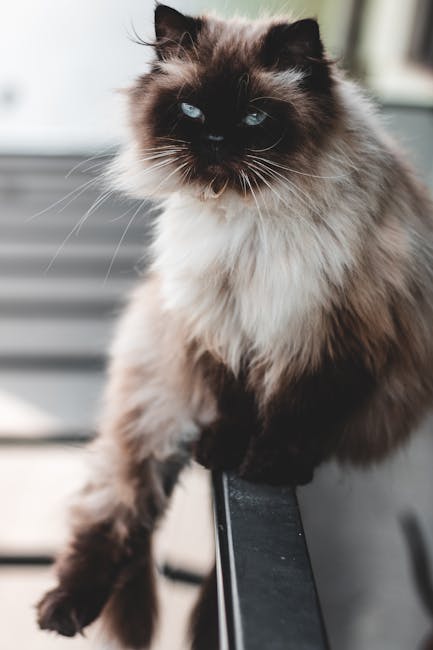
long coat grooming basics for cats
Introduction
Grooming is an essential aspect of pet care that goes beyond just keeping your furry friend looking their best. For cats with long coats, understanding the long coat grooming basics for cats can significantly enhance their comfort and hygiene. Regular grooming helps to remove loose fur, dirt, and debris, which can contribute to a healthier coat and skin.
Moreover, grooming sessions provide an excellent opportunity for you to bond with your cat while also allowing you to check for any unusual signs that may need attention. While this article focuses on the importance of grooming, it is important to remember that it does not include medical instructions or treatment advice. If you notice anything concerning during grooming, seeking professional help is always a wise choice.
Whether you choose to groom your cat at home or seek the assistance of a professional groomer, the key is to make grooming a positive experience. This not only helps your cat feel comfortable but also ensures that they remain healthy and happy. Embracing grooming as a regular part of your pet care routine can lead to a more enjoyable life for both you and your feline companion.
Reviewed by the SASI Vet Care & Grooming Editorial Board.
Why regular grooming matters
Regular grooming is essential for maintaining the health and beauty of your feline friend’s coat, especially when it comes to long coat grooming basics for cats. A well-groomed coat not only looks stunning but also promotes overall coat health. By brushing your cat regularly, you help to remove loose fur and reduce shedding, which can keep your home cleaner and more comfortable.
Additionally, grooming plays a vital role in odor control. A clean coat is less likely to harbor dirt and debris, helping to keep your cat smelling fresh. Regular grooming also allows you to bond with your pet, creating a calming and enjoyable experience for both of you.
Moreover, grooming sessions provide an excellent opportunity to spot any changes in your cat’s skin or coat, such as lumps, mats, or unusual patches. Early detection can be beneficial for your cat’s well-being. Overall, incorporating regular grooming into your routine can lead to a happier, healthier cat and a more harmonious home environment.
Understanding your pet’s coat and grooming needs
Every cat has a unique coat type that influences their grooming needs. Understanding these differences can help you provide the best care for your furry friend. For instance, cats with long coats often require more frequent grooming to prevent tangles and mats. Regular brushing not only keeps their coat looking beautiful but also helps reduce shedding and hairballs.
Short-haired cats, on the other hand, may need less frequent grooming, but they still benefit from occasional brushing to remove loose fur and dander. Double-coated cats, which have a dense undercoat, may require seasonal grooming to manage their shedding cycles. Curly-coated breeds can have unique grooming needs as well, often requiring gentle care to maintain their distinctive texture.
In general, the frequency of grooming should be tailored to your cat’s specific coat type and individual needs. Observing your pet’s coat condition can guide you in establishing a gentle grooming routine that keeps them comfortable and happy. Remember, long coat grooming basics for cats focus on creating a positive experience for both you and your feline companion.
Brushing basics
When it comes to long coat grooming basics for cats, gentle brushing is an essential part of keeping your feline friend comfortable and looking their best. Regular brushing not only helps to reduce tangles and mats but also minimizes shedding, making it a wonderful bonding experience between you and your cat.
As you brush, you can enjoy the calming effect it has on your pet. Many cats find the sensation soothing, which can help them relax and feel secure. This gentle interaction can also promote a sense of trust and affection, strengthening your relationship.
In addition to the emotional benefits, brushing can help distribute natural oils throughout your cat’s coat, enhancing its shine and overall health. By incorporating this simple practice into your routine, you can create a positive grooming experience that keeps your cat looking fabulous while also supporting their well-being.
Remember, the key is to approach grooming with patience and love, allowing your cat to enjoy the process. With time, both you and your furry companion can look forward to these special moments together.
Bathing considerations
When it comes to long coat grooming basics for cats, bathing can be an important aspect of maintaining their beautiful fur. It’s essential to use warm water, as this helps to create a comfortable environment for your feline friend. Cats can be sensitive to temperature, so ensuring the water is not too hot or too cold is key to a positive experience.
Choosing pet-safe products is another crucial consideration. Look for gentle shampoos specifically formulated for cats, as these will help keep their skin and coat healthy without causing irritation. Always read the labels to ensure the products are suitable for your pet.
Calm handling during the bathing process can make a significant difference. Speak softly to your cat, reassuring them throughout the experience. This gentle approach helps to reduce stress and anxiety, making the bath time more enjoyable for both of you.
Finally, drying your cat thoroughly after the bath is important. A warm towel can be comforting, and ensuring they are completely dry will help prevent any chill. With these considerations in mind, you can create a safe and pleasant bathing experience for your long-haired companion.
Nail care awareness
Nail maintenance is an essential aspect of your cat’s overall grooming routine. Regular attention to your cat’s nails helps prevent discomfort and potential injuries. Overgrown nails can lead to issues such as difficulty walking, pain, or even accidental scratches to both your pet and yourself. It’s important to keep an eye on your cat’s nails, as they can sometimes become overgrown without you noticing.
Signs that your cat’s nails may need attention include excessive clicking sounds when they walk on hard surfaces, nails that curl or break, or if your cat seems to be avoiding certain activities due to discomfort. If you notice any of these signs, it may be time to consider a gentle nail care session.
For those who may feel unsure about trimming their cat’s nails, seeking the help of a professional groomer or veterinarian can be a wonderful option. They can provide the necessary care while ensuring your cat feels safe and comfortable. Remember, maintaining your cat’s nails is just one part of the long coat grooming basics for cats, contributing to their overall well-being and happiness.
Ear and paw hygiene
Maintaining ear and paw hygiene is an essential aspect of long coat grooming basics for cats. Regularly checking these areas can significantly contribute to your feline friend’s overall comfort and well-being. Cats are naturally curious creatures, and their ears and paws often encounter various environments that may lead to discomfort if not monitored.
By observing your cat’s ears, you can ensure they remain free from debris and irritation, which can help prevent any potential discomfort. Similarly, keeping an eye on your cat’s paws is important, as they are crucial for mobility and play. Healthy paws allow your cat to explore their surroundings with ease and confidence.
In addition to comfort, regular checks can also foster a stronger bond between you and your cat. This gentle routine can help your pet feel more secure and relaxed, making it a wonderful opportunity for quality time together. Remember, a happy cat is a healthy cat, and paying attention to their ears and paws is a lovely way to show you care.
Helping anxious pets during grooming
Grooming can be a challenging experience for some cats, especially those with long coats. Understanding long coat grooming basics for cats can help create a more positive atmosphere for your furry friend. One of the most effective ways to ease anxiety is to establish a calm environment. Choose a quiet space free from distractions, where your cat feels safe and secure.
Short grooming sessions can also make a significant difference. Instead of overwhelming your cat with a lengthy grooming routine, consider breaking it into shorter, more manageable intervals. This approach allows your pet to acclimate to the process without feeling stressed.
Pairing grooming with positive experiences can further enhance your cat’s comfort. You might offer gentle praise, soothing words, or even a favorite treat during and after grooming sessions. This positive reinforcement helps your cat associate grooming with enjoyable moments, making it a more pleasant experience overall.
Remember, patience is key. With time and gentle encouragement, your cat can learn to feel more at ease during grooming, turning it into a bonding experience for both of you.
When to seek professional grooming
Grooming your cat can be a rewarding experience, especially for those with long coats. However, there are certain situations where seeking the help of a professional groomer is a wise choice. If your cat has severe mats in their fur, it can be uncomfortable for them and challenging for you to manage. Professional groomers are trained to handle these situations with care, ensuring your feline friend remains safe and comfortable.
Additionally, if your cat tends to be anxious during grooming sessions, a professional can provide a calm and soothing environment. Groomers often have techniques to help ease your pet’s stress, making the experience more pleasant for both of you. Some coat types can also be particularly challenging to groom at home. Long coat grooming basics for cats can be complex, and a groomer has the expertise to manage these unique needs effectively.
Ultimately, knowing when to seek professional help can enhance your cat’s grooming experience and contribute to their overall well-being. Trusting a professional can ensure that your furry companion receives the gentle care they deserve.
FAQs
What are long coat grooming basics for cats?
Long coat grooming basics for cats involve regular brushing to prevent matting and tangles. It’s important to create a routine that keeps your feline friend comfortable and looking their best.
How often should I groom my long-haired cat?
Typically, long-haired cats benefit from grooming several times a week. This helps to remove loose fur and reduces the chances of hairballs, making it a pleasant experience for both you and your cat.
What tools are best for grooming my cat?
While I can’t recommend specific tools, look for gentle options designed for long-haired cats. Soft brushes and combs can help maintain their beautiful coat without causing discomfort.
How can I make grooming a positive experience?
Start grooming sessions in a calm environment and use gentle strokes. Offering treats and praise can help your cat associate grooming with positive feelings, making it a bonding time.
What should I do if my cat resists grooming?
If your cat seems anxious, take breaks and try shorter sessions. Patience is key, and gradually introducing grooming can help your cat feel more at ease.
Summary
Grooming your long-haired cat is an essential part of their care routine that promotes comfort and wellness. Understanding the long coat grooming basics for cats can help you create a positive experience for both you and your feline friend. Regular grooming not only helps to keep their coat looking beautiful but also allows you to bond with your cat, making it a special time for both of you.
Start by introducing your cat to grooming gradually, ensuring they feel safe and relaxed. Use gentle strokes and pay attention to their body language, as this will help you gauge their comfort level. Regular brushing can help prevent matting and reduce shedding, which is beneficial for both your cat and your home.
Additionally, grooming sessions can be an opportunity to check for any changes in your cat’s skin or coat, fostering a deeper connection and understanding of their needs. Remember, the goal is to make grooming a pleasant experience that enhances your cat’s overall well-being. With patience and love, you can turn grooming into a cherished routine that supports your cat’s health and happiness.
- American Kennel Club
- PetMD
- The Humane Society of the United States
- ASPCA
- International Cat Care
Disclaimer: This article provides general grooming information and does not replace professional care.