Paw hygiene awareness for cats

Share
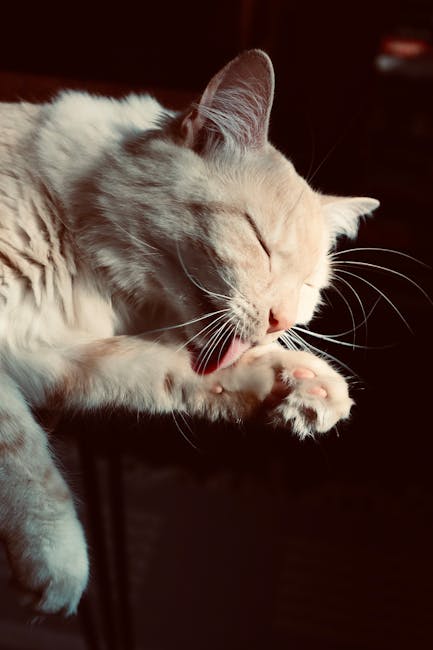
paw hygiene awareness for cats
Introduction
Grooming is an essential aspect of pet care that goes beyond just keeping your furry friend looking their best. For both dogs and cats, regular grooming plays a vital role in ensuring comfort and hygiene. One important aspect of this is paw hygiene awareness for cats. Cats use their paws for various activities, and maintaining their cleanliness can help prevent discomfort and promote overall well-being.
While grooming can be a bonding experience between you and your pet, it also allows for early detection of any potential issues. Regularly checking your cat’s paws can help you notice Changes That May require professional attention. It’s important to remember that this article does not provide medical instructions or treatment advice. Instead, it aims to highlight the significance of grooming as part of a loving pet care routine.
When in doubt, or if you feel unsure about how to care for your cat’s grooming needs, seeking the help of a professional groomer can be a wonderful option. They can provide the expertise needed to ensure your pet remains happy and healthy.
Reviewed by the SASI Vet Care & Grooming Editorial Board.
Why regular grooming matters
Regular grooming is essential for maintaining your cat’s overall well-being and happiness. One of the key benefits is promoting coat health. A well-groomed coat not only looks beautiful but also helps to reduce shedding, keeping your home cleaner and more comfortable for both you and your feline friend.
Additionally, grooming can play a significant role in odor control. By regularly brushing your cat, you can help remove dirt and debris that may contribute to unpleasant smells, ensuring your pet stays fresh and clean.
Moreover, grooming provides an excellent opportunity for paw hygiene awareness for cats. During grooming sessions, you can gently check for any changes in your cat’s skin or coat, such as lumps or mats, which may need attention. Early detection of these changes can lead to better outcomes and a happier, healthier pet.
In summary, regular grooming not only enhances your cat’s appearance but also supports their health and comfort. It’s a wonderful way to bond with your furry companion while ensuring they feel their best.
Understanding your pet’s coat and grooming needs
Every cat has a unique coat type that influences their grooming requirements. Understanding these differences can help you maintain your feline friend’s comfort and cleanliness. Cats with short coats typically require less frequent brushing, as their fur tends to shed easily and is less prone to matting. However, regular brushing can still help reduce loose hair and dander in your home.
Long-haired cats, on the other hand, benefit from more frequent grooming sessions. Their luxurious fur can easily tangle and form mats, which can be uncomfortable for them. A gentle brushing routine can keep their coat looking beautiful and help with overall paw hygiene awareness for cats.
Double-coated cats have a dense undercoat that sheds seasonally, requiring a bit more attention during shedding periods. Curly-coated cats, while unique in appearance, also need regular grooming to maintain their coat’s health and prevent tangles. Regardless of coat type, establishing a gentle grooming routine can enhance your bond with your cat and keep them feeling their best.
Brushing basics
Brushing your cat’s fur can be a delightful bonding experience that promotes paw hygiene awareness for cats. Regular brushing helps to gently remove loose fur, which can significantly reduce shedding around your home. This not only keeps your living space cleaner but also helps prevent tangles and mats from forming in your cat’s coat.
As you brush, you may notice how much your cat enjoys the attention and the soothing sensation of the brush gliding through their fur. This gentle interaction can also help you check for any unusual changes in their coat or skin, fostering a deeper connection with your furry friend.
In addition to reducing shedding, brushing can stimulate the skin and promote healthy circulation, contributing to overall well-being. It’s a wonderful way to incorporate a little extra care into your routine, ensuring that your cat feels loved and pampered. Remember, the goal is to create a positive experience for both you and your cat, making brushing a cherished part of your time together.
Bathing considerations
When it comes to maintaining your cat’s paw hygiene awareness, bathing can play a role in their overall cleanliness and comfort. It’s important to remember that cats are generally good at grooming themselves, but there are times when a gentle bath may be beneficial, especially if they’ve gotten into something messy.
Always use warm water to create a soothing environment for your feline friend. This helps them feel more Relaxed During the bathing process. Opt for pet-safe products that are specifically formulated for cats, as their skin can be sensitive. A calm and gentle approach is key; speak softly to your cat and handle them with care to help reduce any anxiety they may feel.
After the bath, ensure that your cat is dried thoroughly. A cozy towel can be a comforting way to help them feel secure while drying off. Remember, the goal is to make the experience as pleasant as possible, reinforcing positive associations with bath time. By focusing on these gentle practices, you can support your cat’s paw hygiene awareness and overall well-being.
Nail care awareness
Nail maintenance is an essential aspect of overall paw hygiene awareness for cats. Keeping your feline friend’s nails in check not only contributes to their comfort but also helps prevent potential issues. Overgrown nails can lead to discomfort, difficulty walking, and even injury to their paws or surrounding areas.
As a loving pet owner, it’s important to observe your cat’s nails regularly. Signs that your cat’s nails may need attention include excessive length, curling, or if you notice your cat struggling to engage in their usual activities, such as climbing or playing. If you hear clicking sounds when they walk on hard surfaces, it might be time to consider a nail trim.
While some pet owners may feel comfortable managing their cat’s nail care at home, it’s always a good idea to consult with a professional groomer or veterinarian if you’re unsure. They can provide guidance and ensure that your cat’s nails are maintained safely and effectively. Remember, prioritizing your cat’s nail care is a wonderful way to show your love and commitment to their well-being.
Ear and paw hygiene
Maintaining ear and paw hygiene is essential for your cat’s overall comfort and well-being. Regularly checking these areas can help you notice any changes that may indicate discomfort or irritation. Cats are naturally curious and often explore their surroundings, which can lead to dirt or debris accumulating in their ears and paws. By being attentive to these areas, you can support your feline friend in feeling their best.
Paw hygiene awareness for cats is particularly important, as their paws are their primary means of exploring the world. Ensuring that their paws are free from foreign objects or irritants can help prevent discomfort while walking or playing. Similarly, healthy ears contribute to your cat’s ability to hear and communicate effectively. A gentle check can help you ensure that your cat remains happy and engaged in their daily activities.
By fostering a routine of checking your cat’s ears and paws, you not only promote their comfort but also strengthen the bond between you and your furry companion. This attentive care can lead to a happier, healthier life for your beloved pet.
Helping anxious pets during grooming
Grooming can be a challenging experience for some pets, especially for those who may feel anxious or uncertain. Creating a calm environment is essential for helping your furry friend feel more at ease. Consider setting up a quiet space with soft lighting and minimal distractions. This can help your pet relax and associate grooming with a peaceful atmosphere.
Short grooming sessions can also make a significant difference. Instead of lengthy grooming periods, try to keep sessions brief and focused. This approach allows your pet to gradually acclimate to the process without feeling overwhelmed. You can always return for another short session later, ensuring that your pet remains comfortable throughout.
Pairing grooming with positive experiences can further enhance your pet’s comfort level. Offering treats, gentle praise, or engaging in playtime before and after grooming can create a positive association. This way, your pet may begin to look forward to these moments, making paw hygiene awareness for cats a more enjoyable experience for both of you.
When to seek professional grooming
Understanding paw hygiene awareness for cats is essential for every cat owner. While regular grooming at home can be a delightful bonding experience, there are certain situations where seeking the help of a professional groomer is a safer and more effective choice.
If your cat has severe mats in their fur, it can be uncomfortable for them and challenging to manage at home. Professional groomers have the experience to handle these situations gently, ensuring your cat remains calm and safe throughout the process.
Additionally, if your feline friend is particularly anxious or stressed during grooming, a professional can provide a soothing environment tailored to your pet’s needs. Groomers are trained to work with nervous animals, helping to reduce their anxiety and make the experience more pleasant.
Some coat types can be more challenging to groom than others. Cats with long or thick fur may require specialized techniques that a professional groomer is well-equipped to handle. By recognizing when to seek professional help, you can ensure your cat’s grooming experience is both safe and enjoyable.
FAQs
What is paw hygiene awareness for cats?
Paw hygiene awareness for cats involves understanding the importance of keeping your feline friend’s paws clean and healthy. Regular attention to their paws can help prevent discomfort and promote overall well-being.
Why is it important to check my cat’s paws?
Regularly checking your cat’s paws can help you spot any debris, dirt, or potential irritants that may cause discomfort. Keeping an eye on their paws also allows you to notice any changes that might require a gentle discussion with your veterinarian.
How can I help my cat maintain clean paws?
Encouraging your cat to walk on clean surfaces and providing a designated area for them to play can help keep their paws cleaner. Additionally, regular playtime can help keep their paws naturally healthy.
What signs should I look for regarding my cat’s paw health?
Look for any signs of discomfort, such as limping or excessive licking of the paws. If you notice any unusual behavior, it may be a good idea to consult with your veterinarian for guidance.
Can I use wipes or other products on my cat’s paws?
While some pet owners choose to use wipes, it’s essential to select products that are safe for cats. Always check with your veterinarian to ensure any product is suitable for your furry friend.
Summary
Paw hygiene awareness for cats is an essential aspect of their overall well-being. Just like humans, cats benefit from regular attention to their paws, which can help keep them comfortable and healthy. By incorporating gentle paw care into your cat’s routine, you can enhance their quality of life and strengthen your bond.
Understanding the importance of paw hygiene can lead to a happier and more content feline friend. Regularly checking your cat’s paws allows you to notice any changes or concerns, fostering a proactive approach to their care. This practice not only helps in maintaining clean paws but also provides an opportunity for you to spend quality time together, reinforcing trust and affection.
Creating a positive grooming experience can make paw care enjoyable for both you and your cat. Consider using soft, calming techniques and offering treats or praise to encourage your cat’s participation. Remember, the goal is to make paw hygiene a regular and pleasant part of your cat’s life, contributing to their overall comfort and wellness.
- American Veterinary Medical Association
- Pet Care Information Center
- ASPCA (American Society for the Prevention of Cruelty to Animals)
- International Association of Animal Behavior Consultants
- Petfinder
Disclaimer: This article provides general grooming information and does not replace professional care.