Changes in Pet Chewing Behaviour

Share
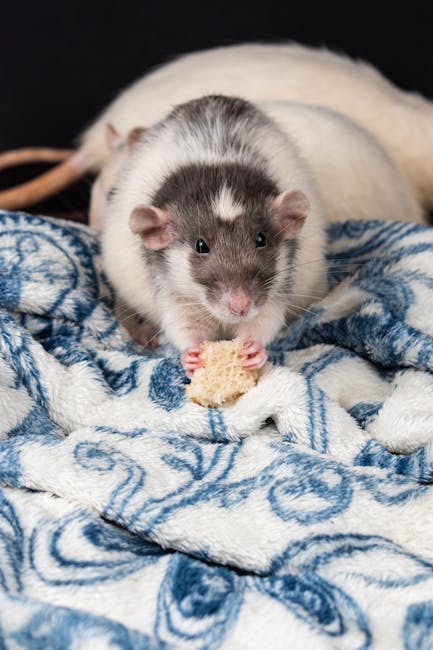
Changes in Pet Chewing Behaviour
Introduction
As pet owners, we often focus on grooming, nutrition, and exercise, but one crucial aspect that deserves our attention is dental care. Changes in pet chewing behaviour can be an important indicator of your dog or cat’s oral health. While it’s natural for pets to chew, any noticeable shifts in their chewing habits may warrant a closer look at their dental hygiene.
Reviewed by the SASI Vet Care & Grooming Editorial Board.
Maintaining good dental health is essential for your pet’s overall comfort and well-being. Regular dental care can help prevent potential issues and ensure that your furry friends remain happy and active. It’s important to remember that this article provides general information about dental care and does not serve as medical advice. If you notice significant changes in your pet’s chewing behaviour or any other concerns, consulting a veterinarian is always the best course of action.
By incorporating dental care into your routine grooming practices, you can help support your pet’s health and happiness for years to come. Remember, a healthy mouth contributes to a healthy life!
Why Dental Care Matters for Pets
Maintaining your pet’s oral health is essential for their overall wellbeing. One of the key indicators of oral comfort is changes in pet chewing behaviour. When pets experience discomfort, they may alter how they chew their food or engage with toys, which can affect their enjoyment of meals and playtime.
Healthy teeth and gums support your pet’s ability to eat comfortably, ensuring they receive the necessary nutrients for a vibrant life. Additionally, oral comfort plays a significant role in their grooming habits. Pets often use their mouths to groom themselves, and any discomfort can lead to changes in these behaviours, potentially impacting their hygiene.
Moreover, a pet that is comfortable with their oral health is more likely to engage in playful activities, strengthening the bond between you and your furry friend. Regular attention to dental care can help maintain this comfort, allowing your pet to enjoy their daily activities without hesitation. By focusing on prevention and promoting oral health, you can contribute to a happier, healthier life for your beloved companion.
Understanding Your Pet’s Mouth
Just like humans, dogs and cats rely on their teeth and gums for everyday activities, particularly chewing. Changes in pet chewing behaviour can often be a sign that something is amiss in their oral health. It’s essential to observe how your pet interacts with their food and toys, as any noticeable shifts may warrant further attention.
The mouth is a complex environment where teeth, gums, and oral tissues work together to support your pet’s overall well-being. Healthy teeth help your pet enjoy their meals and maintain a balanced diet, while healthy gums are crucial for preventing discomfort and potential issues.
Regularly monitoring your pet’s chewing habits can provide valuable insights into their oral health. If you notice any changes, such as reluctance to chew or altered eating patterns, it may be beneficial to consult with a veterinarian. They can help ensure your pet’s mouth remains healthy and comfortable, allowing them to enjoy their favorite foods and activities without pain or difficulty.
Signs Pet Owners May Notice at Home
As a pet owner, being attentive to your furry friend’s habits can provide valuable insights into their dental health. One noticeable sign to watch for is changes in pet chewing behaviour. If your dog or cat suddenly becomes hesitant to chew their favorite toys or food, it may indicate discomfort or sensitivity in their mouth.
Additionally, you might observe changes in their breath. A foul odor can sometimes suggest that something is amiss, even if it doesn’t indicate a specific condition. Pay attention to any unusual gum appearance as well; swollen or discolored gums can be a sign that your pet may need further attention.
Another aspect to consider is how your pet interacts with their food. If they start eating more slowly or seem to favor one side of their mouth, it could be a sign of discomfort. Regularly monitoring these behaviors can help you stay informed about your pet’s overall well-being and encourage you to seek professional advice if you notice persistent changes.
Dental awareness as Part of Daily Routines
Being attentive to your pet’s dental health is an essential aspect of their overall well-being. One area to observe is any changes in pet chewing behaviour. These changes can sometimes indicate discomfort or a shift in their oral health. By incorporating dental awareness into your daily routines, you can help support your pet’s oral comfort.
Regularly observing how your pet chews can provide valuable insights. For instance, if your dog or cat suddenly prefers softer foods or avoids chewing altogether, it may be time to pay closer attention. Consistency in monitoring these behaviours can help you notice patterns that may require further consideration.
Creating a calm environment during mealtime can also encourage healthy chewing habits. Engaging with your pet during these moments fosters a positive association with their eating routine. Remember, while changes in pet chewing behaviour can be a signal to observe, they do not replace the importance of regular veterinary check-ups. By being proactive and aware, you can contribute to your pet’s comfort and happiness.
Dental Care Within Grooming Routines
Incorporating dental awareness into your pet’s grooming routine is essential for their overall health. Just as you regularly brush your pet’s fur, bathe them, and trim their nails, paying attention to their dental hygiene can help prevent potential issues. Observing changes in pet chewing behaviour can provide valuable insights into their dental health. For instance, if your pet suddenly becomes hesitant to chew their favorite toys or treats, it may indicate discomfort that warrants further attention.
During grooming sessions, take a moment to gently examine your pet’s mouth. Look for any signs of discomfort or unusual changes. While you should never diagnose dental issues, being aware of your pet’s chewing habits can help you identify when it might be time to consult a veterinarian. Regular grooming not only keeps your pet looking their best but also allows you to monitor their dental health in a stress-free environment.
By integrating dental awareness into your grooming routine, you can contribute to your pet’s long-term well-being and ensure they maintain a happy, healthy smile.
Supporting Pets That Dislike Mouth Handling
Many pets may show discomfort when it comes to mouth handling, which can be concerning for their owners, especially regarding dental care. Understanding changes in pet chewing behaviour can help you create a supportive environment for your furry friend. Patience is key; allowing your pet to adjust at their own pace can foster trust and comfort.
Creating a calm environment is essential. Choose a quiet space where your pet feels safe and secure. This can help reduce anxiety and make them more receptive to gentle handling. Gradually introducing mouth handling in a non-threatening manner can also be beneficial. Start by simply touching the area around their mouth without any pressure, allowing them to become accustomed to your presence.
Positive experiences are crucial. Reward your pet with praise or treats when they remain calm during these interactions. This approach can help them associate mouth handling with positive outcomes, making future interactions easier. Remember, every pet is unique, and taking the time to understand their comfort levels can lead to a more harmonious experience for both of you.
Differences Between Dogs and Cats
Understanding the differences in pet chewing behaviour between dogs and cats can help pet owners better manage their oral health. Dogs are generally more tolerant of oral handling and may enjoy the interaction that comes with it. They often see it as a bonding experience, which can make them more receptive to having their mouths examined or cleaned. This willingness can be beneficial when it comes to maintaining their dental hygiene.
On the other hand, cats tend to be more sensitive and may not appreciate having their mouths handled as much as dogs do. Their natural instincts can make them more cautious, and they may resist oral examinations. This difference in tolerance can lead to changes in pet chewing behaviour, as cats might prefer to chew on softer items or engage in play that doesn’t involve their mouths being touched.
Recognizing these differences is essential for pet owners. By understanding how each species reacts to oral handling, you can create a more positive experience for your pet, ultimately supporting their dental health and well-being.
When Professional Advice is Important
As pet owners, it’s essential to be attentive to any changes in pet chewing behaviour. These changes can sometimes indicate underlying issues that may require professional attention. While it’s natural for pets to have varying chewing habits, a sudden shift could suggest discomfort or dental concerns that warrant further investigation.
For instance, if your dog or cat suddenly becomes reluctant to chew their favorite toys or food, or if they start chewing on unusual items, it may be a sign that something is amiss. Observing these changes can help you better understand your pet’s needs and overall well-being.
While occasional changes in chewing behaviour can be normal, ongoing discomfort or persistent alterations should prompt a conversation with your veterinarian. They can provide guidance and support tailored to your pet’s specific situation. Remember, being proactive about your pet’s health is a vital part of responsible pet ownership, and your veterinarian is there to help you navigate any concerns you may have.
FAQs
Q: What are some common signs of dental issues in pets?
A: While I cannot diagnose, pet owners often notice changes in pet chewing behaviour, such as reluctance to chew or play with toys. Other signs may include bad breath or changes in eating habits.
Q: How can I help maintain my pet’s dental health?
A: Regular dental care is essential. You can promote good dental hygiene by providing appropriate chew toys and considering dental treats designed for pets. Regular check-ups with your veterinarian can also help monitor your pet’s dental health.
Q: Is it normal for pets to have bad breath?
A: Bad breath can be common in pets, but it may indicate underlying dental issues. If you notice persistent bad breath, it’s a good idea to consult with your veterinarian for guidance.
Q: How often should I check my pet’s teeth?
A: Regularly checking your pet’s teeth and gums can help you notice any changes in pet chewing behaviour or other concerns. Aim to check their mouth at least once a week.
Summary
Changes in pet chewing behaviour can be an important indicator of your pet’s overall health and wellbeing. As a pet owner, it’s essential to observe any shifts in how your dog or cat interacts with their toys, food, or other objects. These changes may arise from various factors, including age, dental health, or even stress. While it’s crucial to remain attentive to these behaviours, it’s equally important to approach them with a calm and reassuring mindset.
Incorporating regular dental care into your pet’s grooming routine can help maintain their oral health and potentially prevent issues that may lead to changes in chewing behaviour. Gentle brushing, dental treats, and regular check-ups with a veterinarian can all contribute to a healthier mouth and a happier pet. Remember, fostering a positive environment around dental care can make it a seamless part of your pet’s life. By being proactive and attentive, you can support your furry friend’s wellbeing and ensure they continue to enjoy their favourite activities, including chewing.
- American Veterinary Medical Association (AVMA)
- American Animal Hospital Association (AAHA)
- World Small Animal Veterinary Association (WSAVA)
- Pet Dental Health Council (PDHC)
- Association of American Feed Control Officials (AAFCO)
Disclaimer: This article provides general information about pet dental care and does not replace professional veterinary advice.