

Pet dental care awareness in daily life

Share
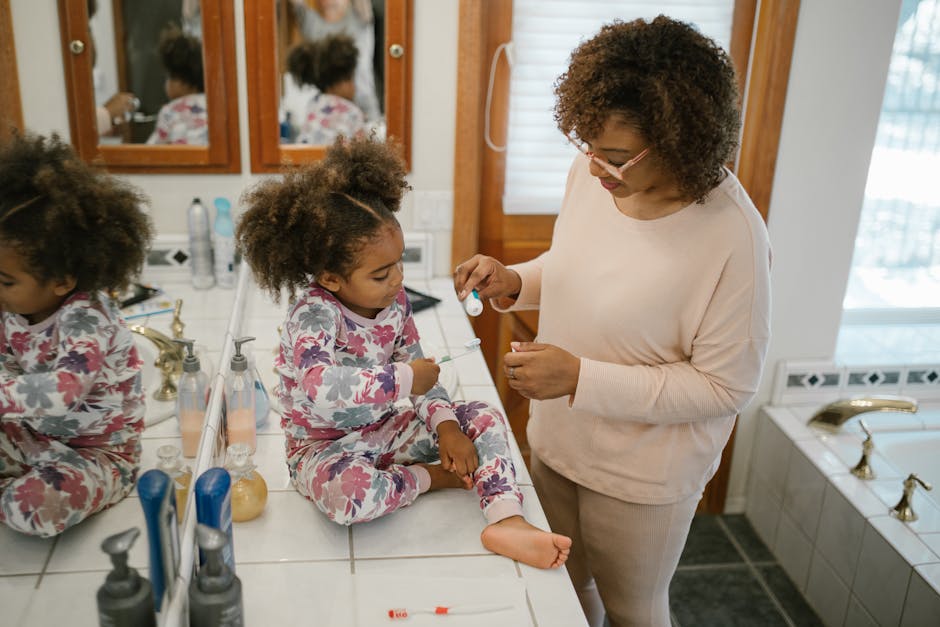
pet dental care awareness in daily life
Introduction
Maintaining good pet dental care awareness in daily life is essential for the overall health and comfort of your furry companions. Just like humans, dogs and cats can experience dental issues that may affect their well-being. Regular attention to their dental hygiene can help prevent potential problems and ensure they lead happy, healthy lives.
Reviewed by the SASI Vet Care & Grooming Editorial Board.
Incorporating dental care into your routine pet grooming can be a simple yet effective way to promote oral health. This includes being mindful of your pet’s breath, checking for any signs of discomfort, and understanding the importance of regular dental check-ups with your veterinarian. While this article aims to provide general information about the significance of dental care, it is important to remember that any concerns regarding your pet’s dental health should be discussed with a qualified professional.
By fostering awareness and taking proactive steps in your pet’s dental care, you can contribute to their overall happiness and longevity. A little attention to their teeth and gums can go a long way in ensuring they remain playful and vibrant companions.
Why dental care matters for pets
Maintaining good oral health is essential for your pet’s overall wellbeing. Just like humans, pets rely on their mouths for various daily activities, including eating, playing, and grooming. When pets experience discomfort in their mouths, it can affect their willingness to eat, leading to changes in their diet and energy levels.
Additionally, oral comfort plays a significant role in your pet’s ability to engage in play. Pets often use their mouths to interact with toys and other animals. If they are experiencing any discomfort, they may become less active or playful, which can impact their physical and emotional health.
Furthermore, regular attention to pet dental Care Awareness in daily life can foster a stronger bond between you and your furry friend. Engaging in gentle oral care routines can help your pet feel more comfortable and secure, making grooming a more enjoyable experience for both of you.
By prioritizing your pet’s oral health, you are not only supporting their physical needs but also enhancing their quality of life. A happy, healthy pet is a joy to have, and good dental care is a vital part of that happiness.
Understanding your pet’s mouth
Your pet’s mouth is home to teeth, gums, and other oral tissues that play a vital role in their daily activities, such as eating and playing. Healthy teeth help your pet chew their food properly, while healthy gums support the teeth and protect against discomfort. It’s important to be aware of your pet’s oral health as part of your routine care.
Pet dental care awareness in daily life can make a significant difference. Simple practices, such as observing your pet’s eating habits and checking for any signs of discomfort, can help you stay informed about their oral health. By fostering a proactive approach to dental care, you can contribute to your pet’s happiness and longevity.
Signs pet owners may notice at home
Being attentive to your pet’s oral health is an essential aspect of pet dental care awareness in daily life. While you should never attempt to diagnose any dental issues, there are some neutral observations that can help you monitor your pet’s dental well-being.
One common sign is a change in breath. If your pet’s breath has an unusual odor, it may indicate a need for closer observation. Additionally, you might notice changes in their chewing behavior; for instance, if your pet seems hesitant to chew their favorite toys or food, it could suggest discomfort.
Another area to watch is your pet’s mouth sensitivity. If they flinch or pull away when you gently touch their face or mouth, it may be worth noting. Furthermore, take a look at their gums; healthy gums should appear pink and firm. If you observe any discoloration or swelling, this could be a sign that warrants further attention.
By being aware of these signs, you can help ensure your pet maintains good oral health and enjoys a happy, comfortable life.
Dental awareness as part of daily routines
Incorporating pet dental care awareness in daily life is essential for maintaining your furry friend’s overall well-being. Just like humans, pets can experience discomfort and health issues related to their oral hygiene. By being mindful of their dental health, you can help ensure they enjoy a comfortable and happy life.
Consistency is key when it comes to promoting good dental habits. Regularly observing your pet’s mouth can help you notice any changes that may indicate a need for professional attention. This awareness allows you to be proactive rather than reactive, fostering a healthier environment for your pet’s teeth and gums.
Additionally, integrating dental care into your pet’s daily routine can create a positive association with oral health. Simple actions, such as offering dental-friendly treats or engaging in gentle play that encourages chewing, can contribute to their overall dental comfort. Remember, the goal is to create a supportive atmosphere where your pet feels secure and cared for, ultimately leading to a happier, healthier life.
Dental care within grooming routines
Incorporating pet dental care awareness in daily life is essential for maintaining your furry friend’s overall health. Grooming routines, which often include brushing, bathing, and nail care, provide an excellent opportunity to pay attention to your pet’s dental hygiene.
While brushing your pet’s coat or bathing them, take a moment to check their mouth and teeth. This can help you become familiar with their oral health and notice any changes over time. Regular grooming sessions can also create a comfortable environment for your pet, making them more receptive to dental care practices.
Additionally, while you are trimming their nails, consider using this time to gently lift their lips and examine their gums and teeth. This not only reinforces the bond between you and your pet but also promotes awareness of their dental health. By integrating dental care into your grooming routine, you can help ensure that your pet maintains a healthy mouth and a happy life.
Supporting pets that dislike mouth handling
Many pets may feel uncomfortable when it comes to mouth handling, which can make pet dental care awareness in daily life a challenge. It’s important to approach this situation with patience and understanding. Creating a calm environment can significantly help your pet feel more at ease. Consider choosing a quiet space where your pet feels safe and relaxed.
Gradual exposure is key. Start by gently touching your pet’s face and gradually work towards their mouth over time. This slow approach allows your pet to become accustomed to the sensation without feeling overwhelmed. Always pay attention to their body language, as this can guide you in understanding their comfort level.
Positive experiences can also make a difference. Reward your pet with praise or treats during and after these interactions, reinforcing the idea that mouth handling can be a positive experience. Remember, the goal is to foster trust and comfort, making dental care a more manageable part of your pet’s routine. With time and patience, you can help your pet feel more comfortable with mouth handling, contributing to their overall dental health.
Differences between dogs and cats
When it comes to pet dental care awareness in daily life, understanding the behavioral differences between dogs and cats is essential. Dogs are generally more tolerant of oral handling, often enjoying the attention and interaction that comes with it. They may be more willing to let their owners examine their mouths, which can make routine dental checks easier.
On the other hand, cats tend to be more sensitive and may not appreciate having their mouths handled as much. They can be more cautious and may require a gentler approach. This difference in tolerance can affect how pet owners engage in dental care practices for their furry companions.
It’s important to recognize these behavioral traits when incorporating dental care into your pet’s routine. For dogs, positive reinforcement can encourage them to accept oral handling, while for cats, creating a calm environment and using gradual techniques can help ease them into the process. By being mindful of these differences, pet owners can foster a more positive experience for both dogs and cats during dental care activities.
When professional advice is important
Maintaining pet dental care awareness in daily life is essential for the overall health of your furry companions. While regular home care can significantly contribute to your pet’s dental hygiene, there are times when consulting a veterinarian becomes important. If you notice any signs of discomfort, such as difficulty eating, excessive drooling, or changes in behavior, it may be beneficial to seek professional advice.
Additionally, if you observe any unusual changes in your pet’s mouth, such as swelling, bad breath, or loose teeth, these could be indicators that warrant a veterinary visit. Remember, your veterinarian is equipped to provide guidance tailored to your pet’s specific needs and can help ensure their dental health is maintained effectively.
Being proactive about your pet’s dental care can lead to a happier, healthier life. Regular check-ups and open communication with your veterinarian can help you stay informed about the best practices for your pet’s dental health. Always prioritize your pet’s comfort and well-being by seeking professional advice when necessary.
FAQs
Q: Why is pet dental care awareness important?
A: Pet dental care awareness is crucial because it helps pet owners understand the significance of maintaining their pets’ oral health. Regular attention to dental hygiene can prevent potential issues and promote overall well-being.
Q: How can I tell if my pet needs dental care?
A: While I cannot diagnose, some signs that may indicate a need for dental care include bad breath, difficulty eating, or changes in behavior. Observing your pet’s habits can help you stay informed about their dental health.
Q: What are some ways to promote dental health in pets?
A: Promoting dental health can involve incorporating dental-friendly activities into your pet’s routine, such as providing chew toys or engaging in play that encourages natural chewing behaviors. Regular check-ins with your veterinarian can also support your pet’s dental awareness.
Q: How often should I check my pet’s teeth?
A: It’s beneficial to check your pet’s teeth regularly, ideally during grooming or playtime. This can help you notice any changes and maintain awareness of their dental health.
Summary
Pet dental care awareness in daily life is essential for maintaining your furry friend’s overall health and happiness. Just like humans, pets can experience dental issues that may affect their quality of life. Regular attention to your pet’s oral hygiene can help prevent potential problems and ensure their comfort.
Incorporating dental care into your pet’s routine doesn’t have to be overwhelming. Simple practices, such as checking their teeth and gums during grooming sessions, can foster a habit of awareness. Look for signs of discomfort or changes in their mouth, which can indicate the need for further attention.
Additionally, consider discussing dental health with your veterinarian during regular check-ups. They can provide valuable insights and recommendations tailored to your pet’s specific needs. Remember, a proactive approach to pet dental care can lead to a happier, healthier life for your beloved companion.
By making pet dental care awareness a gentle part of your daily routine, you contribute significantly to your pet’s overall wellbeing and longevity.
- American Veterinary Medical Association (AVMA)
- American Animal Hospital Association (AAHA)
- Pet Dental Health Council
- American Kennel Club (AKC)
- Feline Veterinary Medical Association (FVMA)
Disclaimer: This article provides general information about pet dental care and does not replace professional veterinary advice.



