When to Ask a Vet About Oral Comfort Changes

Share
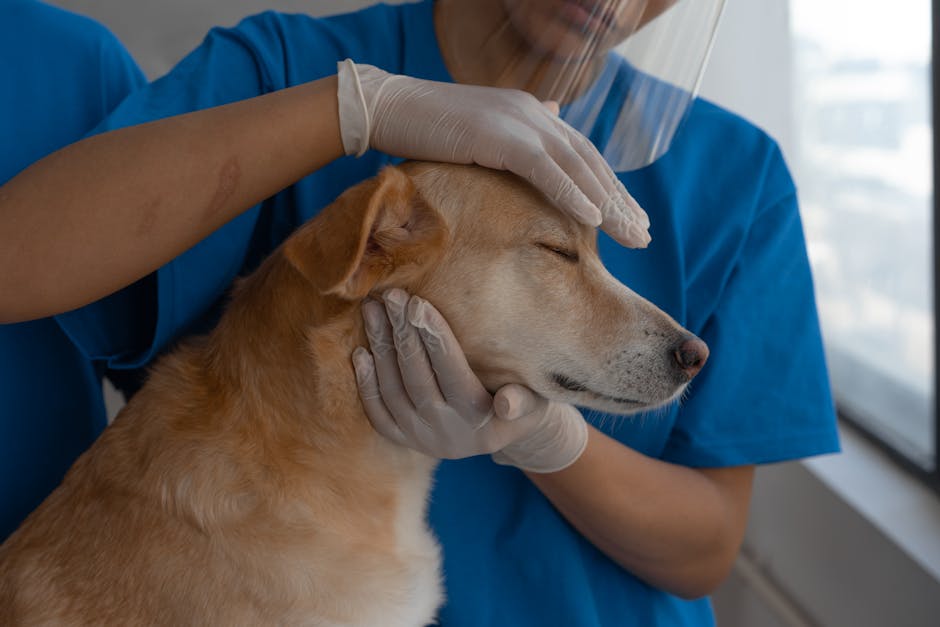
When to Ask a Vet About oral comfort Changes
Introduction
Maintaining your pet’s dental health is an essential aspect of their overall well-being. Just like humans, dogs and cats can experience changes in their oral comfort, which may indicate a need for attention. Understanding when to ask a vet about oral comfort changes is crucial for ensuring your furry friends remain happy and healthy.
Regular dental care is a key part of routine grooming for pets. It not only helps prevent bad breath but also contributes to their overall comfort and quality of life. While it’s normal for pets to have some variation in their oral health, significant changes-such as difficulty eating, excessive drooling, or noticeable discomfort-should prompt a conversation with your veterinarian.
Remember, this information is intended to provide general guidance and is not a substitute for professional veterinary advice. Keeping an eye on your pet’s dental health and being proactive about any changes can help you ensure they enjoy a long, comfortable life by your side.
Reviewed by the SASI Vet Care & Grooming Editorial Board.
Why Dental Care Matters for Pets
Maintaining your pet’s oral comfort is essential for their overall wellbeing. Healthy teeth and gums play a crucial role in their ability to eat, play, and groom themselves. When pets experience discomfort in their mouths, it can lead to changes in their eating habits, making mealtime less enjoyable and potentially affecting their nutrition.
Additionally, oral comfort is vital for playtime. Pets often use their mouths to engage with toys and interact with their owners. If they are experiencing discomfort, they may become less active or avoid play altogether, which can impact their physical health and happiness.
Grooming is another area where oral comfort is important. Pets often groom themselves by licking, and discomfort can lead to changes in their grooming behavior, which may affect their coat and skin health.
If you notice any changes in your pet’s oral comfort, such as reluctance to eat or play, it may be time to ask a vet about oral comfort changes. Regular check-ups can help ensure your furry friend remains happy and healthy.
Understanding Your Pet’s Mouth
Your pet’s mouth is essential for their overall health and well-being. Just like humans, dogs and cats rely on their teeth and gums for eating, playing, and expressing themselves. Maintaining oral comfort is crucial, as it can significantly impact their quality of life.
As a pet owner, it’s important to observe any changes in your pet’s oral comfort. Signs such as difficulty eating, excessive drooling, or changes in behavior may indicate that something is amiss. While it’s normal for pets to experience some wear and tear on their teeth over time, any noticeable changes should prompt you to consider when to ask a vet about oral comfort changes.
Regular check-ups can help ensure that your pet’s mouth remains healthy. During these visits, your veterinarian can provide guidance on maintaining good oral hygiene and discuss any concerns you may have. Remember, being proactive about your pet’s dental health can lead to a happier, healthier life for your furry friend.
Signs Pet Owners May Notice at Home
As a pet owner, being attentive to your furry friend’s oral health is essential. You may observe certain signs that could indicate changes in their oral comfort. For instance, if your pet’s breath has become noticeably unpleasant, it might be a signal worth noting. Additionally, changes in chewing behavior, such as reluctance to eat or favoring one side of the mouth, can also be a sign of discomfort.
Another observation to consider is any sensitivity your pet may show when you touch their mouth or gums. If they flinch or pull away, it could indicate that something is amiss. Furthermore, keep an eye on the appearance of their gums; healthy gums should be pink and firm. If you notice any redness, swelling, or unusual discoloration, it may be time to reflect on their oral comfort.
While these signs do not diagnose any specific condition, they can serve as important indicators. If you notice any of these changes, it may be a good time to ask a vet about oral comfort changes to ensure your pet remains happy and healthy.
Dental awareness as Part of Daily Routines
Maintaining your pet’s oral comfort is an essential aspect of their overall health. By incorporating Dental awareness into your daily routines, you can help support their well-being. Regularly observing your dog or cat’s behavior can provide valuable insights into their oral health. Look for signs such as changes in eating habits, unusual chewing behaviors, or any signs of discomfort when they play with toys.
Consistency is key. Establishing a routine that includes gentle checks of your pet’s mouth can help you notice any changes over time. This awareness can be beneficial in identifying potential issues early on. If you observe any shifts in your pet’s oral comfort, it may be a good time to ask a vet about oral comfort changes. They can provide guidance tailored to your pet’s specific needs.
Remember, your pet’s comfort is paramount. By being proactive and attentive, you can contribute to their happiness and health. Regular discussions with your veterinarian can further enhance your understanding of your pet’s dental needs and ensure they remain comfortable and content.
Dental Care Within Grooming Routines
Incorporating dental awareness into your pet’s grooming routine is essential for their overall health. Regular grooming, which includes brushing, bathing, and nail care, provides an excellent opportunity to observe your pet’s oral health. While you may not be able to diagnose any issues, being attentive to changes in your pet’s mouth can help you identify when to ask a vet about oral comfort changes.
During grooming sessions, take a moment to gently check your pet’s teeth and gums. Look for any signs of discomfort, such as reluctance to eat or changes in behavior. These subtle cues can indicate that your pet may be experiencing oral discomfort. By integrating dental awareness into your grooming practices, you can create a holistic approach to your pet’s care.
Remember, maintaining a routine that includes dental checks alongside other grooming tasks not only promotes good hygiene but also strengthens the bond between you and your pet. If you notice anything unusual, don’t hesitate to consult your veterinarian for guidance. Your proactive approach can make a significant difference in your pet’s well-being.
Supporting Pets That Dislike Mouth Handling
Many pets may feel uncomfortable when it comes to handling their mouths. This can be due to various reasons, including past experiences or simply their individual temperament. It’s essential to approach this situation with patience and understanding. Creating a calm environment can significantly help your pet feel more at ease.
Start by allowing your pet to become familiar with your presence around their mouth without any pressure. Gradually introduce gentle touches and praise to create positive associations. Remember, the goal is to make these experiences as stress-free as possible. Over time, your pet may become more comfortable with mouth handling.
It’s important to monitor any changes in your pet’s behavior or comfort levels. If you notice significant shifts, such as increased resistance or signs of distress, it may be time to consider when to ask a vet about oral comfort changes. Your veterinarian can provide guidance tailored to your pet’s needs, ensuring their well-being and comfort are prioritized.
Differences Between Dogs and Cats
Understanding the differences in behavior between dogs and cats can help pet owners better manage their pets’ oral health. When it comes to oral handling, dogs generally tend to be more tolerant than cats. Many dogs enjoy having their mouths examined and may even seek out attention during this process. They often respond positively to gentle handling, which can make it easier for owners to check their teeth and gums.
On the other hand, cats are typically more sensitive to oral handling. They may feel threatened or uncomfortable when their mouths are touched, leading to defensive behaviors. This can make it challenging for cat owners to assess their feline’s oral health. It’s essential to approach cats with patience and care, allowing them to acclimate to any handling.
Regardless of whether you have a dog or a cat, it’s important to monitor any changes in their behavior related to oral comfort. If you notice signs of discomfort or changes in their willingness to have their mouths handled, it may be time to consider when to ask a vet about oral comfort changes. Early attention can help ensure your pet’s overall well-being.
When Professional Advice is Important
As a pet owner, it’s essential to be attentive to your furry friend’s well-being, especially regarding their oral health. If you notice any changes in your pet’s oral comfort, it may be a good time to consult your veterinarian. Observing signs such as difficulty eating, excessive drooling, or changes in behavior can indicate that your pet is experiencing discomfort. While these signs may not always point to a serious issue, they warrant a closer look.
Understanding when to ask a vet about oral comfort changes can help ensure your pet remains happy and healthy. Regular check-ups can also play a crucial role in maintaining your pet’s dental health. Your veterinarian can provide valuable insights and guidance tailored to your pet’s specific needs.
Remember, being proactive about your pet’s health is a sign of a caring owner. If you have any concerns or questions about your pet’s oral comfort, don’t hesitate to reach out to your veterinarian. They are there to help you navigate any changes and ensure your pet’s comfort and happiness.
FAQs
1. When should I ask a vet about oral comfort changes in my pet?
If you notice any changes in your pet’s eating habits, excessive drooling, or signs of discomfort while chewing, it may be a good time to consult your veterinarian. These changes can indicate that your pet may need attention regarding their oral health.
2. How can I tell if my pet is experiencing dental discomfort?
Pets may show signs of dental discomfort through behaviors such as pawing at their mouth, reluctance to eat, or changes in their usual playful demeanor. Observing these behaviors can help you determine if a vet visit is necessary.
3. What are some signs of good oral health in pets?
Healthy pets often have fresh breath, clean teeth, and healthy gums. Regular dental check-ups can help maintain these signs of good oral health and prevent potential issues.
4. How often should I check my pet’s mouth?
Regularly checking your pet’s mouth can help you notice any changes early. Aim to look at their teeth and gums at least once a week to ensure everything appears normal.
Summary
Maintaining your pet’s dental health is an essential aspect of their overall wellbeing. Regular dental care can help prevent discomfort and promote a happy, healthy life for your furry friend. As a pet owner, it’s important to be aware of any changes in your pet’s oral comfort. Knowing when to ask a vet about oral comfort changes can make a significant difference in your pet’s quality of life.
Signs that may indicate a need for veterinary consultation include changes in eating habits, excessive drooling, or noticeable discomfort when chewing. Additionally, if you observe bad breath or swollen gums, these could be signals that warrant a professional’s attention. While these signs can be concerning, they also serve as reminders to prioritize your pet’s dental hygiene as part of their grooming routine.
Regular check-ups and at-home dental care can help catch potential issues early, ensuring your pet remains comfortable and healthy. By staying vigilant and proactive about your pet’s oral health, you can contribute to their overall happiness and longevity.
- American Veterinary Medical Association (AVMA)
- American Animal Hospital Association (AAHA)
- Pet Dental Health Council
- Veterinary Oral Health Council (VOHC)
- American Kennel Club (AKC)
Disclaimer: This article provides general information about pet dental care and does not replace professional veterinary advice.