
Preventing intestinal parasites in dogs and common risks

Share
Preventing intestinal parasites in dogs and common risks
Introduction
Preventing intestinal parasites in dogs and common risks is an important part of keeping your furry friend healthy and comfortable. This information is useful for all dog owners, whether you have a playful puppy, an adult dog, or a senior companion. While intestinal parasites can affect dogs of any age, puppies are often more vulnerable due to their developing immune systems.
Intestinal parasites include worms and other tiny organisms that live in your dog’s digestive tract. These parasites can cause a range of health issues, from mild discomfort to more serious illness. The good news is that with proper preventive care, you can significantly reduce the risk of your dog becoming infected.
It’s important to remember that prevention lowers the chance of disease but does not guarantee perfect health. Every dog is unique, and factors like lifestyle, environment, and overall health can influence risk. This article provides general information and should not replace advice from your veterinarian.
Working with your veterinarian to develop a tailored preventive care plan is the safest way to protect your dog from intestinal parasites and other health concerns. Regular check-ups and open communication will help keep your dog happy and healthy for years to come.
Reviewed by SASI Vet Preventive Care Editorial Board.
Why preventive care matters
Preventing intestinal parasites in dogs and common risks is an important part of keeping your furry friend healthy and happy throughout their life. Intestinal parasites can cause discomfort, digestive issues, and in some cases, more serious health problems if left untreated.
By working with your veterinarian to develop a preventive care plan, you can help lower the risk of your dog contracting these parasites. This approach not only protects your pet’s health but also reduces the chance of emergency visits and costly treatments down the road.
Benefits of preventive care include:
- Reducing the likelihood of infections that can cause vomiting, diarrhoea, or weight loss
- Improving your dog’s overall quality of life and energy levels
- Minimizing the risk of parasites spreading to other pets or family members
- Supporting early detection and management of potential health concerns
Remember, every dog is unique, and preventive care plans should be tailored to their specific needs. Always consult your veterinarian to create a safe and effective strategy that fits your dog’s lifestyle and environment.
How this preventive measure works
Preventing intestinal parasites in dogs and common risks involves a combination of strategies designed to reduce your pet’s exposure to parasites and support their overall health. These parasites, such as roundworms, hookworms, and tapeworms, can affect dogs of all ages and sizes, so prevention is important for every pet.
Generally, prevention works by:
- Minimizing contact with contaminated environments, such as areas with animal faeces or standing water.
- Maintaining good hygiene, including regular cleaning of your dog’s living spaces and prompt removal of waste.
- Using parasite control products recommended by your veterinarian to help protect your dog from infection.
- Monitoring your dog’s health regularly and seeking veterinary advice if you notice any signs of illness.
Each dog’s risk factors and lifestyle are unique, so it’s important to work with your veterinarian to develop a preventive care plan tailored to your pet’s needs. This plan will consider factors like your dog’s age, environment, and health status to keep them safe and healthy.
Which pets need it most
Preventing intestinal parasites in dogs and common risks is important for many pets, but some animals benefit more than others. Dogs of all ages can be affected, though puppies and senior dogs often have a higher risk due to their developing or weakened immune systems.
Pets with certain lifestyles or environments may also be more vulnerable. For example, dogs that spend a lot of time outdoors, visit dog parks, or interact with other animals are more likely to encounter parasite eggs or larvae. Similarly, dogs living in areas with a high prevalence of parasites or in multi-pet households may face increased exposure.
Existing health conditions can influence risk as well. Dogs with compromised immune systems or chronic illnesses might be less able to fight off infections, making preventive care especially important.
Ultimately, the best approach to preventing intestinal parasites in dogs and common risks involves working closely with a veterinarian. They can assess your pet’s unique situation-including species, age, lifestyle, environment, and health status-and recommend a tailored preventive plan that keeps your dog safe and healthy.
What pet owners should look out for
Preventing intestinal parasites in dogs and common risks involves regular monitoring of your pet’s health and behaviour. While many dogs show no obvious signs, some changes at home may indicate that preventive care needs to be reviewed or that a veterinary check-up is warranted.
Keep an eye on the following signs and behaviours:
- Changes in appetite or sudden weight loss
- Vomiting or frequent diarrhoea
- Visible worms or unusual material in your dog’s stool
- Excessive scratching around the anus or scooting on the floor
- Lethargy or decreased activity levels
- Abdominal bloating or discomfort
These signs do not automatically mean your dog has intestinal parasites, but they do suggest that a veterinary visit is important. Your veterinarian can recommend appropriate testing and tailor a preventive care plan specific to your dog’s lifestyle and risk factors.
Remember, prevention is always better than treatment. Regular veterinary check-ups, combined with good hygiene and parasite control measures, help keep your dog healthy and comfortable.
Role of the veterinarian
Your veterinarian plays a vital role in preventing intestinal parasites in dogs and common risks associated with them. Together, you form a partnership focused on keeping your dog healthy and parasite-free.
During routine visits, your vet will perform thorough physical exams to check for any signs of parasites or related health issues. They will also develop a tailored preventive care plan that may include:
- Vaccination schedules appropriate for your dog’s age and lifestyle
- Recommendations for parasite control products suited to your region and pet’s needs
- Nutrition advice to support your dog’s overall health and immune system
- Screening tests to detect parasites early, even before symptoms appear
- Follow-up appointments to monitor your dog’s health and adjust the plan as needed
It’s important to remember that preventive care plans should always be created and adjusted in consultation with your veterinarian. They have the expertise to recommend safe and effective strategies tailored specifically for your dog’s unique situation.
By working closely with your vet, you can help protect your dog from intestinal parasites and ensure a happy, healthy life.
Safe home practices
Preventing intestinal parasites in dogs and common risks begins with consistent, safe home care. While your veterinarian will guide specific treatments and preventive plans, there are several simple steps you can take daily to support your dog’s health and reduce parasite exposure.
Consider these practical tips:
- Regular cleaning: Keep your dog’s living areas clean by promptly removing faeces from the yard or litter areas to minimise parasite eggs in the environment.
- Monitor outdoor activities: Avoid letting your dog roam in areas known for high parasite contamination, such as stagnant water or places frequented by wild animals.
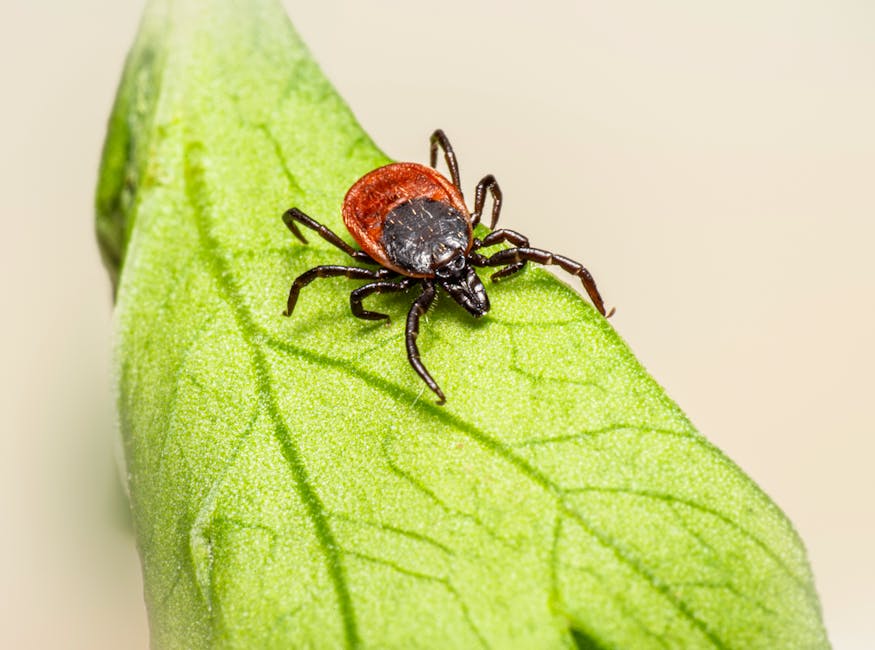
- Check your dog’s coat: Regularly inspect your dog for ticks and fleas, which can carry parasites or cause other health issues.
- Maintain a healthy diet and weight: Good nutrition supports your dog’s immune system, helping to resist infections.
- Provide environmental enrichment: Keeping your dog mentally and physically active reduces stress, which can impact overall health.
Remember, these home practices complement but do not replace veterinary advice. Always consult your veterinarian to develop a tailored preventive care plan that includes parasite control suited to your dog’s lifestyle and risk factors.
Common myths and misunderstandings
When it comes to preventing intestinal parasites in dogs and common risks, there are several myths that can cause confusion. It’s important to rely on evidence-informed veterinary advice to keep your pet safe and healthy.
Myth 1: Only outdoor dogs get intestinal parasites.
Even dogs that spend most of their time indoors can be exposed to parasites through contaminated soil, other animals, or even humans. Parasites don’t discriminate based on lifestyle.
Myth 2: You can tell if a dog has parasites just by looking at them.
Many dogs with intestinal parasites show no obvious signs. Regular veterinary check-ups and faecal testing are the best ways to detect and manage parasites early.
Myth 3: Natural remedies alone are enough to prevent parasites.
While some natural approaches may support overall health, they should never replace veterinary-recommended preventive care. parasite prevention plans should always be tailored by your veterinarian.
Remember, the best way to protect your dog is through a preventive care plan created with your veterinarian. This ensures the approach is safe, effective, and suited to your dog’s specific needs and environment.
Life-stage considerations
Preventing intestinal parasites in dogs and common risks can vary depending on your pet’s life stage. Puppies, adults, and senior dogs each have unique needs when it comes to parasite prevention and overall health.
Puppies are more vulnerable to intestinal parasites because their immune systems are still developing. They may be exposed to parasites from their mother or environment, so early and regular veterinary check-ups are important.
Adult dogs benefit from ongoing preventive care tailored to their lifestyle, such as outdoor activity levels and exposure to other animals. Parasite prevention remains essential to avoid infections that can affect their health and comfort.
Senior dogs may have changing immune responses and other health conditions that influence parasite risk and treatment options. Regular veterinary assessments help adjust prevention plans as needed.
Regardless of age, the best approach to preventing intestinal parasites in dogs and common risks involves working closely with your veterinarian. They can recommend safe, effective prevention strategies suited to your dog’s specific life stage and health status.
FAQs
What are intestinal parasites in dogs?
Intestinal parasites are tiny organisms like worms or protozoa that can live in your dog’s digestive system. Common types include roundworms, hookworms, and tapeworms. They can cause symptoms such as vomiting, diarrhoea, weight loss, or a dull coat, but sometimes dogs show no signs at all.
How can I help prevent intestinal parasites in dogs?
Preventing intestinal parasites involves a combination of good hygiene and regular veterinary care. Key steps include:
- Cleaning up your dog’s waste promptly
- Keeping your dog away from areas known to be contaminated
- Providing fresh, clean water and food
- Working with your veterinarian to develop a parasite prevention plan tailored to your dog’s lifestyle
Are intestinal parasites a risk to my family?
Some intestinal parasites can be passed from dogs to people, especially young children or those with weakened immune systems. Practising good hand hygiene and regular veterinary check-ups for your dog help reduce this risk.
How often should my dog be checked for intestinal parasites?
The frequency of testing depends on your dog’s age, health, and lifestyle. Puppies and dogs that spend a lot of time outdoors may need more frequent checks. Your veterinarian can recommend the best schedule for your pet.
Can I prevent intestinal parasites without a vet?
While good hygiene helps, effective prevention usually requires veterinary guidance. Your vet can recommend safe and appropriate treatments and testing to keep your dog parasite-free and healthy.
Summary
Preventing intestinal parasites in dogs and common risks is an important part of keeping your furry friend healthy and comfortable. Regular preventive care helps reduce the chance of infections that can affect your dog’s digestion, energy, and overall well-being.
While no prevention method is 100% guaranteed, working closely with your veterinarian allows you to create a tailored plan that fits your dog’s lifestyle and risk factors. This plan may include routine screenings, environmental management, and safe preventive treatments recommended by your vet.
Key benefits of preventive care include:
- Lower risk of parasite-related illness
- Early detection of potential infections
- Improved comfort and quality of life for your dog
- Protection for your family and other pets
Remember, open communication with your veterinary team is essential. Always share any concerns or changes you notice in your dog’s health so your vet can adjust the preventive care plan as needed. Together, you can help keep your dog safe from intestinal parasites and enjoy many happy years together.
Additional Resources
- Canadian Veterinary Medical Association (CVMA)
- American Veterinary Medical Association (AVMA)
- World Small Animal Veterinary Association (WSAVA)
- Royal Society for the Prevention of Cruelty to Animals (RSPCA)
- Ontario Veterinary College, University of Guelph
Disclaimer: This article provides general information about preventive care for pets and does not replace professional veterinary advice. Always talk to a licensed veterinarian about your pet’s specific needs.