How to prevent matting in long haired dogs

Share
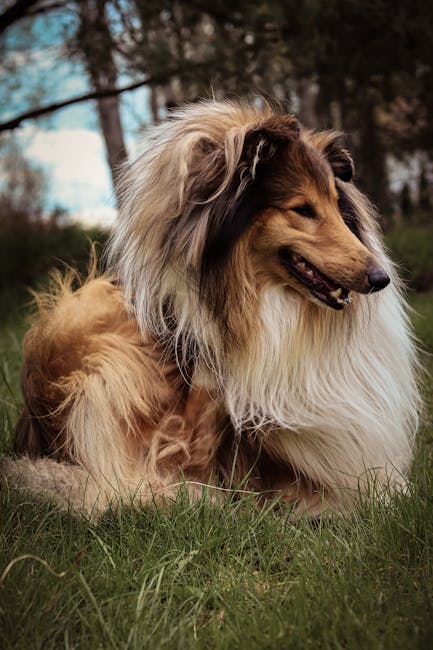
How to prevent matting in long haired dogs
Introduction
Long-haired dogs can develop mats in their fur if their coats are not regularly cared for. How to prevent matting in long haired dogs is an important topic for pet owners of puppies, adult dogs, and senior dogs with longer coats. Mats can cause discomfort, skin irritation, and even infections if left untreated.
Preventive care, including regular grooming and coat maintenance, helps reduce the risk of matting and related skin problems. However, prevention does not guarantee perfect health, and every dog’s needs may vary based on breed, age, and lifestyle.
It’s important to work with your veterinarian to develop a preventive care plan tailored to your dog’s specific requirements. This article provides general information and tips but does not replace professional veterinary advice or diagnosis.
Remember, early attention to your dog’s coat health can make a big difference in comfort and wellbeing. Regular grooming sessions, proper tools, and knowing when to seek veterinary guidance are key steps in keeping your long-haired dog happy and healthy.
Reviewed by SASI Vet Preventive Care Editorial Board.
Why preventive care matters
Preventing matting in long haired dogs is more than just a grooming concern-it plays a key role in your pet’s overall health and comfort. Regular care helps avoid painful tangles that can pull on the skin, cause irritation, and lead to infections.
By keeping your dog’s coat free of mats, you can lower the risk of several common problems, including:
- Skin inflammation and sores
- Restricted movement due to tight mats
- Increased chance of parasites hiding in the fur
- Discomfort that may affect behaviour and quality of life
Consistent preventive care also reduces the likelihood of emergency visits related to severe matting complications. It supports your dog’s well-being by promoting healthy skin and a clean, comfortable coat.
Every dog is unique, so it’s important to work with your veterinarian to develop a preventive care plan tailored to your long haired dog’s specific needs. This approach ensures the best outcomes for your furry friend’s health and happiness.
How this preventive measure works
Preventing matting in long haired dogs involves regular grooming and care to keep their coat clean, smooth, and free of tangles. Matting occurs when loose hairs become tightly knotted, which can cause discomfort, skin irritation, and even infections if left untreated.
The basic idea behind how to prevent matting in long haired dogs is to maintain consistent attention to their fur through brushing and bathing. This helps remove loose hair and dirt before mats can form. Regular grooming also allows you to spot early signs of tangles or skin issues, so you can address them promptly.
Key elements of this preventive care include:
- Daily or frequent brushing with appropriate tools for your dog’s coat type
- Bathing with gentle shampoos to keep the coat clean without drying the skin
- Trimming or professional grooming to manage longer or thicker areas prone to matting
- Checking common trouble spots such as behind the ears, under the legs, and around the collar
Every dog’s coat and needs are unique, so it’s important to work with your veterinarian or a professional groomer to develop a preventive care plan tailored to your pet. This approach helps keep your long haired dog comfortable, healthy, and looking their best.
Which pets need it most
Long-haired dogs are the primary pets that benefit from learning how to prevent matting in long haired dogs. Matting occurs when fur becomes tangled and forms dense clumps, which can cause discomfort and skin problems if left untreated.
Some factors that increase the risk of matting include:
- Breed and coat type: Breeds with thick, curly, or silky coats such as Shih Tzus, Maltese, and Afghan Hounds are more prone to matting.
- Age: Puppies and senior dogs may be less able to groom themselves effectively, increasing the chance of mats forming.
- Lifestyle and environment: Dogs that spend a lot of time outdoors, especially in wet or dirty conditions, can develop mats more easily.
- Existing health conditions: Pets with skin issues, arthritis, or limited mobility may struggle to keep their coats clean and untangled.
Because each dog’s needs vary, it’s important to work with a veterinarian to develop a preventive care plan tailored to your pet’s unique coat type, lifestyle, and health status. Regular grooming and professional advice can help keep your long-haired dog comfortable and mat-free.
What pet owners should look out for
Preventing matting in long haired dogs starts with regular observation at home. By paying attention to your dog’s coat and behaviour, you can catch early signs that preventive care may be needed or that your current routine might need adjustment.
Here are some key signs and changes to watch for:
- Tugging or discomfort: If your dog seems sensitive or pulls away when you touch certain areas, mats may be forming beneath the surface.
- Visible clumps or tangles: Check common trouble spots like behind the ears, under the legs, around the collar, and near the tail for any knots or clumps of fur.
- Changes in grooming habits: Reluctance to be brushed or groomed can indicate discomfort from mats or skin irritation.
- skin redness or irritation: Mats can trap moisture and dirt, leading to redness, sores, or an unpleasant smell.
- Excessive scratching or licking: This may signal irritation caused by mats or underlying skin issues.
Remember, how to prevent matting in long haired dogs is best addressed with a preventive care plan tailored by your veterinarian. Regular check-ins with your vet can help ensure your dog’s coat stays healthy and comfortable.
Role of the veterinarian
Preventing matting in long haired dogs involves more than regular brushing at home. Your veterinarian plays a key role in planning and managing your dog’s overall preventive care to support healthy skin and coat.
During routine physical exams, the vet checks your dog’s skin and fur condition, looking for early signs of matting or underlying issues that could contribute to it. They also develop tailored vaccination plans and parasite control recommendations to keep your dog healthy and comfortable.
Nutrition advice is another important aspect, as a balanced diet supports a shiny, tangle-free coat. Your veterinarian may suggest specific diets or supplements based on your dog’s needs.
Screening tests and follow-up visits help monitor your dog’s health over time and adjust preventive care as needed. This ongoing partnership between you and your vet ensures that matting and other coat problems are addressed promptly and effectively.
Remember, every dog is unique. Preventive care plans, including how to prevent matting in long haired dogs, should always be created in consultation with your veterinarian to suit your pet’s individual health and lifestyle.
Safe home practices
Preventing matting in long haired dogs is an important part of keeping your pet comfortable and healthy. Regular grooming at home can make a big difference, but it’s best to work with your veterinarian to develop a preventive care plan tailored to your dog’s needs.
Here are some safe home practices to help reduce the risk of matting:
- Brushing: Gently brush your dog’s coat daily or several times a week using a suitable brush or comb. This helps remove loose hair and prevents tangles from forming.
- Checking the coat: Regularly inspect your dog’s fur, especially behind the ears, under the legs, and around the collar area where mats often start.
- Bathing: Bathe your dog as recommended by your veterinarian, using gentle shampoos designed for dogs. Proper drying and brushing after baths help avoid mats.
- Environment enrichment: Keep your dog active and engaged to promote healthy skin and coat condition.
- Weight monitoring: Maintaining a healthy weight supports overall skin and coat health.
Remember, if you notice persistent mats or skin irritation, consult your veterinarian for advice. They can recommend professional grooming or other treatments to keep your long haired dog comfortable and mat-free.
Common myths and misunderstandings
When learning how to prevent matting in long haired dogs, it’s easy to come across some common myths that can cause confusion. Understanding the facts helps keep your dog comfortable and healthy.
Myth 1: Mats are just a cosmetic issue. While mats can affect your dog’s appearance, they can also cause discomfort, skin irritation, and even infections if left untreated. Regular grooming is important for your dog’s overall well-being.
Myth 2: Bathing alone prevents matting. Bathing is helpful, but it doesn’t replace regular brushing. In fact, bathing a matted coat without detangling first can make mats worse. Brushing helps remove loose hair and prevents tangles before they become mats.
Myth 3: Cutting mats out is the only solution. While sometimes necessary, cutting mats should be done carefully and ideally by a professional groomer or veterinarian. Preventive care, including consistent brushing and vet-approved grooming routines, is the best approach.
Every dog’s coat and skin are unique. It’s important to work with your veterinarian to develop a preventive care plan tailored to your dog’s needs. This ensures your long haired dog stays comfortable, healthy, and mat-free.
Life-stage considerations
How to prevent matting in long haired dogs can vary depending on your pet’s life stage. Each stage-from playful puppies to wise seniors-has unique needs that affect grooming and coat care. Working with your veterinarian ensures the best preventive care plan tailored to your dog’s age and health.
Puppies
Young dogs are still getting used to grooming routines. Gentle brushing with soft tools helps them become comfortable with coat care. Regular short sessions encourage positive experiences and prevent early mat formation.
Adult dogs
Adult long haired dogs usually require more consistent grooming to keep their coats tangle-free. Depending on activity level and coat type, your vet can recommend how often to brush and when professional grooming might be needed.
Seniors
Older dogs may have reduced mobility or health issues that make grooming more challenging. Their coat can become drier or thinner, increasing the risk of mats. Extra patience and possibly assistance from a groomer or family member can help maintain comfort and coat health.
Remember, preventive care plans should always be created in consultation with your veterinarian. They can provide guidance specific to your dog’s breed, lifestyle, and health status to keep their coat healthy and mat-free throughout life.
FAQs
How often should I brush my long-haired dog to prevent matting?
Regular brushing is key to preventing matting in long-haired dogs. Most dogs benefit from brushing several times a week, but the exact frequency depends on your dog’s coat type and lifestyle. Your veterinarian or a professional groomer can help you develop a brushing routine tailored to your dog’s needs.
What tools are best for preventing matting?
Using the right grooming tools makes a big difference. Common tools include:
- A slicker brush to remove loose hair and dirt
- A wide-toothed comb to gently detangle knots
- Dematting tools for stubborn mats (used carefully)
Always be gentle to avoid hurting your dog’s skin.
Can bathing help prevent mats?
Bathing can help keep your dog’s coat clean and easier to brush, but it should be done with a gentle shampoo suitable for dogs. After bathing, thoroughly dry and brush your dog to prevent tangles from forming as the coat dries.
When should I seek professional grooming help?
If mats become tight or close to the skin, or if you’re unsure how to safely remove tangles, a professional groomer or your veterinarian can assist. They can also advise on a preventive care plan that fits your dog’s specific coat and health needs.
Why is it important to prevent matting?
Mats can cause discomfort, skin irritation, and even infections if left untreated. Preventing matting supports your dog’s comfort and overall health, making regular grooming an important part of your pet’s wellness routine.
Summary
Preventing matting in long haired dogs is an important part of keeping your pet comfortable and healthy. Regular grooming helps avoid painful tangles and skin irritation, while also allowing you to check for any unusual lumps, bumps, or signs of skin problems early on.
While consistent brushing and care can greatly reduce the risk of matting, it’s important to have realistic expectations. Some breeds or individual dogs may require more frequent attention, and mats can sometimes develop despite best efforts.
Working closely with your veterinarian and grooming professionals ensures your dog’s coat and skin stay in the best condition. Your vet can help tailor a preventive care plan that fits your dog’s specific needs and lifestyle.
- Regular brushing to remove loose hair and prevent tangles
- Professional grooming when needed to safely manage mats
- Routine veterinary check-ups to monitor skin and coat health
- Open communication with your vet team about any concerns or changes
Remember, preventive care is a team effort between you, your dog, and your veterinary team. Together, you can help keep your long haired dog comfortable, happy, and mat-free.
Additional Resources
- Canadian Veterinary Medical Association (CVMA)
- American Veterinary Medical Association (AVMA)
- World Small Animal Veterinary Association (WSAVA)
- Royal Society for the Prevention of Cruelty to Animals (RSPCA)
- Ontario Veterinary College, University of Guelph
Disclaimer: This article provides general information about preventive care for pets and does not replace professional veterinary advice. Always talk to a licensed veterinarian about your pet’s specific needs.