Age-related urinary issues cats

Share
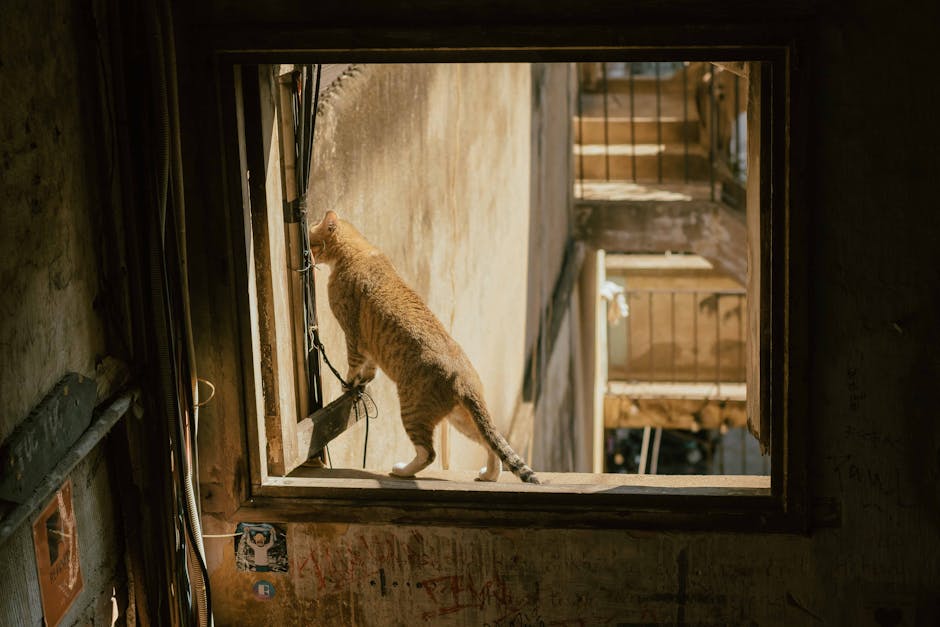
age-related urinary issues cats
Introduction
Changes in urination and the appearance of urine can be important signs of health in pets. Both dogs and cats may experience urinary symptoms at different stages of life. Noticing these changes early can help maintain your pet’s comfort and well-being.
In particular, age-related urinary issues cats might face could include changes in how often they urinate, the amount of urine, or its color and smell. These changes may indicate underlying health concerns that require attention.
Reviewed by the SASI Vet Urinary Symptoms Editorial Board.
Why Urinary Changes Matter
- Urination is a key way pets remove waste and maintain fluid balance.
- Changes might signal infections, kidney problems, or other medical conditions.
- Discomfort or difficulty urinating can affect your pet’s quality of life.
This information is intended to help you understand possible urinary symptoms but does not replace professional veterinary advice. If you notice any unusual signs in your pet’s urination, it is important to consult a licensed veterinarian for a thorough evaluation and personalized guidance.
How this urinary symptom typically appears
Age-related urinary issues cats may experience can show up in several ways that owners often notice at home. You might see your cat straining or appearing uncomfortable when trying to urinate. Some cats make frequent trips to the litter box but produce only small amounts of urine each time.
Common signs to watch for
- Frequent attempts to urinate with little success
- Small urine puddles outside the litter box or accidents around the house
- Urine that looks blood-tinged or has a strong odor
- Vocalizing or crying while urinating, which may indicate discomfort
Each cat may show these signs differently, and some symptoms might be subtle. Because urinary changes can be caused by various underlying issues, it’s important to observe your pet closely. If you notice any of these signs, contacting a veterinarian for a thorough evaluation is recommended to ensure your cat’s health and comfort.
Common possible causes
Age-related urinary issues cats experience may have several different underlying causes. Understanding these possibilities can help pet owners recognize when veterinary advice is needed.
Urinary tract infections and bladder irritation
Infections in the urinary tract or irritation of the bladder lining might cause symptoms such as frequent urination, discomfort, or changes in urine appearance. These conditions can occur at any age but may be more common or complicated in older cats.
Stress-related cystitis
Stress can sometimes lead to inflammation of the bladder, known as cystitis. This condition may cause similar urinary symptoms and could be triggered by changes in the environment or routine.
Incontinence and other age-related changes
Simple incontinence, or loss of bladder control, might develop in older pets due to changes in muscle tone or nerve function. This is one of several age-related urinary issues cats might face.
Increased water intake
Drinking more water than usual can lead to increased urination. This behavior might be related to other health conditions that affect the kidneys, hormones, or metabolism.
Because the same urinary symptom can have many different triggers, it is important to consult a veterinarian for a thorough evaluation and personalized advice tailored to your pet’s needs.
Less common but important causes
In some cases, age-related urinary issues cats experience may be linked to less common but more serious conditions. These causes often require careful evaluation by a veterinarian to ensure appropriate care and management.
Urinary stones and urethral blockage
Urinary stones can form in the bladder or urinary tract and might lead to discomfort or difficulty urinating. Male cats are especially at risk of urethral blockage, which can be a serious concern if it occurs.
Bladder tumours and kidney disease
Less commonly, bladder tumours or kidney disease could contribute to urinary symptoms. These conditions may develop gradually and might affect overall health and urinary function.
Hormonal problems
Hormonal imbalances might also play a role in urinary issues in older cats. These problems could influence the kidneys or bladder and may require veterinary assessment to identify.
If your cat shows signs of urinary difficulty or changes in urination, it is important to consult a veterinarian. They can help determine the underlying cause and recommend the best approach for your pet’s health and comfort.
When it may be an emergency
Age-related urinary issues cats experience can sometimes become urgent and require immediate veterinary attention. Certain signs may indicate a serious problem such as a Urinary blockage or other critical illness.
Red flag signs to watch for
If your pet shows any of the following symptoms, it might be necessary to seek veterinary care right away:
- Repeated straining to urinate with little or no urine produced
- A male cat that appears unable to pass urine
- Severe pain or discomfort, especially around the abdomen
- Vomiting or signs of nausea
- Collapse or sudden weakness
- Extreme lethargy or unresponsiveness
- A swollen, firm abdomen that feels unusual to the touch
These signs could suggest a urinary blockage or other serious conditions that might quickly worsen. While not all urinary symptoms are emergencies, it is important to err on the side of caution. If you notice any of these signs, contacting a veterinarian promptly is strongly recommended to ensure your pet receives appropriate care.
How veterinarians evaluate urinary symptoms
When a cat or dog shows signs of urinary problems, veterinarians begin by gathering a detailed medical history. This helps them understand the duration and nature of the symptoms, as well as any possible underlying factors such as age-related urinary issues cats might experience.
A thorough physical examination usually follows, with special attention to the abdomen to check the bladder for size, shape, and any signs of discomfort. This hands-on assessment provides important clues about the pet’s condition.
Diagnostic tests commonly used
To gain more information, veterinarians often recommend several tests, which may include:
- Urine analysis to detect infection, crystals, or blood
- Blood tests to evaluate kidney function and overall health
- Imaging techniques such as x-rays or ultrasound to visualize the urinary tract
In some cases, further specialist tests might be needed to clarify the diagnosis. Each pet’s situation is unique, so veterinarians tailor the evaluation to best understand the cause of urinary symptoms.
If your pet is showing any signs of urinary difficulty, it is important to consult a licensed veterinarian promptly for a thorough assessment and appropriate guidance.
What pet owners can monitor at home
When caring for a cat, especially with age-related urinary issues cats might experience, keeping track of certain details at home can be very helpful. Observing your pet’s urinary habits may provide important clues to share with your veterinarian.
Key observations to note
- How often your cat urinates each day
- The approximate volume of urine during each visit
- Any changes in urine color, such as cloudiness or blood
- Unusual odors coming from the urine
- Incidents of accidents outside the litter box or usual areas
- Changes in water intake, whether increased or decreased
- Behavior in the litter box or when urinating outdoors, such as straining or discomfort
Writing down these observations regularly might help you notice patterns or changes over time. This information could be valuable for your veterinarian to better understand your cat’s condition and recommend appropriate care.
If you observe any concerning signs or sudden changes, it is important to contact a licensed veterinarian promptly for personalized advice and support.
General home care guidance
Age-related urinary issues cats may experience can sometimes be supported with thoughtful home care. Providing a clean and easily accessible litter box is important to encourage regular use and reduce discomfort. It might help to have multiple litter boxes in different quiet areas of your home, especially if you have more than one cat.
Ensuring your cat has constant access to fresh water could support urinary health. Some cats prefer running water, so a pet water fountain might be worth considering if your cat seems reluctant to drink enough. Reducing stress in your cat’s environment may also be beneficial, as stress can sometimes contribute to urinary problems.
When to seek veterinary advice
If your cat shows signs of pain, difficulty urinating, or any blockage, it is important to contact a veterinarian promptly. These symptoms might indicate a serious condition that requires professional care. Always follow your veterinarian’s instructions carefully and avoid attempting treatments at home that have not been recommended by a professional.
Supporting long-term urinary health
Maintaining urinary health in pets, especially when considering age-related urinary issues cats may face, involves several supportive strategies. Regular veterinary checkups can help monitor your pet’s urinary system and catch potential concerns early.
Diet and Weight Management
An appropriate diet, as recommended by your veterinarian, might support urinary tract health over time. Keeping your pet at a healthy weight could also reduce the risk of urinary problems and improve overall well-being.
Hydration and Environment
Encouraging normal water intake is important, as adequate hydration may help maintain urinary tract function. In homes with multiple cats, providing enough litter boxes might reduce stress and promote regular urination.
Stress Reduction
Managing stress in sensitive pets could be beneficial, since stress sometimes contributes to urinary issues. Creating a calm and comfortable environment may support your pet’s urinary health.
If you notice any changes in your pet’s urination habits or have concerns about age-related urinary issues cats might experience, it is best to consult a licensed veterinarian for personalized advice and care.
FAQs
What should I do if my cat strains in the litter box?
If your cat is straining to urinate, it may indicate discomfort or a blockage. This can be serious, especially in male cats, and requires prompt veterinary attention. Avoid waiting, as this symptom might lead to complications.
When is blood in my cat’s urine an emergency?
Blood in the urine can be a sign of infection, injury, or other urinary issues. If you notice blood along with difficulty urinating, frequent attempts, or signs of pain, contact your veterinarian as soon as possible for evaluation.
Can stress affect my cat’s urinary health?
Yes, stress can contribute to urinary problems in cats, including inflammation and changes in urination habits. Managing your cat’s environment and reducing stressors may help, but a vet should assess any urinary symptoms to rule out medical causes.
How quickly should I see a vet for urinary symptoms?
Urinary symptoms should be evaluated promptly, especially if your cat is straining, urinating outside the litter box, or showing signs of pain. Early veterinary care can help identify age-related urinary issues cats might face and prevent complications.
Summary
Urinary symptoms in pets can be a sign of various health concerns, especially when related to age-related urinary issues cats may experience. These symptoms might include changes in urination habits, discomfort, or accidents outside the litter box. Understanding why these signs matter is important for your pet’s overall well-being.
Possible Causes
Urinary symptoms could stem from a range of causes such as infections, inflammation, bladder stones, or age-related changes in the urinary system. In older cats, the urinary tract may become more vulnerable to certain conditions, which might affect their comfort and health.
Working with Your Veterinarian
If you notice any urinary changes in your cat, it is important to consult a licensed veterinarian. They can help identify the underlying cause through appropriate examinations and tests. Early diagnosis and careful management may improve your cat’s quality of life and prevent complications.
Remember, while urinary symptoms can be concerning, many cats respond well to veterinary care. Staying observant and seeking professional advice is the best way to support your pet’s health in a calm and reassuring manner.
- Canadian Veterinary Medical Association
- American Veterinary Medical Association
- World Small Animal Veterinary Association
- University Veterinary Teaching Hospitals
- Royal Veterinary College
Disclaimer: This article provides general information about urinary symptoms in pets and does not replace professional veterinary advice. Always consult a licensed veterinarian regarding your pet’s specific condition.