Antibiotics and shelter or rescue pets

Share
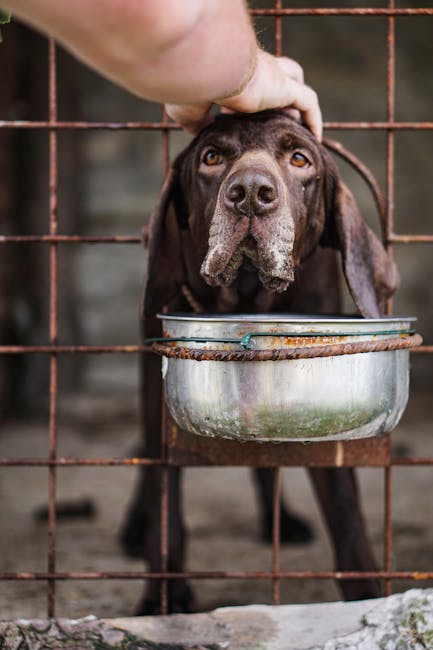
antibiotics and shelter or rescue pets
Introduction
Antibiotics are prescription medications commonly used in veterinary medicine to treat bacterial infections in animals. When it comes to shelter or rescue pets, the use of antibiotics requires careful consideration and professional veterinary guidance. These medications play an important role in managing infections and supporting the health of animals in these environments, where close quarters and stress can increase the risk of illness.
It is essential to understand that antibiotics should never be administered without the direct supervision of a licensed veterinarian. Improper use can lead to ineffective treatment, antibiotic resistance, and potential harm to the animal. This article aims to provide educational information about antibiotics and shelter or rescue pets, emphasizing the importance of responsible use and veterinary oversight.
Owners and caregivers should always consult with a veterinary professional before starting any medication. This ensures that the correct diagnosis is made and that the chosen treatment is safe and appropriate for the individual animal’s condition. Remember, the health and well-being of shelter and rescue pets depend on informed, careful medical decisions guided by experts.
Reviewed by the SASI Vet Medications Editorial Board.
What antibiotics are used for in pets
Antibiotics are medications that veterinarians may prescribe to help manage bacterial infections in pets. In the context of antibiotics and shelter or rescue pets, these medications play an important role in supporting the health of animals that may have been exposed to various environmental stressors or infectious agents. Shelter and rescue pets often face unique challenges, including crowded living conditions and previous unknown medical histories, which can increase their risk of bacterial infections.
When a bacterial infection is suspected or confirmed, antibiotics can assist in controlling the infection and promoting recovery. It is important to understand that antibiotics are only effective against bacterial infections and are not suitable for viral or other types of illnesses. Proper veterinary evaluation is essential to determine whether antibiotics are necessary and to ensure their safe and appropriate use.
Responsible use of antibiotics helps protect pets from potential side effects and reduces the risk of antibiotic resistance. Always consult a veterinarian for guidance regarding the health of shelter or rescue pets and the use of antibiotics in their care.
Why antibiotics are not always appropriate
When caring for shelter or rescue pets, it is important to understand that antibiotics are not always the best solution for every infection. Many infections, especially those caused by viruses or minor irritations, do not respond to antibiotics. Using antibiotics unnecessarily can lead to several problems, including antibiotic resistance, which makes future infections harder to treat. Additionally, inappropriate use of antibiotics can disrupt the natural balance of bacteria in a pet’s body, potentially causing other health issues.
Veterinarians carefully evaluate each case to determine whether antibiotics and shelter or rescue pets truly need them. They consider factors such as the type of infection, severity, and the pet’s overall health before recommending any medication. Responsible use of antibiotics helps protect the effectiveness of these drugs for pets that genuinely require them. It also supports the well-being of shelter and rescue animals by avoiding unnecessary side effects and complications.
Understanding when antibiotics are appropriate is a key part of providing safe and effective care for shelter and rescue pets. Always consult a veterinary professional to ensure the best approach for each individual animal’s health needs.
The importance of veterinary diagnosis
When it comes to antibiotics and shelter or rescue pets, a thorough veterinary diagnosis is essential before any medication is considered. Shelter and rescue animals often face unique health challenges due to stress, exposure to various pathogens, and previous unknown medical histories. A veterinarian’s examination helps identify the specific cause of illness, whether it is bacterial, viral, fungal, or due to other factors. This distinction is crucial because antibiotics are only effective against bacterial infections and will not help with viral or other non-bacterial conditions.
Veterinary testing, such as laboratory work and diagnostic imaging, provides valuable information that guides appropriate care. Without these assessments, the use of antibiotics may be unnecessary or even harmful, potentially contributing to antibiotic resistance or adverse reactions. Additionally, a proper diagnosis ensures that the pet receives the most suitable treatment for their condition, improving their chances of recovery and overall well-being.
In summary, the careful evaluation by a veterinarian safeguards the health of shelter and rescue pets by ensuring that antibiotics are used responsibly and only when truly needed. This approach supports both individual animal health and broader public health concerns.
Understanding antibiotic resistance
Antibiotics are important medicines used to help animals fight bacterial infections. However, when antibiotics are not used carefully, some bacteria can become resistant, meaning the medicines no longer work effectively. This is called antibiotic resistance.
In shelter or rescue pets, the risk of antibiotic resistance can be higher because many animals come from different environments and may have been exposed to various germs. When antibiotics are used unnecessarily or incorrectly, resistant bacteria can develop and spread among animals, making infections harder to treat.
Responsible use of antibiotics means giving them only when truly needed and following veterinary guidance closely. This helps protect the health of shelter or rescue pets by reducing the chance that bacteria will become resistant. It also helps ensure that antibiotics remain effective for future infections.
Understanding antibiotic resistance is important for anyone caring for shelter or rescue pets. By supporting responsible antibiotic use, we can help keep these animals healthy and improve their chances of recovery and adoption.
Common mistakes pet owners should avoid
When caring for shelter or rescue pets, understanding the proper use of antibiotics is crucial. One common mistake is sharing antibiotics between pets without veterinary guidance. Each animal’s health condition is unique, and medications prescribed for one pet may not be safe or effective for another. Using leftover antibiotics or stopping a course early can also pose significant risks. Incomplete treatment may lead to the development of resistant bacteria, making future infections harder to treat. Additionally, improper use of antibiotics and shelter or rescue pets can result in adverse reactions or ineffective recovery.
It is important to always follow a veterinarian’s recommendations and complete the full course of any prescribed medication. Avoid self-medicating or using antibiotics without professional advice, as this can compromise your pet’s health and contribute to broader public health concerns. Responsible medication practices help ensure the well-being of shelter or rescue pets and support their successful transition into a healthy Home environment.
Safety considerations during antibiotic use
When caring for shelter or rescue pets, understanding the safety considerations during antibiotic use is essential. Antibiotics and shelter or rescue pets require careful attention to ensure the well-being of these vulnerable animals. It is important to always follow the guidance provided by a licensed veterinarian, as they tailor treatments based on each pet’s specific health needs.
Monitoring pets closely while they are receiving antibiotics helps identify any potential side effects or adverse reactions early. Changes in behavior, appetite, or physical condition should be reported promptly to a veterinary professional. Additionally, completing the full course of prescribed medication, even if the pet appears to improve, is crucial to prevent the development of resistant bacteria.
Maintaining proper hygiene and minimizing stress in the shelter or rescue environment supports the effectiveness of antibiotic treatments. Avoid sharing food, water bowls, or bedding between animals to reduce the risk of spreading infections. Remember, antibiotics are a valuable tool but must be used responsibly and under veterinary supervision to promote safe recovery and overall health in shelter or rescue pets.
Questions pet owners often ask
What should I know about antibiotics and shelter or rescue pets?
When adopting a pet from a shelter or rescue, it’s common to wonder about the use of antibiotics. These medications can be important in managing infections, but their use should always be guided by a veterinarian to ensure safety and effectiveness.
Why might a shelter or rescue pet need antibiotics?
Shelter and rescue pets may have been exposed to various environments and other animals, increasing the risk of infections. Antibiotics may be prescribed to help control bacterial infections, but only after a proper veterinary assessment.
Are antibiotics safe for all shelter or rescue pets?
While antibiotics can be safe when used appropriately, not all pets respond the same way. Factors such as age, health status, and existing conditions can influence how a pet tolerates these medications.
Can antibiotics be given without veterinary guidance?
It is important never to administer antibiotics without consulting a veterinarian. Incorrect use can lead to resistance, ineffective treatment, or harm to the pet.
How can I support my shelter or rescue pet’s recovery?
Providing a clean, stress-free environment and following veterinary recommendations are key to helping your pet recover safely when antibiotics are involved.
Working with your veterinarian
When caring for shelter or rescue pets, clear communication with your veterinarian is essential. These animals often have unique health needs due to their backgrounds, making it important to discuss any concerns or observations you have. Your veterinarian can provide guidance tailored to your pet’s specific situation, ensuring the best possible care.
Understanding the role of antibiotics and shelter or rescue pets is a key part of this collaboration. While antibiotics can be important in managing infections, their use should always be guided by a veterinary professional to avoid unnecessary or inappropriate treatments. Trusting your veterinarian’s expertise helps protect your pet’s health and supports responsible medication use.
Regular follow-up appointments allow your veterinarian to monitor your pet’s progress and adjust care plans as needed. Don’t hesitate to ask questions or share updates about your pet’s condition. Building a strong partnership with your veterinarian creates a foundation of trust and ensures your shelter or rescue pet receives compassionate, effective care throughout their recovery and beyond.
Summary
Antibiotics and shelter or rescue pets play a critical role in managing bacterial infections that can affect animals in these environments. Shelters and rescues often care for pets with unknown medical histories or those exposed to contagious diseases, making the responsible use of antibiotics essential. These medications are powerful tools that can help improve the health and well-being of animals when used appropriately. However, improper or unnecessary use can lead to antibiotic resistance, which poses a significant risk to both animal and public health. It is important to understand that antibiotics should only be administered under the guidance of a licensed veterinarian who can accurately diagnose the condition and determine the need for such treatment. Responsible use includes following veterinary recommendations and avoiding self-prescribing or sharing medications. By ensuring antibiotics are used correctly, shelters and rescues can help protect the effectiveness of these medications for future cases and support the overall health of the pets in their care. Always consult a veterinary professional for any concerns regarding infections or antibiotic use in shelter or rescue animals.
- American Veterinary Medical Association (AVMA)
- Association of Shelter Veterinarians (ASV)
- World Small Animal Veterinary Association (WSAVA)
- National Animal Control Association (NACA)
- American Association of Veterinary State Boards (AAVSB)
Disclaimer: This article provides general information about antibiotics in pets and does not replace professional veterinary advice.