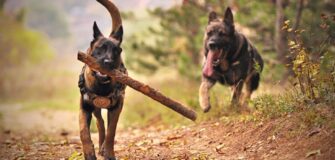
Basic training games for dogs

Share

basic training games for dogs
Introduction
Basic training games for dogs are a gentle and fun way to teach your pet important skills. While these games are mainly designed for dogs, some cats and other small pets might also learn simple commands or tricks through similar positive methods.
Training is about clear communication, keeping your pet safe, and strengthening the bond you share. It is not about punishment or causing fear. Using reward-based techniques helps your pet understand what you want while feeling happy and confident.
This article offers general guidance on basic training games for dogs and related pets. It is important to remember that every animal is unique, and some behaviours may require personalized support. If you have concerns or need tailored advice, contacting a qualified trainer or veterinary behaviour professional is recommended.
Reviewed by the SASI Vet Behavior & Basic Training Editorial Board.
Foundations of positive basic training
Basic training games for dogs often rely on positive, reward-based methods that encourage learning through kindness and patience. Using treats, praise, or play as rewards can help your dog understand what behaviours you want to see, making training enjoyable for both of you.
Timing is important; giving rewards immediately after the desired behaviour helps your dog make the connection. Consistency in cues and responses also supports clearer communication and faster learning.
Breaking tasks into small steps
Complex behaviours might be easier to teach by dividing them into manageable parts. This approach allows your dog to succeed gradually, reducing frustration and building confidence.
Keep sessions short and fun
Short training sessions, around 5 to 10 minutes, can maintain your dog’s interest and prevent stress. Ending on a positive note encourages your dog to look forward to future sessions.
It’s important to avoid physical punishment, intimidation, or any tools that cause pain or fear. Such methods may harm your dog’s trust and could lead to unwanted behaviour. If you encounter challenges, consulting a qualified trainer or veterinary behaviour professional might provide helpful, tailored guidance.
Using rewards and motivation effectively
When teaching basic training games for dogs, using rewards thoughtfully can make learning enjoyable and effective. Different types of rewards may include food treats, verbal praise, toys, playtime, or life rewards such as going outside for a walk. Each dog might respond better to certain rewards, so it’s important to observe what motivates your pet most.
Choosing the right rewards
Consider your dog’s preferences and the situation. High-value treats might work best for new or challenging behaviours, while praise or play could be enough for familiar commands. Life rewards, like access to a favorite activity, can also encourage good behaviour in everyday life.
Timing and delivery
Deliver rewards immediately after the desired behaviour to help your dog connect the action with the positive outcome. Over time, as your dog becomes more reliable, you might slowly reduce the frequency of treats, replacing them with praise or intermittent rewards. This helps maintain motivation without relying solely on food.
Remember, rewards guide your dog’s learning rather than acting as bribes. If you have concerns about training or behaviour, consulting a qualified trainer or veterinary behaviour professional can provide tailored support for your pet’s needs.
Teaching core basic cues step by step
Introducing your dog to basic training games for dogs can be a rewarding experience for both of you. Start by choosing a quiet, low-distraction environment where your pet feels comfortable. This helps set them up for success and makes learning easier.
Name recognition
Begin by saying your dog’s name in a cheerful tone and rewarding them immediately when they look at you. Repeat this several times, gradually increasing the distance between you and your dog.
Basic cues like sit, down, and come
Use treats or toys to encourage your dog into the desired position. For example, hold a treat above their nose and slowly move it back to prompt a sit. Reward promptly when they perform the cue. Keep sessions short and positive.
Wait, stay, and leave it
These cues may take more patience. Start with brief durations or simple distractions, rewarding calm behaviour. Gradually increase the challenge as your dog improves. Always end on a positive note.
Remember, patience and consistency are key. Avoid any harsh corrections or aversive tools, as these can harm your dog’s trust and learning. If you encounter difficulties, consulting a qualified trainer or veterinary behaviour professional might be helpful for tailored guidance.
House training and daily routines
Consistent daily routines play an important role in basic training games for dogs, especially when it comes to house training. Feeding your dog on a regular schedule helps regulate their toileting times, making it easier to anticipate when they need a break outside.
Regular toilet breaks and supervision
Taking your dog outside frequently, particularly after meals, naps, or play sessions, encourages toileting in the right place. Close supervision indoors can help you notice signs that your pet needs to go, allowing timely trips outdoors and reducing accidents.
Using a crate or safe area
Crate training or providing a safe, comfortable area can support house training by giving your dog a secure space to rest. Many dogs naturally avoid soiling their sleeping area, which may help reinforce good habits. Always introduce crates positively and avoid using them for punishment.
Patience and realistic expectations
Remember that puppies and young animals may take time to learn appropriate toileting habits. Patience and gentle encouragement, along with rewarding your pet for success, are key. If you encounter challenges, consulting a qualified trainer or veterinary behaviour professional could provide helpful guidance tailored to your pet’s needs.
Leash manners and everyday handling
Teaching polite leash walking is an important part of basic training games for dogs. Rewarding your dog for walking on a loose leash can encourage calm and cooperative behaviour. If your dog pulls, stopping and waiting calmly before moving again may help them learn that pulling does not get them where they want to go.
Practising leash manners around distractions, such as other dogs or people, can build your dog’s focus and patience. Keep sessions short and positive, using treats or praise to reinforce good behaviour.
Gentle handling for grooming and vet visits
Everyday handling, like touching paws, ears, and grooming areas, can be introduced slowly with positive associations. Offering treats and gentle praise while handling these sensitive areas may help your dog feel more comfortable and relaxed.
Regularly practicing calm handling at home can make vet visits less stressful. Always go at your dog’s pace and avoid forcing any movements. If your dog shows signs of fear or discomfort, consulting a qualified trainer or veterinary behaviour professional might be beneficial.
Preventing common behaviour problems early
Starting basic training games for dogs at an early age can help reduce the chance of common behaviour issues such as jumping up, mouthing, excessive barking, or fearful reactions. Early training provides mental stimulation and helps your dog learn calm and appropriate behaviours in a positive way.
Providing suitable outlets for your dog’s energy is also important. Regular play, exercise, and enrichment activities may prevent boredom and frustration, which can sometimes lead to unwanted behaviours.
Benefits of early training and enrichment
- Teaches self-control and calmness
- Reduces anxiety and fearfulness
- Encourages positive interactions with people and other animals
- Offers mental challenges that keep your dog engaged
If you ever feel overwhelmed or unsure about your dog’s behaviour, seeking early help from a qualified trainer or veterinary behaviour professional might be beneficial. They can provide guidance tailored to your dog’s needs and help prevent problems from becoming more difficult to manage later on.
When to seek professional training or veterinary help
While basic training games for dogs can be very effective for many common behaviours, some situations may require professional support. Issues such as aggression, severe fear, or sudden changes in behaviour might indicate underlying problems that need careful assessment.
In these cases, it is important to consult a qualified trainer or a veterinary behaviour professional who uses positive reinforcement and evidence-based methods. These experts can provide tailored guidance that prioritizes your dog’s welfare and safety.
Signs that professional help might be needed
- Unpredictable or Aggressive behaviour towards people or other animals
- Intense fear or anxiety that interferes with daily life
- Sudden or drastic changes in behaviour or mood
- Difficulty managing behaviours despite consistent, kind training efforts
Avoid trainers or methods that rely on punishment, dominance, or intimidation, as these can cause distress and worsen problems. Instead, seek professionals who focus on reward-based approaches and who can work with you to create a safe, positive environment for your dog.
Remember, early intervention with the right support can make a significant difference in your dog’s wellbeing and your relationship together.
FAQs
How long should basic training sessions be?
Short, frequent sessions tend to work best. Aim for 5 to 10 minutes a few times a day to keep your dog engaged without causing frustration or fatigue. Consistency is more important than duration.
When is the best time to start training?
Training can begin as soon as you bring your dog home, even with puppies. Early socialization and gentle introduction to basic commands may help build a positive learning foundation.
What if my dog does not seem to listen?
Sometimes dogs may be distracted, tired, or unsure. Try to keep training sessions positive and reward small successes. If challenges continue, consulting a qualified trainer could provide tailored guidance.
Are group classes helpful for basic training games for dogs?
Group classes can offer socialization opportunities and structured learning environments. However, some dogs might find groups overwhelming, so consider your dog’s personality and comfort level when choosing classes.
How can I keep my dog motivated during training?
- Use high-value treats or favorite toys as rewards.
- Keep sessions fun and upbeat.
- End on a positive note to encourage eagerness for next time.
Summary
Basic training games for dogs are an ongoing journey that relies on clear communication, empathy, and positive rewards. Progress may come in small steps, and patience is key to helping your dog learn and feel confident.
Remember that every dog learns at their own pace, and what works well for one might need adjustment for another. Consistency and kindness often create the best environment for learning.
Key points to keep in mind:
- Use gentle, reward-based methods to encourage good behaviour.
- Keep training sessions short and enjoyable to maintain your dog’s interest.
- Celebrate small successes to build your dog’s confidence.
- Seek professional guidance if you encounter challenges or complex behaviours.
Asking for help from a qualified trainer or veterinary behaviour professional is a positive step and shows your commitment to your dog’s well-being. With patience and support, basic training can strengthen your bond and create a happier, safer life together.
- International Association of Animal Behavior Consultants (IAABC)
- American Veterinary Society of Animal Behavior (AVSAB)
- Association of Professional Dog Trainers (APDT)
- Royal Veterinary College Behaviour Clinic
- University of California, Davis Veterinary Medicine Teaching Hospital
Disclaimer: This article provides general information about basic training and does not replace professional advice. If you are concerned about your pet’s behaviour, consult a qualified trainer or veterinarian.